Trapezoidal Standing Seam Roofing and Fire Performance: Key Facts
2026-09-23 10:54:38
When evaluating roofing systems for industrial facilities and logistics warehouses, fire performance is rarely the first specification engineers pull up — but it should rank near the top. Trapezoidal standing seam roofing has earned a strong reputation in large-span commercial construction precisely because its metal substrate, concealed clip system, and protective coating work together to resist ignition, limit flame travel, and maintain structural integrity under thermal stress. This article breaks down the fire-related facts procurement teams and EPC contractors need before committing to a specification.

Understanding Trapezoidal Standing Seam Roofing and Its Fire Resistance
How Panel Geometry and Material Composition Influence Fire Behavior
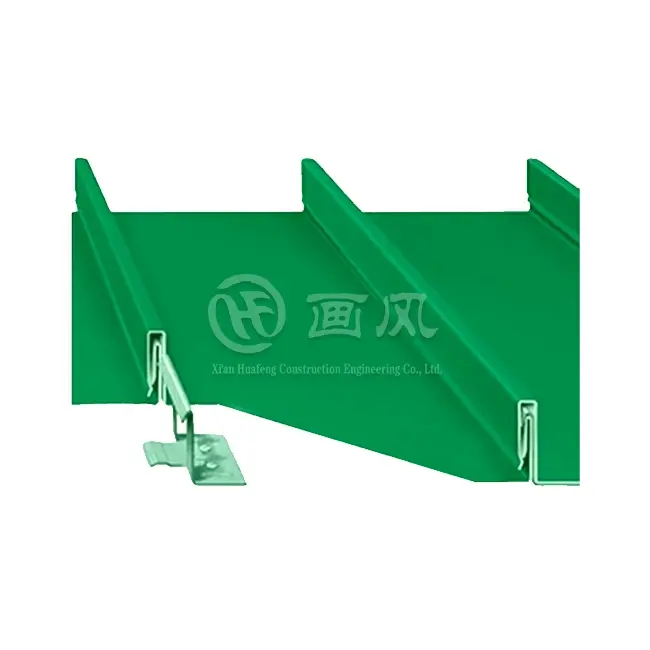
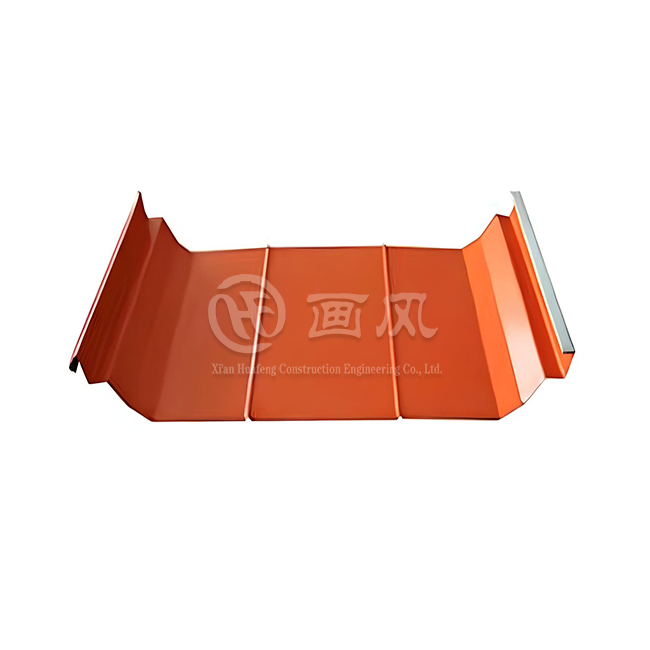
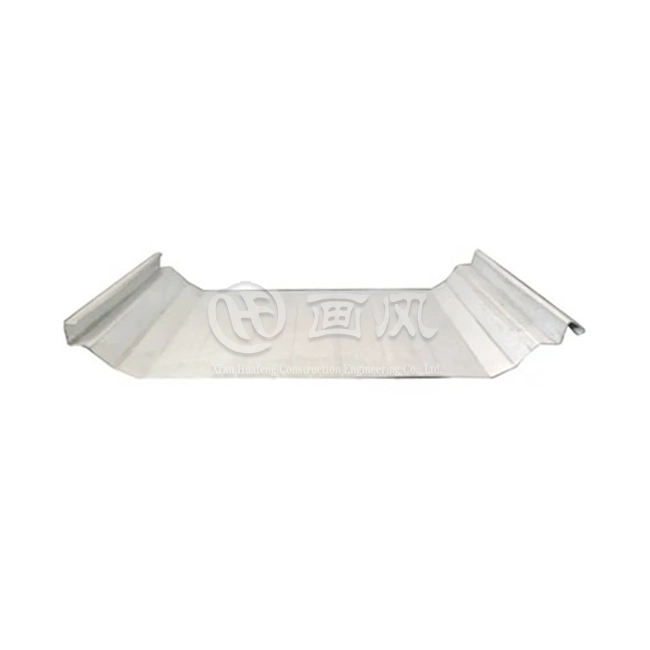
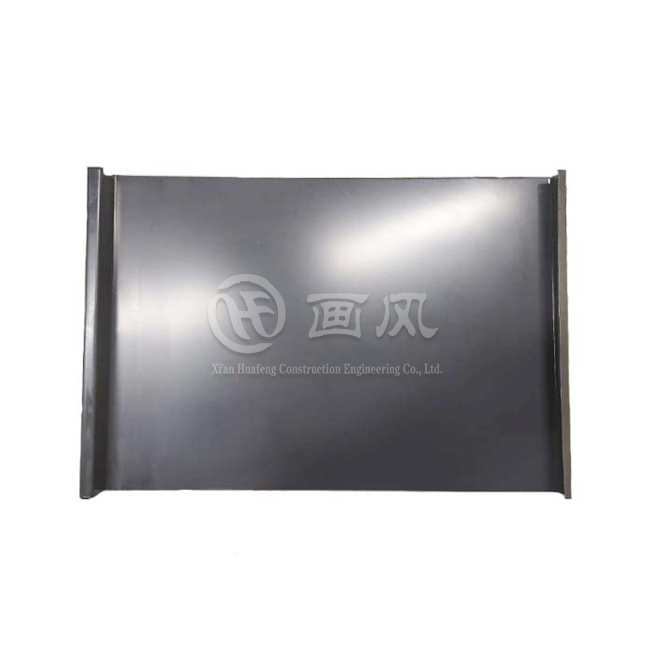
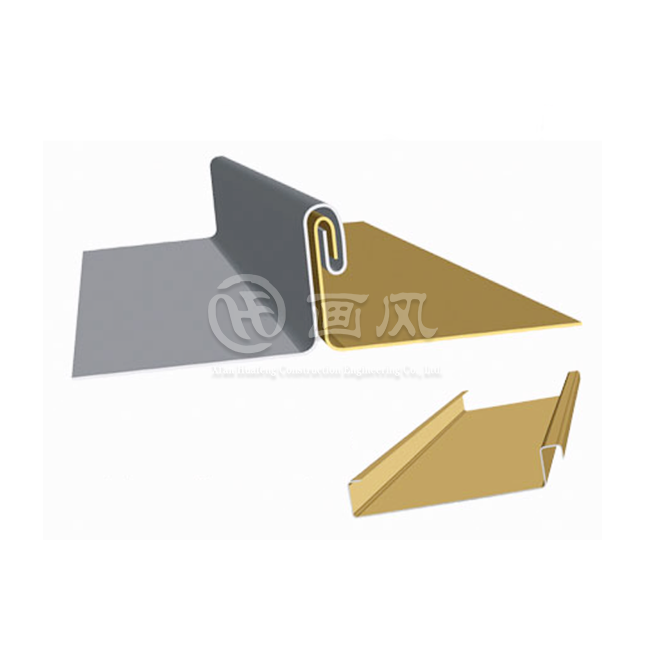
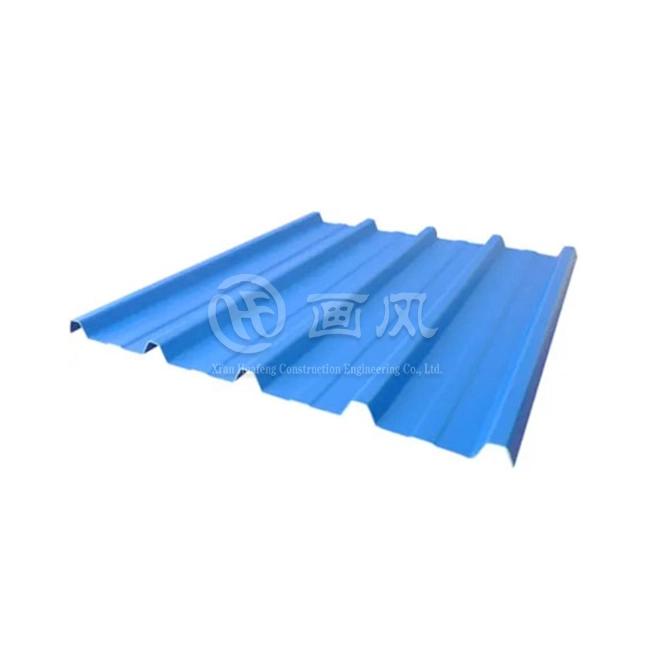
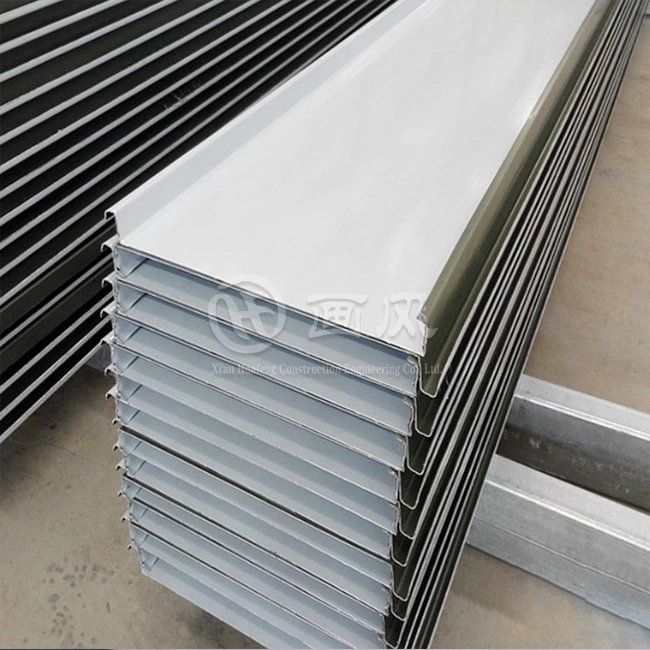
It's not just for looks; the raised trapezoidal rib profile also keeps heat away from the flat pan area and lowers the amount of direct flame contact with the substrate. Aluminum alloy panels (grades 3003, 3004, and 5052), coated steel panels, and stainless steel panels can't catch fire on their own. Under normal test conditions, none of these substrates can hold an ignition.
Some relevant fire rating standards that people who work in buying should look at are:
- ASTM E84 (Surface Burning Characteristics): The ASTM E84 test measures the flame spread index and smoke development index across the visible area of a building material. The flame spread index for Class A materials is ≤ 25 and the smoke development index is ≤ 450. This means that they are very resistant to fire.
- EN 13501-1 (European Classification): Rates reaction-to-fire performance from A1 (not flammable) to F; bare metal panels usually get an A1 or A2 rating.
- AS/NZS 1530.3:1999 (Combustion Performance): According to AS/NZS 1530.3:1999 (Combustion Performance), testing on aluminum alloy grade 3003H24 with a PVDF coating by SGS showed that it had an ignition index of 0, a flame spread index of 0, a heat release index of 0, and a smoke development index of 0–1. All six test animals did not catch fire.
Those three numbers—zero burning, zero flame spread, and zero heat release—show the best result that can happen by that measure.
The thickness of the panels makes them even more fire resistant. Panels that are between 0.7 mm and 1.2 mm thick make a thicker heat barrier than cladding items that are thinner. Polyvinylidene fluoride (PVDF) coatings make chemicals more stable when heated, and polyester (PE) coatings are a cheap alternative for lower-risk areas. Both styles passed the 13 areas of AAMA 2605-22 coating performance tests, which included chemical resistance, impact resistance, and adhesion in boiling water.
Key Benefits and Challenges of Fire-Resistant Metal Roof Systems
Durability Under Heat and Compliance Advantages
Trapezoidal standing seam roofing systems that are rated Class A non-combustible have benefits that can be measured and go far beyond a fire. People who own buildings in many places can get lower insurance rates if their roofs are recognized as not flammable. Code officials in places that use the IBC (International Building Code) or EN Eurocodes are also more likely to let a building be used if the roof system has recorded fire ratings.
Here are the main structure fire benefits that should be taken into account for large-scale purchases:
- No fuel contribution: Bare metal panels don't add fuel to a fire like organic materials or foam-based panel cores do. This is very important in warehouses that store chemicals or goods that can catch fire.
- Minimal smoke generation: The above-mentioned SGS test results showed almost no smoke production, which helps people leave and limits damage to kept goods from smoke contamination.
- Structural retention under load: Steel and aluminum alloys keep their load-bearing ability at mild temperatures longer than many other roofing materials. This gives people more time to get out of the building and put out the fire.
Because of these benefits, lifecycle risk is lower for EPC contractors and building owners who follow international fire codes.
Still, there are problems. A metal roof panel by itself is not a fully fire-rated structure. The final assembly grade is affected by the roof penetrations, terminations, and flooring choices. In Southeast Asia, the Middle East, and sub-Saharan Africa, extra fireproofing is sometimes needed at the points where steel purlins connect or where interior fascia lines run. Visual inspections should be done at least once a year to keep coats in good shape and seams tight. This will help the system keep working as well as it should for decades of use.
Material Options and Panel Types for Enhanced Fire Performance
Substrate Selection: Aluminum Alloy vs. Steel vs. Stainless Steel
Material choice has real effects on how people react to fire. When exposed to heat, different substrates react in different ways, and the risk environment at the project site should be taken into account when making decisions about what to buy.
Aluminum alloy panels, especially those in the 3000 and 5000 series, have a low density, great resistance to rust, and a melting point of about 660°C. They don't add any energy to the fire and do a good job of reflecting radiant heat, especially when they are coated with light-colored PVDF. Galvanized steel (alu-zinc base) has a higher melting point and a higher structural section stiffness, which makes it the best choice for purlin spacing above 1.5 meters. Stainless steel panels are at the top of the list because they are very resistant to corrosion and fire, making them ideal for seaside or chemically active industrial settings.
PVDF coats make things more thermally stable by not chalking, reacting with chemicals, or breaking down in the sun for decades. Reflective PVDF topcoats also lower the amount of heat that gets in through the roof, which means that industrial buildings don't have to cool down as much. This is a useful benefit that matches investments in fire safety with the energy efficiency goals that green building standards like LEED and BREEAM are requiring more and more.
Installation Best Practices to Maximize Fire Performance
Seam Integrity, Underlayment Selection, and Common Errors
Even if a trapezoidal standing seam roofing passes combustion tests in the lab, it might not work well in a real fire if it wasn't installed properly. The most important thing about fitting is how tight the seams are. The hidden moving clip system lets panels expand and contract with temperature changes without leaving gaps at the seams, but only if the clips are put in place with the right amount of space and pressure.
Putting fire-resistant underlayments like mineral wool, glass fiber, or foil-faced rigid insulation between the metal deck and the inner finish makes a big difference in the total fire resistance rating of the assembly. Installers should make sure that the underlayment they use has independent fire ratings that match the needs of the project, not just acoustic or thermal ratings.
Misaligned seam overlaps that leave capillary gaps, using fasteners that don't work with the clips, and not using fire-rated sealant at the seams where the walls meet the roof are all common installation mistakes that put fire safety at risk. Before mobilizing, procurement teams should ask roofing suppliers for installer skills and method statements that are specific to the project.
Procurement Guide: Selecting Fire-Resistant Trapezoidal Standing Seam Roofing Panels
Verification Criteria, Certifications, and Supplier Assessment
A clear checklist is needed for B2B procurement managers who need to buy structural metal roofing panels for business projects. The following factors help separate reliable suppliers from those making promises that haven't been proven.
What paperwork you should ask for before making an order:
- Independent fire test reports referencing recognized standards (ASTM E84, AS/NZS 1530.3, EN 13501-1): Third-party labs like SGS, UL, or Intertek must issue independent fire test results that follow well-known standards like ASTM E84, AS/NZS 1530.3, and EN 13501-1.
- Coating performance certification against AAMA 2605-22: The coating's performance was tested against AAMA 2605-22 to make sure it adheres, is resistant to chemicals, and stays flexible under repeated loading.
- EU RoHS compliance documentation: EU RoHS compliance paperwork that proves dangerous chemicals like lead, mercury, cadmium, and hexavalent chromium are not present or are below the levels allowed by the rule. Aluminum panels (grade 5052H26) checked by SGS showed that none of the 10 restricted substances were found or were within the limits.
- Wind uplift test data: The wind uplift test results show that the resistance is at least 5 kPa and the load capacity is at least 1.5 kN/m².
- Cut-to-length manufacturing capability: The ability to cut to length and a written batch delivery schedule that are in line with project goals.
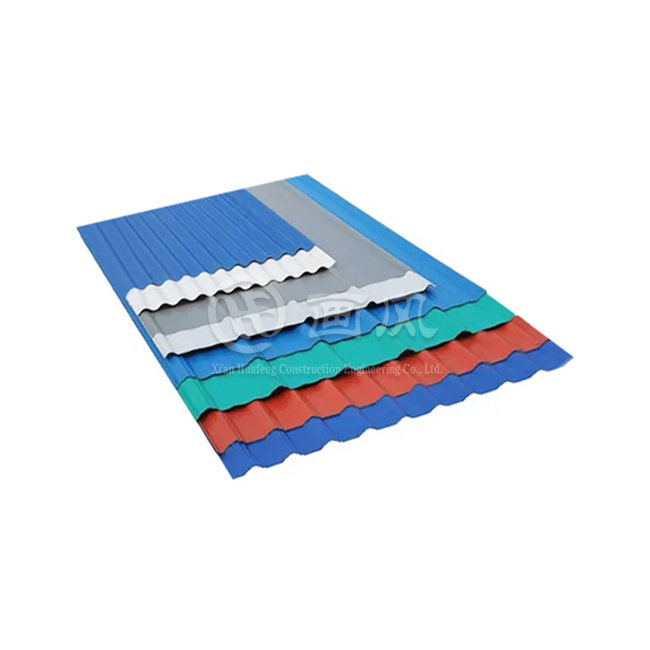
There is a measurable cost premium for fire-resistant panels over standard corrugated profiles. However, the long-term value changes when insurance savings, code compliance timelines, and lower rework risk are taken into account. A product guarantee that lasts for 30 years, backed by approved materials and proof of quality control, is much cheaper overall than a cheaper panel that needs to be replaced or fixed every 10 to 15 years.
Conclusion
Procurement teams, project managers, and EPC workers can be sure of the technical details of trapezoidal standing seam roofing that come with independent fire test data. According to ASTM, AS/NZS, and EN standards, the best fire resistance ratings are always given to aluminum alloy and stainless steel panels with PVDF or PE coats. Real-world fire performance is affected by the shape of the panels, the type of material used, the quality of the coating, and how well they were installed. For projects that have to follow international fire codes, verified certificates from approved labs are still a must.
FAQ
1. What fire rating does standing seam metal roofing typically achieve?
Metal plates made of aluminum alloy or coated steel always get Class A ratings for not catching fire under ASTM E84 and similar ratings under EN 13501-1. Independent SGS tests on aluminum grade 3003H24 with a PVDF covering found no spark index, no flame spread index, and no heat release index. This is the best result possible according to AS/NZS 1530.3:1999 for trapezoidal standing seam roofing.
2. Can fire performance be maintained over the product's full service life?
Yes, as long as the coats stay on and the seams stay closed. PVDF-coated panels that are approved to AAMA 2605-22 show that they don't stick to anything and are resistant to chemicals over many years of use. The fire-resistant properties of the panel will last for at least 30 years with regular visual checks and quick repairs for any coating damage.
3. Is supplementary fireproofing always required alongside the metal roof panels?
Not always, but in some places, building rules need fire-rated assembly paperwork that shows the whole roof assembly, including the flooring and insulation. The metal panel itself is classified as non-combustible, but the rating for the whole assembly is based on each layer. Before finalizing specifications, you should always check with the authority that has control over the assembly requirements.
4. Can existing industrial roofs be retrofitted with fire-resistant standing seam panels?
Most of the time, retrofitting is possible. Hidden clip systems can be attached to existing purlins without going through the original deck, and because panels are made to order, their unique sizes can perfectly fit the shape of an existing roof using trapezoidal standing seam roofing.
Partner with HF for Certified Trapezoidal Standing Seam Roofing Solutions
Xi'an Huafeng Construction Engineering Co., Ltd. sells fire-resistant trapezoidal standing seam roofing with an SGS certificate, AAMA 2605-22 coating test results, and a guarantee that lasts for 30 years. HF helps with big industrial projects from planning to delivery. They have a minimum order size of 500 square meters, lead times of 15–20 days, and full customization in color, pattern, and panel design. Visit hfmetalroof.com or email our technical team at huafeng@hfmetalroof.com to get test results and project prices from a reputable maker of trapezoidal standing seam roofing.
References
1. ASTM International. ASTM E84: Standard Test Method for Surface Burning Characteristics of Building Materials. ASTM International, 2023.
2. European Committee for Standardization. EN 13501-1: Fire Classification of Construction Products and Building Elements — Reaction to Fire. CEN, 2018.
3. Standards Australia / Standards New Zealand. AS/NZS 1530.3:1999 — Methods for Fire Tests on Building Materials, Components and Structures: Simultaneous Determination of Ignitability, Flame Propagation, Heat Release and Smoke Release. SAI Global, 1999.
4. American Architectural Manufacturers Association. AAMA 2605-22: Voluntary Specification, Performance Requirements and Test Procedures for Superior Performing Organic Coatings on Aluminum Extrusions and Panels. AAMA, 2022.
5. International Code Council. International Building Code (IBC) — Chapter 15: Roof Assemblies and Rooftop Structures. ICC, 2021.
6. National Fire Protection Association. NFPA 276: Standard Method of Fire Test for Determining the Heat Release Rate of Roofing Assemblies with Combustible Above-Deck Elements. NFPA, 2019.





YOU MAY LIKE