Trapezoidal - Metal Roofing Must-Knows
2026-01-05 12:35:28
Are you planning a large-scale commercial roofing project but worried about balancing structural integrity, cost efficiency, and aesthetic appeal? Trapezoidal Standing Seam Roofing emerges as the solution that addresses all these concerns simultaneously. This comprehensive guide explores everything you need to know about trapezoidal metal roofing systems, from their unique structural advantages to installation best practices, helping you make informed decisions for your next building project.
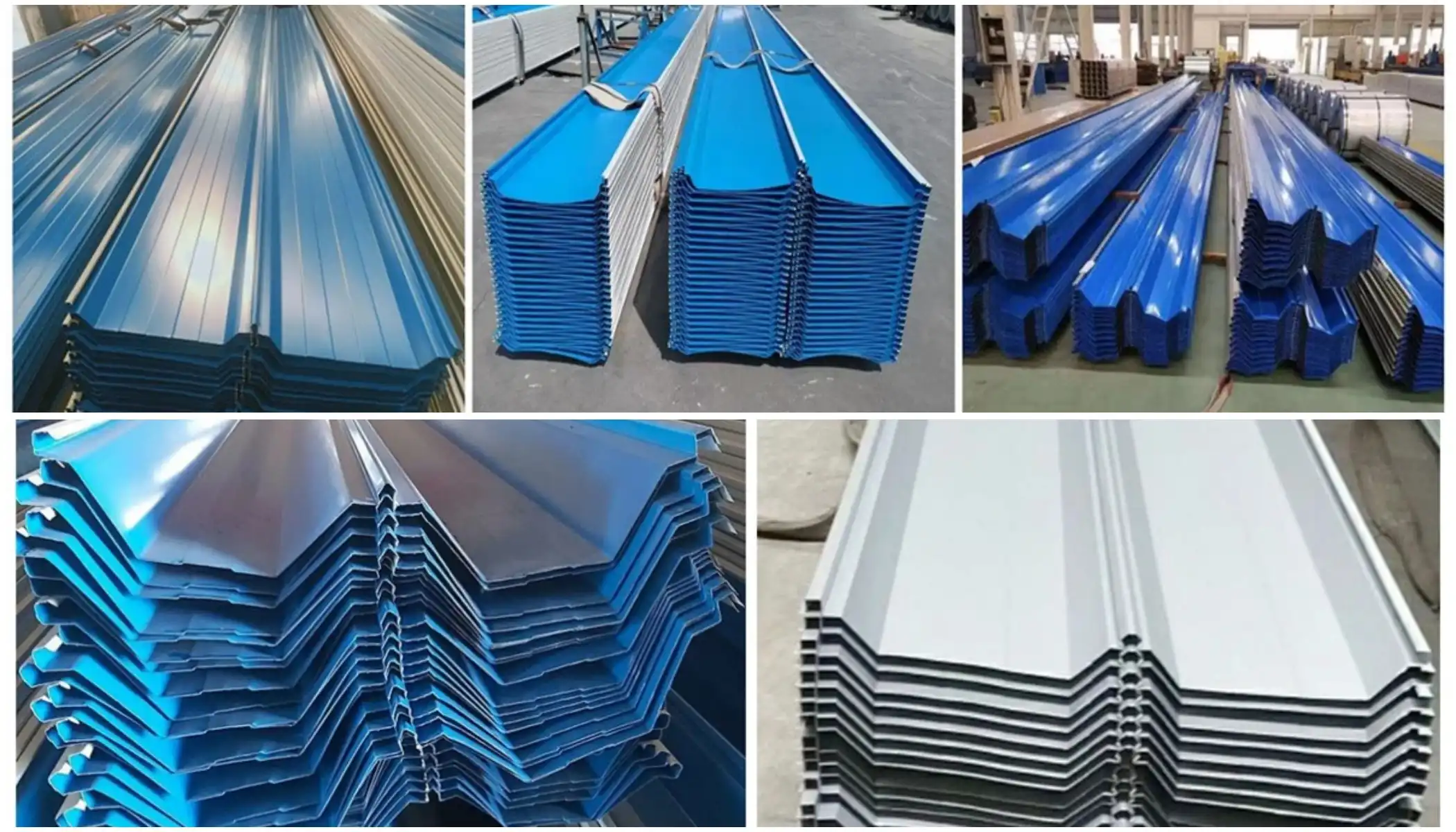
Understanding Trapezoidal Standing Seam Roofing Design and Structure
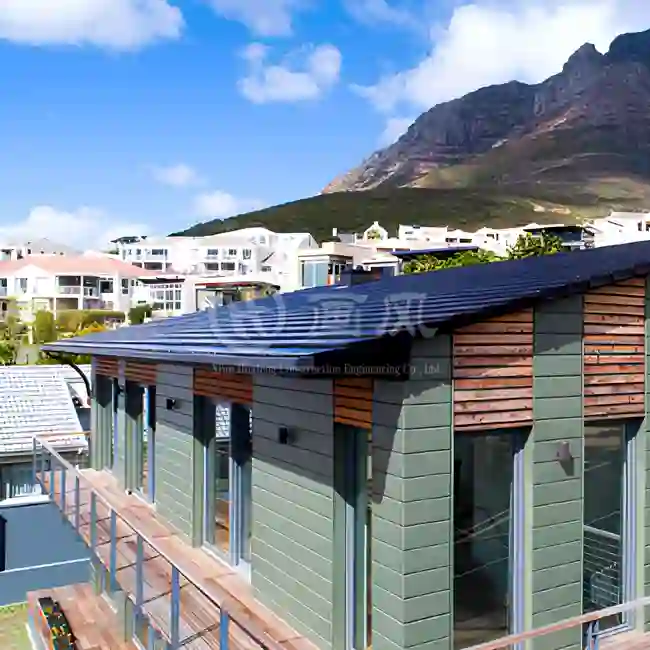
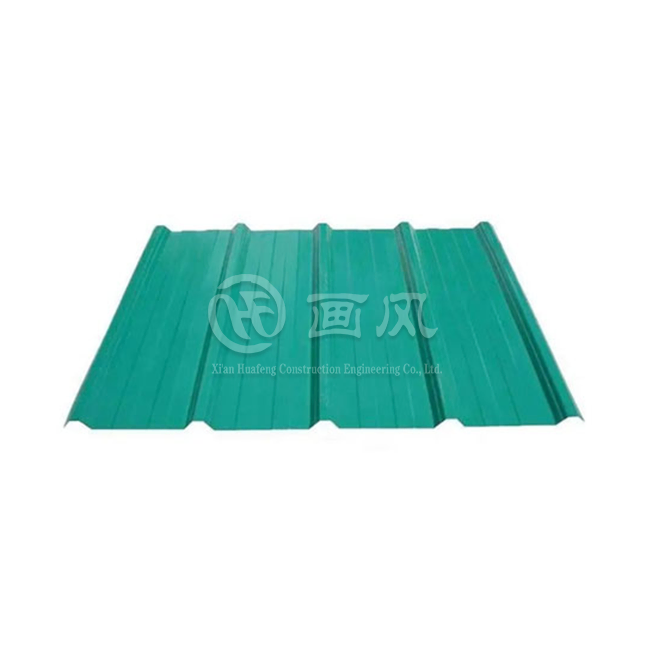
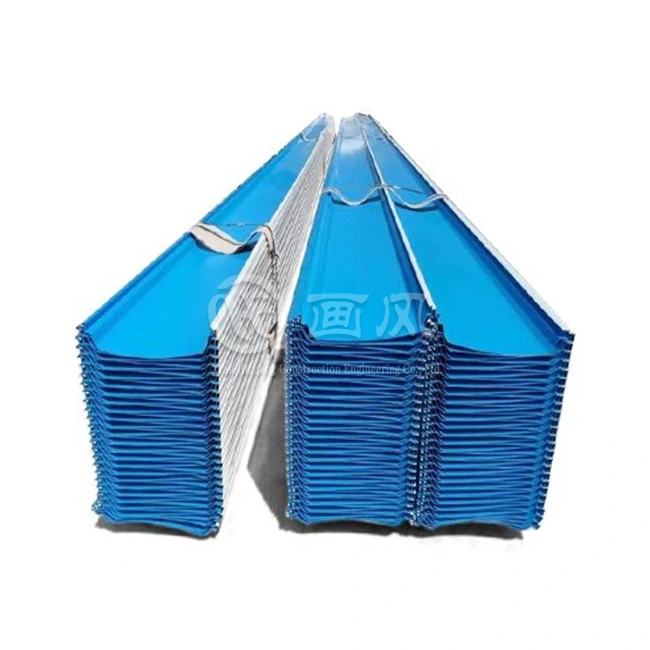
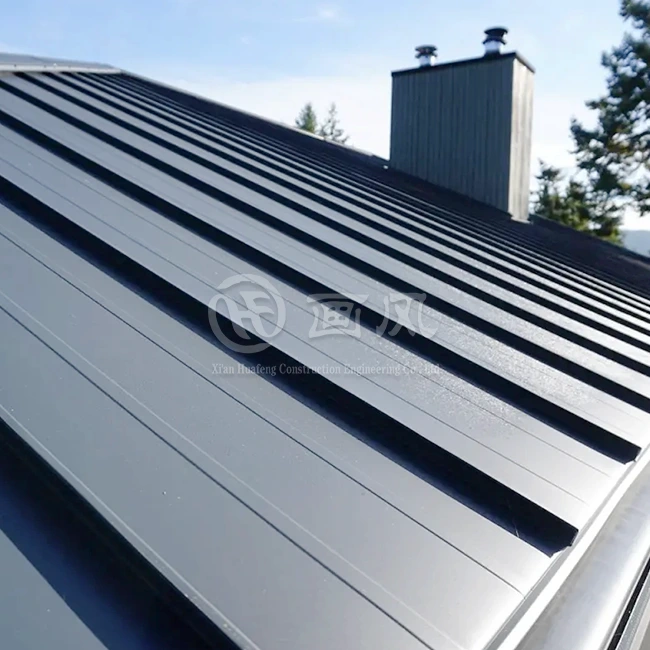
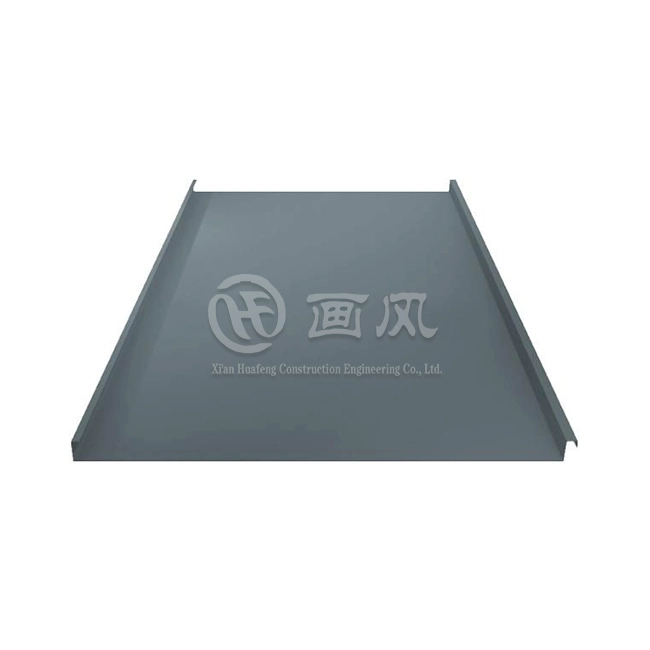
Trapezoidal Standing Seam Roofing represents a specialized metal roofing system that combines the geometric efficiency of trapezoidal ribs with the superior performance of standing seam technology. Unlike traditional corrugated profiles that feature repetitive wavy patterns, trapezoidal profiles are characterized by their distinctive four-sided shapes with a single pair of parallel sides. This geometric design creates a highly efficient strength-to-weight ratio, making these panels exceptionally cost-effective for large commercial and industrial applications. The standing seam component of Trapezoidal Standing Seam Roofing systems eliminates the need for exposed fasteners, which are common weak points in traditional roofing systems. Instead, these advanced systems utilize concealed fastening methods where metal clips secure the panels to the underlying structure without penetrating the visible surface. This design innovation significantly reduces the risk of water infiltration and extends the roof's operational lifespan. The trapezoidal leg design provides additional structural support, allowing these panels to span greater distances between support members while maintaining exceptional load-bearing capacity.
-
Material Composition and Specifications
When selecting materials for Trapezoidal Standing Seam Roofing applications, understanding the available options is crucial for project success. Premium systems typically utilize aluminum alloy compositions such as 3003, 3004, and 5052 grades, which offer excellent corrosion resistance and lightweight properties. These aluminum alloys are particularly advantageous in coastal environments or regions with high humidity levels where traditional steel roofing might deteriorate more rapidly. The material thickness typically ranges from 0.7mm to 1.2mm, with thicker gauges providing enhanced structural performance for buildings with longer spans or higher design loads. Galvanized steel and aluminum-zinc coated steel represent popular alternatives that balance performance with cost considerations. These steel-based materials receive protective coatings that dramatically increase their resistance to rust and environmental degradation. Stainless steel options, including 304 and 316 grades, offer the ultimate in durability and corrosion resistance, though they command premium pricing. The surface finish plays an equally important role, with polyester and PVDF coatings providing color retention, UV protection, and additional weather resistance. PVDF coatings, in particular, demonstrate superior performance in harsh environments, maintaining their appearance and protective properties for decades.
-
Structural Performance Characteristics
The structural advantages of Trapezoidal Standing Seam Roofing systems become apparent when examining their performance metrics. These systems routinely achieve wind resistance ratings exceeding 5.0 kPa, making them suitable for regions prone to severe weather events. The trapezoidal rib geometry inherently stiffens the panel, allowing it to resist both positive and negative wind pressures without requiring excessive material thickness. This structural efficiency translates directly into cost savings, as lighter panels reduce both material costs and structural support requirements. Load capacity represents another critical performance parameter, with quality Trapezoidal Standing Seam Roofing systems supporting loads of 1.5 kN/m² or greater. This capacity accommodates snow accumulation, maintenance personnel, and even rooftop equipment installations without compromising the roof's integrity. The panels' ability to accommodate thermal expansion represents a sophisticated design feature that prevents stress accumulation as temperatures fluctuate throughout daily and seasonal cycles. This thermal movement capability ensures that the roof system maintains its weathertight integrity across decades of service, even in climates experiencing extreme temperature variations.
Installation Methods and Technical Considerations for Trapezoidal Metal Roofing Systems
Proper installation techniques distinguish successful Trapezoidal Standing Seam Roofing projects from those plagued by performance issues. The installation process begins with careful substrate preparation, ensuring that the underlying support structure meets the necessary flatness and strength requirements. Unlike some roofing systems that require solid decking, many Trapezoidal Standing Seam Roofing configurations can be installed directly over purlins or structural members, reducing both material costs and installation time. This direct-to-structure capability makes these systems particularly attractive for large warehouses, manufacturing facilities, and distribution centers where cost efficiency is paramount. The mechanical seaming process represents the critical phase where panel edges are joined to create a continuous, watertight roof surface. Specialized seaming machines fold and compress the standing seams, creating a secure mechanical connection that requires no sealants or additional weatherproofing measures. This mechanical interlock accommodates the thermal expansion and contraction inherent in metal roofing systems while maintaining complete weather protection. Installation technicians must carefully follow manufacturer specifications regarding seam engagement, ensuring that each connection achieves the proper compression and overlap. The minimum roof slope for Trapezoidal Standing Seam Roofing typically begins at 1/4:12, though steeper slopes provide enhanced water drainage and are recommended for regions experiencing heavy precipitation.
-
Quality Control and Inspection Procedures
Implementing rigorous quality control measures throughout the Trapezoidal Standing Seam Roofing installation process ensures long-term performance and eliminates costly callbacks. Material inspection begins before panels ever reach the construction site, with incoming inspection protocols verifying that all components meet specified dimensions, material grades, and finish quality. This verification process includes checking material certifications and third-party testing reports that document the panels' physical properties and coating characteristics. Dimensional accuracy proves particularly critical, as even minor variations in panel width or seam configuration can create installation challenges and compromise the roof's weathertight integrity. On-site inspection procedures should address multiple performance criteria, including panel alignment, seam integrity, and fastener placement. Each mechanically seamed connection requires verification to ensure proper engagement and compression. Inspectors examine the roof surface for any penetrations, dents, or scratches that might compromise the protective coating or create potential leak points. The installation of trim pieces, ridge caps, and transition flashings demands particular attention, as these details often represent the most vulnerable points in the roofing system. Upon completion, comprehensive water testing validates the installation's weathertightness, identifying any deficiencies before the building becomes occupied.
-
Slope Requirements and Drainage Design
Understanding slope requirements and designing effective drainage systems represents a fundamental aspect of successful Trapezoidal Standing Seam Roofing applications. While these systems can accommodate slopes as low as 1/4:12, steeper pitches provide superior water evacuation and reduce the potential for standing water accumulation. In regions experiencing heavy rainfall or snowfall, minimum slopes of 2:12 or greater are advisable to ensure rapid drainage and prevent ice dam formation. The trapezoidal rib configuration naturally channels water toward designated drainage points, but proper system design must ensure that this water is effectively collected and conveyed away from the building. Drainage system design must account for roof area, local rainfall intensity, and the building's intended use. Commercial and industrial facilities often feature large, uninterrupted roof expanses that generate substantial water volumes during storm events. Strategic placement of roof drains, scuppers, or gutter systems ensures that this water is managed effectively without overwhelming any single drainage component. The standing seam configuration of Trapezoidal Standing Seam Roofing systems naturally prevents water from flowing under the panels, but transitions to walls, penetrations, and roof edges require careful detailing to maintain this weathertight performance across all conditions.
Maintenance Requirements and Long-Term Performance of Trapezoidal Standing Seam Roofing
Trapezoidal Standing Seam Roofing systems distinguish themselves through remarkably low maintenance requirements compared to alternative roofing solutions. The absence of exposed fasteners eliminates the single most common failure point in metal roofing systems, as there are no gaskets to deteriorate or screws to work loose over time. This design advantage translates into decades of leak-free performance with minimal intervention. However, establishing a proactive maintenance program maximizes the roof's service life and ensures that minor issues are identified and addressed before they escalate into costly repairs. Regular inspection schedules should be implemented at least twice annually, typically in spring and fall, to assess the roof's condition and identify any developing concerns. These inspections examine seam integrity, coating condition, and the presence of any debris accumulation that might trap moisture or impede drainage. The roof's surface should be cleared of leaves, branches, and other organic material that could decompose and potentially stain or damage the protective coating. In industrial environments where airborne contaminants or chemical exposures occur, more frequent cleaning and inspection intervals may be warranted to preserve the coating's protective properties and aesthetic appearance.
-
Warranty Coverage and Performance Expectations
Understanding warranty coverage and establishing realistic performance expectations helps building owners maximize their investment in Trapezoidal Standing Seam Roofing systems. Quality manufacturers typically provide comprehensive warranties spanning thirty years or more, covering both material defects and coating performance. These warranties often include provisions for finish warranties that guarantee color retention and chalk resistance, ensuring that the roof maintains its aesthetic appeal throughout its service life. The specific warranty terms vary among manufacturers, but premium systems backed by established companies provide the most comprehensive protection and the greatest likelihood of successful claim resolution should issues arise. The actual service life of properly installed and maintained Trapezoidal Standing Seam Roofing frequently extends well beyond warranty periods, with many installations providing fifty years or more of reliable performance. This longevity depends on several factors, including material selection, coating quality, environmental exposure, and maintenance practices. Buildings in benign climates with minimal pollution and low moisture exposure can expect service lives at the upper end of this range, while those in harsh coastal or industrial environments may require more frequent maintenance interventions to achieve similar longevity. The initial investment in premium materials and coatings consistently proves economically justified when evaluated across the roof's total lifecycle.
Cost Analysis and Return on Investment for Trapezoidal Metal Roofing Projects
Evaluating the economics of Trapezoidal Standing Seam Roofing requires considering both initial installation costs and long-term ownership expenses. While these systems typically command higher upfront costs compared to exposed fastener alternatives or traditional built-up roofing, their superior longevity and minimal maintenance requirements produce attractive lifecycle economics. The elimination of fastener-related maintenance and the extended service life mean that the roof requires fewer interventions over decades of operation, reducing both direct maintenance costs and the business disruption associated with roof repairs. Energy efficiency represents another significant economic consideration, as Trapezoidal Standing Seam Roofing systems with reflective coatings can dramatically reduce cooling costs in warm climates. These cool roof technologies reflect solar radiation rather than absorbing it, keeping the building interior more comfortable while reducing air conditioning demand. The magnitude of these energy savings depends on the building's location, size, and usage patterns, but can amount to thousands of dollars annually for large commercial facilities. When combined with the roof's extended service life and minimal maintenance requirements, these energy savings substantially enhance the system's overall return on investment.
-
Customization Options and Design Flexibility
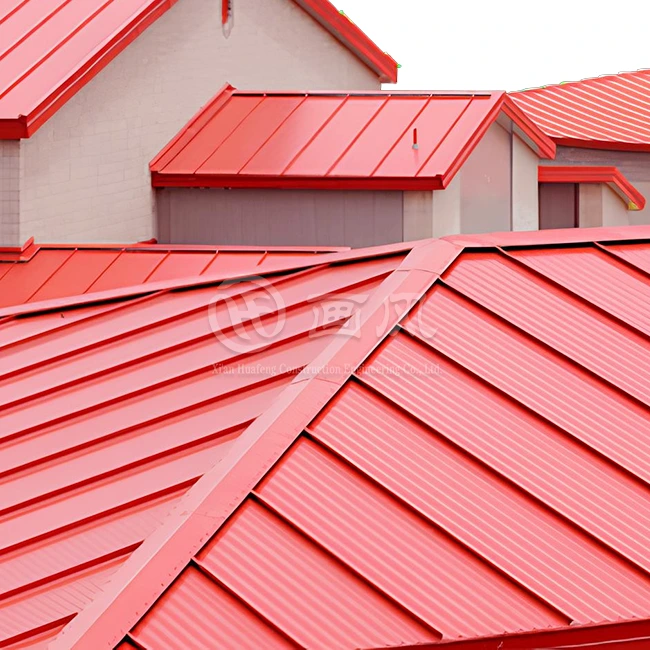
The customization capabilities available with Trapezoidal Standing Seam Roofing systems enable architects and building owners to achieve their aesthetic visions while meeting stringent performance requirements. Panel widths typically range from 300mm to 600mm, allowing designers to select proportions that complement the building's scale and architectural character. Rib heights extending from 50mm to 115mm provide varying degrees of visual prominence and structural capability, with taller ribs creating more dramatic shadow lines while offering enhanced load-bearing capacity. Panel lengths can be customized up to thirteen meters or more, minimizing the number of end laps required and creating cleaner, more streamlined roof appearances. Color selection represents perhaps the most visible customization option, with manufacturers offering extensive palettes spanning neutrals, earth tones, and bold accent colors. These finish options extend beyond simple aesthetics, as lighter colors provide superior solar reflectance while darker tones may better complement surrounding architecture or landscape features. Advanced coating technologies ensure that these colors maintain their vibrancy and resist fading even after decades of UV exposure. For projects requiring exceptional durability or distinctive appearances, specialty finishes including metallic effects, textured surfaces, or custom color matching are available, though these premium options command corresponding price premiums.
Conclusion
Trapezoidal Standing Seam Roofing delivers unmatched combination of structural efficiency, weather protection, and aesthetic versatility for commercial building applications. Its innovative design ensures decades of reliable performance with minimal maintenance intervention required.
Cooperate with Xi'an Huafeng Construction Engineering Co., Ltd.
Xi'an Huafeng Construction Engineering Co., Ltd. stands as your trusted China Trapezoidal Standing Seam Roofing manufacturer, offering comprehensive solutions from initial design through final installation. As a leading China Trapezoidal Standing Seam Roofing supplier and China Trapezoidal Standing Seam Roofing factory, we provide High Quality Trapezoidal Standing Seam Roofing backed by over twenty patents and international certifications including ISO9001, ISO14000, and SGS. Our state-of-the-art facility features seven raw material production lines and more than twenty specialized plate production machines, ensuring consistent quality and competitive Trapezoidal Standing Seam Roofing price points. Whether you need Trapezoidal Standing Seam Roofing for sale in standard configurations or require fully customized solutions, our engineering team delivers one-stop service encompassing structural analysis, material selection, precision manufacturing, and expert installation guidance. As a recognized high-tech enterprise with first-level curtain wall qualifications, we've successfully completed projects for Fortune 500 companies worldwide. Contact us today at huafeng@hfmetalroof.com to discuss your project requirements and experience why discerning clients choose us as their preferred China Trapezoidal Standing Seam Roofing wholesale partner. Save this page for easy reference whenever roofing questions arise.
References
1. Metal Roofing Alliance. Standing Seam Metal Roofing Systems: Design and Installation Guidelines. Technical Publication Series, 2023.
2. Johnson, Robert M. Structural Performance of Trapezoidal Metal Roof Profiles in Commercial Applications. Journal of Building Engineering and Construction Materials, 2024.
3. American Society of Civil Engineers. Minimum Design Loads and Associated Criteria for Buildings and Metal Roof Systems. ASCE Standards Committee on Metal Building Systems, 2022.
4. Peterson, Linda K. and Martinez, Carlos R. Lifecycle Cost Analysis of Commercial Metal Roofing Systems: A Comparative Study. Building Economics Quarterly, 2023.





YOU MAY LIKE