The Most Trusted Suppliers for Snap Lock Standing Seam Roofs
2026-05-29 19:04:06
Snap lock standing seam roof systems are always the best option when building companies and business developers are looking for roofing options that strike a balance between ease of installation and durability. These high-tech metal roofing panels have a hidden fastener design where male and female legs snap together firmly. This gets rid of the need for visible screws that can damage the waterproofing. Traditional mechanical seam systems need special rolling tools to put together, but snap-lock standing seam roof profiles can be put together quickly in the field while still meeting the needs of current commercial projects for architectural beauty and structural strength.
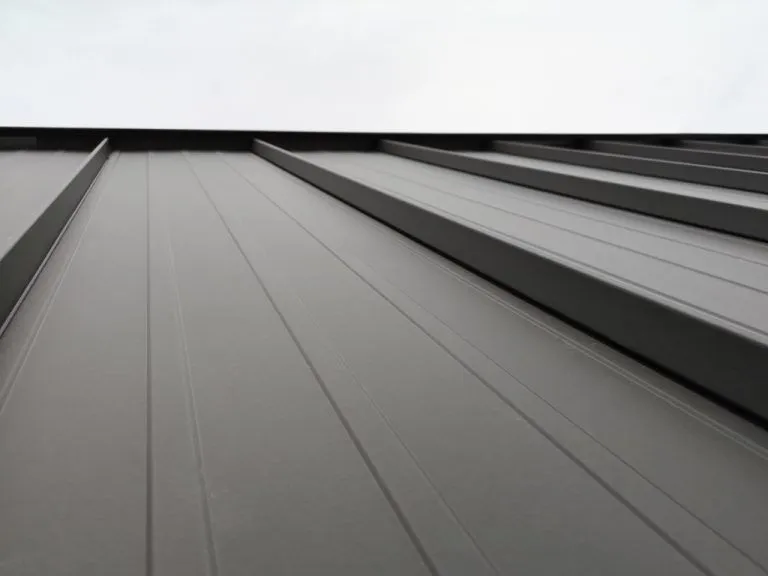
Understanding Snap Lock Standing Seam Roofs and Market Requirements
Metal roofing technology has changed a lot to help workers deal with the problems they face when they have to do large-scale repairs. The snap lock standing seam roof system is a major innovation because it makes assembly easy and gives the product strong weather protection that works in all of the United States' climates.
How Snap Lock Systems Function
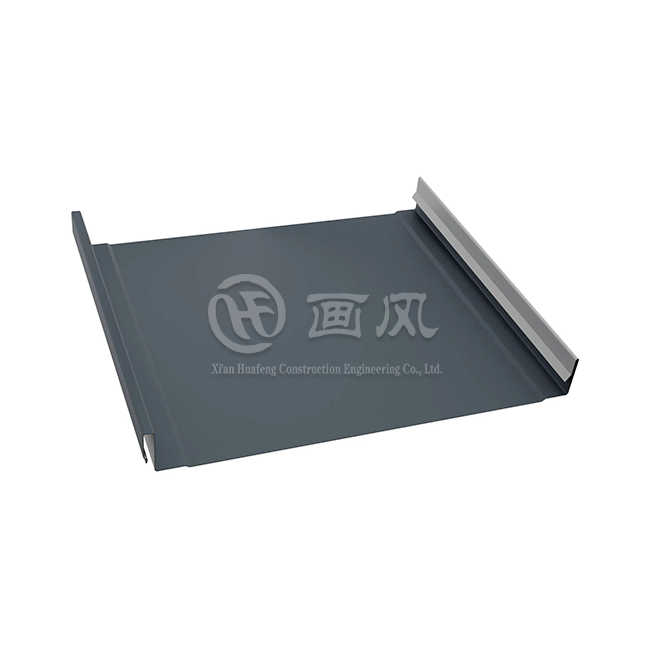
The tech behind these roof panels is based on edges that are precisely cut so that they can be mechanically attached without any tools. Each panel has a vertical seam that snaps into place when pressure is applied. The panels are attached to the roof deck with hidden clips. This moving panel design naturally adapts to temperature expansion, which stops the oil canning and fastener wear that happen with screw-down systems. When it comes to quality goods like HF's, the normal seam height of 45 mm lets water run off of slopes as low as 1:12. However, for better drainage in most industrial settings, steeper pitches are better.
Distinguishing System Variants
A lot of the time, procurement managers look at more than one standing seam category. For mechanical lock systems to work, seaming machines must be brought to the job site to fold the panel sides 90 or 180 degrees. These systems offer better wind uplift ratings, but they require skilled workers and take longer to install. Similar to snap lock standing seam roof systems, clip lock options can be put together without tools, but they usually lose some structural strength. The snap lock standing seam roof design is the best choice for jobs that need to be completed quickly without sacrificing weather performance. It improves installation efficiency by 30 to 50 percent compared to mechanically seamed options.
Current Market Expectations
Three main needs are what today's B2B buyers stress. Customers expect panels to be made to exact lengths—up to 13 meters in a single piece—so that there are as few horizontal lines as possible. Customization is now a must. Material clearances that meet ASTM, DIN, JIS, and GB/T standards show that the product meets the requirements for project approval and insurance. A guarantee that covers the integrity of the substrate for 30 years and the performance of the finish for 20 years or more is no longer seen as an extravagance, but as something that should be expected. This is because lifetime cost analysis is what drives buying decisions.
Criteria for Choosing the Most Trusted Snap Lock Standing Seam Roof Suppliers
There's more to choosing a factory partner than just looking at price sheets. Because business roofing projects are so complicated, they need snap lock standing seam roof suppliers who can deliver uniform quality on a large scale and offer expert help throughout the lifecycle of the project.
Product Quality and Material Standards
Material composition plays a major role in determining roof durability and long-term performance. Galvalume steel containing aluminum, zinc, and silicon offers excellent corrosion resistance and can last 30–50 years under normal conditions. Aluminum panels are lightweight, fully recyclable, and especially suitable for coastal environments exposed to salt spray. Thickness options between 0.5mm and 1.2mm allow engineers to balance structural strength and project costs. For snap lock standing seam roof systems, PVDF coatings provide excellent color retention and UV resistance, while PE coatings offer economical protection for projects in milder climates and environments.
Manufacturing Capacity and Certification Credentials
Strong manufacturing capacity ensures reliable delivery schedules for commercial roofing projects. Suppliers operating multiple factories with advanced coating, punching, and shearing equipment can efficiently manage large orders without causing delays. HF operates several production plants with numerous production lines and specialized machines capable of producing large monthly volumes within standard 15–20 day delivery periods. Certifications such as ISO9001, ISO14001, and SGS testing demonstrate disciplined manufacturing and verified product quality. Companies holding multiple snap lock standing seam roof patents also show long-term investment in technical innovation rather than only mass production capabilities.
Pricing Transparency and Logistics Capabilities
Reliable suppliers provide transparent pricing structures that clearly explain costs beyond price per square meter. Minimum order quantities, volume discounts, and additional charges for premium materials such as copper, titanium zinc, or stainless steel should all be defined in advance to avoid unexpected expenses. Experienced snap lock standing seam roof suppliers also simplify global logistics by arranging container transportation, preparing customs documentation, and coordinating with freight forwarders. Flexible custom color matching according to RAL standards or special project palettes further improves project adaptability while maintaining reasonable production and delivery schedules for contractors worldwide.
HF: Leading the Standard in Snap Lock Standing Seam Manufacturing
Since 2018, Xi'an Huafeng Construction Engineering Co., Ltd. has become the best place to get commercial-grade snap lock standing seam roof systems. Vertical integration means that the business makes everything from raw materials to installation support. This gives clients a single point of responsibility that isn't common in this industry.
Manufacturing Excellence and Technical Innovation
HF’s 200,000-square-meter manufacturing base in Anhui produces raw materials that are further processed in Hangzhou and Xi'an facilities, ensuring strict quality control from steel coil to finished panel production. Multiple finishing, laminating, and shearing lines support customized production for projects of different scales and specifications. The company’s recognition as a high-tech enterprise in Shaanxi Province reflects its commitment to continuous innovation. Besides snap lock standing seam roof manufacturing, HF also holds professional qualifications for curtain wall and steel structure engineering, allowing it to provide complete building envelope solutions for commercial construction projects.
Comprehensive Product Range
HF supplies a wide selection of metal roofing materials suitable for different environmental and climate conditions. Available substrates include aluminum alloy, galvanized steel, stainless steel, copper, and titanium zinc, offering flexibility for projects ranging from coastal developments to desert facilities. Standard seam heights and thickness options between 0.5 mm and 1.2 mm help engineers optimize structural performance. HF also provides integrated accessories including clips, fasteners, trim components, and sealants. This complete snap lock standing seam roof system reduces compatibility issues, simplifies procurement management, shortens installation timelines, and improves long-term warranty reliability for contractors and building owners.
Warranty Assurance and After-Sales Support
HF provides a 30-year warranty that reflects confidence in material durability and manufacturing quality. The warranty covers structural stability and substrate protection while additional finish guarantees help prevent premature fading and chalking. Long-term technical support continues after product delivery through installation guidance, troubleshooting assistance, and retrofit planning services. These services help contractors solve field installation challenges while assisting building owners with future expansion or renovation projects. Comprehensive after-sales support strengthens the overall value of snap lock standing seam roof systems by protecting both building appearance and long-term operational performance over many years.
Snap Lock Standing Seam Roof Procurement Process: From Inquiry to Delivery
For material purchase to work well, there needs to be a structured process that keeps delays and misunderstandings between procurement teams and snap lock standing seam roof sellers to a minimum.
Initial Inquiry and Specification Development
Effective projects begin with detailed specification planning that includes roof dimensions, pitch, environmental loads, substrate preferences, color selections, and project timelines. Providing architectural drawings or BIM models allows suppliers to generate accurate quotations and identify possible installation concerns early in the process. HF’s technical team reviews inquiries quickly and recommends material solutions that balance structural performance with budget requirements. This consultative approach often identifies cost-saving opportunities such as optimized panel dimensions or alternative material thicknesses. Careful planning during the early stages improves procurement efficiency for snap lock standing seam roof projects and reduces construction complications later.
Custom Panel Engineering and Quote Negotiation
Custom panel engineering reduces horizontal seams, improves appearance, and lowers potential leak risks for commercial roofing systems. While panels can often reach lengths up to 13 meters, transportation limitations may require shorter sections for easier handling. Special color customization outside standard RAL systems usually requires additional approval time but helps maintain brand consistency for commercial buildings. During procurement negotiations, buyers should discuss payment schedules, delivery timing, and material reservation agreements. Understanding minimum order requirements and volume discount policies allows procurement teams to manage snap lock standing seam roof purchases more efficiently while controlling overall project costs.
Coordination with Installation Partners
Although suppliers provide installation guidance, experienced contractors remain essential for proper roof system performance. Roof decks must maintain acceptable flatness tolerances to prevent panel distortion during installation. Correct clip spacing according to engineering standards helps maintain wind uplift resistance and long-term structural reliability. Full seam engagement along every panel length is also necessary to prevent future leakage or performance issues. Suppliers maintaining networks of qualified roofing contractors provide additional value by helping clients identify reliable installation teams. This support is especially beneficial for companies managing snap lock standing seam roof projects in unfamiliar regions or international markets.
Global Shipping and Delivery Management
International roofing projects involve complex logistics including export documentation, customs clearance, import duties, and freight coordination. Experienced suppliers simplify these procedures by preparing commercial invoices, packing lists, and transportation arrangements that meet destination country requirements. Proper container packaging with suitable blocking and bracing helps prevent panel damage during shipment. Standard delivery schedules for snap lock standing seam roof systems generally range between 15 and 20 days after order confirmation, although urgent projects may receive accelerated production support. Including contingency time within project schedules helps minimize risks related to customs delays or adverse weather conditions.
Maintaining and Optimizing Your Snap Lock Standing Seam Roof Investment
Proper care protects the large capital investment that business snap lock standing seam roof installation represents by extending the system's useful life and keeping the building's good looks.
Routine Inspection Protocols
Annual roof inspections help identify early signs of wear before significant damage develops. Inspectors should verify seam engagement, clip stability, and fastener performance to ensure the roofing system remains structurally secure after repeated thermal movement. Sealants surrounding rooftop penetrations such as vents, skylights, and HVAC equipment also require close monitoring because these areas often deteriorate faster than the panels themselves. Routine cleaning every six months removes leaves, dirt, and organic debris that may trap moisture and accelerate corrosion. Proper maintenance practices help extend the lifespan of snap lock standing seam roof systems while preserving their appearance and waterproofing performance.
Addressing Common Issues Proactively
Oil canning may create visible waviness on flat metal panels, although it generally affects appearance more than structural integrity. Floating snap lock standing seam roof systems naturally reduce this issue, while thicker substrates and narrower panel widths can further minimize visual distortion. Retrofit stiffening ribs may also improve existing systems experiencing severe oil canning. Hidden clip systems sometimes experience fastener back-out when installation torque is insufficient, making periodic inspection and retightening important during early service years. Using corrosion-resistant stainless steel or zinc-alloy fasteners helps prevent galvanic reactions and improves long-term connection durability under varying environmental conditions.
Strategic Upgrades for Enhanced Performance
Roof upgrades can improve energy efficiency, sustainability performance, and long-term building value. Reflective coating systems increase solar reflectance, reduce cooling demands, and may qualify buildings for utility incentives or energy rebates. Solar mounting systems can also be integrated using clamp-based attachments that preserve snap lock standing seam roof integrity without panel penetration. Sustainability improvements such as recycled-content materials and enhanced thermal insulation contribute toward LEED certification and improve market competitiveness for commercial properties. Suppliers providing environmental product declarations and material health documentation support green building initiatives while helping owners achieve stronger environmental and operational performance standards.
Conclusion
To find reliable snap lock standing seam roof providers, you need to look at their manufacturing capacity, technical know-how, material quality, and dedication to customer service. These qualities are shown by HF, which has three factories that are all connected vertically, a wide range of certifications such as ISO9001 and high-tech company recognition, and a 30-year guarantee that is backed by proven material science. The company can deliver 1,000 tons a month with lead times of 15 to 20 days, which helps commercial projects stay on schedule. They can also make the substrates from aluminum alloy to titanium zinc, change the thickness from 0.5 mm to 1.2 mm, and match any color. This makes sure that the specifications are met. Partnering with makers that show this mix of scale, quality systems, and client support infrastructure is good for procurement pros.
FAQ
1. What distinguishes snap lock from mechanical lock standing seam systems?
Snap lock standing seam roof panels fit together by applying vertical pressure, so you don't need any special tools for seaming. This makes installation 30–50% faster than with mechanical lock systems, which need rolling machines to fold the panel edges on-site. Mechanical lock designs work better against wind lifting and can handle roof slopes as low as 1:12, which makes them better for areas with extreme weather. Snap lock standing seam roof systems work great in business settings that value speed of installation on modest slopes, where their concealed fastener design provides excellent weather protection with a lot less labor cost.
2. How quickly can suppliers fulfill bulk orders for large commercial projects?
Lead times are based on the number of orders and the level of customization. Standard panel configurations in stock colors ship in 10 to 12 days. Custom length production and unique color matching take 15 to 20 days longer. Manufacturers like HF, which can produce 1,000 tons of steel every month, can handle multi-building projects without any major delays. However, sharing schedules during the initial question stage helps with planning production so that it fits in with construction goals. If you talk about it ahead of time, expedited handling can meet your immediate needs, but it usually comes with a cost increase of 15-20%.
3. What post-installation support should buyers expect from quality suppliers?
Comprehensive providers offer installation instructions, paperwork, help with registering the warranty, and expert support throughout the coverage term. HF provides continued advice on the best ways to maintain buildings, plans for retrofitting when buildings get bigger, and helps find replacement parts for fixes that happen decades after the original installation. As building managers change and traditional knowledge fades, this continuity is useful because suppliers keep records of projects that make it easier to get service in the future.
Partner with HF for Your Next Snap Lock Standing Seam Roof Project
Choosing the right snap lock standing seam roof provider for a commercial roof is very important for the project's success because the choice will affect the building's performance for decades. As a provider of snap lock standing seam roof systems, HF has a history of producing high-quality products. With three production facilities and more than 40 specialized machines, they can offer consistent quality on a large scale. Our PVDF and PE coating choices, substrate options ranging from aluminum alloy to stainless steel, and width ranges from 0.5mm to 1.2mm give business projects the flexibility they need. We help procurement teams meet tight deadlines without sacrificing quality by offering a 30-year guarantee, ISO9001 certification, and shipping times of 15 to 20 days. Get in touch with our technical experts at huafeng@hfmetalroof.com to talk about your project needs and get detailed specifications that meet your performance criteria. You can also find out how our turnkey approach—from precision-engineered panels to installation partner recommendations—saves you time and money on commercial roofing purchases while protecting your assets for the long term.
References
1. Metal Construction Association (2021). Guidelines for Snap Lock Standing Seam Roof Systems: Design, Installation and Performance Standards. Glenview: MCA Publications.
2. National Roofing Contractors Association (2020). The NRCA Roofing Manual: Metal Panel and SPF Roof Systems. Rosemont: NRCA Technical Services.
3. Revie, R.W. & Uhlig, H.H. (2018). Corrosion and Corrosion Control: An Introduction to Corrosion Science and Engineering (4th ed.). Hoboken: John Wiley & Sons.
4. Architectural Sheet Metal Institute (2019). Commercial Metal Roofing: Technical Standards for Material Selection and Lifecycle Performance. Los Angeles: ASMI Technical Committee.
5. Green Building Initiative (2022). Metal Roofing Systems and Sustainable Construction: Contribution to LEED and Green Globes Certification. Portland: GBI Research Division.
6. European Coil Coating Association (2020). PVDF Coatings for Architectural Metal: Weathering Performance and Durability Testing Protocols. Brussels: ECCA Technical Standards Group.





YOU MAY LIKE
_1783936484206.webp "Inside locking metal aluminum cladding panel")
(1)_1763110678300.webp "standing seam metal roof panels")