Top Reasons to Choose Snap Lock Standing Seam Roofing in 2026
2026-05-29 19:04:07
The snap lock standing seam roof is a huge step forward in business and industrial roofing systems because it can be put on quickly and has been shown to last for a long time. As procurement professionals and building leaders look at roofing options, this hidden fastener system meets important project needs like streamlining work processes, making structures more weatherproof, and meeting changing sustainability standards. Because they are hydrokinetic and can handle thermal expansion, these systems work best for big projects where lifetime cost efficiency has a direct effect on daily budgets.
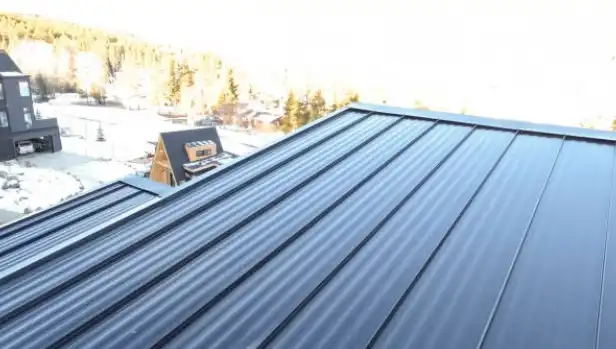
What Is Snap Lock Standing Seam Roofing and How Does It Work?
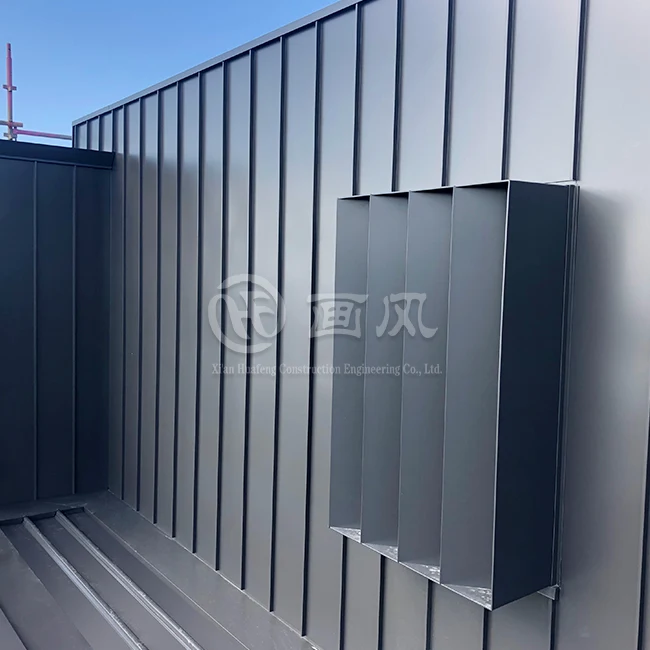
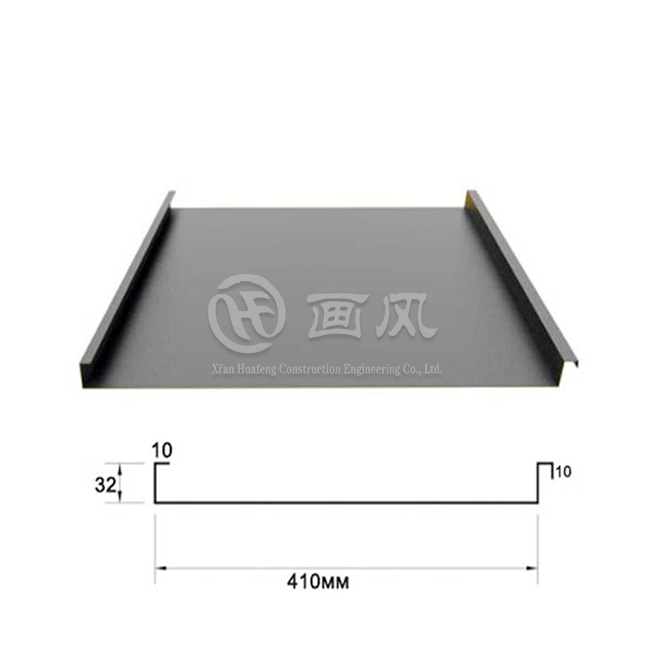
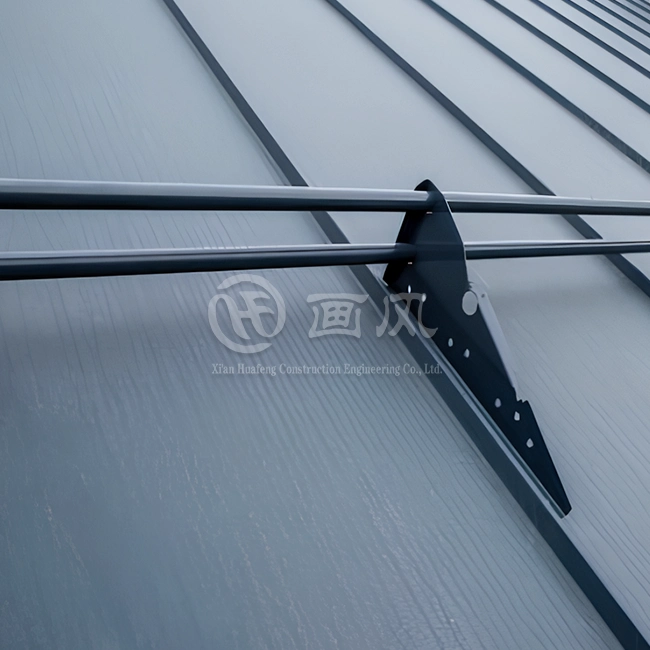
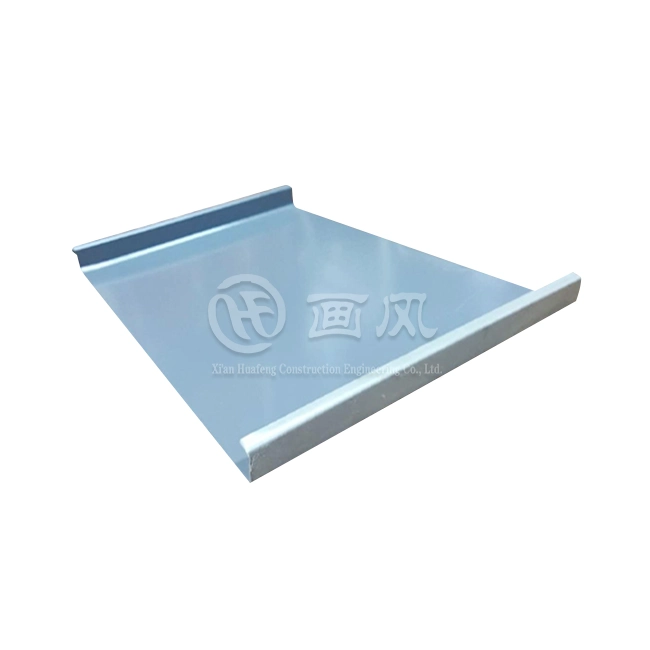
The snap-lock standing seam roof with snap-together technology is different from mechanically seamed options because it doesn't need field seaming tools. Vertical panels with male and female legs that connect through manual or pneumatic downward pressure are used in the device. This method of hidden fasteners uses special clips that are attached to the roof deck. This lets the panels float freely and adjust to changes in temperature without putting stress on the fasteners.
Core Panel Components and Materials
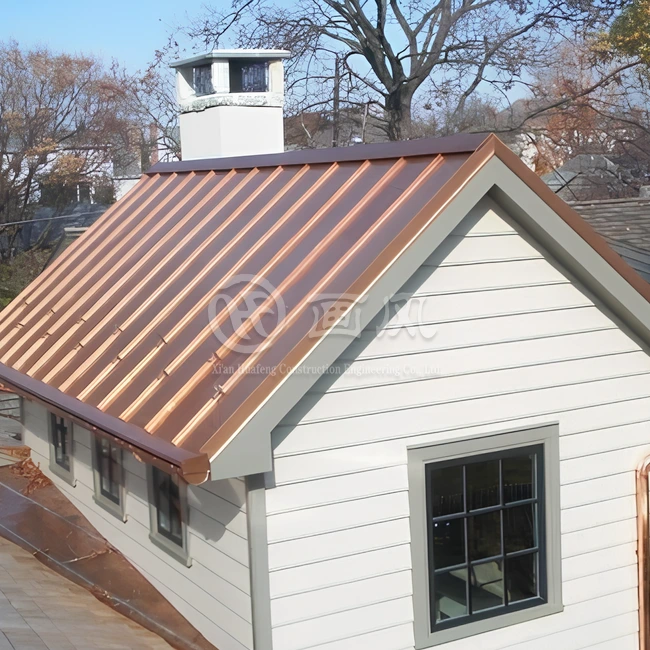
HF makes standing seam panels with thicknesses between 0.5mm and 1.2mm using Galvalume steel, aluminum alloy, stainless steel, copper, titanium zinc, and copper. The 45mm seam height lets a lot of water flow through, which is important for roofs with minimum slopes of 3:12. Panels can be up to 13 meters long in a single run, which cuts down on horizontal lines that weaken the weatherproofing. Surface finishes include PVDF coatings, which are better at blocking UV rays and keeping their color for more than twenty years, and PE coatings, which are cheaper and better for milder temperatures.
Installation Mechanics That Reduce Labor Costs
In contrast to double-lock mechanical systems, which need trained workers and seaming machines, the snap-lock mechanism doesn't need any special roll-forming tools to be in place. Installers put the panels in place, make sure the male leg fits into the female receiver, and then put a lot of downward pressure on it to fully connect it. The distance between clips is usually between 12 and 24 inches on center, and is based on the wind uplift estimates for each job. When compared to field-seamed profiles, this simplified process cuts installation time by thirty to fifty percent. This directly lowers labor costs on business projects with tight deadlines.
Top 5 Benefits of Snap Lock Standing Seam Roofing for B2B Buyers
When procurement teams look at roofing assets, they give more weight to systems that provide measurable business benefits throughout the lifecycle of the building. The snap-lock standing seam roof with snap-together assembly meets a lot of performance requirements at once, which makes it a smart choice for builders and property owners who need to keep track of requirements across a whole portfolio.
Exceptional Durability Across Diverse Climates
Extreme weather quickly degrades asphalt and basic sheet roofing, while metal systems deliver superior resilience. Properly installed, HF panels resist winds exceeding 216 km/h and comply with EN 15601 uplift standards. Galvalume substrates (55% aluminum, 43.4% zinc, 1.6% silicon) provide significantly higher corrosion protection than galvanized steel. Coastal projects benefit from aluminum alloys, while 304/316L stainless steel suits industrial environments. A 30-year substrate warranty supports long-term reliability. Overall, the snap lock standing seam roof reduces replacement frequency and stabilizes maintenance budgets across diverse climates.
Accelerated Project Timelines Through Fast Installation
Tight construction schedules demand rapid dry-in to protect interiors and coordinate trades. Snap-lock assembly enables crews to achieve installation efficiency within a short learning curve, avoiding specialized seaming equipment. Panels arrive factory-finished from multiple production lines, eliminating on-site processing. The concealed fastener system improves thermal performance and enhances visual consistency. Modular installation allows phased project execution, enabling sections to become weatherproof quickly. These advantages make the snap lock standing seam roof ideal for projects requiring speed, efficiency, and minimal disruption to ongoing construction workflows.
Sustainability Credentials That Support Green Building Goals
Metal roofing aligns strongly with green building standards and lifecycle sustainability goals. HF systems are fully recyclable, reducing landfill waste while retaining material value. PVDF coatings reflect solar radiation, lowering cooling demand and contributing to energy efficiency credits. Lightweight aluminum reduces structural load, potentially lowering foundation requirements in new builds. Long service life—often exceeding 50 years—reduces resource consumption tied to replacement cycles. These factors position the snap lock standing seam roof as a key contributor to ESG targets, LEED certification efforts, and environmentally responsible construction strategies.
Design Versatility for Architectural Requirements
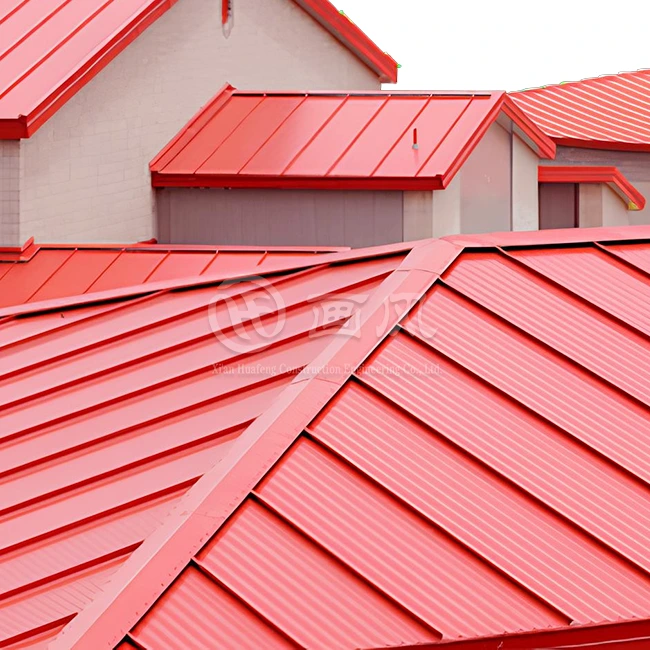
Commercial roofing must balance performance with architectural flexibility. HF offers full RAL and custom color matching to maintain brand consistency across projects. Panel widths from 300mm to 600mm support varied roof scales, while vertical seam lines complement modern design aesthetics. The system integrates seamlessly with photovoltaic mounting solutions without roof penetrations, preserving waterproof integrity. Lightweight construction also enables retrofit installations over existing structures, reducing demolition costs. This adaptability makes the snap lock standing seam roof suitable for diverse commercial, industrial, and renovation applications.
Simplified Maintenance and Predictable Lifecycle Costs
Facility managers prioritize systems with low maintenance and predictable expenses. The hidden fastener design prevents exposure-related failures common in screw-down roofs. Routine care involves periodic inspections and debris removal, manageable by general maintenance teams. Durable PVDF finishes resist fading and chalking, eliminating repainting needs. If damage occurs, individual panels can be replaced without affecting adjacent sections, minimizing operational disruption. These efficiencies ensure the snap lock standing seam roof delivers stable lifecycle costs and reduced long-term maintenance burdens for multi-site property portfolios.
Snap Lock Standing Seam Roof vs. Other Roofing Systems: A Comparative Analysis
By knowing how different roofing technologies work, you can make data-driven choices about what to buy that are in line with your project's needs and your budget. The snap-lock standing seam roof provides unique efficiencies compared to alternatives.
Installation Efficiency Comparison
Hidden fastener systems with snap-lock profiles may be installed quickest since workers don't require special equipment or licenses. Mechanical lock methods need portable seamers to swivel panel ends 90 or 180 degrees. This demands competent operators and equipment rental fees. Although simple to install, traditional visible bolt panels don't look as beautiful or keep out the weather as effectively. When the project is beyond 10,000 square metres, labour expenses fluctuate significantly. Snap-lock systems take weeks less than manually seamed solutions to install.
Structural Load and Performance Metrics
Metal roofs reduce frame dead weight compared to concrete tile, clay, or slate roofs. HF's 0.7mm metal pieces weigh 2.4 kilogram per square metre, whereas concrete tile weighs 45–60 kg. This difference allows lighter structural sections in new structures or roof replacement on existing buildings without strengthening the framework. Wind uplift resistance relies on clip spacing and panel fit. Snap-lock systems get Class 90 UL 580 ratings for most corporate usage when properly installed. Mechanical lock systems with double-folded seams provide somewhat superior lifting resistance, making them preferable for hurricane-prone coastal locations that require Miami-Dade NOA clearance.
Warranty Terms and Lifecycle Economics
HF provides the same 30-year substrate perforation and coating stability guarantee as the industry leaders. Mechanical and snap-lock warranties are similar when installed per manufacturer's directions. Due to seal deterioration concerns, exposed fastener systems have shorter warranties. Maintenance frequency, energy efficiency, and replacement requirements must be included in the total cost of ownership assessment. Over 50 years, a standing seam system that doesn't require major repairs has a greater return on investment (ROI) than membrane roofing, which costs more per square metre but has to be replaced twice or three times.
Procurement Insights: How to Source Quality Snap Lock Standing Seam Roof Panels in 2026
When you do strategic sourcing, you have to look at more than just price per unit when judging a source. This is especially true for products that are expected to last for decades. The snap lock standing seam roof procurement process requires careful evaluation of technical specs beyond unit pricing.
Manufacturer Credentials and Production Capacity
HF has three plants with over forty processing instruments and seven colour finishing lines that can produce 1,000 tonnes of items each month. This magnitude ensures materials are accessible for large projects and staged alterations. ISO9001 quality management and ISO14001 environmental certifications demonstrate the company's process control and environmental concern. Patents for innovative roofing systems demonstrate technological advancement and intellectual property protection. The goods should fulfil regional criteria before buying. HF products fulfil ASTM, DIN, JIS, BS, and GB/T standards, making international approvals easy.
Customization Capabilities and Lead Times
Business projects may need out-of-stock colours, lengths, or substrate combinations. HF accepts 500 square metres or one tonne custom orders, making them convenient for medium-sized assignments. When ordering materials during design development, standard delivery dates of 15–20 days following order confirmation assist keep construction plans on schedule. Speeding orders may cost, but they provide speedy jobs. Reputable merchants usually need samples before complete purchases. This checks coating quality and colour to architectural specifications.
Pricing Structure and Payment Terms
At 5,000, 10,000, and 25,000 square metres, bulk pricing saves 8% to 15% off the minimum purchase price. Substrate choice greatly affects cost. Aluminium plates cost more than Galvalume steel, while copper and titanium zinc are reserved for high-profile applications. PVDF coatings cost 15–25% more than PE-coated counterparts but last longer. Procurement staff should negotiate cash-flow-friendly payment conditions. Established clients usually have net 30 or net 60 terms, and major purchases are paid in installments depending on delivery targets.
Maintenance Tips and Common Issues to Avoid with Snap Lock Standing Seam Roofing
Proactive maintenance plans keep systems running smoothly and stop small problems from getting worse and needing expensive fixes by specialists. Maintaining a snap-lock standing seam roof is straightforward with the right semi-annual schedule.
Inspection Protocols and Frequency
Inspections that happen every six months, after harsh weather seasons, find new problems before they damage the weatherproofing. Inspectors should check that seams are engaged along the lengths of panels and look for split that could be caused by heat stress or bad fitting at the start. Checking the soundness of fasteners is important because clips that are exposed to uplift forces may come free over time, especially if the screws used in the installation were the wrong type or the embedment depth wasn't deep enough. Pay close attention to the valley and gutter areas because a buildup of refuse makes it harder for water to drain and creates standing water that speeds up rusting even on coated surfaces.
Preventive Measures That Extend Service Life
Protective coats that are put on every five years in tough industrial settings get rid of airborne contaminants before they can damage plant finishes. Coastal installations should be rinsed with fresh water every three months to get rid of salt layers that speed up rust on cut edges and fastener sites. Facility managers should not let people walk on areas that aren't marked walking pads because heavy loads on unstable panel sections can cause oil canning, which is a noticeable wave-like pattern that forms from stress deformation. Keeping the attic well-ventilated stops condensation from forming on the undersides of panels, which is a source of moisture that weakens insulation and speeds up the rusting of fasteners in cold areas.
Addressing Common Installation Defects
The most common assembly mistake is an incomplete seam engagement, which can happen when there isn't enough downward force when the panels are joined or when debris gets into the female leg. This flaw lowers the barrier to wind lifting and lets water in during wind-driven rain events. Substrate planarity problems, which are usually caused by not enough decking or purlin spacing, show up as wavy panels that can't be fixed after installation without taking the whole thing apart. When you use non-code-compliant bolts or clip space that is too close together, you create weak spots that can be damaged by uplift. Buyers should make sure that the installation is done by qualified professionals who know how to follow the manufacturer's instructions. They should also make sure that the installation plans are reviewed by engineers before the building starts.
Conclusion
In 2026, B2B buying workers in charge of business, industrial, and educational building projects will find snap lock standing seam roof systems to be very useful. Multiple choice factors are met at the same time by the faster installation, proven durability across temperature zones, and alignment with environmental goals. HF can manufacture in three facilities, each with a large monthly capacity and a wide range of materials. This makes the company a trusted partner for projects involving single buildings or portfolio applications across multiple sites. The thirty-year warranty and the fact that it meets foreign standards reduce risk, which is important for long-term building projects. When procurement teams put lifetime value ahead of lowest initial cost, they will find that standing seam metal roofing systems provide real operating benefits over many years of use.
FAQ
1. What minimum roof slope works with snap lock systems?
For snap lock standing seam roofs to properly shed water, the pitch must be at least 3:12, which is about 14 degrees. When it rains or melts snow for a long time, capillary action can pull water through seams in installations on lower slopes. For projects with slopes between 1:12 and 3:12, you should think about mechanical lock systems with fully sealed seams or membrane roofing options made for low-slope uses.
2. How do thermal expansion characteristics affect panel length?
Metal surfaces get bigger and smaller as the temperature changes. For example, steel expands by 12×10⁻⁶ per degree Celsius and aluminum by 23×10⁻⁶ per degree Celsius. This movement can be handled by the moving clip system without putting stress on the fasteners or breaking the panel. Extreme areas with temperature changes of more than 50 degrees Celsius between summer and winter may need expansion joints for panels longer than 12 meters.
3. Can snap-lock panels be installed on roofs that are already there?
When installing a new roof over an old one, the structure needs to be checked to make sure it can handle the load and the deck is level. Because metal panels, especially aluminum ones, are light, they can often be installed over one layer of existing roofs, saving money on the cost of tearing it off. To keep finished installations from showing oil canning, the preparation of the substrate must be flat within 6mm over 3 meters.
Partner with HF for Your Next Commercial Roofing Project
A snap lock standing seam roof seller with proven technical skills and quick project help is needed to get through the complicated process of buying a lot of roofs. HF has been specializing in metal roofs for twenty years and has state-of-the-art factories that can handle orders of more than 1,000 tons per month while still meeting high quality standards. Our engineering team helps with specifications and makes sure that the panel layouts match the structural needs and design vision of your project. We have a lot of different materials and finishes in stock, such as PVDF-finished Galvalume steel and aluminum alloys that are good for installations near the coast. Customization services can match colors to specific needs using RAL matching, and samples are available to make sure approval before committing to full production. Email our purchasing agents at huafeng@hfmetalroof.com to talk about your unique needs, ask for scientific information, or set up samples of the materials you're interested in. Our quick delivery times of fifteen to twenty days help meet tight construction plans, and we back up our work with a full warranty and expert support for the life of the building.
References
1. Metal Construction Association. Architectural Metal Roofing Design Guide: Best Practices for Commercial and Institutional Buildings. 2025.
2. National Roofing Contractors Association. Metal Roofing Systems: Installation Standards and Performance Specifications. 2024.
3. Cool Roof Rating Council. Energy Performance Analysis of Reflective Metal Roofing in Commercial Applications. 2025.
4. American Society of Civil Engineers. ASCE 7-22: Minimum Design Loads and Associated Criteria for Buildings - Wind Uplift Requirements for Metal Roofing Systems. 2023.
5. Green Building Council. LEED v4.1 Materials and Resources Credit Strategies: Metal Roofing Contributions to Sustainable Construction. 2024.
6. International Code Council. International Building Code Chapter 15: Roof Assemblies and Metal Roof Panel Systems Compliance Requirements. 2024.





YOU MAY LIKE