Standing Seam Metal Roofing: 9 Benefits for Commercial Roofs
2026-11-24 19:18:59
Standing seam metal roofing gives commercial buildings nine practical benefits: weather resistance, long service life, lower lifecycle cost, better thermal performance, design flexibility, fit for new and retrofit work, easier inspection, recyclability, and tighter procurement control. A commercial standing seam roof joins raised, interlocking seams with concealed clips, so the weather surface has no exposed fasteners. That layout lets long panels move with temperature changes and removes many penetrations where water can enter. I wrote this guide for estimators, procurement managers, and project managers who compare complete roof assemblies instead of panel prices alone.

Why Commercial Buyers Are Reconsidering Standing Seam Metal Roofing
There should be fewer leaks and callbacks, and the paperwork should be easy to understand. Three main things led to the choice.
What a Commercial Standing Seam Roof Includes
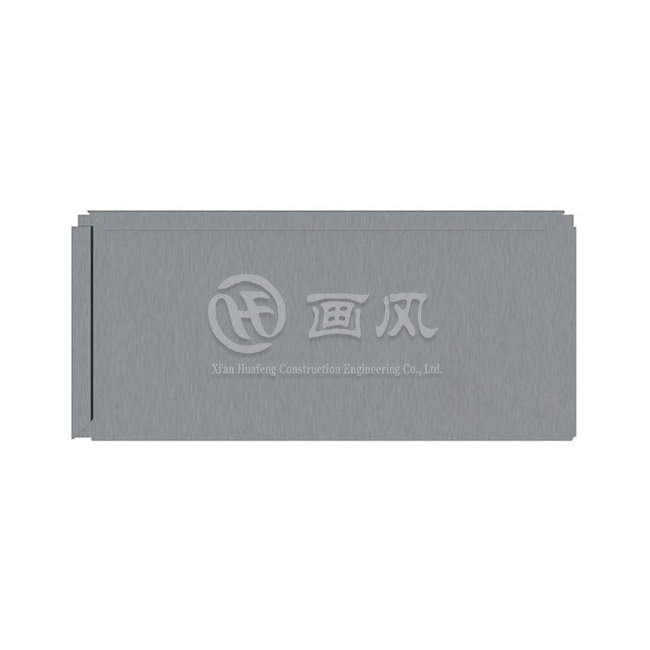
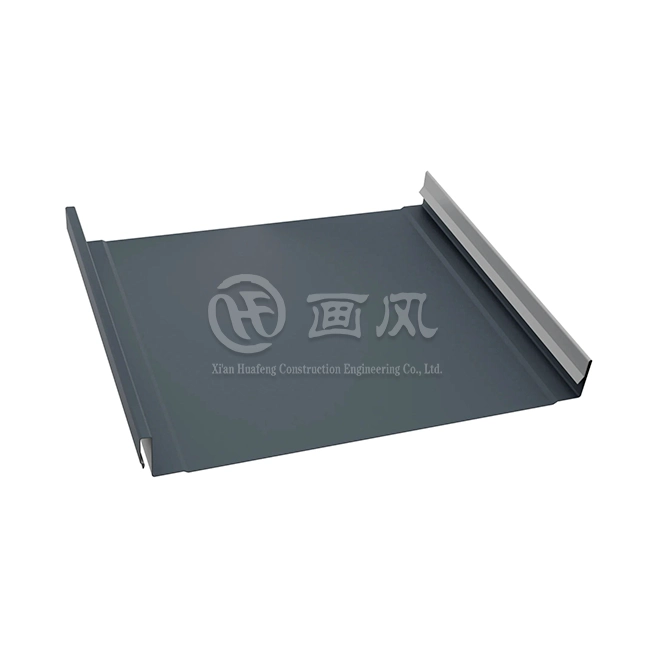
A commercial standing seam roof is made up of many secret fasteners, and the panel is just one part of it. The system also includes sealants, insulation, flooring, clips, flashings, trims, closures, and flashings. Every piece changes how the roof handles water, wind, and movement. I make sure that these parts come from the same place and fit together before I look at the price. Leaks and delays can happen when parts don't match. Stand-alone panels from HF have seams that are between 0.5 and 1.2 mm thick and 38 to 76 mm (1.5 to 3 inches) high. Besides panels, they also sell parts for roofing systems, so customers can buy both at the same time.
Structural vs. Architectural Systems and Common Applications
In general, there are two ways to do a standing seam. Some architectural panels snap together, and they work best on roofs with a solid deck and a steep pitch. When structural panels are put together, they are automatically seamed in the field. This makes the seal stronger on lower slopes and in windy places. It is often used in warehouses, shops, market buildings, offices, data centers, schools, hospitals, OEM projects, and more. The HF standard calls for a slope of at least 5°, which is about 1:12. Before putting in a bid, teams that want to work on roofs with a flatter slope should talk to our engineers about the profile and making sure the assembly has been tested.
What to Assess Before Procurement
Before you ask for prices, you should find out about the project's temperature, roof slope, drainage, structural capacity, local building codes, metal, paint, contractor skills, warranty terms, and cost over time. But those rules can change if things change in your area since the 2021 International Building Code says what roof parts must do. Laws about wind need to be looked at right away. A lot of business standards need feedback from UL 580 or UL 1897 or scores from FM Approvals. If there isn't a report, the bid can be thrown out. Find out from each one which test reports cover the exact part you need.
Benefits 1–3: Weather, Lifespan, and Lifecycle Cost
People are ready to pay more for metal at first because of the first three perks.
Benefit 1: Exceptional Weather Resistance for Commercial Buildings
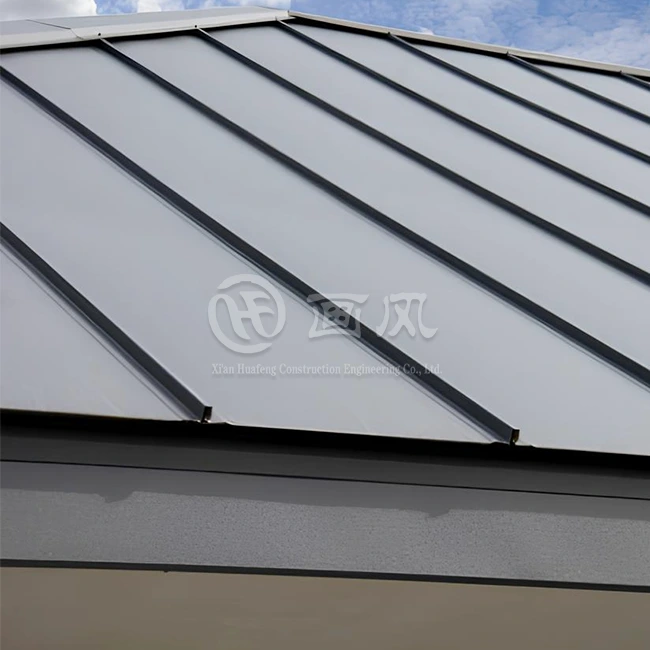
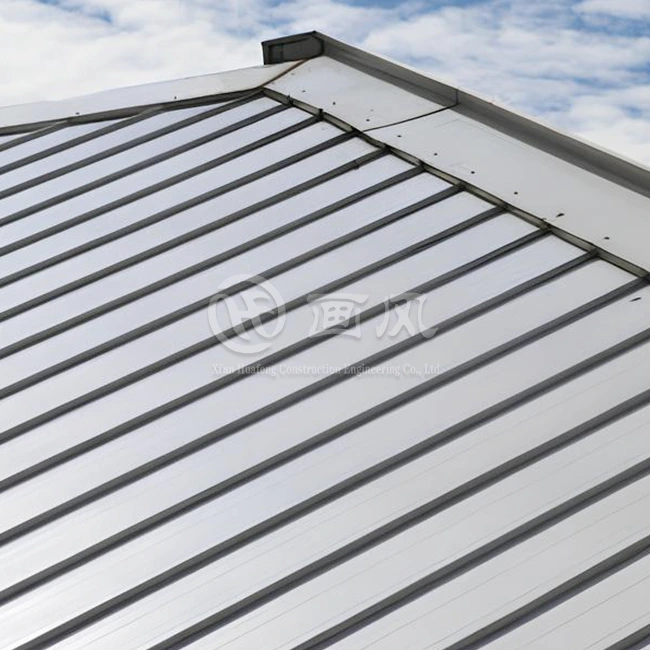
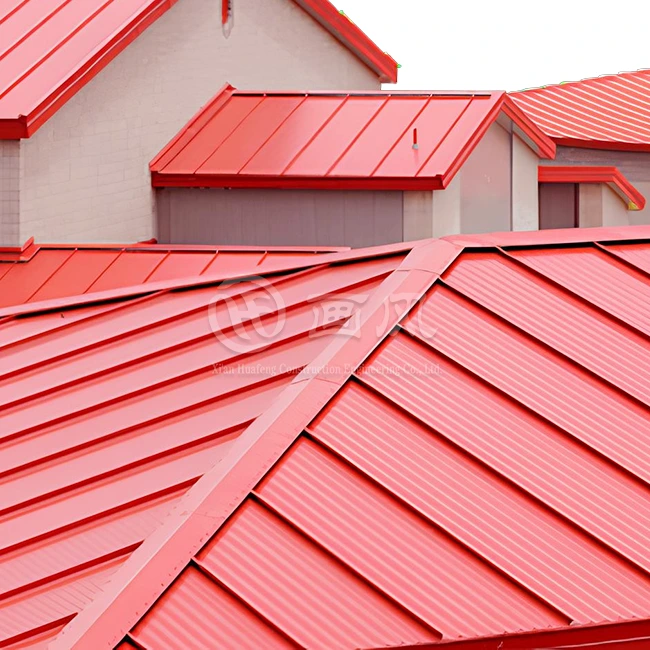
Water stays above the pan because the seams are raised, and the heads of the screws are kept off the weather surface by secret clips. Because of how it is made, the roof can take rain, snow, hail, freeze-thaw cycles, and changes in temperature better. This is what HF says about wind resistance: it can go up to 160+ mph. That number is always tied to the test record and the design of the purlin or deck. You should take the same care with the roof's edges, valleys, skylights, HVAC curbs, holes, and valleys. Systems that keep the snow in place keep the entrances and equipment below safe in places where it snows. What makes the design work in real life is how well the panels, seams, and flashings are made.
Benefit 2: Long Commercial Standing Seam Roof Lifespan
Service life depends on the type of metal, its thickness, shape, coating, environment, drainage, air flow, installation, and maintenance. Aluminum alloy, steel, stainless steel, copper, and titanium zinc are all things that HF sells. People can then pick the right metal for the job, like aluminum or stainless steel for places near the coast. Our finishes are PVDF and PE, and our specifications list the range of years they will last, from 30 to 60 or more. HF also backs them up with a promise that lasts for 30 years. SGS used AAMA 2605-22 to test a PVDF-coated 3003H24 aluminum sample (3.0 mm) and found that it passed all 13 tests. Ask for information about coatings, rust, and upkeep before you give your OK.
Benefit 3: Lower Lifecycle Cost and Reduced Replacement Frequency
Just because something costs a certain amount doesn't mean it is cheap. In a full budget, there are items like panels, coatings, clips, fasteners, trims, insulation, underlayment, engineering, labor, shipping, tear-off, and new structural upgrades for a commercial standing seam roof. The area, slope, panel lengths, type of project, location, penetrations, and any code requirements for the roof should all be written down so that you can get useful numbers. Then you should get more specific quotes. If your roof lasts a long time, you may not have to replace it as often, pay for as much disposal, or deal with as many problems from tenants. Most of the time, metal membranes cost more up front than TPO or EPDM membranes. That depends on the plan itself, how well it is put together, how long you own it, and the weather where you live, so figure it out for your own project.
Benefits 4–6: Energy, Design, and Project Fit
The next three benefits talk about how the roof looks, how well it fits your building, and how well it handles heat.
Benefit 4: Improved Energy Efficiency and Thermal Performance
The whole system, not just the panel, shapes how well the roof keeps heat in. Coatings and colors that reflect light can lower the amount of heat that comes from the sun. Air barriers, thermal spacers, continuous insulation, vapor control, ventilation, and sealed penetrations are some of the things that can be used to keep heat flow and condensation in check. As insulation, you can pick from mineral wool, spray foam, stiff board, and fiberglass. The best choice for you depends on your climate zone, fire safety needs, risk of condensation, and R-value goal. Based on ASHRAE Standard 90.1-2022, we can figure out how much energy each climate zone needs. Our standard says that surfaces that reflect light lower cooling costs, but I think you should ask for numbers that have been tested for the whole structure.
Benefit 5: Flexible Design, Customization, and Architectural Appeal
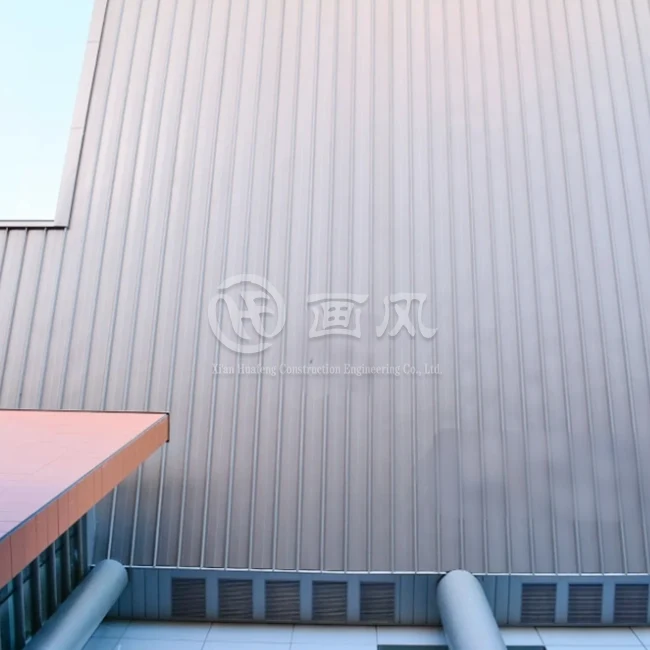
Standing seam lets architects and builders make a lot of different kinds of buildings for businesses, schools, public spaces, and more. HF can give you RAL shades or colors that you choose. They also have seams that are 38 to 76 mm high and coverage widths that range from 305 to 610 mm (12 to 24 inches). All of these should be looked at by buyers, along with ridge and eave shapes, flashings, trims, and entry details. I think you should approve color samples before the bulk production. That way, there is less chance that batches will be different and replacement panels won't match later on. For roofs that are hard to understand, shop drawings and well-organized CAD or BIM tools work best. Original Equipment Manufacturers (OEMs) and wholesalers can both order unique panels that are made just the way they want them.
Benefit 6: Strong Compatibility with New Construction and Retrofit Projects
From the first day of building, the team can plan the structure, insulation, drains, holes, and specifics around the edges. It can save money on tear-off, disposal, and business interruption if the old building is strong enough and has the right amount of moisture. Before you approve a retrofit, make sure the structure is inspected, the roof is checked, the drainage is checked, and condensation is analyzed. Watch out for water pools, corrosion, metallic pieces that don't go well together, purlins or decks that are too small, and holes that aren't properly detailed.
Benefits 7–9: Maintenance, Sustainability, and Procurement Control
That's it! The last three perks are the most important after the deal is done. Make sure the system works with the way the building is and the goals you have as the owner. You should also ask the seller to compare the clip and panel options to the existing base.
Benefit 7: Reduced Maintenance and Easier Inspection
Hidden bolts take away a common place where things wear out, but it is still important to check. Roofing groups like the NRCA say that inspections should be done regularly. I would add checks after bad weather and before winter in places where it snows. There are many things to check, such as the holes, flashings, seams, slopes, coats, equipment on the roof, and parts that hold the snow in place. Clear out the trash and make sure the drains are open. Most repairs are done to fix small leaks, holes, worn coatings, broken sealants, broken flashings, and loose parts. To keep the warranty valid, make sure you hire qualified workers and only use approved materials. If you use the wrong sealant or fastener, it could void the warranty.
Benefit 8: Better Sustainability and Material Recyclability
You can get back both steel and metal. The panels are 100% recyclable, and our product sheet says that they are often made from old materials. Some things that can help a project do better are finishes that reflect light, long service lives, and the ability to work with efficient insulation or solar mounting. Some changes also make less trash. To back up what you say, ask for records of recycled materials, environmental product statements, coating data, and how the items were packed. A covered 0.72 mm 5052H26 aluminum sample was put through chemical screening by SGS in line with EU RoHS Directive 2011/65/EU, which was changed by (EU) 2015/863. All ten of the substances on the list were either not found or were found in amounts that were safe.
Benefit 9: Stronger Procurement Control and Project Standardization
The provider should be in charge of the plans, production, and records for the manufacturer-direct, distributor, and original equipment maker (OEM) models to work best. Our company, Xi'an Huafeng Construction Engineering Co., Ltd., has been following the ISO 9001 and ISO 14001 rules since the beginning in 2018. HF has over forty machines, three plants, and seven production lines. They say it will take 15–20 days and they can send up to 1,000 tons of goods every month. A clear RFQ includes information about the building, the roof's area, slope, profile, thickness, coating, color, code requirements, and where the goods will be delivered. To get quotes for big jobs, you should ask each one how they plan to send a lot of items at once.
System Types, Installation, Purchase Planning, and Warranty Review
Three checks make a good product choice a good buy.
Commercial Standing Seam Roof System Types: How to Compare the Main Options
Compare options based on how they will be used for a commercial standing seam roof. Because they click together, snap-lock panels can be used on stiffer roofs with steeper slopes. Sheets that are manually seamed are bent in the field and work well where there is more wind and less slope. There are different ways that steel, aluminum, stainless steel, copper, and titanium zinc rust, and they all cost different amounts. HF metal that is between 0.5 and 1.2 mm thick makes it stiffer and can stop oil canning, a wave that can be seen in flat areas. There are hidden fasteners in standing seam that makes it last longer than corrugated metal, TPO, EPDM, or asphalt shingles. It costs more up front. For low slopes, check out the minimum slope, drains, tapered insulation, and parts that have already been used.
Commercial Standing Seam Roof Installation Process
After setting something up, it is best to keep an eye on it. The first step is to measure the land, check the roof, and look at the building to make sure it meets code, wind, snow, earthquake, and fire safety standards. Then, using approved shop plans as a guide, the structure of the panels, insulation, holes, curbs, flashings, trims, and edges are put together. While the goods are being made, buyers check the size, coating, thickness, packaging, labels, and whether the goods are ready to be sent. Using clips and panels, crews prepare the base on the job site and sew them together in the field. They also add insulation and flashings and keep the snow in place according to the approved plans. As part of the quality checks, the deck is level (usually 1/4 inch every 20 feet), the seamers are calibrated, and the sealant is used the same way every time. When the keys are turned over, there should be inspection records, warranties, maintenance instructions, and "as-built" documents.
How to Plan a Commercial Standing Seam Roof Purchase
You should say at the start of the purchase brief whether the project is for a new building, retrofitting, repair, or replacement. You should write down the location, roof size, slope, type of structure, performance grades, insulation goals, colors, transportation needs, and time frame. It is not enough to just compare prices when getting quotes. You should also look at things like tested assemblies, technical support, production capacity, customization, installer resources, warranty coverage, logistics, and service after the sale. It is important to ask for proof of work, information on coatings, certifications, reference projects, quality records, guaranty paperwork, and examples of panels. At most, HF will take an order for 500㎡, which is one ton. The standards for our goods are met by ASTM, DIN, JIS, BS, and GB/T.
Commercial Standing Seam Roof Warranty and Compliance Checklist
Before you sign the warranty, read it over. Find out what it covers (material, coating, weathertightness, installation, etc.), who can do the work, how often it needs to be maintained, and what it doesn't cover (like breaking in without permission). I think you should read the written rules for each project because HF says their guaranty lasts for 30 years. Then check to see if it all meets the local code for energy, wind lifting, snow load, fire, draining, and so on. The resistance to uplift is rated by UL 580 in Class 15, 30, 60, and 90. Following AS/NZS 1530.3:1999, SGS checked six samples of treated 3003H24 aluminum and none of them caught fire. Let us know early on if you need UL 580, UL 1897, or FM Approvals paperwork for your job. That way, we can make sure we know how to handle your assembly.
Conclusion
Standing seam metal roofing can be used on business buildings since the raised seams, hidden clips, and matched accessories all work together as one unit for a commercial standing seam roof. Here are nine benefits that change based on the metal, coating, slope, insulation, paperwork, and how well it was installed. People who want to buy something should compare full packages, make sure there is wind, fire, and code proof for the exact assembly, and read the warranty terms in writing. The RFQ should be clear and include the needs for slope, structure, shape, thickness, coating, and delivery. This will make it easier to get accurate quotes and the same supplier for more than one job.
FAQ
1. How long does a commercial standing seam roof last?
How long it lasts depends on the metal, the coating, the climate, the drainage, how it was installed, and how well it is kept up. For HF, the guaranty lasts for 30 years, but for some materials, it can last up to 60 years or longer. Read the written warranty terms, coating data, and maintenance needs of each system before you choose one for your project.
2. Can standing seam roofing work on low-slope commercial roofs?
Most of the time, yes, but only if the shape and installation have been tested on that hill. When there is a small slope, mechanically seamed panels work better than snap-lock panels most of the time. HF says the lowest slope is 5°, which is about 1:12. Send us your roof pitch early, and we'll let you know if a shape and assembly that works can be used.
3. What should a commercial roofing RFQ include?
Write down where the building is, what kind of metal it is, how thick it is, what color it is, what kind of insulation it has, what kind of trims it has, the code requirements, where the delivery will go, and if you need insurance. The least amount of stuff we can order is 500㎡, which is one ton. It takes 15–20 days to deliver, and we can give you up to 1,000 tons per month. We give you a price based on the job and some examples of what you can choose from.
Get a Commercial Standing Seam Roof Material Quote from HF
Please let HF know the building's address, the roof's size and slope, the metal type you want, and where you'd like it delivered. Our team will then suggest a shape, coating, and extra package that will work for your project. We make commercial standing seam roofs and panels that are made just for you. Your order must be at least 500㎡, and it will be delivered in 15–20 days. Email huafeng@hfmetalroof.com or visit hfmetalroof.com to get examples and a price for your project.
References
1. NRCA, The NRCA Roofing Manual: Metal Panel and SPF Roof Systems, 2019.
2. International Code Council, International Building Code, 2021.
3. ASTM International, ASTM E1592 Standard Test Method for Structural Performance of Sheet Metal Roof and Siding Systems by Uniform Static Air Pressure Difference, 2017.
4. UL Standards, UL 580 Tests for Uplift Resistance of Roof Assemblies, 2006.
5. AAMA, AAMA 2605-22 Performance Requirements and Test Procedures for Superior Performing Organic Coatings on Aluminum Extrusions and Panels, 2022.
6. ASHRAE, ANSI/ASHRAE/IES Standard 90.1 Energy Standard for Sites and Buildings Except Low-Rise Residential Buildings, 2022.





YOU MAY LIKE
_1757558889992.webp "Metal Roofing Snowguards")