Standing Seam Metal Roof Sheets for Extreme Weather Conditions
2026-04-14 17:10:58
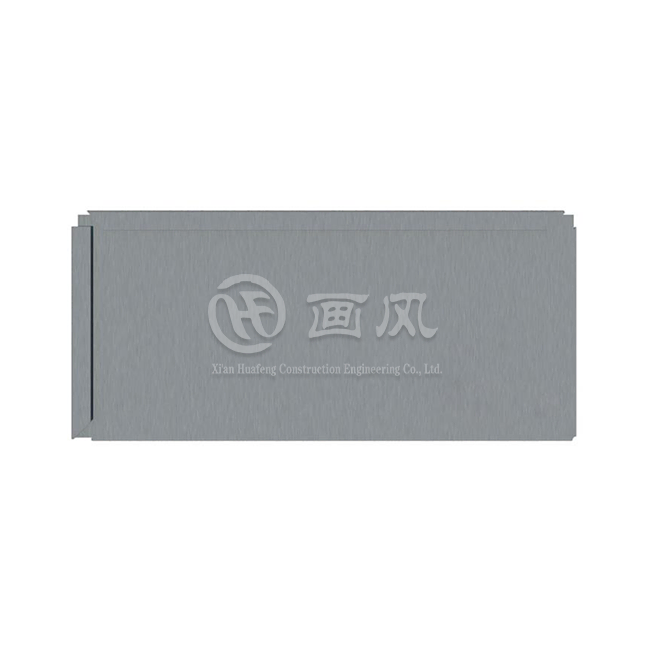
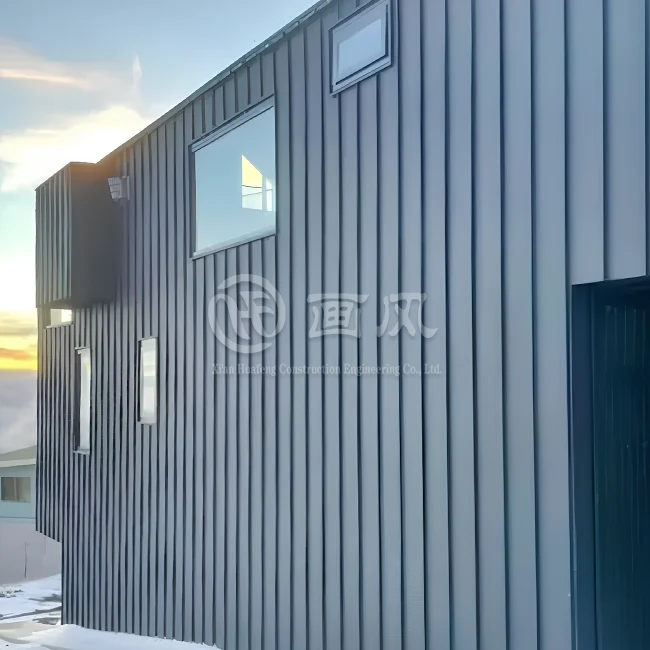
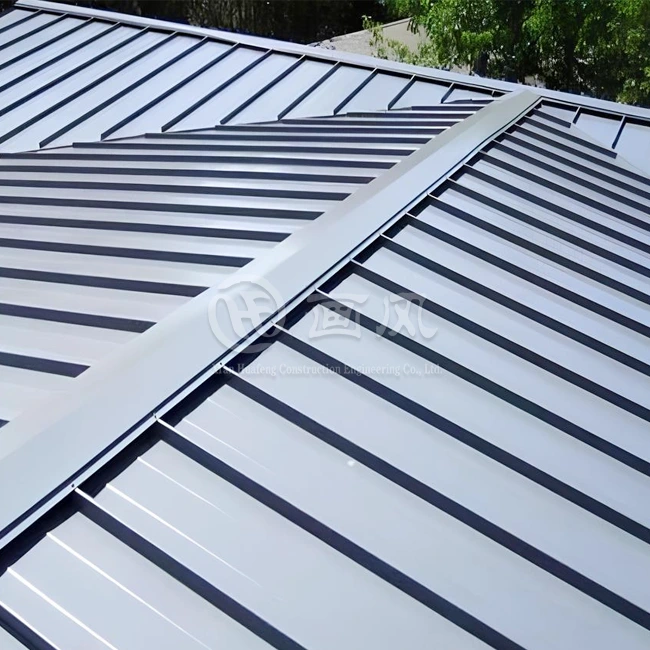
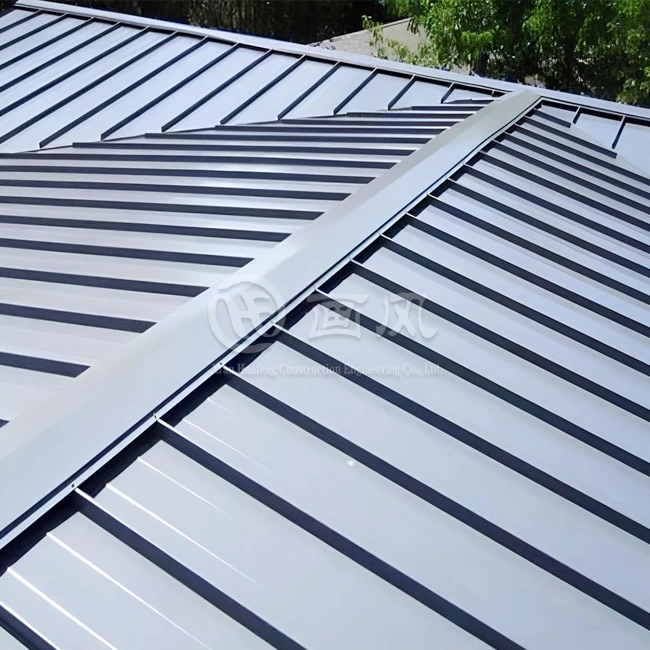
That which you choose for your roof decides whether your building can withstand bad weather or gives in to it. standing seam metal roof sheets are an architectural solution that uses hidden fasteners. They join wide metal panels with raised vertical seams, so there are no visible screw holes that could become leaky when the temperature changes. This design solves the main problem that roofing builders and developers face, which is how to keep the roof completely waterproof while also allowing for heat expansion along long panel runs. The interlocking seam design successfully channels water, even on low-slope applications. This makes these systems essential for business buildings, distribution centers, and industrial facilities in areas prone to hurricanes and snow belts.
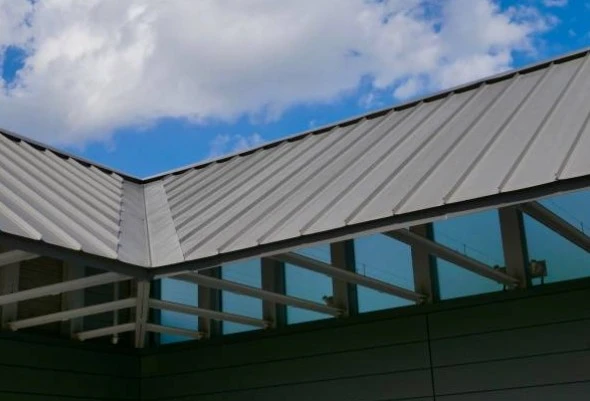
Understanding Standing Seam Metal Roof Sheets and Their Advantages in Extreme Weather
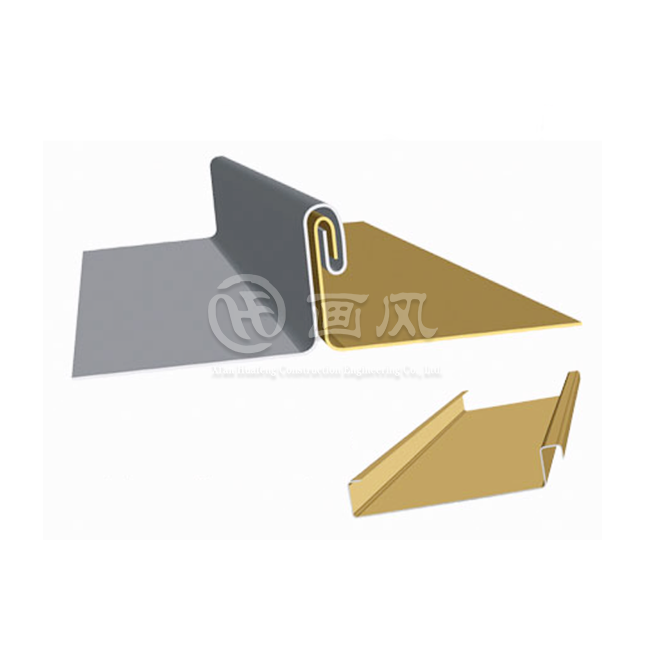
Learn about standing seam metal roof sheets and how they can help you in bad weather. This roofing system's artistic complexity comes from its hidden clip mechanism, which lets panels float freely while still being structurally connected to the building substrate.
Superior Water Infiltration Resistance
When screws go through the waterproof covering on traditional exposed-fastener roofs, there are thousands of places where water could leak in. Over time, thermal expansion makes fastener holes get longer, which lets water in during wind-driven rainstorms. Our standing seam systems completely remove this weakness by raising the seams to heights between 25 mm and 65 mm, which creates physical barriers against water pressure and capillary action. Galvanized steel or aluminum panels with a thickness of 0.5 to 1.2 mm provide structural stiffness that prevents oil-canning and distortion under snow loads of more than 40 pounds per square foot.
Exceptional Wind Uplift Performance
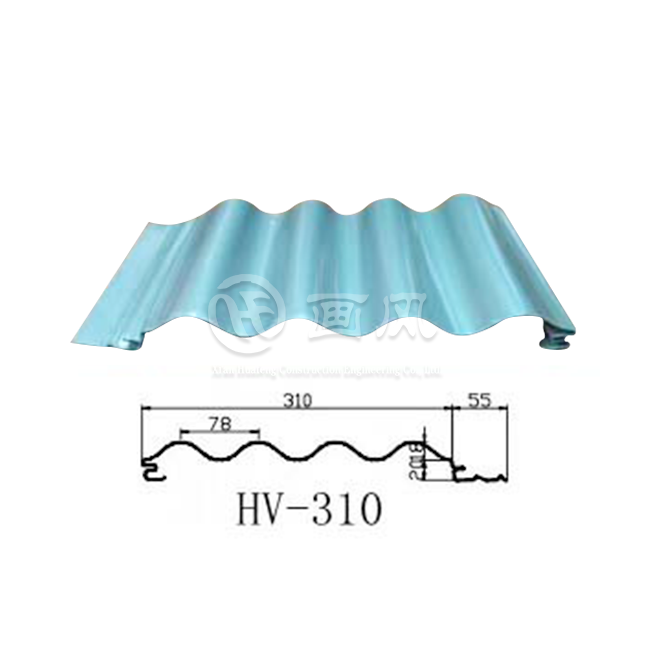
Roofing systems that are made to weather hurricane-force winds are needed for coastal building projects. The mechanical seaming process makes continuous metal-to-metal links along the edges of the panels. This spreads wind loads across the whole roof plane instead of putting stress on individual fastener points. According to ASTM E1592 standards, wind uplift strength is more than 200 pounds per square foot when properly placed. This is a performance that can't be reached with regular roofing materials. Profiles like 25-330/400/430, 32-410, 45-400, and 65-400/430 are available in different sizes to meet different structural needs and aesthetic tastes.
Thermal Management in Extreme Climates
The reflective qualities of metal roofs make it much easier to keep cool in hot places, but the material's conductivity means that insulation needs to be carefully added. PVDF and PE surface treatments come in a wide range of RAL and Pantone colors. They act as UV-resistant shields that keep colors stable for decades and block up to 70% of solar radiation. The profile of the panel naturally forms an air gap above the roof deck. This lets air flow and stops condensation from building up, which is very important in cold climates where moisture damage to insulation and building damage can happen.
Because they don't expand or contract as much with temperature changes, standing seam systems work better than fixed roofing options. Panels held in place by sliding clips can withstand changes in size of more than 1 inch per 100 feet of length without breaking or fasteners coming loose. This means that the weatherproofing stays strong even when temperatures rise or fall by as much as -40°F to 150°F, which is common in continental climate zones.
Comparing Standing Seam Metal Roofs with Other Roofing Types for Extreme Weather
The choice of materials has an effect on both the short-term spending for the job and the long-term costs of running the building for many years.
Performance Against Corrugated Metal Panels
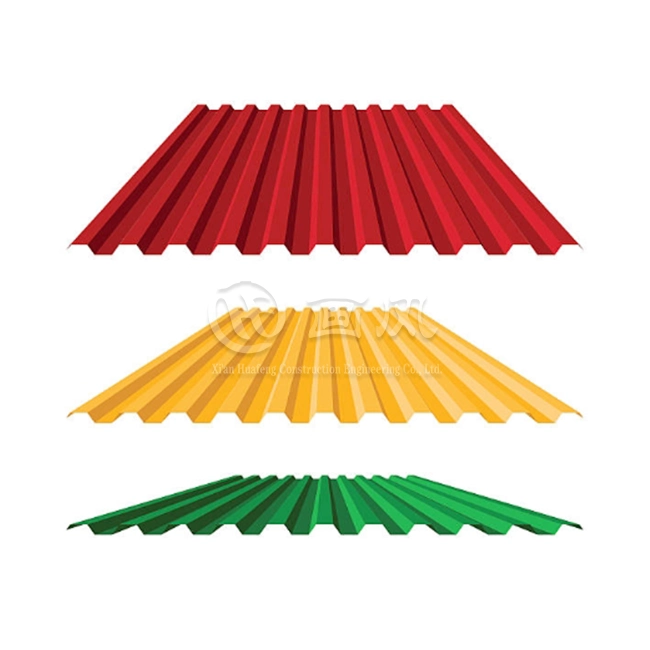
Corrugated profiles are commonly used in agriculture and light industry because they are cheaper to make, but their visible bolt design makes them harder to maintain. Every 10 to 15 years, you need to change the neoprene washer on each screw entry because UV light breaks down the sealing coatings. By hiding the fasteners, standing seam metal roof sheets get rid of this ongoing cost, lowering the total cost of ownership even though they cost more at first. Comparing wind resistance shows that corrugated panels usually get uplift ratings of 90 psf, while mechanically seamed systems get uplift ratings of 200 psf or more. This is a big performance difference for coastal areas that need Miami-Dade NOA approval.
Lifecycle Value Versus Asphalt Shingles
Asphalt roofing is most common in home building because it is cheap to install—between $3 and $5 per square foot. However, it needs to be replaced every 15 to 20 years, which adds to the overall cost of ownership. A thorough cost study shows that standing seam systems, which cost between $8 and $12 per square foot to install, are the best value because they last 50 years and come with a 30-year guarantee. The ability to shed snow lowers the risk of ice dams, which can damage the inside of a building with rough shingles. Class A fire ratings get rid of the extra costs that come with insurance for flammable roofing materials.
Specialized Copper Standing Seam Applications
Copper standing seam installations create safe patina finishes that last for hundreds of years and keep out the weather, making them perfect for architectural projects that care about how they look over time. Copper's antimicrobial properties and good looks are used in historic repair projects and high-end business developments, which are willing to pay more for materials that look good instead of breaking down. We can make things out of specialty materials when the needs of the project call for better performance than what normal steel or metal bases can provide.
The choice matrix for procurement workers weighs the initial cost against the need for upkeep, the number of times something needs to be replaced, and the impact on operations. Standing seam systems deserve to be priced higher because they have measurable lifetime benefits that have been shown in studies comparing different temperature zones.
Installation Protocols for Maximum Weather Resistance
When installed correctly, standing seam metal roof sheets can be turned into protective building coverings that can last for decades without losing their effectiveness.
Pre-Installation Planning and Substrate Preparation
The right clip spacing and panel specs are found by evaluating the structural deck. If your roof slope is less than 3:12, you need double-lock profiles that are automatically seamed to keep water out. If your roof slope is more than 4:12, you can use snap-lock systems. Different types of underlayments are needed for different climates. In the north, high-temperature peel-and-stick coverings protect against ice dams, while in wet coastal areas, breathable synthetic underlayments keep water from building up. When figuring out loads, you have to take into account both dead and live loads, as well as environmental factors like snow buildup and wind uplift forces that are unique to each place.
Panel Installation Sequence and Thermal Accommodation
Starting at the edge of the eave, where starter strips make sure everything is lined up correctly, installation begins. When possible, panels should go from the eave to the top in a single continuous run. This way, there are no horizontal end laps that could let water in. Depending on the wind zone classification and panel shape, clips are placed every 12 to 24 inches. Tighter spacing makes uplift resistance better for sites that are open to the elements along the coast. Allowing thermal movement through clip design that allows longitudinal panel expansion while stopping horizontal motion is the most important thing to think about when installing. Fixed clips in the middle of the panels set reference points, and moving clips allow for temperature cycles without causing stress concentrations.
Seam Formation and Quality Verification
For mechanically seamed systems, special roll-forming equipment moves along the seams of the panels, cold-working the metal through a series of stages of bends to make double-lock connections that keep out the weather. Single-lock seams work well in areas with less wind, but they need simpler tools and don't fight lifting as well. Snap-lock profiles don't need special seaming tools because the panel edges are made in the factory to join during installation. This saves time and is good for home uses that don't need high performance. As part of quality assurance procedures, seam pull tests, fastener torque checks, and eye checks to make sure clips are properly engaged and heat movement is accommodated are all done.
Our technical support team gives installation instructions that are unique to each project. This makes sure that the right steps are taken by contractor groups, which activates the warranty coverage and ensures decades of leak-free performance.
Proactive Maintenance for Extended Service Life
Systematic inspections and small fixes for standing seam metal roof sheets keep small problems from getting worse and leading to expensive roof system failures.
Seasonal Inspection Protocols
Inspections that happen every other year, in the spring and fall, find new problems before they get worse because of bad weather. The main focus of the inspection is on the seam's integrity, looking for signs of split or poor contact that let water in. Fastener clips need to be checked to make sure they connect securely without rusting. This is especially important near the coast, where salt spray speeds up metal breakdown. Roof penetrations like HVAC equipment, skylights, and vent lines need close attention because most leak reports are caused by flashing failures in roof systems that are otherwise sound.
Snow and Ice Management Strategies
Installations in northern climates benefit from snow retention systems that stop avalanches that could hurt people inside the building or damage the greenery. S-5! Style clamps and other similar products can be attached to seam profiles without going through the waterproof barrier. This supports snow guards that melt snow slowly instead of letting it all out all at once. Rather than using heated wires on the roof, which use energy and make more entry points, ice dams can be avoided by making sure the attic has enough air flow and insulation. Our panel profiles with PVDF coats shed snow better than surfaces with texture, which lowers the amount of snow that builds up during long cold times.
Repair Criteria and Supplier Collaboration
When checks find small seam separations, they usually just need to be re-engaged instead of replacing the panel. Coating damage from falling trees or servicing traffic needs to be fixed with suitable products so that corrosion doesn't start. Working with your original seller makes sure you have access to matching materials for replacing parts of a roof that were damaged by a storm. When procurement teams get materials from other vendors, color lot differences make fixes stand out in the field. Our monthly supply capacity of 1000 tons ensures quick delivery of replacement panels, and our expert staff can help you fix things in a way that keeps your guarantee valid.
These care guidelines make roofs last longer than the 30-year warranty time. They protect building owners' investments by making small changes that keep big problems from happening.
Procurement Considerations for Construction Professionals
Beyond the material performance standards, the success of a project involving standing seam metal roof sheets depends on how well the vendor is chosen and how well the specs are written.
Supplier Evaluation and Quality Assurance
Good manufacturers comply with ASTM, DIN, JIS, BS, and GB/T. They achieve this using building code-compliant material certificates and inspector verification. Our seven manufacturing lines and more than 40 specialized machinery in three plants demonstrate our capacity to maintain supply chain efficiency throughout large projects. ISO 9001 quality management and ISO 14001 environmental standards illustrate that methodical guidelines ensure product quality consistency.
Customization Capabilities and Technical Support
Specific project demands need more flexibility. Customizing panel length eliminates horizontal seams across vast roof planes, and color matching services duplicate building color schemes using RAL and Pantone standards. When deciding between PVDF and PE coating technologies, consider performance and budget. PVDF coatings are more expensive for high-visibility installations because to their UV resistance and color preservation. For cost-effective functional structures, PE coatings provide enough protection. For large commercial projects and minor residential modifications, our minimum order quantity is 500 square meters, or 1 ton.
Logistics and Delivery Planning
Construction designs need weather- and contractor-friendly material delivery. Our 15–20-day delivery following order confirmation provides project planners piece of mind, and our domestic storage reduces shipping expenses for local projects. Standardized property specs make it easy to acquire and teach personnel to install items, and bulk order pricing structures may save portfolio developers money when working on numerous projects. Not only must you negotiate costs, but you must also collaborate on technical difficulties, inspect the items, and ensure the supply chain works. Avoid project delays and poor performance that affect client relationships and your financial line by working with well-known manufacturers.
Conclusion
Extreme weather calls for roofing materials that are made to handle nature's worst conditions and last for decades without needing any repairs. Installing metal roofing systems correctly is important for building workers because they are reliable in hurricane-prone areas, snow-belt regions, and hot deserts because the fasteners are hidden and the roof can expand and contract with temperature changes. By choosing materials that balance original investment against lifecycle costs, facility owners who value long-term value over short-term budget limits can make standing seam metal roof sheets the most cost-effective choice. To complete a project successfully, suppliers who know what they're doing, installation teams who are good at what they do, and preventative upkeep plans that protect capital investments over many years of use are all needed.
Frequently Asked Questions
1. What makes standing seam systems superior for hurricane-prone regions?
The hidden clip fixing gets rid of the visible screw holes that can become projectiles when the wind is very strong. When placed correctly, continuous seam connections spread uplift forces across the whole roof plane. This results in tested wind resistance values above 200 psf, which meet Miami-Dade certification standards for coastal building.
2. How do thermal expansion characteristics affect long-term performance?
When the temperature changes, metal walls get a lot bigger and smaller. When clip systems are properly built, they can handle this movement with moving mechanisms that stop the fasteners from pulling out or buckleling. Panels that are fixed firmly without thermal accommodation build up stress concentrations that cause them to fail early. This is why it is important to have a professional install the panels according to the manufacturer's instructions.
3. Do standing seam roofs require specialized maintenance procedures?
Compared to other types of roofs, these systems don't need as much upkeep. Visual inspections every six months to check the state of fasteners and seams keep small problems from getting worse. The concealed fastener design gets rid of the need to change neoprene washers, which is necessary for exposed-fastener roofs. This makes upkeep much cheaper over the roof's lifetime.
Partner with HF for Premium Metal Roofing Solutions
Xi'an Huafeng Construction Engineering Co., Ltd. can handle even the most difficult roofing tasks because they are great at making things and know a lot about technology. We make standing seam metal roof sheets and have three ideally placed factories with seven production lines. We offer custom solutions that meet foreign standards like ASTM, DIN, JIS, BS, and GB/T. Our 30-year guarantee and 1,000-ton monthly supply capacity make sure that your projects stay on track and don't have to worry about quality or running out of materials. Email our technical team at huafeng@hfmetalroof.com to talk about panel specs, coating choices, and shipping plans that are specifically made for your needs in extreme weather.
References
1. Metal Construction Association. Architectural Sheet Metal Manual, 8th Edition. Chicago: Metal Construction Association, 2021.
2. American Society of Civil Engineers. Minimum Design Loads and Associated Criteria for Buildings and Other Structures (ASCE 7-22). Reston: American Society of Civil Engineers, 2022.
3. National Roofing Contractors Association. The NRCA Roofing Manual: Metal Panel and SPF Roof Systems. Rosemont: NRCA, 2020.
4. Mehta, Madan. Building Construction: Principles, Materials, and Systems, 3rd Edition. New York: Pearson, 2019.
5. Canadian Sheet Steel Building Institute. Low Slope Metal Roof Systems Design Guide. Cambridge: CSSBI, 2018.
6. Steel Recycling Institute. Modern Steel Construction: Sustainability and Lifecycle Performance of Metal Building Systems. Pittsburgh: Steel Recycling Institute, 2020.





YOU MAY LIKE