How to Install Flat Lock Panels for a Seamless Roof Design?
2026-04-14 17:10:55
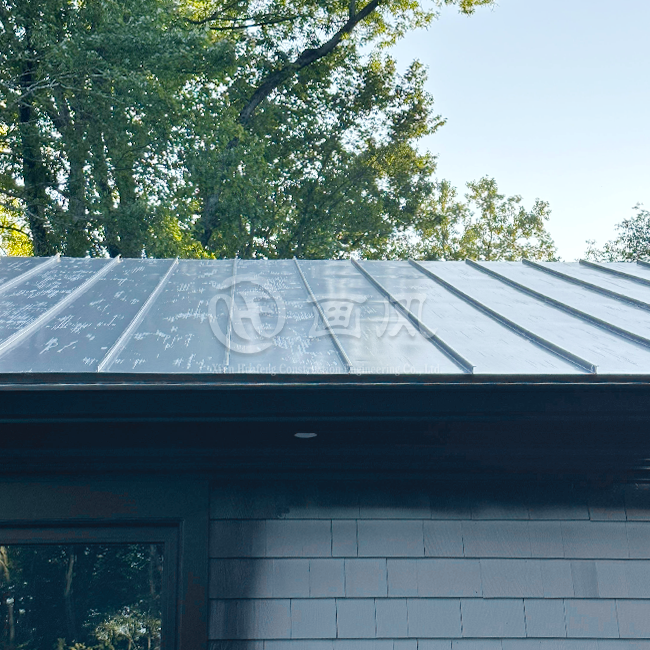
When you install Flat Lock Panels, you get a weatherproof roof surface that looks like it was always there. This is perfect for big business and institutional jobs. The four-sided interlocking system links each panel through hidden folded seams. This makes a nearly smooth profile that can work with complex shapes and effectively control heat movement. To achieve watertight performance and artistic beauty with this cladding method, the base must be carefully prepared, the panels must be precisely aligned, and they must be engaged in a planned way. Knowing the steps involved in installing a roof, from integrating the underlayment to using seam folding methods, helps workers make roofs that meet strict standards for durability and good looks on a wide range of projects, from transportation hubs to high-end residential developments.
Understanding Flat Lock Panels and Their Advantages
In the last few decades, metal roofing systems have changed a lot. Interlocking metal siding is one of the most advanced ways to make a building look better and keep it structurally sound. These panels are very different from standing seam profiles because they sit almost flat against the base, usually sticking out less than an inch. This gives them a solid look that builders who want clean, modern facades like.
What Makes Interlocking Metal Cladding Unique
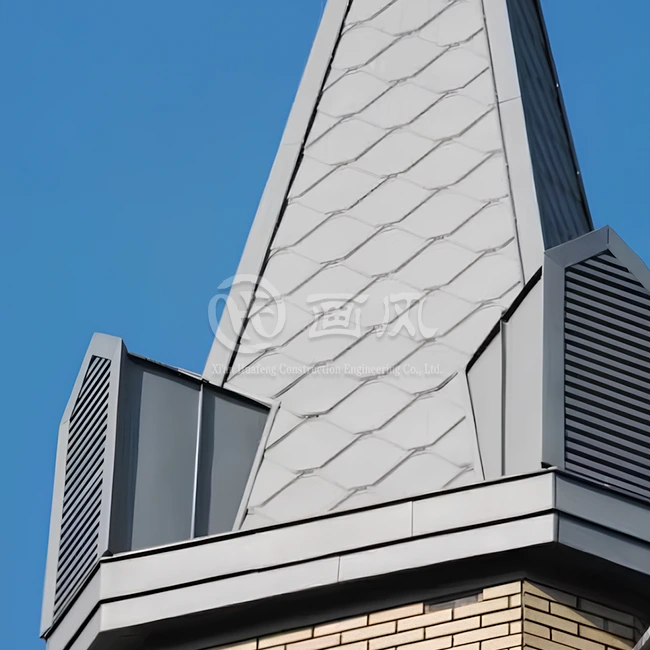
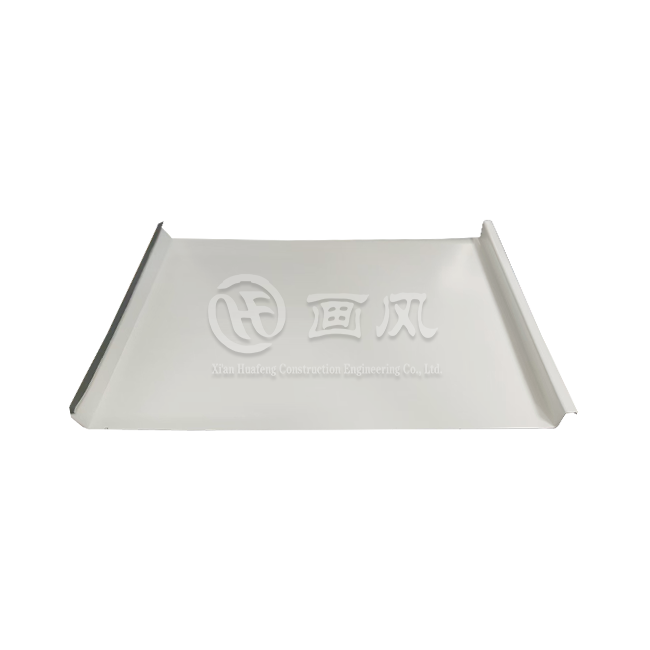
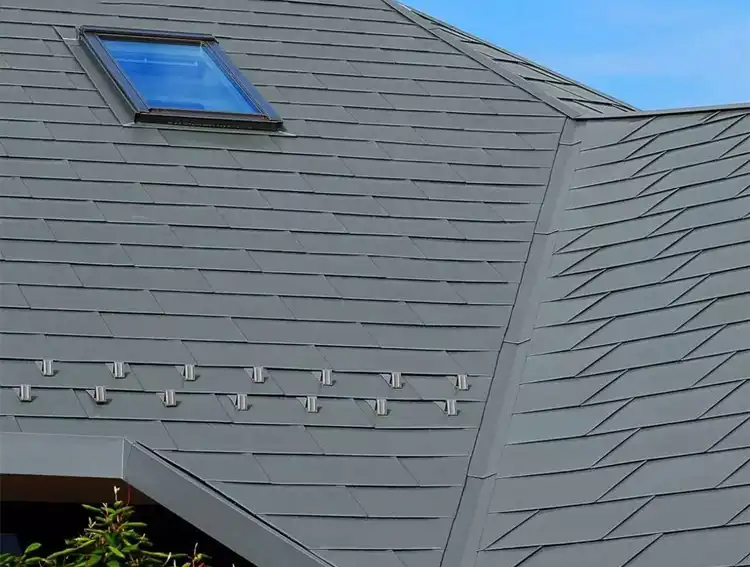
Flat Lock Panels feature four-sided interlocking edges that connect without visible fixings, creating a seamless surface. Panels such as square, diamond, or hexagonal forms use clips or flanges for secure yet flexible attachment. This floating system accommodates thermal expansion in metals like zinc and copper, preventing seam stress, oil-canning, and deformation while ensuring durability and consistent visual quality.
Core Performance Benefits
Flat Lock Panels provide strong lifecycle value through durability, weather resistance, and fire safety. Their overlapping seams resist wind-driven rain, while materials like stainless steel achieve high fire ratings. Energy efficiency improves with insulation and ventilation integration. With lifespans exceeding 50 years, these systems reduce maintenance costs. Flexible shapes, sizes, and finishes also allow creative architectural applications across complex surfaces.
Preparing for Installation: Essential Pre-Installation Considerations
Metal roofing jobs that go well start months before the construction crew gets there. During the planning phase, the final assembly either works as planned or has problems that could have been avoided and hurt both function and budget.
Structural Assessment and Substrate Verification
Structural evaluation ensures the roof can support Flat Lock Panels, insulation, and accessories. Roof decks must be checked for strength, damage, and slope requirements, typically above 3:12. Wood and concrete substrates require careful inspection for defects. Thermal bridge considerations are essential, requiring aligned clip and insulation design. Coordination between contractors and engineers ensures proper installation and energy performance validation.
Supplier Selection and Procurement Strategy
Choosing reliable suppliers is critical for Flat Lock Panels projects. Manufacturers with advanced facilities ensure consistent quality and capacity for large orders. Certifications like ISO standards confirm compliance and expertise. Lead times vary, especially for custom finishes, requiring early planning. Sampling panels helps verify quality before production. Volume pricing and added services like training or support enhance value and project efficiency.
Step-by-Step Guide to Installing Flat Lock Panels
Installing a metal roof requires accuracy and a Flat Lock Panels approach. The steps below are based on best practices in the industry that have been developed over hundreds of business setups. They have been changed to work with interlocking metal systems on medium- to large-sized projects.
Tools, Equipment, and Safety Preparation
Installing Flat Lock Panels requires specialized tools like hand seamers, automatic folding machines, and appropriate fastening equipment for different substrates. Cutting tools must prevent edge damage. Safety measures include fall protection systems, guardrails, and non-slip footwear to reduce risks on wet metal surfaces. Proper material handling is essential, as panel bundles can be heavy despite lightweight individual components.
Surface Preparation and Underlayment Installation
Clean, dry substrates are essential for Flat Lock Panels installation. All debris must be removed before applying underlayment. Self-adhering membranes provide better sealing, especially at vulnerable areas like valleys and penetrations. Overlaps should be at least 4 inches and properly sealed. Adequate ventilation systems, including ridge vents and soffit intakes, help prevent condensation and protect insulation and structural components.
Panel Layout and Starting Course Alignment
Accurate layout planning ensures visual balance when installing Flat Lock Panels. Centering panels avoids uneven edges, especially on rectangular roofs. Detailed drawings help align panels with architectural features. Chalk lines guide installation and prevent misalignment. The first course is critical, requiring level eave trims and properly spaced clips to secure panels while allowing controlled movement without damaging seams.
Sequential Panel Installation and Seam Engagement
Flat Lock Panels are installed in sequence, with each panel interlocking into the previous one. Edges are folded carefully using hand or mechanical seamers to ensure tight, uniform seams. Proper technique prevents air trapping, deformation, or water intrusion. Expansion joints must be included to accommodate thermal movement, protecting panels and seams from stress and ensuring long-term durability.
Penetrations, Terminations, and Detail Work
Detailing is critical in Flat Lock Panels systems. Penetrations require compatible flashing materials to prevent corrosion. Flexible sealants ensure watertight performance without damaging metal. Ridge caps, hips, and valleys must be carefully designed to maintain both function and appearance. Proper finishing at edges and transitions prevents water infiltration and structural stress, ensuring durability and consistent system performance.
Maintenance Tips and Longevity Optimization
Even high-end roofing systems need to be maintained from time to time so they can last as long as they were designed to. Preventative repair plans keep the building envelope working well for a lot less money than replacing things too soon.
Routine Inspection Protocols
Facility managers should do reviews every six months, in the spring and fall, to check the state of the coating, the stability of the seams, and the tightness of the fasteners. By walking on the roof, you can see if there are any oil-canning (panel warping that you can see), broken clips, or damaged flashings before they get worse. Pay extra attention to places with a lot of foot traffic, like around mechanical equipment, where panels can be damaged by falling off by accident.
Drainage paths need to be checked. To keep water from pooling in gutters and drains, which can happen even if they were placed correctly, debris must be kept out of them. When thermal imaging scans are done when temperatures are different, they show moisture getting in and insulation wearing down that can't be seen with regular checking. This proves that the money spent on vital facilities was worth it.
Cleaning and Surface Care
Keeping the factory finishes on roofs makes them look better and last longer. Using soft-bristle brushes and mild detergent solutions to get rid of atmospheric layers like pollen, industrial waste, and organic growth that break down coats over time. It is possible for high-pressure cleaning to damage PVDF coatings or force water under gaps. Low-pressure rinsing is safer and works just as well. Installations near the coast that are hit with salt spray should be rinsed every three months to slow down rust, especially on cut edges where the base metal is still visible.
It's important to pay attention to chemical compatibility, since some cleaners can damage metal or combine with zinc. Cleaning products that are allowed by the manufacturer take the guesswork out of the process and keep the guarantee valid. Even though it's not always necessary, reapplying protective waxes or sealants on a regular basis can bring back life to worn finishes on highly obvious installations where the way they look affects the value of the home.
Addressing Wear and Damage
Even though metal roofs are very strong, they can get damaged by things like falling trees, hail, or building work. Isolated panel replacement is still possible on interlocking systems by carefully opening seams next to each other, removing broken parts, and putting in new panels that fit together perfectly. Monolithic membrane systems, on the other hand, need a lot of fixing to be fixed.
Professional repair services make sure that the job meets the standards set by the original installers. Contractors who have worked with connecting metal systems know how to fix folds without making them look distorted. They also know how to measure seam contact limits. When you try to fix something without the right tools, you often make things worse. Crushed seams or uneven panels can make it less waterproof and look worse, which will cost you more to fix than hiring trained professionals in the first place.
Comparing Flat Lock Panels with Alternative Roofing Solutions
Before making a choice, procurement officials look at a number of different roofing methods. When you know how overlapping metal panels stack up against other options, you can see where this method works best and where other options might work better for your project.
Standing Seam Metal Roofing
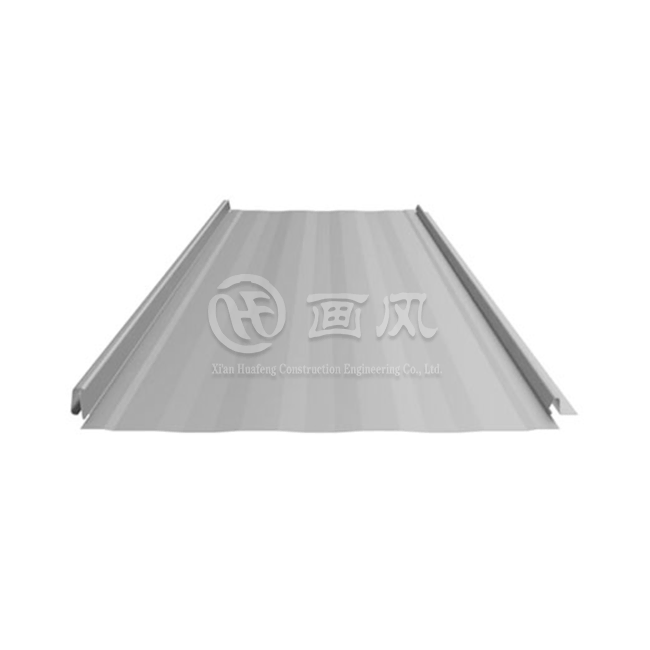
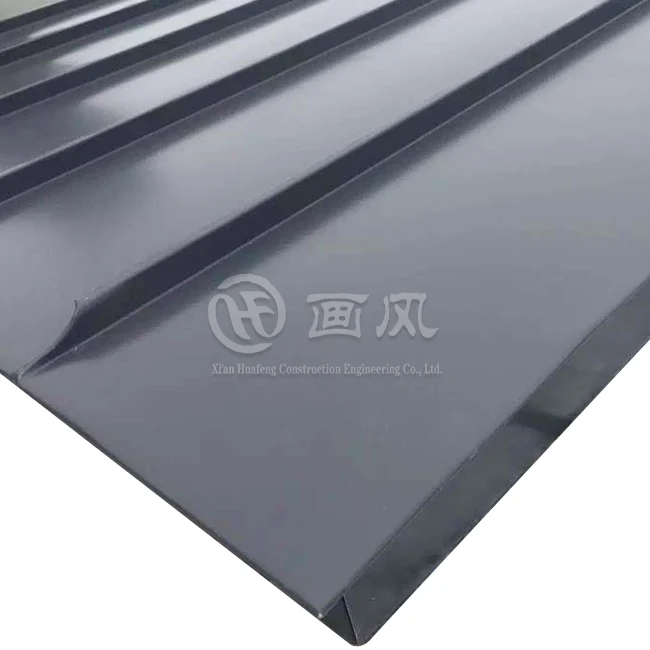
Vertical ribs are raised 1.5 to 3 inches above the roof plane by standing seam profiles. This makes strong lines that can be seen. This shape makes it better at shedding water on low-slope areas—it can work down to a 0.5:12 pitch with the right underlayment—so standing seam is better when draining is a problem. But the big ribs collect snow and other things, which makes servicing access hard and can damage the panels. When it comes to architecture, the strong structure can be too much for some design styles. On the other hand, Flat Lock Panels are more subtle and can work with both old-fashioned makeovers and modern minimalist styles.
Snap Lock and Mechanical Lock Systems
Snap lock panels use spring clips that let the panels snap together without any tools. This makes fitting faster on simple shapes. While snap connections are easier to use, they don't work as well in bad weather because they don't fold inward like interlocking seams do. This means they aren't good for harsh climates or low-slope uses. Mechanical lock systems are popular in industrial buildings. They use different seaming machines to crimp standing ribs together. This makes them very resistant to weather, but the bold look isn't always appropriate for business settings.
Flat Lock Panels are in the middle. They are better at keeping out the weather than snap locks, more stylish than mechanical joints, and able to fit into awkward shapes that neither of the other two options can handle well. This versatility makes it a good choice for mixed-use projects and college campuses with roofs that change from flat to steep pitches across buildings that are linked to each other.
Traditional Shingle and Tile Roofing
Asphalt shingles are popular in homes because they are cheap and most contractors know how to install them. However, they only last 20 to 25 years and aren't very good at standing up to wind, which makes them less useful for businesses. Tile flooring, whether it's made of clay or concrete, lasts about as long as metal, but it has much higher dead loads (900 to 1,200 pounds per square compared to 350 to 400 pounds per square for metal), which means that the structure often needs to be reinforced, which takes away any cost benefits. Shingles and tiles aren't as flexible in design when it comes to curved surfaces, and metal systems with built-in heat breaks are more energy efficient.
Material choices are being affected by environmental factors more and more. Metal roofing panels made from recycled materials (often more than 70% recovered steel and aluminum) and that can be recycled completely at the end of their useful life meet the requirements of the Living Building Challenge and LEED. Every year, millions of tons of asphalt shingles end up in dumps, which is something that smart owners try to avoid.
Conclusion
In conclusion, installing Flat Lock Panels correctly requires careful planning, precise execution, and a commitment to ongoing upkeep. This cladding technology is the most flexible way to cover complex building shapes. It also resists weather and lasts a long time, which is why it deserves to be an expensive product. When buying teams work with experienced sellers early on in the design process, they can make sure that the material specs match the project's structural needs and aesthetic goals. From preparing the base to folding the last seam, the installation process requires skilled work and the right tools. However, the assembly that is made lasts for decades with little maintenance. When compared to other roofing systems, Flat Lock Panels are one of a kind because they offer better looks, longer durability, and more flexibility than traditional materials and standing seam profiles. By following regular inspection and cleaning practices, facility managers can protect their roofing investment and get the full lifecycle value that this technology offers.
Frequently Asked Questions
1. What timeline should we expect for installing interlocking metal panels on a 30,000-square-foot roof?
Depending on the complexity of the roof and the way the panels are set up, the average rate for installation is between 800 and 1,200 square feet per day per crew. A normal crew needs about 25 to 35 working days to finish a 30,000-square-foot job of middling difficulty. Delays caused by weather, penetration density, and ground state have a big effect on schedules, so it's smart to plan for them in advance.
2. Can these panels be installed on roofs with slopes less than 3:12?
Most interlocking systems are rated for slopes as low as 3:12, but some diamond and rectangular designs can work well on 2:12 pitches with better flooring and sealed seams. If the slope is less than 2:12, water could get in during heavy rain or ice damming, and you will usually need to use a different type of roofing material. Structural engineers should make sure that the materials are compatible with the intended use.
3. What warranty coverage should procurement managers expect?
Most material guarantees cover coating stability and panel perforation for 30 years, but promises for expensive materials like copper and titanium zinc may cover more time. Installation contracts rely on how qualified the worker is; for example, trained fitters usually offer 10–20 year guarantees on their work. By going over the warranty's exclusions for things like required upkeep and environmental exposure, you can avoid confusion about what the policy covers.
Partner with HF for Superior Metal Roofing Solutions
Xi'an Huafeng Construction Engineering Co., Ltd. has the best interlocking metal panel systems in the business and is ready to help you with your next big roofing job. As a certified Flat Lock Panels manufacturer with Grade 1 building curtain wall qualifications and high-tech business recognition, we offer complete solutions that include everything from design advice to help with installation. With seven coating lines and automated forming equipment spread out over 200,000 square meters, our production machinery guarantees constant quality and delivery within 15 to 20 days, even for special designs in titanium zinc, TECU copper, aluminum-magnesium-manganese alloy, and stainless steel.
We offer free trial panels in the materials and styles you choose, so you can make an informed decision before committing to a purchase. Our expert team can help with installation and fix problems on-site. Our quality control systems are backed by ISO 9001 and SGS certifications. We know what professional builders and developers want because we've completed projects successfully in convention centers, transportation hubs, and business complexes. You can email our team at huafeng@hfmetalroof.com or visit hfmetalroof.com to talk about the details of your project and get answers that are perfect in terms of performance, looks, and long-term value.
References
1. American Architectural Manufacturers Association. "Metal Roof System Design Manual: Guidelines for Interlocking Panel Applications." AAMA Technical Publication Series, 2021.
2. National Roofing Contractors Association. "The NRCA Roofing Manual: Metal Panel and SPF Roof Systems—2022 Edition." NRCA Publications Department.
3. Building Enclosure Technology and Environment Council. "Thermal Performance of Metal Cladding Systems with Concealed Fasteners." BETEC Research Report 2020-04.
4. International Code Council. "International Building Code Chapter 15: Roof Assemblies and Rooftop Structures—2021 Edition." ICC Publications.
5. Construction Specifications Institute. "MasterFormat Division 07 42 13: Metal Roof Panels—Specification Guidelines for Commercial Construction." CSI Professional Practice Documents, 2022.
6. Metal Construction Association. "Technical Bulletin: Installation Best Practices for Flat-Seam Metal Roofing on Complex Geometries." MCA Educational Resources, 2020.





YOU MAY LIKE
_1757558889992.webp "Metal Roofing Snowguards")