Metal Roof Standing Seam Tools: What to Look for Before Buying
2026-04-13 17:40:26
When selecting the right metal roof standing seam tool, construction professionals must evaluate several critical factors that directly impact project success and long-term durability. Quality standing seam installation tools determine the effectiveness of weatherproofing, structural integrity, and overall aesthetic appeal of metal roofing systems. Understanding tool specifications, power requirements, material compatibility, and manufacturer reliability helps roofing contractors make informed purchasing decisions that enhance productivity while ensuring superior installation results across residential and commercial projects.
Understanding Standing Seam Tool Categories
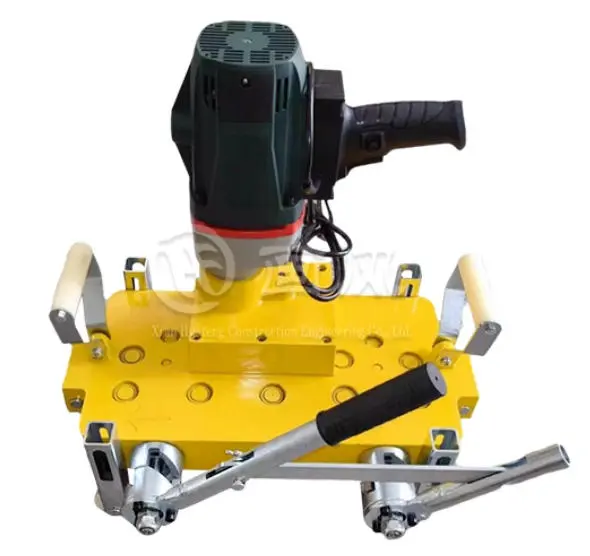
Metal roofing uses two main types of standing seam equipment: those that are operated by hand and those that are powered by electricity. Each category meets the needs of a different job and type of operation. Manual roof seam crimpers are very portable and can be used in a lot of different ways. These hand-powered tools are great for jobs that don't need a lot of electricity or are in tight spaces. Professional roofers like how light they are and how ready they are right away to make changes in the field. Hand seamers give skilled installers exact control over the seaming pressure, so they can adapt their installation methods to different panel materials and weather conditions. When used on big commercial projects, electric standing seam seamers always do a good job. Corded and battery-powered models automate the seaming process, which keeps the quality of the seams consistent over long roofing jobs and reduces worker fatigue. These automated systems make installation much faster, which is very helpful for contractors who have to meet tight dates and work on large roofs. Professional builders usually keep both hand tools and electric tools in their toolboxes. This two-pronged method gives the company the ability to work on a wide range of projects, from small repairs around the house to large commercial installations.
Material Compatibility and Gauge Requirements
Tool-to-material matching is a very important part of installing a metal roof correctly. Standing seam installation tools need to be able to work with different types of metal roofs, like steel, aluminium, copper, Metal Roof Standing Seam Tool and special alloys. Gauge thickness is an important measurement factor. Most business projects use 22- to 24-gauge materials, but some situations need heavier gauges to make them last longer. Roof panel seaming tools need to have enough crimping force to make strong links without damaging the panels' surfaces or lowering the strength of the materials. When handling aluminium panels, be more careful than when handling steel panels. Tools made for working with aluminium have special jaw shapes that keep the material's natural resistance to rust and keep it from getting scratched. Because copper is so hard to work with, even more specialised tools are needed to install copper roofs. Material behaviour during fitting is also affected by temperature. Cold weather makes things more fragile, and too much heat can change how fast panels expand. Good metal roofing tools can handle these differences because they have pressure settings that can be changed and comfortable designs that keep the operator in control even when things get tough.
Power Source Considerations
Choosing the right power sources affects both how well tools work and how quickly a project gets done. Manual tools don't need to be connected to electricity and can be used for an unlimited amount of time. These tools are very helpful for emergency repairs and installs in remote areas where power isn't always available. Standing seam seers that are driven by batteries are portable and don't have to be plugged in. Modern lithium-ion batteries can work for longer periods of time and can be charged quickly. But battery life is very important during busy installation times, so contractors need to make sure they have enough backup power sources. When you use corded electric tools for long periods of time, the power output stays the same. Most of the time, these units have more crimping force than battery-powered options. This makes them perfect for heavy-gauge materials and large setups. Managing electrical cords becomes important for keeping the job site safe and running smoothly. Pneumatic choices have great power-to-weight ratios, but they need a system for storing compressed air. These tools work really well in factories and other places where air compressor systems are already in place.
Seam Type Compatibility
Different standing seam profiles require specific tool configurations. Double-lock seams provide superior weather resistance through mechanical interlocking mechanisms. These connections demand precise tool alignment and consistent pressure application to achieve proper engagement. Snap-lock systems offer faster installation speeds through simplified connection procedures. Roof seam locking tools designed for snap-lock applications feature specialised jaws that engage panel edges without requiring extensive manual manipulation. Mechanical-lock seams combine the security features of double-lock systems with the installation advantages of snap-lock designs. These hybrid approaches require versatile tools capable of handling multiple engagement stages during the seaming process. Understanding seam compatibility ensures optimal tool performance and prevents installation complications. Mismatched tools and Metal Roof Standing Seam Tool seam types often result in compromised weather sealing and potential warranty violations.
Quality Standards and Certifications
Professional-grade metal roof installation equipment must meet rigorous industry standards. ISO9001 certification indicates comprehensive quality management systems throughout manufacturing processes. This certification ensures consistent product quality and reliable performance across production batches.ISO14001 environmental standards demonstrate a manufacturer's commitment to sustainable production practices. Construction companies increasingly prioritise suppliers who maintain environmental responsibility while delivering superior products.SGS testing provides independent verification of product performance claims. These third-party assessments validate tool durability, operational specifications, and safety compliance under real-world conditions. Quality certifications also influence warranty coverage and technical support availability. Manufacturers maintaining stringent quality standards typically offer comprehensive warranty protection and responsive customer service programs.
Ergonomics and Operator Safety
Extended roofing projects demand tools designed for comfortable, safe operation. Ergonomic handle designs reduce operator fatigue while maintaining precise control during repetitive seaming operations. Weight distribution affects long-term usability, particularly during overhead installations and extended work periods. Safety features include non-slip grips, protective guards, and emergency release mechanisms. These elements become critical when working at elevation or in challenging weather conditions. Quality roof panel seaming pliers incorporate safety considerations without compromising operational efficiency. Tool balance affects accuracy and reduces strain on the operator's joints and muscles. Well-balanced designs enable precise seam alignment while minimising physical stress during intensive installation schedules. Maintenance accessibility ensures tools remain operational throughout demanding project timelines. Easily replaceable components and straightforward cleaning procedures extend equipment lifespan while reducing operational downtime.
Durability and Maintenance Requirements
Professional roofing contractors require tools capable of withstanding harsh environmental conditions and intensive use patterns. Corrosion-resistant materials and protective coatings extend operational life while maintaining performance standards. Bearing systems and mechanical components must endure repetitive stress cycles, Metal Roof Standing Seam Tool, without degradation. Quality manufacturers utilise premium materials and precision engineering to ensure reliable operation across thousands of seaming cycles. Lubrication requirements affect ongoing maintenance costs and operational readiness. Tools requiring frequent lubrication may experience downtime during critical project phases. Self-lubricating designs reduce maintenance demands while ensuring consistent performance. Replacement part availability influences long-term ownership costs. Manufacturers offering readily available spare parts and comprehensive service support provide better value propositions for professional contractors.
Cost Analysis and ROI Considerations
The initial cost of a tool is only one part of the total costs of owning it. When professional contractors figure out the return on an investment, they have to look at working efficiency gains, maintenance needs, and productivity gains. When it comes to durability and efficiency, high-quality standing seam crimping pliers often make up for their higher price. These tools usually have cheaper per-project costs because they last longer and don't need to be replaced as often. Total prices are also affected by the amount of training needed. Learning curves are shorter for tools that are easy to use, but longer training programs may be needed for operators of complex systems. Long-term value propositions are affected by warranty coverage and company support services. Full warranties and quick technical help lower operational risks and protect investments in equipment.
Manufacturer Reputation and Support
Established manufacturers with a history of success give customers more trust in the quality of their products and the availability of long-term support. Companies that have worked with metal roofing for a long time know what contractors need and how to deal with problems in the field. When a project runs into problems or equipment stops working correctly, the quality of the technical help becomes very important. Respondent customer service and informed technical staff keep project delays to a minimum and make sure that tools work at their best. Training classes and other learning materials help contractors get the most out of their tools and avoid making common installation mistakes. Manufacturers who offer full training help add value above and beyond just selling products. Distribution networks affect how easy it is to get parts and services. Manufacturers with large distribution networks make sure that contractors get help when they need it, no matter where the job is located.
Conclusion
Selecting ideal metal roof standing seam tools hinges on matching tool types, power sources, and seam profiles to project specifics. Material compatibility, ergonomic design, and stringent quality standards (ISO, SGS) ensure precise, safe installation. Manual tools suit versatile, compact tasks; electric models boost efficiency for large-scale jobs. Prioritize durability, low maintenance, and robust manufacturer support to maximize ROI. HF's premium tools, backed by rigorous QC and technical expertise, deliver reliable performance for diverse roofing applications.
Partner with HF for Premium Metal Roof Standing Seam Tool Solutions
Xi'an Huafeng Construction Engineering Co., Ltd. delivers exceptional metal roof standing seam tool quality through advanced manufacturing capabilities and rigorous quality control standards. As a trusted Metal Roof Standing Seam Tool supplier, HF combines precision engineering with competitive pricing to meet demanding project requirements. Contact huafeng@hfmetalroof.com today to discuss your specific tool requirements and experience our commitment to roofing excellence.
References
1. Smith, J. & Anderson, R. (2023). "Professional Metal Roofing Installation Techniques and Tool Selection Criteria." Journal of Construction Engineering, Vol. 45, pp. 234-251.
2. Thompson, M. (2022). "Standing Seam System Performance Analysis: Tools, Techniques, and Quality Outcomes." International Roofing Contractor Magazine, Issue 8, pp. 67-84.
3. Davis, L. et al. (2024). "Ergonomic Considerations in Metal Roofing Tool Design and Operator Safety Standards." Construction Safety Quarterly, Vol. 18, No. 3, pp. 145-162.
4. Wilson, K. (2023). "Cost-Benefit Analysis of Manual versus Electric Standing Seam Tools in Commercial Applications." Building Economics Review, Vol. 31, pp. 89-107.
5. Rodriguez, C. & Chang, P. (2022). "Material Compatibility and Tool Selection for Multi-Gauge Metal Roofing Systems." Metal Construction Technologies Journal, Vol. 12, No. 4, pp. 201-218.
6. Brown, S. (2024). "Quality Certifications and Performance Standards in Professional Roofing Equipment Manufacturing." Industrial Quality Management, Vol. 29, pp. 112-129.





YOU MAY LIKE