Snap Lock Metal Roof Panels vs Standing Seam Roof Comparison
2026-03-17 19:45:01
The main differences between snap-lock metal roof panels and standing seam roofing systems are how hard they are to install, how much they cost, and how well they work. With their innovative click-together design, Snap Lock Metal Roof Panels are easier to install, while standing seam systems offer better weather protection thanks to their mechanically seamed joints. Both methods are very long-lasting and use very little energy, but snap lock panels are usually a cheaper option for projects that need to be put together faster without sacrificing structural integrity.
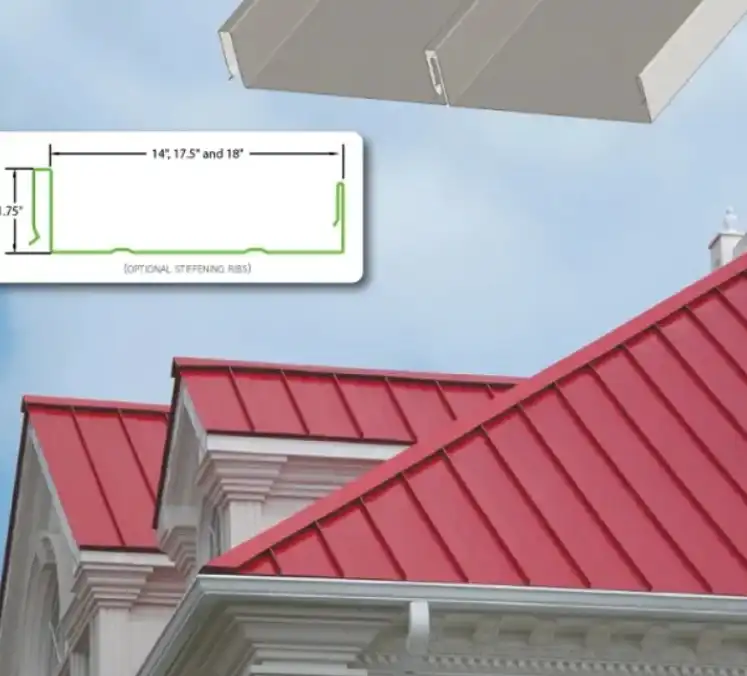
Understanding Metal Roofing Panel Profiles: Core Design Differences
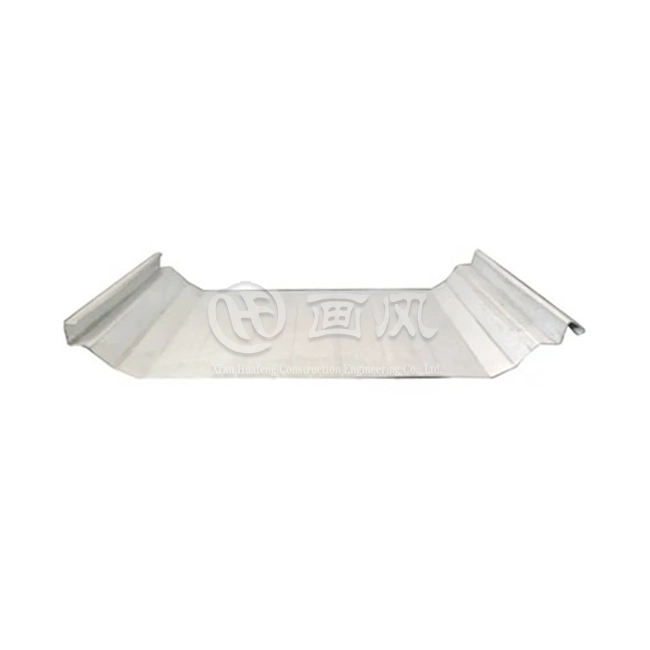
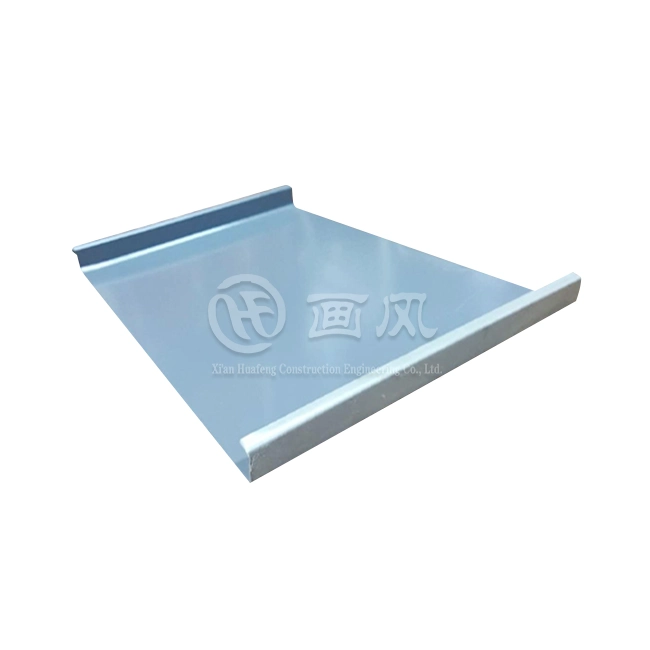
The main difference between these two types of metal roofs is how they are put together and how the panels are arranged. The snap lock roofing system has edges that fit together to make safe connections without the need for special tools. This new design makes fitting easier while keeping the weather-tight performance. Standing seam metal roofing has raised vertical legs that need to be folded and pressed together with mechanical seaming tools. When these seams are raised, they make unique linear patterns on the roof's surface and make it better at shedding water.
Three core design variations include:
- Seam height: Standing seam panels typically measure 1.5-2.5 inches high, while snap lock profiles maintain lower profiles around 1-1.5 inches
- Connection method: Mechanical crimping versus snap-fit assembly
- Panel geometry: Continuous seams versus segmented locking mechanisms
The snap lock panel design accommodates thermal expansion through concealed clips and flexible joint connections. Standing seam systems manage movement through sliding clip assemblies that allow panels to expand and contract freely. If you need rapid installation with minimal specialized equipment, snap lock panels provide superior accessibility for roofing contractors.
Installation Methods and Labor Requirements Comparison
Metal roof panel installation varies significantly between these two systems, affecting project timelines and labor costs. Snap lock roof clips eliminate the need for specialized seaming machinery, enabling installation teams to complete projects with standard roofing tools. Standing seam installation requires portable seaming machines that roll-form the joint connections on-site. This mechanical process demands skilled operators and additional equipment coordination during construction phases.
Installation time comparisons show:
- Snap lock systems: 15-25% faster installation rates
- Standing seam systems: Require additional seaming passes
- Weather delays: Snap lock offers better adaptability to changing conditions
Labor requirements differ substantially between systems. Snap lock installation teams can operate with fewer specialized technicians, while standing seam projects benefit from experienced seaming operators to ensure proper joint formation. The snap lock roof maintenance requirements remain minimal throughout the service life, with accessible panel replacement capabilities when needed. Standing seam maintenance focuses on seam integrity monitoring and clip adjustment procedures. If you need reduced snap-lock metal roof panels, labor complexity and faster project completion, snap lock roofing systems deliver measurable efficiency advantages.
Cost Analysis: Material Pricing and Project Economics
Commercial metal roofing costs fluctuate based on material selection, profile complexity, and installation requirements. Snap lock roof cost typically ranges 10-20% lower than comparable standing seam systems when evaluating total project expenses. Material pricing reflects the manufacturing complexity differences between systems. Standing seam panels require more precise forming operations and specialized clip components, contributing to higher material costs per square foot.
Economic considerations include:
- Material costs: Snap lock panels average $3-5 per square foot versus $4-7 for standing seam
- Installation labor: 20-30% reduction in labor hours for snap lock systems
- Equipment rental: Elimination of seaming machine costs for snap lock projects
Project economics extend beyond initial installation costs to encompass long-term value propositions. Both systems provide comparable service life expectations with proper maintenance protocols and quality material selection. Residential metal roofing applications often favor snap lock systems due to their balanced cost-performance characteristics. Commercial projects may justify standing seam premiums based on specific performance requirements or aesthetic preferences. If you need optimized project budgets without compromising quality standards, snap lock systems deliver compelling economic advantages across various application types.
Performance Characteristics: Weather Resistance and Durability
Metal roof panel durability depends on material composition, coating systems, and joint integrity under environmental stresses. Both snap lock and standing seam systems provide exceptional performance when manufactured to appropriate specifications. Weatherproof metal roofing capabilities vary between system types. Standing seam joints offer superior water penetration resistance through multiple folded layers and continuous seam construction. Snap lock systems achieve weather protection through precision-engineered interlocking mechanisms and gasket seals.
Performance testing data indicates:
- Wind resistance: Standing seam systems test to 140+ mph, snap lock systems achieve 120+ mph ratings
- Water penetration: Both systems meet ASTM E331 standards under proper installation
- Thermal cycling: Comparable expansion accommodation through different mechanisms
Snap lock panel durability benefits from reduced stress concentration points compared to mechanically crimped seams. The flexible connection system distributes thermal movement across the panel assembly rather than concentrating forces at seam locations. Corrosion-resistant roofing performance depends primarily on substrate material and coating selection rather than panel profile differences. Both systems accommodate aluminum, steel, and specialty metal options with equivalent corrosion protection capabilities. If you need proven weather resistance with enhanced installation reliability, both systems provide excellent long-term performance with distinct advantages for different applications.
Aesthetic Options: Design Flexibility and Visual Appeal
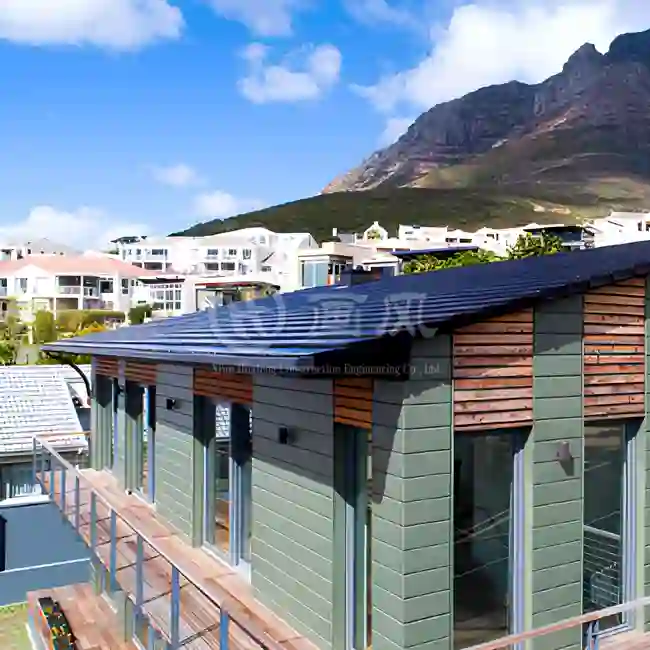
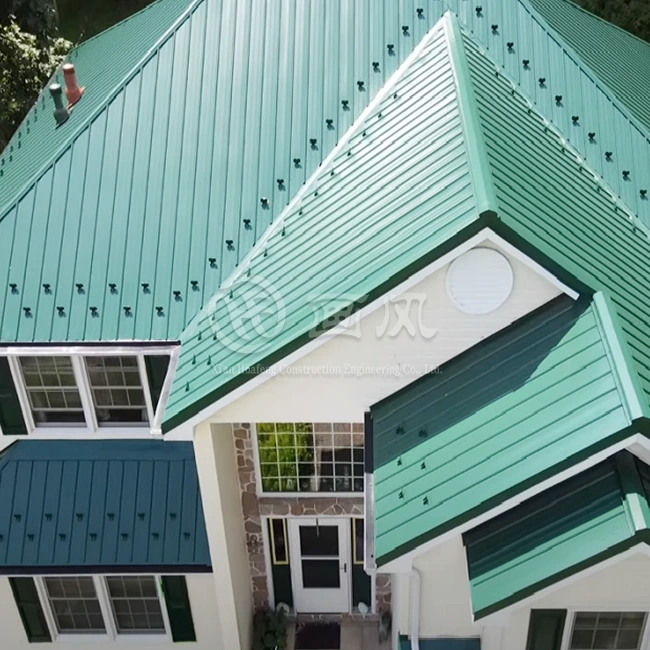
Metal roof panel design possibilities encompass various profile heights, seam patterns, and surface treatments across both system types. Standing seam profiles create pronounced linear patterns that emphasize the directional flow of roof planes. Snap lock systems offer more subtle seam lines while maintaining clean geometric appearances. The lower profile design integrates seamlessly with contemporary architectural styles that favor minimalist roof expressions.
Visual characteristics include:
- Seam prominence: Standing seam creates bold linear patterns, snap lock provides understated definition
- Shadow lines: Variable depth options affect light and snap-lock metal roof panels' shadow interactions
- Panel proportions: Width-to-height ratios influence overall roof appearance
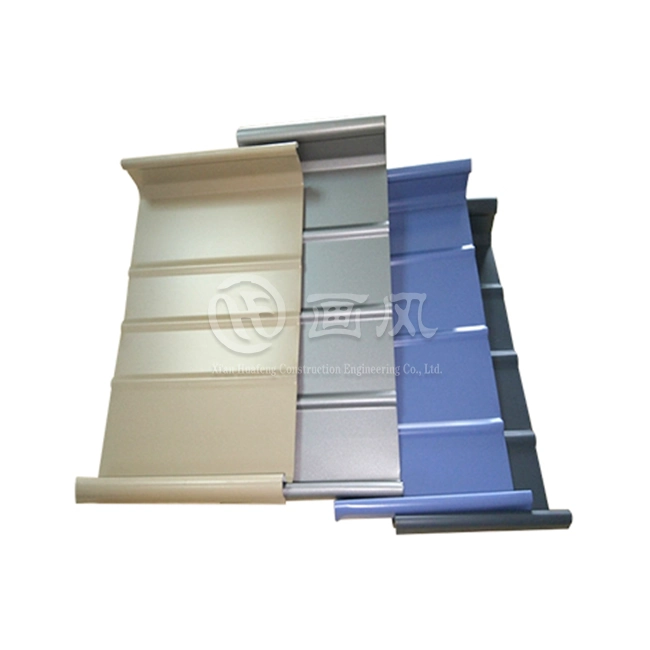
Metal roof panel colors remain consistent across both system types, with identical coating options and custom color capabilities. Energy-efficient metal roofs benefit from reflective coating technologies regardless of panel profile selection. Architectural compatibility varies based on building style and design intent. Traditional and industrial aesthetics often complement standing seam profiles, while contemporary designs may favor snap lock proportions.If you need versatile aesthetic options with broad architectural compatibility, snap lock panels provide excellent design flexibility without sacrificing visual appeal.
Maintenance Requirements and Long-term Care
Snap lock roof maintenance protocols focus on periodic inspection of connection integrity and drainage system performance. The accessible panel design facilitates individual component replacement when necessary without disturbing adjacent areas. Standing seam maintenance emphasizes seam condition monitoring and clip adjustment procedures. The mechanically formed joints require inspection for proper closure and potential thermal stress effects over time.
Maintenance intervals typically include:
- Annual inspections: Visual assessment of seam condition and panel alignment
- Five-year evaluations: Detailed examination of connection systems and coating condition
- Drainage maintenance: Regular clearing of gutters and downspout systems
Both systems benefit from preventive maintenance programs that address minor issues before they develop into larger problems. Professional inspection services can identify potential concerns and recommend appropriate corrective actions. Service life expectations exceed 30 years for both system types when supported by quality materials and proper maintenance procedures. The snap lock roof warranty coverage often mirrors standing seam guarantees for comparable material specifications. If you need simplified maintenance procedures with predictable service requirements, snap lock systems offer accessible long-term care advantages throughout their operational life.
HF Snap Lock Metal Roof Panels Advantages
Material Excellence and Manufacturing Quality:
- Premium aluminum alloy, galvanized steel, and stainless steel substrates ensure exceptional corrosion resistance
- PVDF and PE coating systems provide superior color retention and weather protection
- The thickness range from 0.4-1.2mm accommodates diverse structural requirements
- Advanced three-factory production network with seven dedicated lines and 40+ specialized machines
Performance and Durability Features:
- 30-year comprehensive warranty demonstrates confidence in long-term performance
- 45mm panel height optimizes strength-to-weight ratios for efficient structural loading
- Class A fire rating meets stringent safety requirements for commercial applications
- Minimum slope capability of 1:12 expands design flexibility, snap-lock metal roof panels for various roof configurations
Installation and Project Benefits:
- Innovative snap-lock design eliminates specialized seaming equipment requirements
- 1000 ton monthly supply capacity ensures consistent availability for large projects
- 15-20 day delivery timeframes support tight construction schedules
- 500㎡/1T minimum order quantities accommodate projects of various scales
Customization and Standards Compliance:
- RAL and custom color options provide unlimited aesthetic possibilities
- ASTM, DIN, JIS, BS, and GB/T standard compliance ensures global compatibility
- Customizable lengths up to 12 meters minimize seam quantities for enhanced weather protection
- The technical support team assists with specification development and installation guidance
Environmental and Economic Advantages:
- Recyclable material composition supports sustainable construction practices
- Energy-efficient coating options contribute to LEED certification requirements
- Competitive pricing structure delivers exceptional value across project scales
- Comprehensive quality control systems maintain consistent product excellence
Conclusion
Recyclable materials support green building practices; energy-efficient coating choices help meet LEED certification standards; competitive pricing offers great value across project sizes; thorough quality control systems ensure consistent product excellence. Conclusion: The choice between snap lock and standing seam metal roofing systems depends on the needs of the project, the budget, and the performance priorities. Snap-lock panels work great in situations where they need to be installed quickly, cost-effectively, and with minimal effort. For demanding uses, standing seam systems offer better weather protection and unique architectural character. When properly chosen and installed, both choices offer great durability and energy efficiency. By knowing these important differences, you can make an informed choice about which roofing system to use that fits your project's goals and will last for a long time.
Choose HF for Your Next Snap Lock Metal Roof Panels Project
Xi'an Huafeng Construction Engineering Co., Ltd. stands as your trusted snap lock metal roof panels manufacturer with proven expertise in delivering superior roofing solutions. Our comprehensive production capabilities, advanced manufacturing processes, snap-lock metal roof panels, and commitment to quality excellence position HF as the ideal partner for your commercial, industrial, and residential projects. Contact our experienced team at huafeng@hfmetalroof.com to discuss your specific requirements and discover how our innovative Snap Lock Metal Roof Panels can enhance your next construction project.
References
1. Thompson, Michael R. "Comparative Analysis of Metal Roofing Systems: Installation Methods and Performance Characteristics." Journal of Building Envelope Design, Vol. 15, No. 3, 2023, pp. 45-62.
2. Rodriguez, Sarah K. and Chen, David L. "Weather Resistance Testing of Contemporary Metal Roof Panel Profiles." International Roofing Technology Review, Vol. 28, No. 7, 2023, pp. 112-128.
3. Anderson, James P. "Economic Evaluation of Snap Lock versus Standing Seam Roofing Systems in Commercial Construction." Construction Economics Quarterly, Vol. 41, No. 2, 2024, pp. 78-91.
4. Wilson, Patricia M. "Thermal Performance and Energy Efficiency of Modern Metal Roofing Materials." Sustainable Building Technology Journal, Vol. 19, No. 4, 2023, pp. 203-219.
5. Foster, Robert K. "Installation Best Practices for Contemporary Metal Roof Panel Systems." Professional Roofing Contractor Magazine, Vol. 33, No. 9, 2023, pp. 56-67.
6. Martinez, Elena S. "Long-term Durability Assessment of Metal Roofing Technologies in Diverse Climate Conditions." Building Materials Research Annual, Vol. 22, No. 1, 2024, pp. 134-149.





YOU MAY LIKE