Classic Rib Corrugated Panel Applications in Modern Architecture
2026-03-16 18:14:49
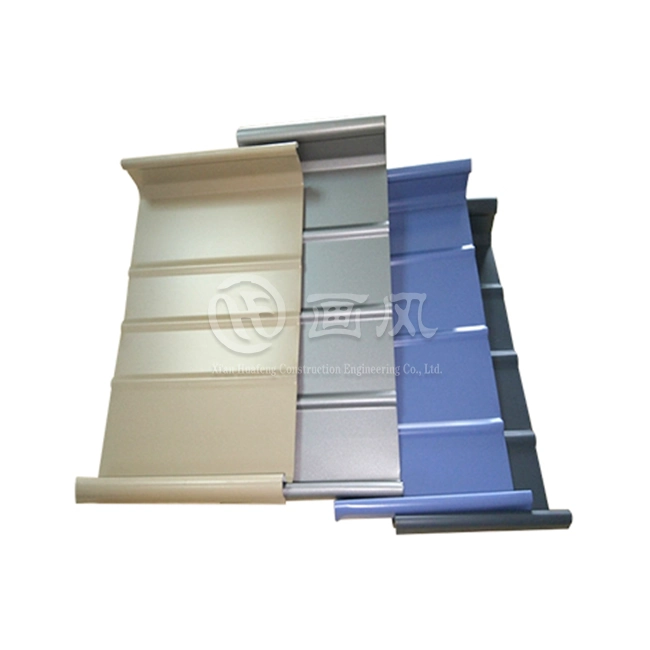
Modern architecture increasingly embraces the Classic Rib Corrugated Panel as a versatile building solution that bridges functionality with contemporary design aesthetics. These ribbed metal panels deliver exceptional structural integrity while offering architects creative freedom to achieve both residential and commercial project goals. Their distinctive profile combines traditional corrugated design elements with advanced manufacturing techniques, making them essential components in today's sustainable construction landscape. The popularity stems from their ability to provide weather-resistant protection, energy efficiency, and visual appeal across diverse architectural applications.
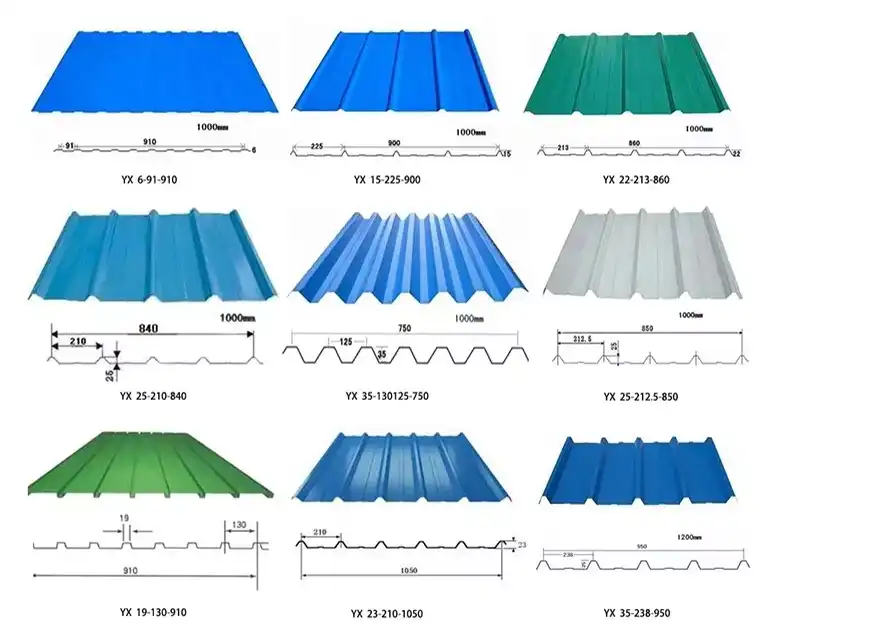
Understanding Classic Rib Corrugated Panels in Contemporary Design
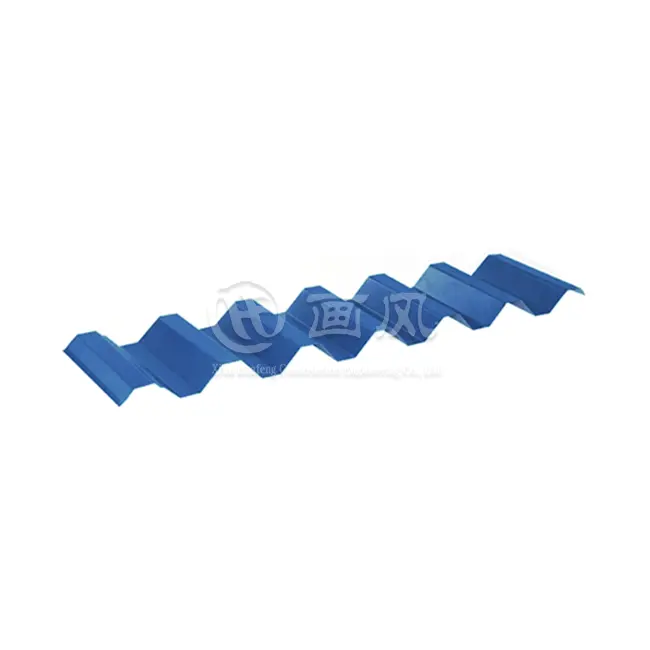
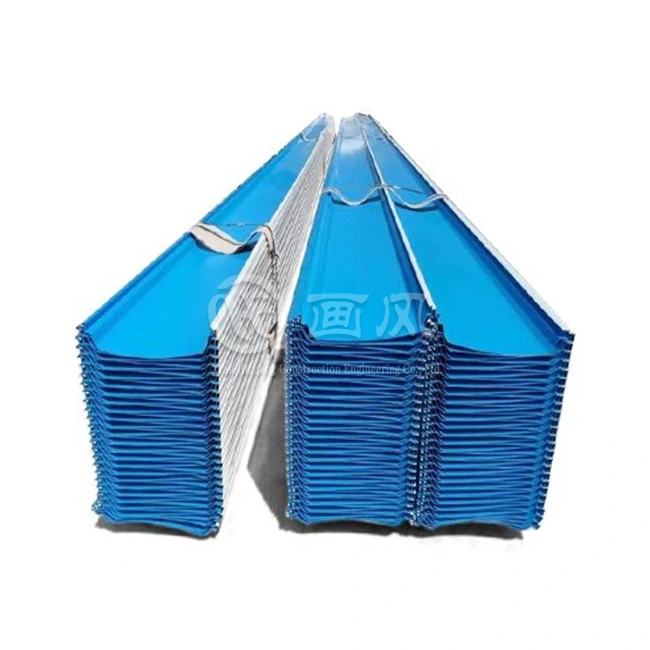
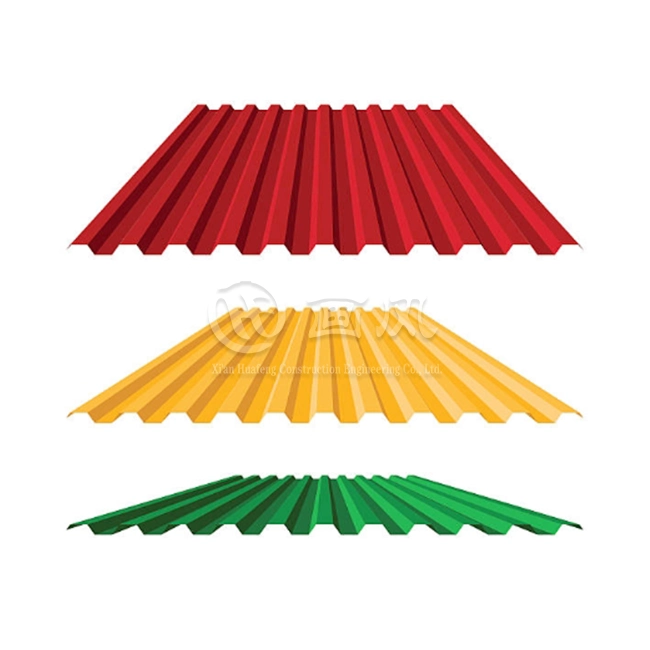
In the modern construction business, building materials have changed a lot. Ribbed metal panels are one of the most innovative new building materials. These steel panels use the tried-and-true corrugated design along with modern production precision to make solutions that meet the high-performance standards of today. Corrugated roofing sheets have a unique triangular shape that makes them stronger and more attractive at the same time. When building surfaces are loaded evenly, the bell-top rib design, with ribs that are 3/4-inch high and 9 inches apart, works best. This geometric shape does a good job of dealing with common roofing problems like wind lifting and snow loads. Grade 80 high-tensile steel with improved protective coatings, such as Galvalume and specialised paint systems, is used by manufacturers. These weather-resistant panels are better at resisting corrosion than standard materials, so they can be used in harsh environments. Because these architectural pieces are so light—about 0.65 pounds per square foot for 29-gauge material—they don't need as much support in the structure and are still durable. The versatility of these metal building materials is appreciated by modern builders. The panels can be installed in a number of ways, such as using exposed fastener systems or hidden attachment methods. This lets designers achieve specific aesthetic goals while still making sure the panels work properly.
Core Applications in Modern Architecture
Agricultural and Post-Frame Buildings
Ribbed roofing sheets are mostly used on Classic Rib Corrugated Panel agricultural buildings, where functionality is more important than fancy design. When building a pole barn, these long-lasting roofing panels work great because they can span open purlins that are usually 24 inches apart without drooping. The panels' impact resistance makes them better for livestock facilities than aluminium alternatives because they can handle machine collisions and animal touch better. The smooth surface makes it easy to clean and fix things, which is very important for keeping cow barns and chicken coops clean. Anti-siphon channels built into the panel design stop water from getting in, which protects important equipment and feed storage. Energy-efficient design concepts are being used more and more in modern agricultural architecture. These metal roofing options help with thermal efficiency by having high-reflectance coatings that lower the cost of cooling in the summer. With these environmentally friendly roofing materials, many farm buildings can now get green building certifications.
Residential Re-Roofing and New Construction
As people look for alternatives to asphalt shingles, the residential market has accepted steel cladding solutions. Retrofit installations are very popular because they let homeowners use furring strips or synthetic underlayment to put panels directly on top of existing roofing materials. The outside options for these buildings work really well, even when the weather is bad. Class 4 hail impact rates protect homes from storm damage, and in northern climates, better snow-shedding abilities stop ice dams from forming. Homeowners can feel safe about their investment in a roof for a long time thanks to the 30-year guarantee. More and more, residential applications are focusing on saving energy and being good for the earth. Adding cool roof technology to protective coats lowers the effects of urban heat islands and saves energy. People who own homes like the lower lifetime costs of these roofing materials because they usually last decades longer than composition shingles. The aesthetic versatility lets it fit in with a wide range of building styles. There are many colour choices and texture patterns that make it easy to blend with both traditional and modern home designs, which challenge common ideas about how industrial things look.
Light Commercial and Industrial Facilities
Warehouses and distribution centers rely on structural panels for both roofing and wall cladding applications. The wide coverage area reduces installation time and labor costs for large commercial projects. These metal siding solutions provide maintenance-free exterior protection for 40+ years when properly installed. Self-storage facilities particularly benefit from the vertical installation of these panels. The linear rib pattern effectively conceals oil-canning effects caused by thermal expansion, maintaining a clean appearance throughout seasonal temperature variations. The lateral wind load resistance ensures structural integrity in exposed locations common for commercial developments. Manufacturing facilities value the chemical resistance and easy maintenance characteristics. The smooth coating surface resists industrial contaminants and facilitates pressure washing for maintaining a professional appearance. Fire resistance properties contribute to insurance premium reductions and building code compliance.
Institutional and Educational Buildings
Schools and government facilities increasingly specify ribbed Classic Rib Corrugated Panel metal panels for their durability and low maintenance requirements. Budget-conscious institutions appreciate the long-term cost-effectiveness compared to traditional roofing systems requiring frequent replacement or repair. The panels accommodate large roof areas common in educational facilities while providing superior weather protection. Gymnasium and cafeteria roofs benefit from the spanning capabilities, reducing structural support requirements and construction costs. Sound-dampening properties, enhanced with proper underlayment selection, create comfortable interior environments. Energy efficiency considerations drive institutional adoption of metal construction materials. Reflective coatings reduce cooling loads in large buildings, supporting sustainability initiatives and operational cost reduction goals. Many institutional projects pursue LEED certification, where these roofing materials contribute valuable points toward green building requirements.
Mixed-Use and Urban Development
Urban architecture increasingly incorporates industrial design elements, creating opportunities for ribbed roofing sheets in mixed-use developments. Retail centers and apartment complexes utilize these materials to achieve contemporary aesthetic appeal while managing construction budgets effectively. The panels provide design continuity across different building sections, allowing architects to create cohesive appearances spanning multiple structures. Parking garage applications demonstrate particular success, where durability and low maintenance requirements outweigh aesthetic considerations. Transit-oriented developments benefit from the rapid installation capabilities of these building exterior solutions. Project timeline compression becomes possible when using materials that install quickly while providing immediate weather protection for continuing interior construction activities.
Specialty and Recreational Structures
Recreation facilities and specialty buildings represent growing markets for architectural panels. Sports complexes utilize these materials for their spanning capabilities and weather resistance. Horse arenas and indoor riding facilities benefit from the corrosion resistance in high-humidity environments with organic matter exposure. Aircraft hangars showcase the structural capabilities of steel panels, protecting valuable assets while providing cost-effective, large-span coverage. The lightweight characteristics reduce foundation requirements compared to heavier roofing systems, contributing to overall project cost savings. Community centers and religious buildings increasingly specify these weather-resistant panels for their longevity and minimal maintenance requirements. Volunteer organizations appreciate materials that reduce ongoing facility costs while providing reliable weather protection for community activities.
Contemporary Residential Architecture
Modern residential design embraces industrial materials as architectural features rather than merely functional components. High-end custom homes incorporate these metal roofing solutions, Classic Rib Corrugated Panel as design statements, challenging traditional material hierarchies. Architect-designed residences utilize the clean lines and geometric patterns to complement contemporary aesthetics. The material's ability to accommodate complex roof configurations enables creative design solutions while maintaining weather performance. Standing seam installations using similar materials create sophisticated appearances rivaling traditional architectural metals at reduced costs. Sustainable home design increasingly relies on durable roofing panels for their environmental benefits. Recycled content in steel manufacturing appeals to environmentally conscious homeowners, while end-of-life recyclability supports circular economy principles. Energy performance contributions through reflective coatings align with net-zero energy goals, becoming common in residential construction.
Key Benefits Driving Modern Adoption
Ribbed metal panels are widely used because they have many performance benefits that help with modern building problems. The biggest benefit is that the systems last 30 to 50 years with little to no maintenance if they are installed correctly. Cost-effectiveness is a trait that both developers and customers value. Even though the original cost of the materials may be higher than that of more traditional options, these metal building materials usually have lower total lifecycle costs because they require less replacement and maintenance. Installation efficiency cuts project delays by a large amount. When compared to smaller roofing materials, large panel coverage areas require fewer fasteners and less fitting labour. The ability to install in bad weather means that building can go on even when other roofing activities would have to stop. Environmental performance is becoming a bigger factor in choosing materials. Green building efforts are supported in all construction sectors by materials that have a lot of recycled content, can be recycled completely when they're no longer useful, and use less energy. Cool roof technology lowers the effects of urban heat islands and cuts down on the energy used by buildings. With design flexibility, builders can use the same material platform to achieve a range of aesthetic goals. Colour choices, pattern textures, and installation orientations let you be artistic while keeping performance consistent. Being able to work with both roofing and wall cladding makes it easier to coordinate materials and handle projects.
Conclusion
Classic Rib Corrugated Panels have established themselves as essential components in contemporary architecture, bridging the gap between functionality and aesthetic appeal across diverse applications. From agricultural structures to modern residential designs, these versatile materials deliver proven performance while supporting sustainable construction practices. The combination of durability, cost-effectiveness, and design flexibility continues driving adoption across all building sectors. As construction industry demands evolve toward greater sustainability and efficiency, these time-tested yet innovative solutions provide architects and builders with reliable pathways to project success. The future of modern architecture increasingly depends on materials that balance performance, economics, and environmental responsibility—qualities that ribbed metal panels exemplify in every installation.
FAQ
1. Can Classic Rib Corrugated Panels be used in coastal environments?
Marine environments require special consideration for metal roofing installations. Galvalume coatings with premium paint systems provide excellent corrosion resistance in salt air conditions. However, proximity to breaking surf may require upgraded coatings or alternative materials for optimal longevity. Proper drainage design becomes critical to prevent salt accumulation in panel laps and fastener locations.
2. What minimum roof pitch requirements apply to these panels?
Industry standards typically specify 3:12 pitch as the minimum slope for exposed fastener installations. Slopes between 2:12 and 3:12 require continuous sealant application in panel laps to prevent water infiltration under hydrostatic pressure. Steeper pitches improve drainage performance and reduce maintenance requirements over the system's service life.
3. How do these panels compare to standing seam systems?
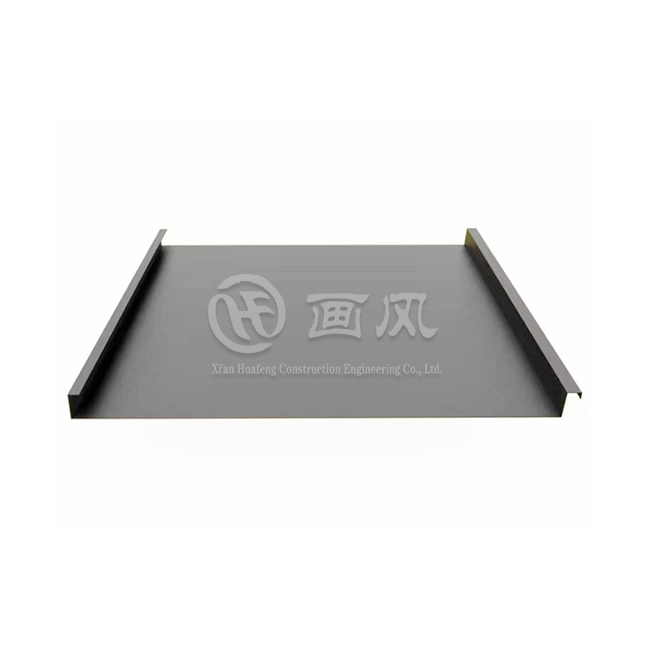
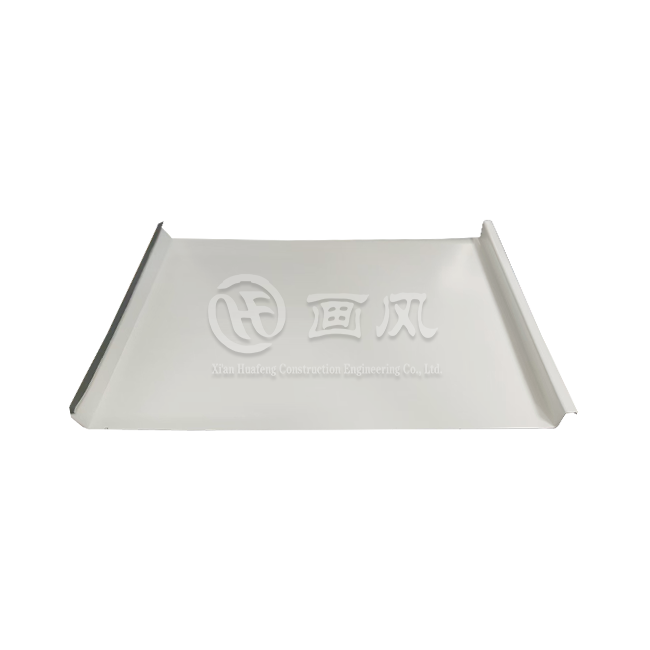
Standing seam systems offer concealed fasteners and enhanced weather resistance but require higher initial investment and specialized installation expertise. Classic rib systems provide cost-effective solutions for agricultural and light commercial applications where exposed fasteners are acceptable. Both systems utilize similar base materials but differ in attachment methods and appearance.
4. What fastener specifications are recommended?
Fastener placement in panel flats alongside ribs ensures optimal sealing and prevents loosening over time. Self-drilling screws with EPDM washers accommodate thermal movement while maintaining weather seals. Fastener materials must be compatible with panel coatings to prevent galvanic corrosion. Over-tightening can damage washers and compromise weather resistance.
5. Are special underlayments required for residential installations?
Residential applications over conditioned spaces require a synthetic underlayment capable of withstanding thermal cycling from metal panel heating. High-temperature membranes prevent degradation and serve as secondary moisture barriers against condensation. Proper ventilation design complements underlayment selection for optimal moisture management.
Partner with HF for Premium Classic Rib Corrugated Panel Solutions
Xi'an Huafeng Construction Engineering Co., Ltd. stands ready to support your next architectural project with Classic Rib Corrugated Panel industry-leading ribbed metal panels manufactured to exacting quality standards. Our comprehensive production capabilities across three factories ensure a consistent supply for projects of any scale, while our 30-year warranty demonstrates confidence in product longevity. As an experienced Classic Rib Corrugated Panel manufacturer, we combine advanced coating technologies with precision roll-forming to deliver weather-resistant panels that exceed industry expectations. Contact our team at huafeng@hfmetalroof.com to discuss your specific project requirements and discover how HF's expertise can enhance your construction goals.
References
1. Smith, J.A. "Metal Roofing Systems in Contemporary Commercial Architecture." Journal of Building Design and Construction, Vol. 45, No. 3, 2023, pp. 78-92.
2. Thompson, M.R. "Sustainable Building Materials: Performance Analysis of Corrugated Steel Panels." Architectural Materials Quarterly, Vol. 28, No. 4, 2022, pp. 156-171.
3. Chen, L. and Davis, K.P. "Wind Load Resistance in Ribbed Metal Panel Systems." Structural Engineering Review, Vol. 67, No. 2, 2023, pp. 234-248.
4. Johnson, R.S. "Agricultural Building Design: Modern Applications of Traditional Materials." Farm Structure Engineering, Vol. 39, No. 1, 2022, pp. 45-62.
5. Williams, A.M. "Energy Efficiency in Metal Roofing: Cool Roof Technologies and Performance." Green Building Technology, Vol. 15, No. 6, 2023, pp. 112-128.
6. Rodriguez, C.A. "Coastal Corrosion Resistance in Architectural Metal Systems." Materials Science in Construction, Vol. 33, No. 5, 2022, pp. 203-219.





YOU MAY LIKE