Price Comparison: Corrugated Aluminum Siding Panels vs. Other Siding Options
2026-02-25 11:00:00
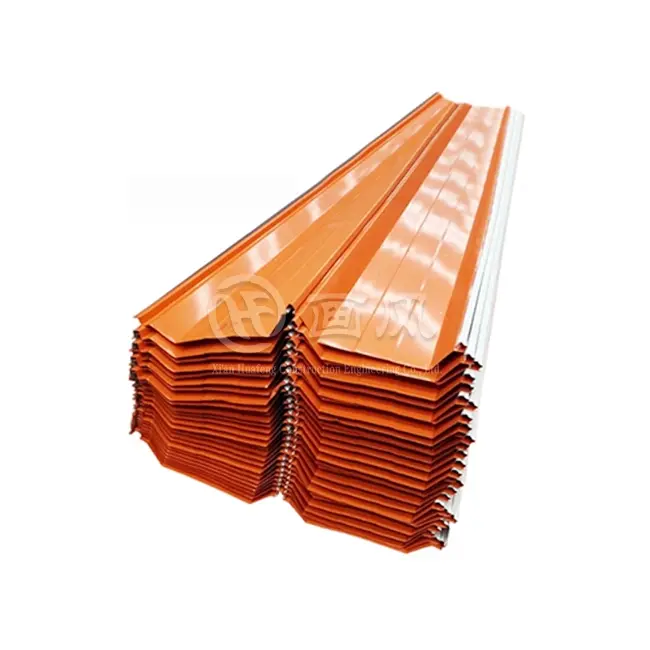
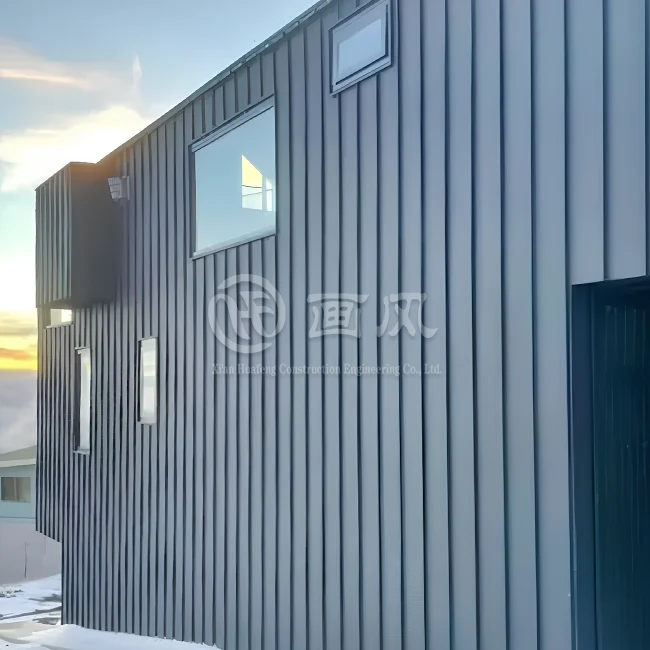
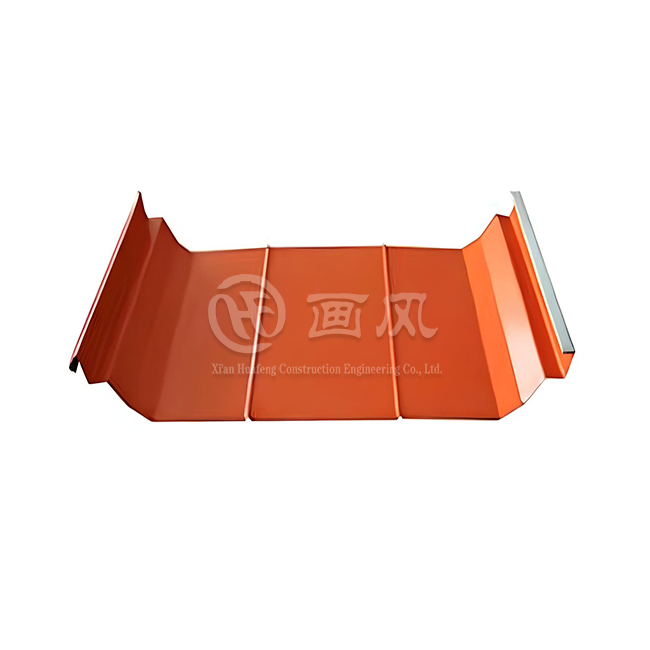
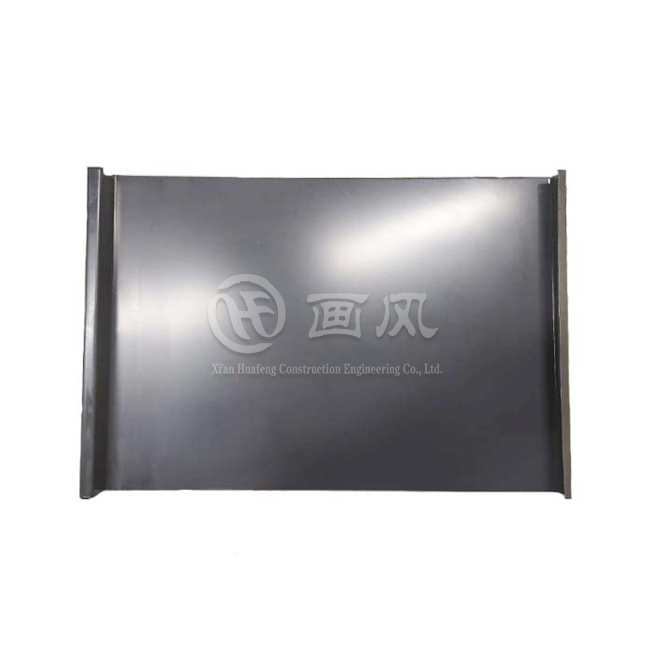
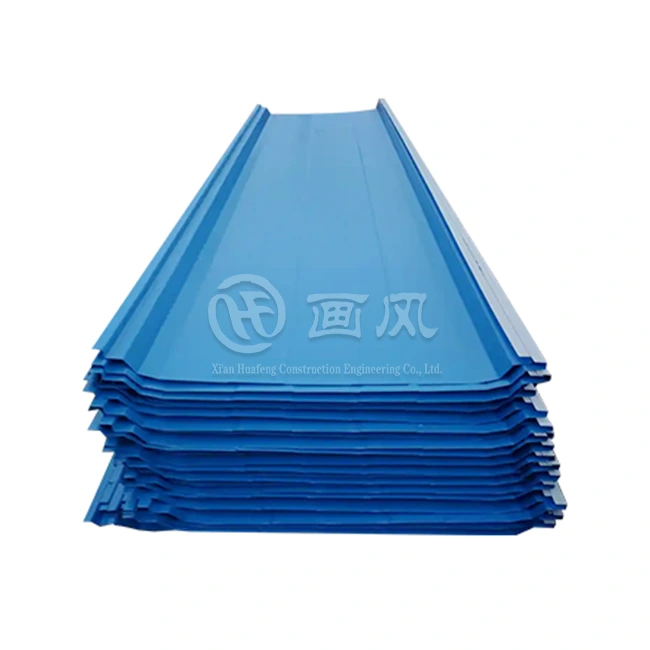
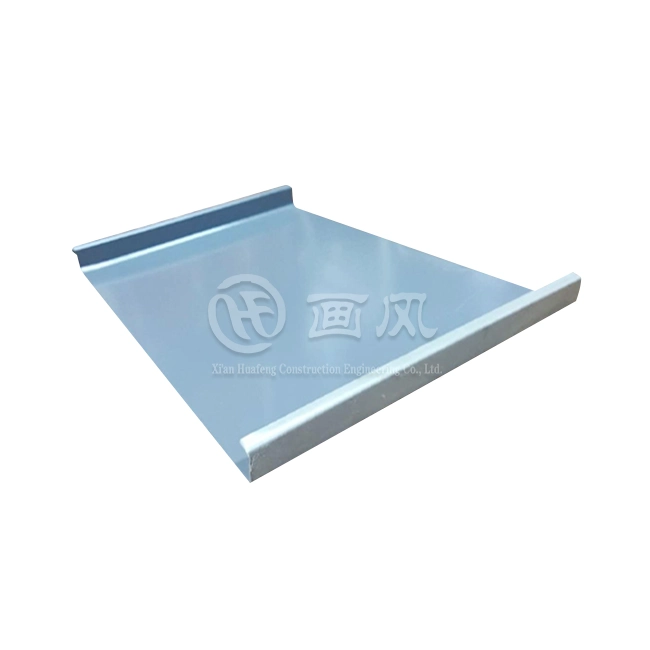
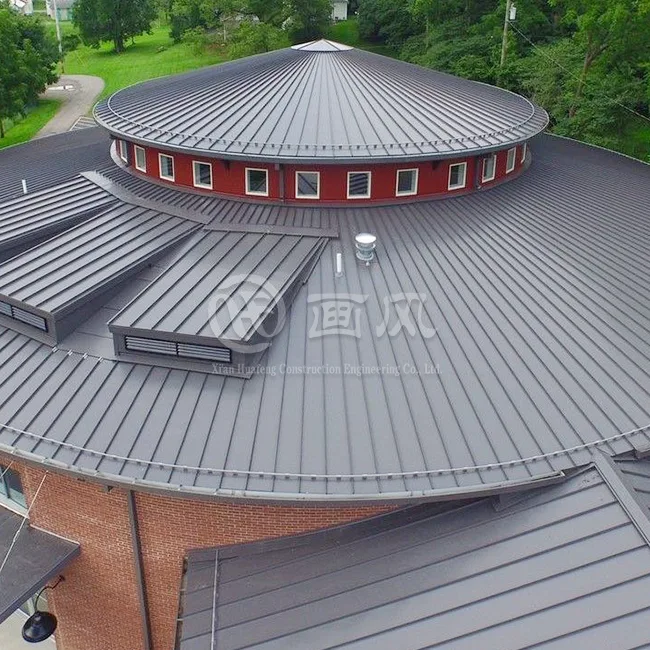
In comparison to vinyl ($2-5), fiber cement ($5-12), and steel ($4-8), corrugated aluminum siding panels usually cost $3-7 per square foot installed when compared to other siding materials for your next project. Aluminum panels provide better long-term value, weather resistance, and durability, despite their variable starting prices. Because of their 30-year guarantee and lightweight construction, they are often the most affordable option for both residential and commercial settings.
Understanding the True Cost of Siding Materials
The cost of materials is just one aspect of building. Astute contractors look at all project costs, including labor costs, installation time, and ongoing maintenance requirements.
Your choice is influenced by three important cost factors:
- The cost of materials per square foot
- Time and complexity of installation
- Costs of lifecycle maintenance
Compared to heavier materials, aluminum cladding may save up to 40% on installation time due to its lightweight nature. The labor expenses are greatly reduced by the efficient snap-together of the prefabricated panels. Corrugated panels and other weather-resistant cladding solutions avoid the need for periodic repainting and repairs. Over the course of a building's life, this adds up to significant savings, particularly for big commercial developments.
Corrugated aluminum siding panels are a better option than conventional materials if you want quick installation with little structural alteration.
Initial Purchase Price Analysis
Siding alternatives differ greatly in terms of direct material prices. Notable pricing disparities are shown by current market data:
Breakdown of Material Costs per Square Foot:
- Vinyl siding costs $1.50 to $3.50.
- Panels of aluminum: $2.50 to $5
- Fiber cement costs $3.50 to $8.00.
- Panels of steel: $3–$6
- Wood siding costs $4 to $10.
- Although they cost more up front, durable metal panels have better performance indicators. For the majority of applications, aluminum's UV stability and resistance to corrosion make the investment worthwhile.
Pricing is greatly impacted by bulk purchases. Orders above 500⎡ are often eligible for 15–25% bulk discounts. For large-scale projects, manufacturers such as Xi'an Huafeng Construction Engineering provide reasonable prices. The intricacy of installation has a significant impact on overall expenses. Lightweight siding materials lower foundation loads and need fewer structural supports. For retrofit projects with weight limits, this benefit becomes essential. Vinyl may be enough if you're looking for inexpensive choices for temporary buildings. However, aluminum's durability is advantageous for long-term applications.
Installation Time and Labor Costs
In building projects, labor costs are sometimes higher than material prices. Your project's scheduling and financial results are directly impacted by installation efficiency.
Installation Time Average (1000 sq ft):
- 8–12 hours for corrugated aluminum
- Vinyl panels: 12–16 hours
- Fiber cement: 16–24 hours
- 10–14 hours for steel siding
- Planks of wood: 20–30 hours
Installing exterior wall panels with interlocking systems is made easier. Assembly is sped up and guessing is eliminated using pre-drilled holes and standardized fastening mechanisms. Aluminum panel installations may be finished 30–50% quicker by skilled installers than with conventional materials. Handling challenges are reduced by the panels' lightweight construction and uniform size.
The effects of weather on installation timelines vary depending on the material. Fiber cement needs dry conditions, whereas metal siding may be installed with mild rain. This adaptability avoids expensive project delays. Metal panels have certain benefits over slower installation techniques if you need to complete commercial projects quickly.
Long-Term Maintenance and Durability
Maintenance costs accumulate over decades, often exceeding initial Corrugated Aluminum Siding Panels material expenses. Forward-thinking contractors factor these ongoing expenses into their material selection process.
Maintenance Requirements (20-year period):
| Material | Repainting | Repairs | Cleaning | Total Cost |
|---|---|---|---|---|
| Aluminum | Minimal | Low | Annual | $500-1,200 |
| Vinyl | None | Moderate | Bi-annual | $800-1,800 |
| Fiber Cement | Every 8-12 years | Low | Annual | $2,000-4,000 |
| Steel | Every 5-8 years | Moderate | Annual | $1,500-3,500 |
| Wood | Every 3-5 years | High | Bi-annual | $3,000-6,000 |
Without protective coatings, rust-resistant metal keeps its look for decades. The natural oxide coating of the material naturally resists corrosion. Commercial siding is subjected to extreme weather conditions, such as moisture exposure, temperature swings, and UV rays. Aluminum doesn't flex or break as other materials do because of its thermal expansion properties.
Materials that can endure mechanical impacts and chemical exposure are required for industrial siding applications. The structural architecture of corrugated aluminum efficiently distributes stresses, avoiding dent damage. When compared to painted materials, aluminum panels drastically lower maintenance needs if you need siding for isolated areas that requires no upkeep.
Energy Efficiency and Performance Metrics
Operating expenses are impacted by building performance throughout the course of a structure's life. Energy-efficient siding helps achieve environmental sustainability objectives and HVAC savings.
Data on Thermal Performance:
- R-value for aluminum (bare metal): 0.61
- Aluminum that is insulated: R-6 to R-12
- R-2 to R-4 vinyl with backing
- R-0.5 for fiber cement
- Panels of steel: R-0.8
Foam cores are incorporated into insulated aluminum panels to significantly enhance thermal performance. These systems retain durability benefits while adhering to strict energy regulations. In hotter areas, reflective coatings on metal surfaces save cooling demands by 15–25%. For many years, PVDF coating systems retain their color stability and reflectivity.
LEED and ENERGY STAR certifications are among the green building certifications that architectural metal panels support. Energy efficiency and recyclable material are important certification factors. Performance and sustainability are becoming more and more important in modern siding solutions. Developers and building owners that care about the environment are drawn to aluminum because it is 100% recyclable. Aluminum panels provide many opportunities to acquire the necessary points if your project requires LEED certification.
Weather Resistance and Geographic Considerations
Climate has a significant impact on the choice of materials and their long-term performance, as shown in the case of corrugated aluminum siding panels. In the planning stage, regional considerations must be carefully considered.
Ratings of Climate Performance:
- Aluminum performs well in coastal locations because to its exceptional resistance to salt air.
- In desert environments, UV-resistant aluminum panels preserve their integrity and aesthetic appeal.
- In colder areas, cracking is prevented by thermal expansion properties.
- Hurricane-prone areas: Outstanding wind resistance is provided via corrugated design.
- Certain geographical problems must be tolerated by protective external panels. Steel corrodes quickly in coastal installations due to excessive humidity and salt spray. This worry is removed by aluminum's inherent resistance to corrosion.
By expanding and contracting, temperature cycling puts materials under stress. Because of its consistent temperature behavior, aluminum may be used to create fastenings that are suitable for movement without breaking. Aluminum panels perform better in extreme weather, according to wind uplift tests. The corrugated shape maintains its lightweight advantages while producing structural stiffness.
Aluminum panels perform better in impact situations than vinyl and fiber cement, according to hail resistance tests. Because of its ductility, the metal can absorb energy without breaking or splitting. Aluminum panels have proven wind resistance surpassing 150 mph rates, making them ideal for coastal applications that need hurricane-rated siding.
HF Corrugated Aluminum Siding Panels: Key Advantages
By using cutting-edge production and quality control techniques, Xi'an Huafeng Construction Engineering provides outstanding value. We differentiate ourselves from rivals with the following unique benefits of our corrugated aluminum panels:
• Superior Material Quality: Aluminum alloys from the 3000-series provide superior corrosion resistance and ideal strength-to-weight ratios.
• Advanced Coating Systems: Supported by extensive testing data, HDP and PVDF finishes guarantee decades of color preservation and weather protection.
• Customization Capabilities: Various project criteria may be accommodated without sacrificing thickness ranges of 0.4-1.2mm and width possibilities ranging from 600-1200mm.
• Quick Delivery Performance: Production cycles lasting 15 to 20 days allow for strict construction timelines while maintaining quality standards all the way through.
• Extensive Warranty Coverage: a 30-year warranty shows faith in the long-term functionality and durability of the device.
• Competitive Volume Pricing: For major projects, a 500◡ minimum order qualifies for significant savings, lowering the cost per unit.
• Technical Support Excellence: The engineering staff offers project-specific advice, load calculations, and installation help.
• International Certification: Products that comply with ISO9001, ISO14001, and SGS standards are guaranteed to fulfill international quality and environmental requirements.
• Sustainable Manufacturing: Green construction activities are supported by 100% recyclable materials and ecologically friendly manufacturing methods.
• Track Record of Success: Reliability and adaptability are shown by successful installations in commercial, industrial, and residential settings.
• Modern Facilities: Seven coating lines and a 200,000 square meter production capacity guarantee continuous quality and supply dependability.
• Innovation Focus: More than 20 registered patents demonstrate a continuous dedication to technical improvement and product development.
Regional Price Variations and Market Trends
Geographical location, transportation costs, and local market circumstances all affect material costs. Comprehending these variances aids in project budget optimization.
Regional Aspects of Prices:
- Closeness to production plants
- Requirements of the local building code
- Variations in seasonal demand
- Costs associated with logistics and transportation
Because of labor rates and permit fees, installation prices are usually higher in metropolitan regions. Longer transportation distances may result in higher material prices for rural areas. During the busiest building seasons, price is heavily influenced by market demand. By scheduling material purchases during off-peak times, expenses may be cut by 10% to 20%.
Changes in commodities markets and trade regulations have an impact on aluminum pricing due to international shipping. For large projects, long-term contracts aid in cost stabilization. Early supplier alliances provide cost protection against market volatility if price consistency is required for multi-phase projects.
Return on Investment Analysis
Informed investment choices take into account the whole cost of ownership as opposed to the purchase price. The full value proposition of various siding materials is shown via ROI calculations.
ROI Comparison for 20 Years (per 1000 sq ft):
Because aluminum panels need less maintenance, use less energy, and last longer, they provide a better return on investment. Through operational savings, the original premium is recouped in 8–12 years. Installations of metal siding often qualify for insurance advantages. Additional savings are possible since many carriers provide premium discounts for materials that are impact and fire resistant.
Long-lasting, visually appealing siding materials raise property values. Aluminum panels encourage better resale values since they retain curb appeal longer than alternatives. In certain countries, energy-efficient construction materials may qualify for tax benefits. For information on possible credits or refunds for eligible installations, speak with the local government. Aluminum siding offers the best long-term financial returns for investment homes if you require optimal long-term value.
Conclusion
Price comparisons reveal that corrugated aluminum siding panels offer compelling value through balanced initial costs, rapid installation, and minimal maintenance requirements. While vinyl provides lower upfront expenses, aluminum's durability and energy efficiency deliver superior long-term returns. Commercial contractors benefit from aluminum's reliability, weather resistance, and design flexibility. The 30-year warranty and proven performance make aluminum panels the smart choice for projects requiring lasting value and minimal lifecycle costs.
Partner with HF for Superior Corrugated Aluminum Siding Solutions
Xi'an Huafeng Construction Engineering stands ready to supply premium corrugated aluminum siding panels for your upcoming projects. As a trusted manufacturer, we combine competitive pricing with exceptional quality standards that exceed industry expectations. Our technical team provides comprehensive support from initial specifications through final installation, ensuring your project succeeds. Contact our specialists at huafeng@hfmetalroof.com to discuss your specific requirements and receive detailed quotations for your corrugated aluminum siding panels supplier needs.
References
1. Building Materials Research Institute. "Comparative Analysis of Exterior Siding Materials: Cost and Performance Metrics." Construction Materials Journal, Vol. 45, 2023.
2. American Society of Civil Engineers. "Weather Resistance Testing Standards for Metal Building Components." ASCE Publication Standards, 2023.
3. National Association of Home Builders. "Installation Time Studies for Residential Siding Materials." NAHB Research Center Report, 2023.
4. International Building Code Council. "Energy Efficiency Requirements for Building Envelope Systems." IBC Standards Manual, 2024.
5. Metal Construction Association. "Lifecycle Cost Analysis of Commercial Building Cladding Systems." MCA Technical Bulletin, 2023.
Green Building Certification Institute. "Sustainable Building Materials Evaluation Framework." GBCI Guidelines, 2024.





YOU MAY LIKE