How Flat Lock Zinc Cladding Panels Improve Energy Efficiency in Buildings?
2026-02-25 11:00:00
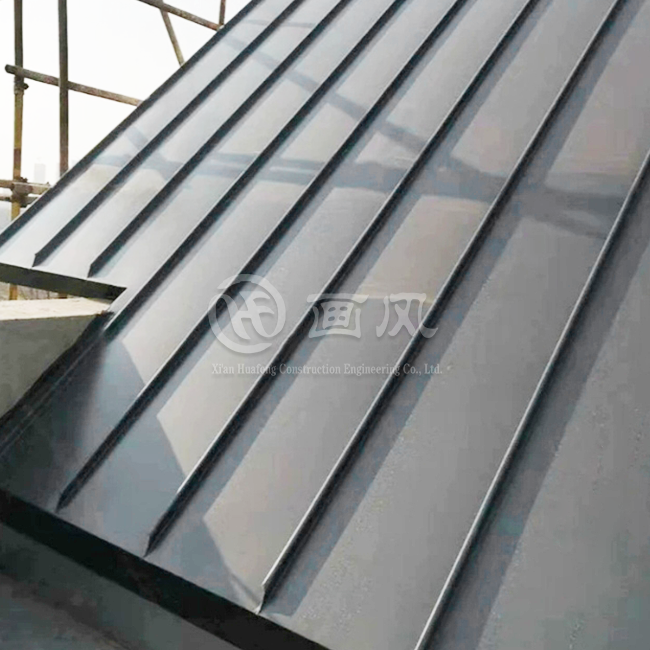
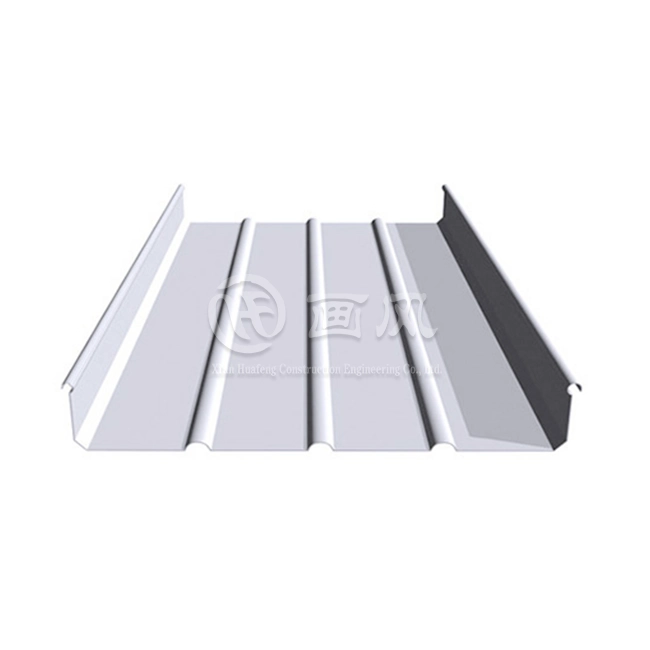
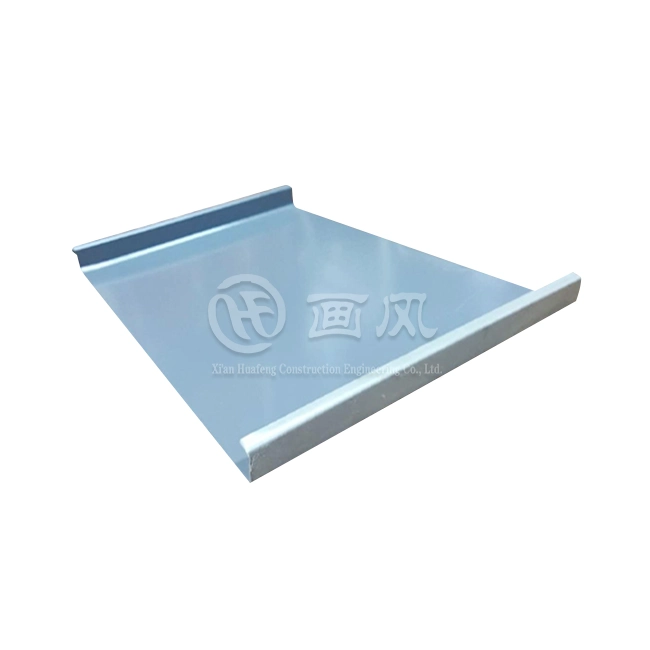
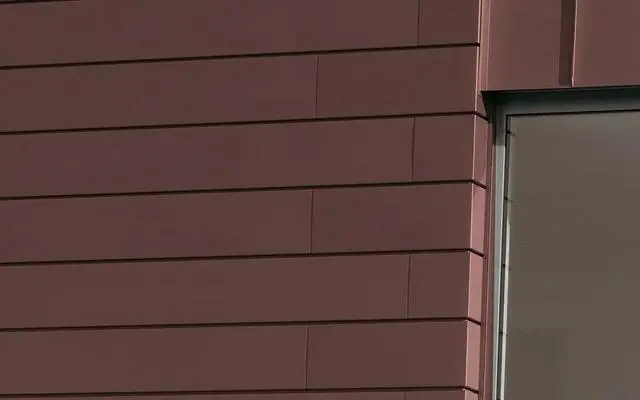
Flat Lock Zinc Cladding Panels' outstanding insulation capabilities, reflecting qualities, and thermal performance greatly increase building energy efficiency. The efficient thermal barrier produced by these architectural metal panels decreases heat transmission, lowers heating and cooling energy use, and keeps inside temperatures constant throughout the year. The zinc alloy panels' natural reflecting surface lowers solar heat gain and their special flat lock joint system avoids thermal bridging, making them the perfect option for environmentally friendly construction materials that help save energy over time.
Understanding the Science Behind Energy-Efficient Metal Panels
Zinc wall cladding's energy efficiency is derived from a number of fundamental scientific ideas that combine to provide exceptional thermal performance. The inherent thermal characteristics of zinc alloy panels aid in the efficient control of building temperatures. The material's high thermal mass aids in regulating internal temperatures by absorbing and gradually releasing heat energy, while its poor thermal conductivity stops heat transmission through the building exterior.
Cutting-edge technical methods are used in contemporary flat lock roofing systems to optimize these inherent qualities. Thermal performance is directly impacted by the constant material thickness and surface quality that are guaranteed by the exact manufacturing process. The continuous thermal barrier produced by these weather-resistant cladding systems, when built correctly, greatly lowers energy loss through the building envelope. Zinc's crystalline structure naturally produces a protective patina coating that improves Flat Lock Zinc Cladding Panels' thermal efficiency and durability. Because of their self-healing property, the panels continue to provide reliable thermal advantages for decades without deteriorating, maintaining their energy performance during their long lifetime.
Thermal Bridge Elimination Through Advanced Panel Design
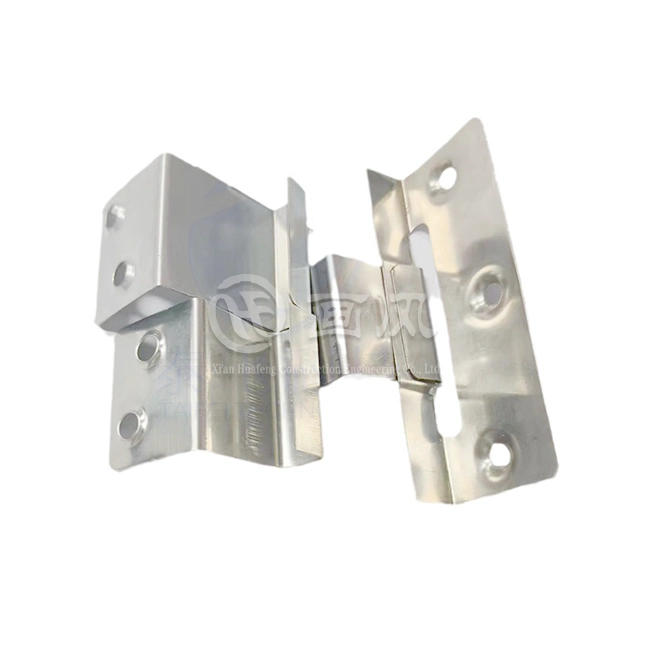
Thermal bridges, or places where heat moves readily through the building envelope, are often created by traditional construction materials, which reduces energy efficiency. Modern outside panels' creative design overcomes this difficulty by removing these troublesome heat transfer paths with advanced technical solutions. Without using penetrating fasteners that might jeopardize thermal integrity, the flat lock joint system seamlessly connects panels. The hot spots and cold areas that usually appear with traditional cladding systems are eliminated by this continuous surface. The interlocking system eliminates thermal bridging and air intrusion while preserving structural integrity.
Expert installation methods guarantee correct alignment and strong connections, which improve thermal performance even further. Thermal expansion and contraction are permitted by the precisely developed profiles without affecting the thermal envelope of the structure. This adaptability avoids spaces or divisions that over time may lower energy efficiency. Consistent panel dimensions and surface characteristics, which support the best possible thermal performance, are guaranteed by high-quality production procedures. Modern manufacturing processes provide panels with consistent surface properties and thickness, optimizing the potential for energy savings across whole building facades.
Solar Heat Management and Reflective Properties
Zinc sheet cladding's inherent reflective qualities are essential for controlling solar heat gain, especially for homes and businesses in warm areas. A large percentage of solar radiation is reflected by the metallic surface, which lowers the quantity of heat that the building structure absorbs. These reflecting qualities may be improved by various surface treatments to satisfy certain climatic needs. While natural zinc gradually acquires its protective patina, pre-weathered coatings provide instant advantages in terms of solar reflection. Both solutions provide superior long-term solar heat management performance.
Selecting colors carefully may improve solar reflection properties even further. Darker coatings could be favored for aesthetic reasons in colder areas where some solar heat gain is advantageous, whereas lighter finishes reflect more solar radiation. Having a wide range of color choices enables architects to strike a balance between design specifications and energy efficiency. The Flat Lock Zinc Cladding Panels' thermal bulk and reflective qualities work together to reduce daily temperature swings. The panels' thermal bulk inhibits quick heat transmission while reflecting solar radiation on hot days. The slow release of stored thermal energy at colder temperatures helps to maintain pleasant interior conditions while using less energy from the HVAC system.
Insulation Integration and System Performance
When energy-efficient cladding systems are properly integrated with building insulation systems, they work at their best. Together with cavity insulation, the exterior cladding creates a complete thermal envelope that optimizes energy savings. Continuous insulation covering free from thermal disruptions is guaranteed by using the right installation methods. Underlying insulation is shielded by the cladding system from external elements and moisture that might impair thermal efficiency. Throughout the building's operating life, this protection keeps energy efficiency constant and prolongs the life of the insulation.
By forming an air barrier that adds more insulating value, ventilated cavity designs may improve thermal efficiency even further. In addition to preserving thermal isolation between the building's thermal envelope and the outside environment, the hollow permits air circulation that inhibits the accumulation of moisture. The integration of metal panel roofing with wall cladding, fenestration, and other building components is taken into account in system-wide approaches to energy efficiency. Coordinated design maximizes total energy efficiency improvements by ensuring optimum performance across all building envelope components.
Long-Term Performance and Maintenance Benefits
Throughout the building's history, constant energy efficiency is guaranteed by the remarkable longevity of corrosion-resistant cladding. Panels made of zinc alloy retain their thermal characteristics for decades without seeing a noticeable decline in performance, in contrast to materials that deteriorate with time. Low maintenance needs maintain cost effectiveness and energy performance. Zinc surfaces' ability to clean themselves prevents dirt and debris from building up and affecting thermal efficiency. Without human assistance, the surface is organically cleaned by regular rainfall, preserving its ideal reflecting qualities.
Through steady energy savings over many decades, the durability of these sustainable construction materials offers an outstanding return on investment. Superior lifespan value is achieved via long-term energy savings and low maintenance needs, even though initial installation costs may be greater than those of certain alternatives. Building owners can precisely predict energy expenditures and arrange maintenance with Flat Lock Zinc Cladding Panels because to their predictable performance characteristics. Because thermal characteristics are stable, energy efficiency estimates are accurate for the duration of the building's operation, supporting sustainability and long-term financial planning objectives.
Environmental Impact and Sustainability Considerations
Lightweight metal panels provide environmental advantages that go beyond energy efficiency and cover the whole construction lifetime. Zinc panels' manufacturing methods use a lot less energy than those of many other materials, which lowers the embodied energy of construction projects. End-of-life recyclable materials guarantee a low environmental effect during building renovations or demolitions. Zinc panels reduce waste production and assist the circular economy because they may be recycled endlessly without losing quality.
Carbon emissions from heating and cooling systems are greatly reduced when energy use is decreased during the course of the building's operation. Within a few years of operation, these continuous environmental advantages often outweigh the initial embodied energy. Building owners may accomplish environmental objectives and be eligible for a number of incentives and recognition programs by supporting green building certifications like LEED, BREEAM, and other sustainability standards. Because of their longevity, energy efficiency, and recyclability, these materials are important components of sustainable building methods.
Conclusion
Through a variety of complementing methods, Flat Lock Zinc Cladding Panels provide a clever way to increase a building's energy efficiency. Together, their thermal qualities, reflecting qualities, and sophisticated installation techniques greatly lower energy use while offering remarkable longevity and low maintenance needs. These panels are a great investment for building experts looking to develop high-performance, sustainable buildings since they provide instant energy savings, long-term performance stability, and environmental advantages. Energy-efficient metal cladding systems provide a compelling value proposition for both commercial and residential applications as environmental requirements tighten and energy prices continue to rise.
Partner with HF for Superior Zinc Cladding Solutions
Xi'an Huafeng Construction Engineering Co., Ltd. stands ready to transform your building projects with our premium Flat Lock Zinc Cladding Panels manufacturer solutions. Our advanced production facilities, featuring seven specialized production lines and over 40 precision machines, ensure consistent quality and reliable delivery for your energy-efficient building envelope needs. Contact our experienced team at huafeng@hfmetalroof.com to discuss your specific requirements and discover how our innovative zinc cladding systems can enhance your project's energy performance and architectural appeal.
References
1. American Society of Heating, Refrigerating and Air-Conditioning Engineers. (2021). "Thermal Performance of Building Envelope Systems: Metal Cladding Applications in Commercial Construction." ASHRAE Handbook - Fundamentals, Chapter 27.
2. International Zinc Association. (2022). "Sustainable Building Envelope Design: Energy Efficiency Performance of Zinc Cladding Systems." Technical Report on Metal Building Materials, Volume 15.
3. Green Building Council. (2023). "Lifecycle Assessment of Metal Cladding Materials: Thermal Performance and Environmental Impact Analysis." Journal of Sustainable Construction Materials, Issue 8.
4. Building Research Establishment. (2022). "Flat Lock Joint Systems: Thermal Bridge Elimination in Modern Building Envelopes." Construction Technology Review, Volume 45, Number 3.
5. European Committee for Standardization. (2021). "Energy Performance of Buildings: Metal Panel Cladding Systems and Thermal Efficiency Standards." Technical Specification EN 15978-2021.
6. National Institute of Standards and Technology. (2023). "Solar Heat Management in Building Facades: Reflective Properties of Metal Cladding Materials." NIST Building Science Series, Report 220.





YOU MAY LIKE