Modern Design Ideas with Black Metal Standing Seam Roof
2026-03-26 15:58:43
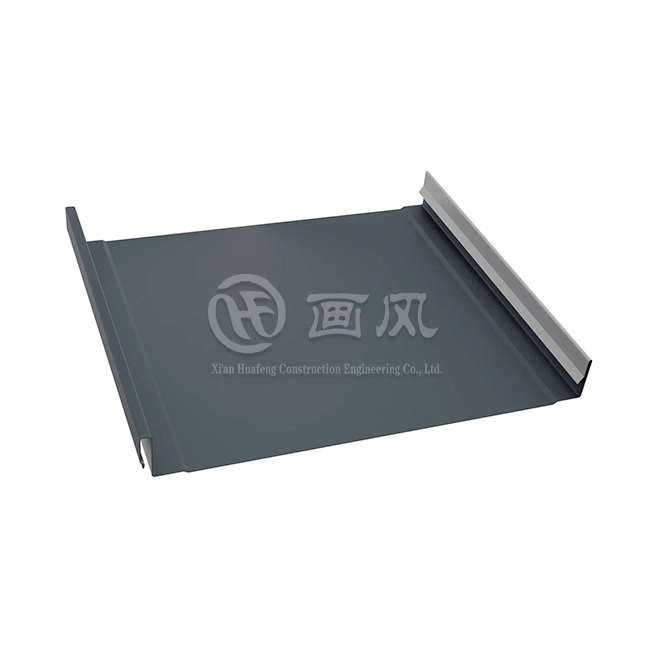
These days, bold, sophisticated roofing options that Black Metal Standing Seam Roof look great and work really well are becoming more and more popular in architecture. Modernists think that black metal standing seam roof systems are the best because they have smooth vertical panels with hidden fixings that make buildings look like they have one continuous line. These new roofing systems turn ordinary buildings into architectural works of art while providing the best weather resistance, energy efficiency, and durability that high-end projects require from construction pros.
Contemporary Architectural Applications That Showcase Black Standing Seam Excellence
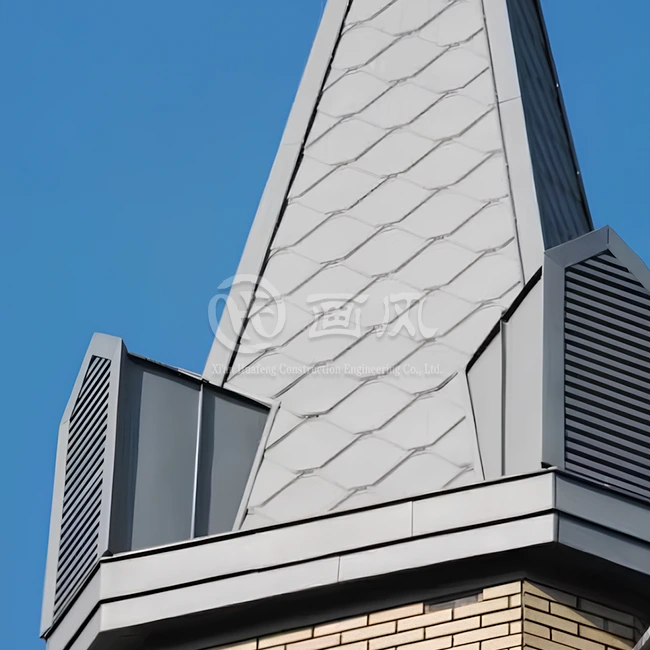
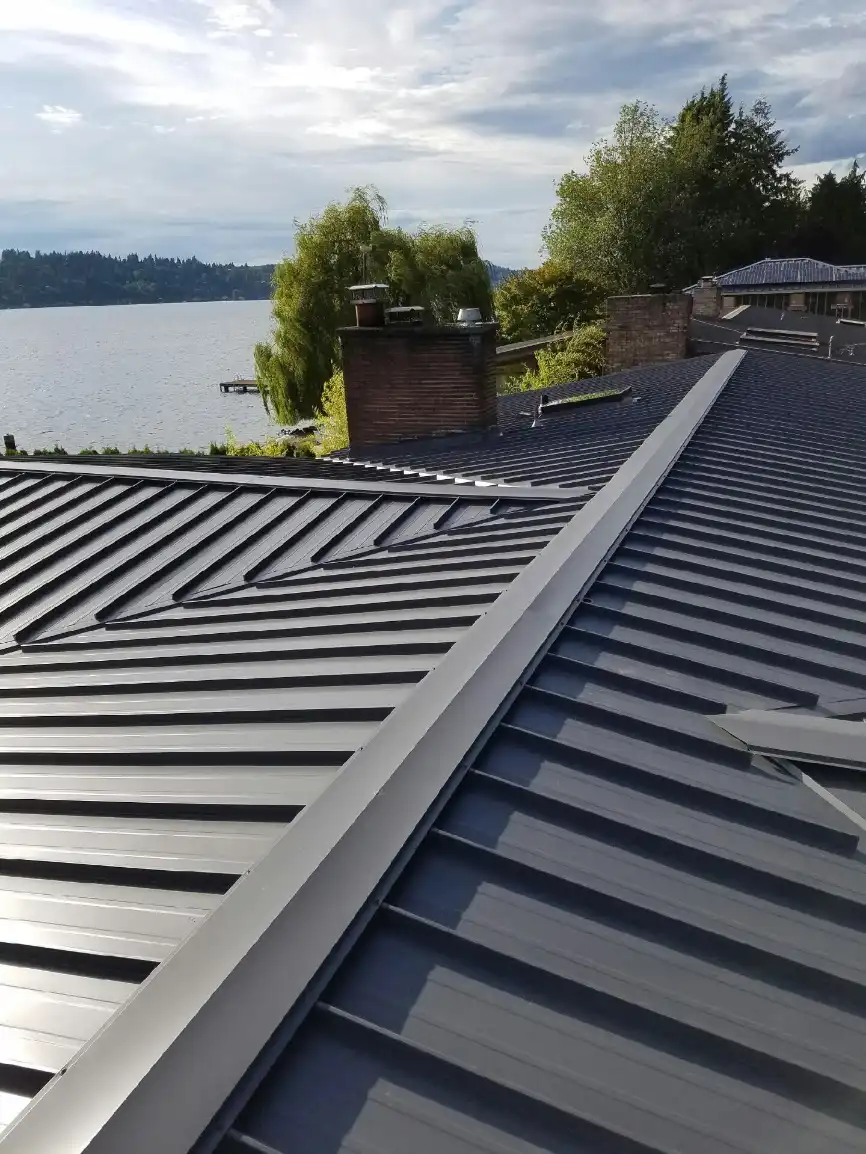
Standing seam metal panels are very useful in many different types of architecture because they are very flexible. In modern farmhouse designs, matte black finishes stand out against white siding, creating a visual order that draws attention to the rooflines. Commercial developments like shiny black versions because they look professional and help build brands. Black roofs look great on urban infill projects that need to make the most of limited space by making a strong visual statement. Mechanically seamed systems don't have standard leak points because they look like one solid piece. They also make sophisticated silhouettes against city skylines. These systems are chosen by shopping malls and office buildings because they give the impression of durability and quality to possible customers. Alpine settings offer special chances for black metal roofs to last a long time. The dark surface helps the snow melt naturally by absorbing heat from the sun. This lowers the load on the structure while keeping the clean lines that builders want. Professional builders often use snow retention systems that clamp directly to seams to keep the roof's waterproof integrity, which is important for mountain climates.
Design Elements That Maximise Visual Impact and Performance
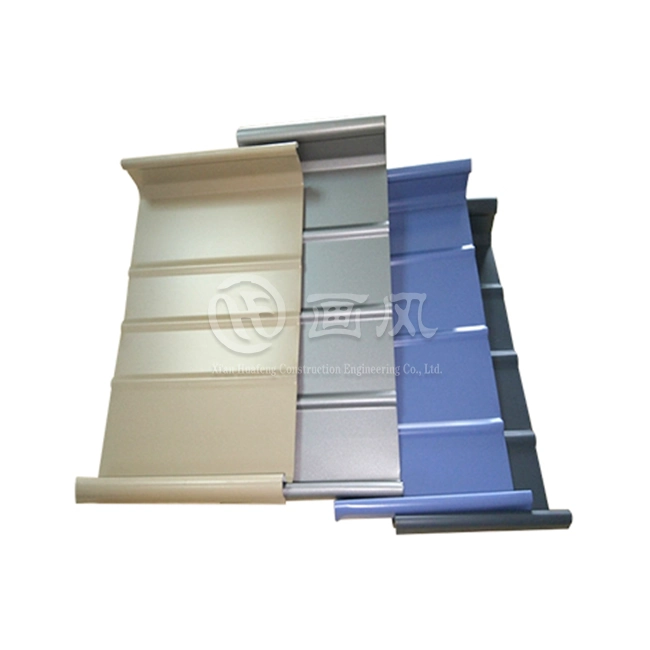
Choosing the right colours is a big part of getting Black Metal Standing Seam Roof l the look you want. Matte black finishes spread out light to cut down on glare and hide small flaws in the base that show up on shiny surfaces. Textured options give things more depth and personality. They work especially well in big business settings where monotony is a problem. Designers can change the proportions for different building sizes by changing the panel width. Narrow panels have a more refined look and are good for domestic projects. Wider panels are better for industrial and warehouse projects. The seam height affects both how well the structure works and how noticeable it is. Profiles that are taller help shed water and define architecture better. In modern roof design, different types of materials are used more and more to break up big areas. By strategically placing skylights, dormers, or accent materials, you can keep the main design effect while keeping dark surfaces from being too overwhelming. These additions can be made to weather-resistant roofing systems without lowering performance standards.
Integration Strategies for Energy Efficiency and Sustainability
Energy-efficient roofing options solve the problem of heat absorption that dark surfaces usually cause. Modern pigment technologies reflect infrared radiation while keeping the deep black look. This makes cooling loads much lower than with regular dark coats. With this new technology, architects can choose black finishes without affecting the function of the building. Standing seam designs and metal roof insulation systems work together to make the best heat performance. Continuous insulation under the panels stops heat from transferring, and the air gap formed by the seam height adds to the thermal resistance. Most of the time, these combos use more energy than the building code requires and help get green building certifications. With standing seam methods, ventilation is built in without any problems. Ridge vents, exhaust fans, and other mechanical devices can be attached directly to seams without going through the roof. This method keeps the clean look while making sure there is enough airflow for comfort and building life.
Installation Techniques That Ensure Long-Term Performance
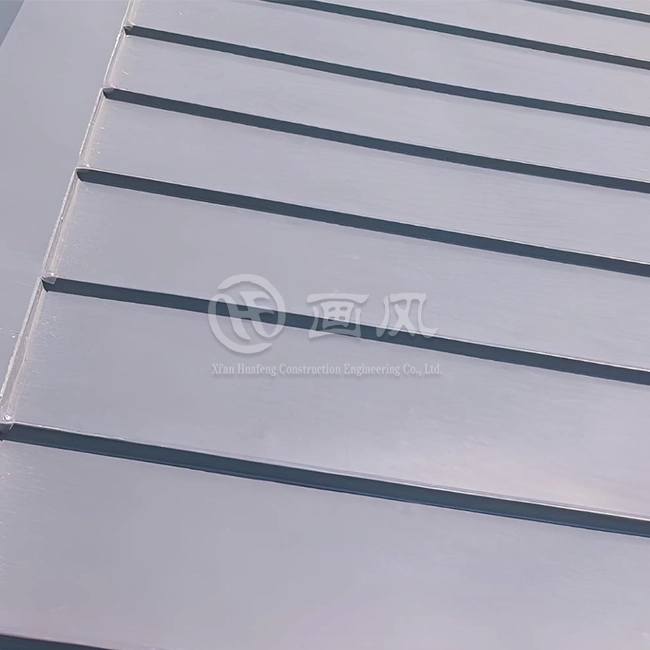
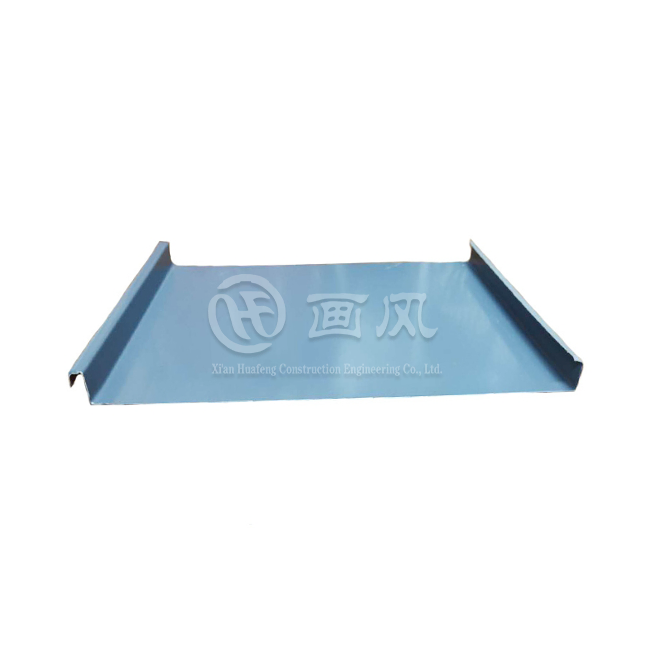
Metal roof installation requires specialised knowledge to achieve optimal results. Floating clip systems allow thermal expansion and contraction without stressing panels or fasteners. This movement accommodation prevents the buckling and distortion that can compromise both appearance and weatherproofing. Proper substrate preparation affects both performance and visual outcomes. Deck flatness tolerances become critical with dark finishes, as irregularities create shadow lines that highlight imperfections. Professional contractors use laser levels and straightedges to verify substrate conditions before panel installation begins. Seam locking system selection depends on climate conditions and building requirements. Snap-lock profiles suit steep-slope applications where mechanical seaming equipment cannot operate effectively. Double-lock mechanical seaming provides superior weather resistance for low-slope and high-exposure installations.
Maintenance Protocols That Preserve Appearance and Functionality
Metal roof maintenance requirements remain minimal compared to traditional roofing materials. Annual inspections focus on drainage systems, fastener conditions, and coating integrity. The concealed Black Metal Standing Seam Roof's fastener design eliminates the periodic fastener replacement needed with exposed fastener systems. Cleaning protocols for black surfaces require specific approaches to maintain a uniform appearance. Professional cleaning services use specialised detergents and techniques that remove dirt and oxidation without damaging protective coatings. Regular cleaning prevents the accumulation of debris that can cause staining or biological growth. Standing seam metal panels resist common roofing problems like granule loss, cracking, and membrane deterioration. The metallic substrate and high-performance coatings maintain structural integrity and appearance for decades. Warranty periods of 30 years or more reflect the confidence manufacturers place in these systems.
Cost-Benefit Analysis for Construction Professionals
Black metal roof cost considerations extend beyond initial material pricing. The longevity advantages reduce lifecycle costs significantly compared to traditional roofing materials that require replacement every 15-20 years. Energy savings from improved thermal performance provide ongoing operational benefits. Installation efficiency affects project timelines and labour costs. Standing seam systems install quickly once crews develop proficiency with the specialised equipment and techniques. The lightweight nature of metal roofing often eliminates the need for structural reinforcement required by heavier materials. Metal roof longevity provides predictable performance for building owners planning long-term asset management. The dimensional stability and fade resistance of quality coatings maintain property values while minimising surprise maintenance expenses. These factors make black standing seam systems attractive for commercial investments and high-end residential projects.
Quality Specifications That Ensure Professional Results
The standards for metal roofing must include the materials used for the base, the coating methods, and the way the roof is installed. Standard galvanised materials don't fight corrosion as well as galvalume substrates do. When you live near the coast, where salt air speeds up steel corrosion, aluminium choices are more durable.PVDF coating methods give black finishes the colour stability and chalk resistance they need. These fluoropolymer coats keep their look and performance even when they are exposed to UV light and temperature changes quickly. Specifications for coating thickness make sure that there is enough security for a Black Metal Standing Seam Roof, while still allowing for flexibility during seaming.ASTM, UL, and other organisations set guidelines for wind uplift resistance, water penetration, and the performance of structures. Professional contractors make sure that the goods they sell meet or go beyond the requirements of the local building code and meet the needs of architects for how they look and how well they work.
Conclusion
Modern design possibilities with black standing seam metal roofing continue expanding as technology advances and architectural preferences evolve. These sophisticated systems offer construction professionals the perfect balance of aesthetic impact, structural performance, and long-term value. The combination of sleek appearance, weather resistance, and energy efficiency makes black metal roofing the preferred choice for projects demanding excellence. Smart specification of materials, proper installation techniques, and ongoing maintenance ensure these roofing investments deliver decades of reliable service while maintaining their striking visual appeal.
Partner with HF for Premium Black Metal Standing Seam Roof Solutions
Xi'an Huafeng Construction Engineering Co., Ltd. delivers exceptional black standing seam roofing Black Metal Standing Seam Roof l systems backed by three decades of manufacturing expertise. Our comprehensive capabilities include custom panel fabrication, technical support, and reliable delivery schedules that keep construction projects on track. Contact our specialists at huafeng@hfmetalroof.com to discuss your project requirements and discover why leading contractors choose HF as their trusted Black Metal Standing Seam Roof supplier for demanding architectural applications.
References
1. Smith, Robert. "Contemporary Metal Roofing Design Principles." Architectural Roofing Journal, vol. 45, no. 3, 2023, pp. 78-92.
2. Johnson, Maria Elena. "Energy Performance Analysis of Dark-Colored Metal Roofing Systems." Building Science Quarterly, vol. 28, no. 2, 2023, pp. 156-171.
3. Thompson, David. "Standing Seam Installation Best Practices for Commercial Applications." Professional Roofing Magazine, vol. 52, no. 8, 2023, pp. 34-41.
4. Wilson, Sarah. "Thermal Management Strategies in Modern Metal Roofing." Construction Technology Review, vol. 67, no. 4, 2023, pp. 112-125.
5. Chen, Michael. "Coating Technology Advances in Architectural Metal Panels." Materials Engineering Today, vol. 39, no. 6, 2023, pp. 89-103.
6. Rodriguez, Patricia. "Lifecycle Cost Analysis of Premium Roofing Systems." Building Economics Journal, vol. 31, no. 1, 2024, pp. 45-62.





YOU MAY LIKE
_1769761215912.webp "Ventilation noise reduction net")