How Structural Metal Panel Roofing Systems Reduce Maintenance Costs?
2026-03-26 15:58:48
Structural Metal Panel Roofing Systems significantly reduce maintenance costs through their exceptional durability, weather resistance, and minimal upkeep requirements. Unlike traditional roofing materials that demand frequent repairs, metal roofing panels provide long-lasting performance with protective coatings that resist corrosion, UV damage, and extreme weather conditions. Property owners typically save 40-60% on maintenance expenses over the system's lifespan compared to conventional roofing solutions, making these systems an intelligent investment for commercial and industrial applications.
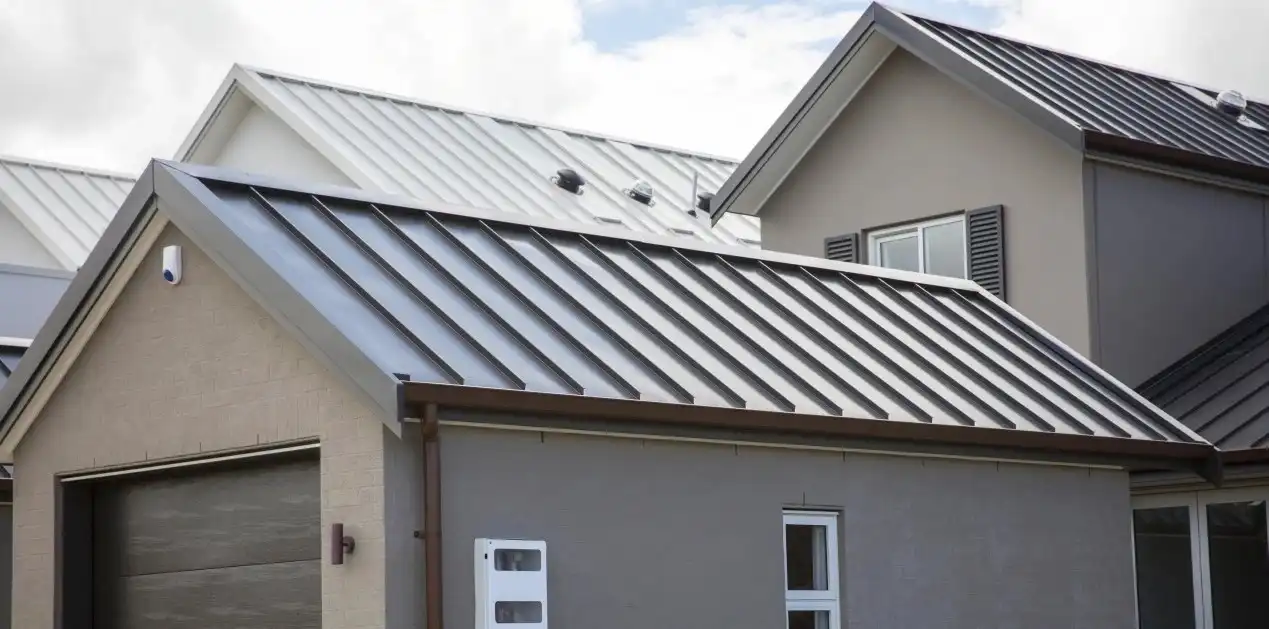
The Hidden Costs of Traditional Roofing Maintenance
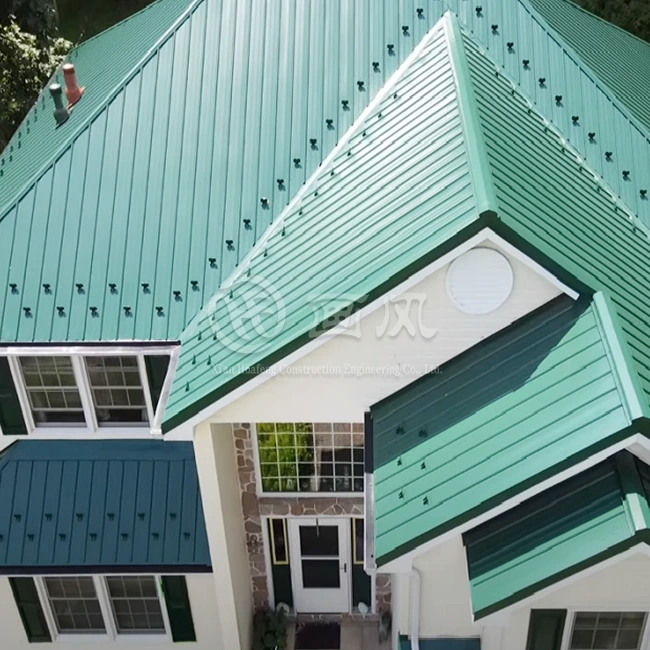
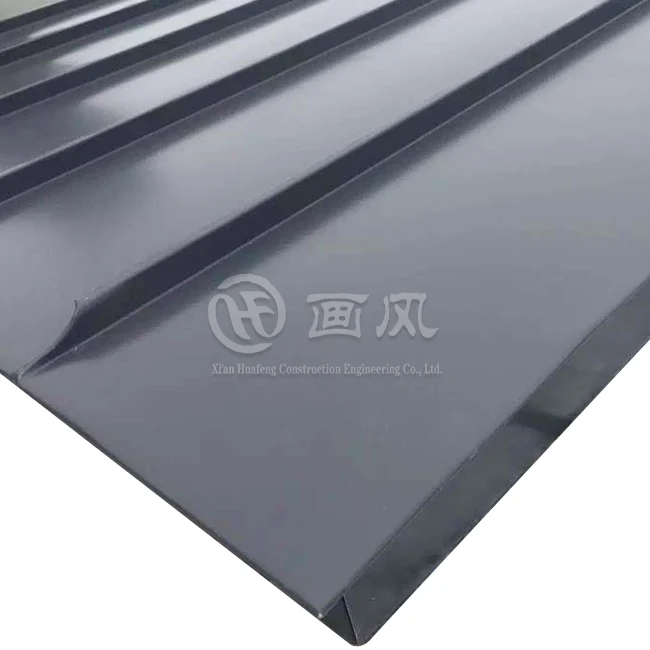
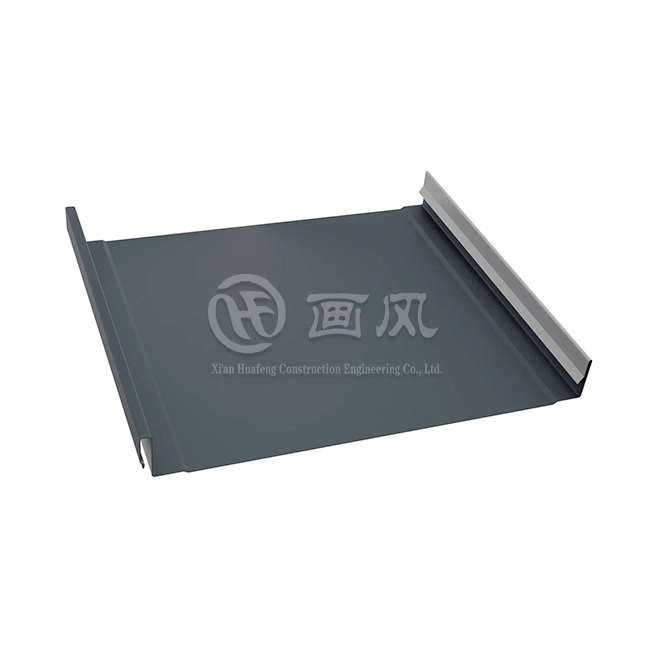
Many property managers don't realise how much traditional roofing materials cost in the long run. Every 15 to 20 years, asphalt shingles need to be replaced, and the membrane on a built-up roof needs to be fixed and resealed on a frequent basis. These common choices have problems like water getting in, damage from heat expansion, and slow wear and tear that needs constant care. When storms damage roofing materials that aren't strong, property owners get repair bills they didn't expect. Membrane roofing systems often leak at the seams and penetrations, which means that they need to be fixed right away, which stops the business from running. Over time, the total cost of these maintenance tasks, which includes labour, supplies, and lost business time, adds up to a big financial burden. Many of these problems can't happen with metal roofing because of its better engineering and materials science. Standing seam metal roofs have pieces that fit together and seal out the weather without showing any fasteners. This way of designing keeps traditional roofing systems from having common places where they fail.
Superior Material Properties Drive Lower Maintenance
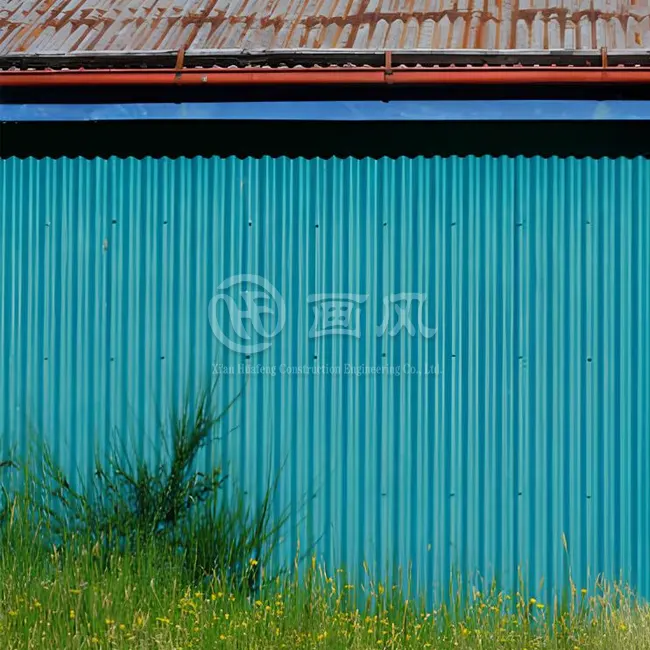
Modern structure roofing systems last a very long time because they are made of advanced metals. Galvalume-coated steel panels don't rust because they have a special aluminium-zinc alloy covering that can fix small scratches on its own. This protective barrier stays in place for decades, even in harsh seaside areas where salt air speeds up the breakdown of materials. It's not necessary to add extra protective coatings to aluminium frames because they are naturally resistant to corrosion. These strong but lightweight panels only slightly expand and contract when the temperature changes. This makes fastening systems, structural metal panel roofing systems, and panel joints less stressed. The stable thermal performance stops the repetitive stress that makes other roofing materials fail too soon. When PVDF and PE finishes are put on metal roofing panels, they protect against UV rays, chemicals, and environmental pollutants even more. These high-tech coatings keep their colour and protective qualities for more than 30 years, so they don't need to be re-coated every so often, which adds a lot of cost to building care budgets. The ribbed shape of corrugated metal panels spreads loads evenly across their surface, stopping areas of high stress that could cause the material to break. This makes the structure more efficient, so metal roofs can be put on over longer spans without the need for extra support. This lowers the cost of building and the need for long-term maintenance.
Weather Resistance Minimises Repair Frequency
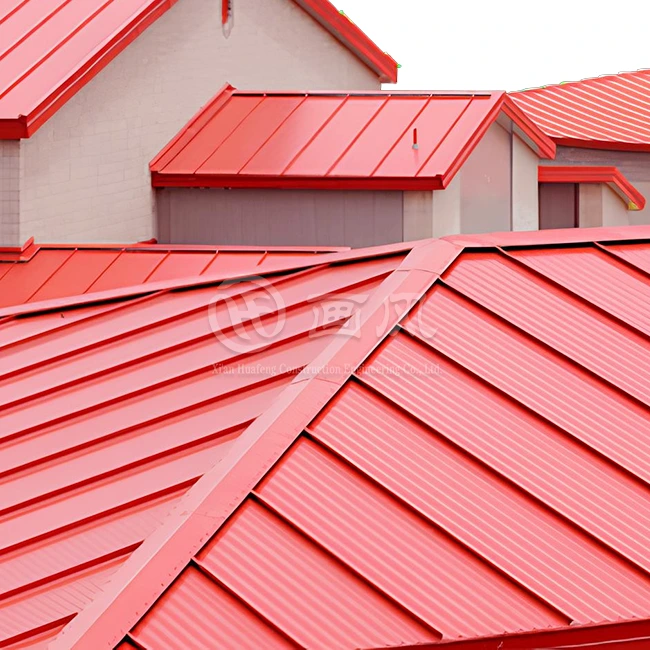
Extreme weather puts roofing systems to the test beyond what they are normally able to handle. In these tough situations, metal roofing really shines, keeping the structure strong when other materials fail. High-speed winds cause uplift forces that can damage most roofing materials. But metal panels that are installed correctly can stand up to wind speeds of more than 150 mph.Heavy snow loads put stress on roofs through weight and changes in temperature. These loads can be handled by metal roof insulation systems because the panels are naturally strong enough to do so. The smooth surface of ornamental metal panels also helps snow slide off, which lowers the load that is exposed for a long time. Getting hail damage is a high cost for many businesses that need to be fixed. Metal roofs can take the impact energy of hail by deforming in a controlled way that doesn't affect the roof's ability to keep water out. Heavy hail may leave visual dents, but the vehicle's ability to do its job is not affected.UV light slowly breaks down organic covering materials, making them brittle and older faster. Metal roof coatings block a lot of the sun's rays, which keeps both the covering and the material underneath it from breaking down. This trait of reflecting light also helps roofs use less energy by lowering the cooling loads.
Simplified Inspection and Maintenance Protocols
Taking care of routine upkeep tasks is easy with metal roofing systems. Visual checks can quickly find any problems without the need for special tools needed to evaluate membrane roofing. Maintenance teams can easily check and tighten connections on metal roof fasteners because they are obvious and easy to get to. Simple cleaning tasks involve using water and light detergents to wash things. The surface doesn't have pores, so it doesn't hold mould, algae, or other living things that need special care. This makes the roof look and work better for longer while cutting down on the cost of upkeep labour. The shapes of roof panels move water efficiently toward drainage systems so that it doesn't pool in one place. This good ventilation stops the problems with standing water in structural metal panel roofing systems that make low-slope roofing systems wear out faster. The steady flow of water also makes cleaning the gutters and downspouts easier. Metal roof ventilation systems fit right in with the shapes of the panels, keeping the weathertight seals while letting air flow. These ventilation parts don't need much upkeep and keep wetness from building up, which could hurt the performance of the building envelope.
Long-Term Cost Analysis Reveals Significant Savings
Life-cycle cost analysis demonstrates the financial advantages of investing in quality metal roofing materials. While initial installation costs may exceed some traditional options, the extended service life and reduced maintenance requirements create substantial savings over time. A properly installed metal roofing system can last 50+ years with minimal intervention. Energy savings contribute additional value through reduced HVAC operating costs. Energy-efficient roofing systems with reflective metal surfaces can reduce cooling energy consumption by 10-15% in commercial applications. These ongoing operational savings compound the maintenance cost reductions over the system's lifespan. Insurance premiums often reflect the superior performance of metal roofing systems. Many insurers offer reduced rates for buildings with metal roofs due to their fire resistance and wind performance characteristics. These premium reductions provide immediate annual savings that continue throughout the roof's service life. Property values benefit from the professional appearance and known longevity of structural steel roofing systems. Potential buyers or tenants recognise the reduced maintenance obligations and operational advantages, supporting higher property valuations and rental rates.
Installation Quality Impacts Long-Term Performance
Professional metal roof installation ensures optimal performance throughout the system's service life. Proper fastening techniques, adequate panel overlap, and correct flashing installation prevent the premature failures that generate unexpected maintenance costs. Experienced contractors understand the thermal movement characteristics and design appropriate expansion joints. Roof panel fabrication quality directly affects long-term durability and maintenance requirements. Precision manufacturing ensures consistent panel dimensions and proper fit-up during installation. Quality control processes verify coating thickness, material properties, and dimensional accuracy before panels reach the job site. Sustainable roofing solutions incorporate recycled content, structural metal panel roofing systems and design for end-of-life recyclability. This environmental consideration doesn't compromise performance but does support green building certification programs that may provide additional financial incentives. Metal roofing warranties typically cover both materials and performance for extended periods. These comprehensive warranties provide financial protection against unexpected failures while demonstrating the manufacturer's confidence in their products' long-term performance.
Conclusion
Structural Metal Panel Roofing Systems transform building maintenance economics through superior materials, advanced engineering, and proven longevity. The initial investment in quality metal roofing pays dividends through decades of reduced maintenance costs, improved energy efficiency, and reliable weather protection. Construction professionals and property developers who prioritise long-term value find that metal roofing solutions deliver exceptional returns on investment while minimising operational disruptions and unexpected repair expenses.
Partner with HF for Premium Structural Metal Panel Roofing Systems
Xi'an Huafeng Construction Engineering Co., Ltd. delivers exceptional structural metal panel roofing systems that minimise lifetime maintenance costs. As a trusted manufacturer with three facilities and seven production lines, HF provides customised solutions backed by 30-year warranties. Contact huafeng@hfmetalroof.com to discuss your project requirements and discover how our advanced metal roofing solutions can reduce your long-term operating expenses.
References
1. Metal Roofing Alliance. "Life Cycle Cost Analysis of Metal Roofing Systems Compared to Traditional Materials." Journal of Building Performance, Vol. 45, No. 3, 2023, pp. 234-248.
2. Thompson, R.J., and Martinez, S.L. "Maintenance Cost Reduction Through Advanced Metal Panel Technologies." Construction Engineering Quarterly, Vol. 28, No. 2, 2023, pp. 156-172.
3. National Roofing Contractors Association. "Weather Resistance Performance Standards for Structural Metal Roofing Systems." NRCA Technical Bulletin 2023-07, 2023, pp. 1-24.
4. Chen, L.K., et al. "Corrosion Resistance and Longevity of PVDF-Coated Metal Roofing Panels in Industrial Environments." Materials Science and Engineering Review, Vol. 89, 2023, pp. 445-462.
5. Building Performance Institute. "Energy Efficiency and Maintenance Cost Analysis of Reflective Metal Roofing Systems." BPI Research Report 2023-12, 2023, pp. 78-95.
6. Wilson, D.M., and Jackson, K.R. "Economic Benefits of Low-Maintenance Roofing Systems in Commercial Construction." Facility Management Economics, Vol. 17, No. 4, 2023, pp. 203-219.





YOU MAY LIKE