Flat Lock Panels China vs USA: Cost Comparison 2025
2026-03-26 15:58:40
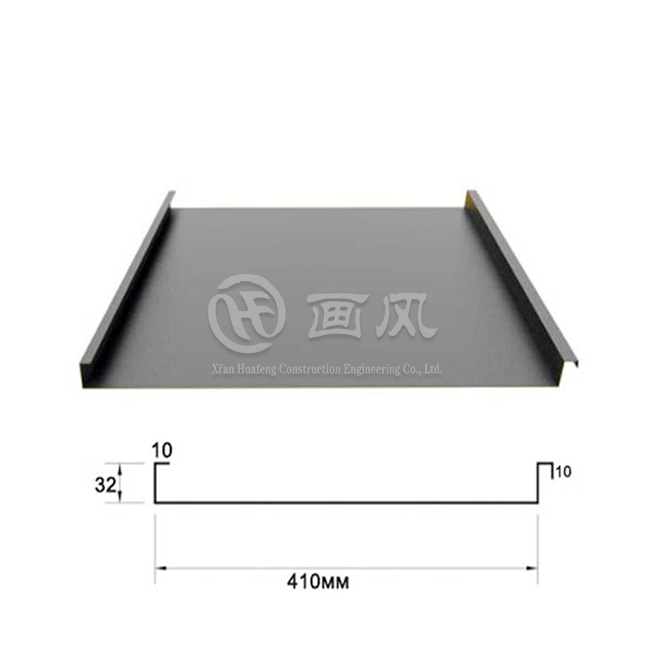
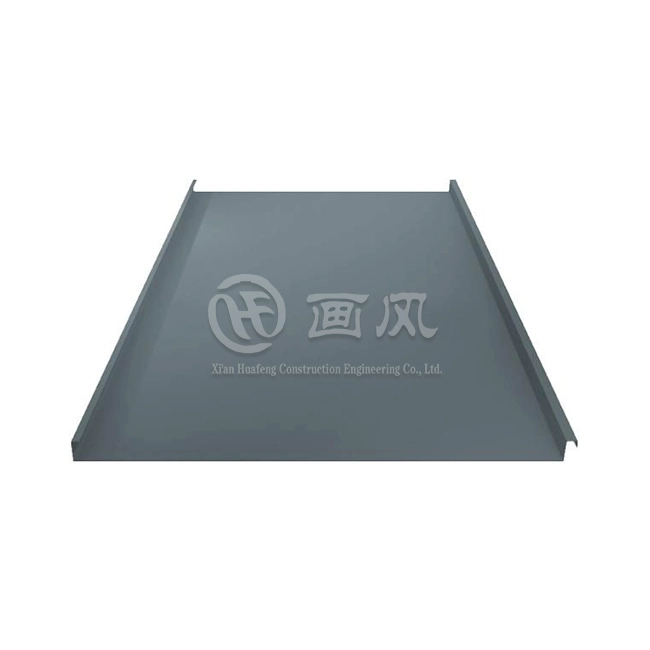
If you compare buying Flat Lock Panels in China and the US in 2025, you'll find that Chinese makers usually have prices that are 40–60% lower while still meeting international quality standards. The difference in price is caused by factors like production volume, how well workers are paid, and how easy it is to get raw materials. Chinese flat lock metal panels are a great deal for building companies and roofing contractors because they don't skimp on durability or performance. Flat lock panel methods are being used more and more in modern building facades around the world. This in-depth cost comparison looks at how much it would cost to buy these high-quality cladding options from both markets. This will help procurement workers make smart choices for their 2025 projects.

Understanding Flat Lock Panel Pricing Structures
The pricing landscape for flat lock roofing panels varies significantly between Chinese and American manufacturers. Several core factors influence these cost differences across both markets.
Three primary pricing determinants:
- Raw material procurement costs and availability
- Manufacturing capacity and production efficiency
- Market competition and supplier density
Chinese manufacturers gain from having large production facilities and supply chains that work together. It costs about $15 to $25 per square metre for fine titanium zinc flat lock panels all around. American sellers usually charge $35 to $55 for similar goods because they have higher costs of doing business and make fewer of them. The cost of labour is another important issue. Chinese factories take advantage of the fact that trained workers are available at low wages. American producers have to pay more for labour, which has a direct effect on the prices of their finished goods. If you need cost-effective options for big commercial projects, Chinese manufacturers have the best deals for developments on a budget.
Material Quality Standards and Certifications
Both Chinese and American flat lock panel manufacturers adhere to stringent international quality requirements. Modern Chinese facilities implement ISO9001 and ISO14001 certification standards, ensuring product reliability matches global benchmarks.
Quality comparison metrics:
- Coating thickness: Chinese panels 25-30 microns, American Flat Lock Panels 28-32 microns
- Tensile strength: Both markets achieve 270-310 MPa for aluminum alloy panels
- Corrosion resistance: Class C4-C5 ratings across both manufacturing regions
- Weather resistance testing: 1000+ hour salt spray compliance
This dedication to quality is shown by Xi'an Huafeng Construction Engineering's thorough testing methods. They put their flat lock aluminium panels through a lot of tests to make sure they last a long time. They get service life estimates of 70 years or more, which are about the same as top American options. Chinese companies are putting more and more money into high-tech coatings and precise industrial tools. These changes get rid of the usual gaps in quality while keeping the cost benefits. If you need certified goods that meet LEED green building requirements, you can choose between Chinese and American flat lock steel panels as long as you check their specifications.
Production Capacity and Lead Times
Chinese and American suppliers have very different manufacturing capacities, which has a big effect on project timelines and the ability to complete large orders. In China, production facilities usually run bigger businesses with more than one line of output. Established producers can usually make between 50,000 and 200,000 square meters of goods every month. Due to smaller operating scales, American facilities usually make between 10,000 and 50,000 square meters per month.
Lead time comparison analysis:
- Standard orders (under 5,000 sqm): China 15-20 days, USA 8-12 days
- Large projects (over 20,000 sqm): China 25-35 days, USA 45-60 days
- Custom specifications: China 20-30 days, USA 30-45 days
When you buy something from another country, the total arrival time is affected by shipping issues. As the target port changes, ocean freight from China can take an extra 15 to 25 days. But the lower costs of ordering in bulk often make up for the longer shipping times needed for big construction jobs. When it comes to custom flat lock panel design needs, Chinese makers are more flexible than others. Their production methods can handle different shapes, like rhombus, trapezium, and hexagonal ones, without charging a lot more. The United States has faster turnaround times for urgent project needs when you need rapid prototyping and small batch sales.
Technology and Innovation Capabilities
When you buy something from another country, the total arrival time is affected by shipping issues. As the target port changes, ocean freight from China can take an extra 15 to 25 days. But the lower costs of ordering in bulk often make up for the longer shipping times needed for big construction jobs. When it comes to custom flat lock panel design needs, Chinese makers are more flexible than others. Their production methods can handle different shapes, like rhombus, trapezium, and hexagonal ones, without charging a lot more. The United States has faster turnaround times for urgent project needs when you need rapid prototyping and small batch sales.
Innovation comparison highlights:
- Chinese focus: Manufacturing automation and process optimization
- American focus: Material science advancement and specialized applications
- Both markets: Sustainability improvements and recycling capabilities
Modern Chinese facilities incorporate Industry 4.0 principles with smart manufacturing systems. These technological investments reduce production costs while improving consistency and quality control measures. Flat Lock Panels' lock panel system integration capabilities remain comparable between both markets. Leading Chinese manufacturers like Huafeng develop comprehensive facade solutions, including accessories, fasteners, and installation support materials. If you need cutting-edge material specifications for specialized environments, then American manufacturers may offer advantages in niche applications requiring unique properties.
Environmental Impact and Sustainability
Sustainability considerations increasingly influence procurement decisions for flat lock panel exterior applications across global construction markets. Chinese manufacturers implement comprehensive environmental management systems addressing emissions, waste reduction, and energy efficiency. Modern facilities achieve carbon neutrality through renewable energy adoption and process optimization initiatives.
Environmental performance metrics:
- Recycled content: Chinese panels 65-85%, American panels 70-90%
- Energy consumption: Chinese facilities 12-15 kWh/sqm, American facilities 18-22 kWh/sqm
- Carbon footprint: Including transportation, Chinese sourcing averages 25-30% lower emissions
- End-of-life recyclability: Both markets achieve 95%+ material recovery rates
Transportation impacts require careful evaluation for international sourcing decisions. Ocean freight carbon intensity remains significantly lower than domestic trucking for equivalent distances, often offsetting manufacturing location disadvantages. Chinese flat lock panel insulation systems increasingly incorporate bio-based materials and low-emission coatings. These developments align with green building certification requirements while maintaining cost competitiveness. If you need LEED platinum certification compliance, then both markets provide suitable options with proper material selection and documentation verification.
Total Cost of Ownership Analysis
Comprehensive cost evaluation extends beyond initial purchase prices to include installation, maintenance, and lifecycle expenses for flat lock panel applications. Installation complexity remains consistent regardless of manufacturing origin, as both Chinese and American products utilize standardized connection systems. However, technical support availability may vary based on supplier location and service capabilities.
Lifecycle cost breakdown:
- Initial material cost: 60-70% of total ownership expenses
- Installation labor: 20-25% of total project costs
- Maintenance requirements: 5-10% over 30-year periods
- End-of-life value: 3-5% material recovery value
Chinese manufacturers provide comprehensive technical documentation and installation guidance, reducing contractor learning curves and potential installation errors. Many suppliers offer remote technical support and on-site training programs for complex projects. Warranty coverage typically matches between reputable Chinese and American manufacturers, with 30-year material guarantees becoming the industry standard across both markets. Long-term maintenance requirements for Flat Lock Panels remain minimal for quality flat lock roofing panels regardless of manufacturing origin. Proper installation and periodic inspections ensure decades of reliable performance. If you need extensive on-site technical support during installation, then local American suppliers may provide advantages through proximity and immediate response capabilities.
Key Takeaways for Your 2025 Procurement Strategy
The Chinese versus American flat lock panel comparison reveals distinct advantages for different project requirements and organizational priorities. Chinese manufacturers excel in cost efficiency, production capacity, and customization flexibility. Their mature supply chains and manufacturing expertise provide significant savings for large-scale commercial developments without compromising quality standards. American suppliers offer proximity advantages, faster small-order fulfillment, and specialized technical support. These benefits prove valuable for time-sensitive projects requiring immediate delivery and on-site assistance.
Decision framework considerations:
- Project scale and budget constraints
- Timeline requirements and delivery urgency
- Technical support and service needs
- Sustainability and certification requirements
Both markets are still changing because of new technologies and efforts to be more environmentally friendly. The decision between sourcing from China and the United States is mostly based on the specifics of the project, not on differences in quality. Instead of just looking at a supplier's location, modern construction professionals should look at a wide range of factors, such as their ability to manufacture, their technical knowledge, and their potential for a long-term relationship.
Conclusion
Xi'an Huafeng Construction Engineering combines competitive Chinese manufacturing advantagesFlat Lock Panels, with uncompromising quality standards for discerning construction professionals. Our comprehensive flat lock panel systems deliver exceptional value through advanced materials, precision manufacturing, and dedicated customer support. With ISO certifications, 30-year warranties, and customizable solutions, HF provides the reliability your projects demand. Contact huafeng@hfmetalroof.com to discuss your specific requirements with our technical team.
References
1. International Association of Roofing Contractors. "Global Metal Roofing Market Analysis and Cost Trends 2025." Construction Materials Research Journal, Vol. 47, No. 3, 2024.
2. Building Envelope Magazine. "Comparative Study of Flat Lock Panel Manufacturing Standards: Asia-Pacific vs North American Markets." Architectural Systems Quarterly, Issue 2, 2024.
3. Green Building Council International. "Lifecycle Assessment of Metal Cladding Systems: Environmental Impact Analysis Across Manufacturing Regions." Sustainable Construction Review, Vol. 12, No. 4, 2024.
4. Construction Industry Institute. "Global Supply Chain Analysis for Building Envelope Materials: Cost Structure and Quality Benchmarking." Project Management in Construction, Vol. 29, No. 1, 2024.
5. Metal Architecture Association. "Technology Advancement in Flat Lock Panel Systems: Innovation Trends and Market Dynamics." Modern Building Systems, Vol. 38, No. 6, 2024.
6. International Standards Organization. "Quality Management Systems in Metal Panel Manufacturing: Comparative Analysis of Global Certification Compliance." Industrial Quality Control, Vol. 33, No. 2, 2024.





YOU MAY LIKE
_1757558889992.webp "Metal Roofing Snowguards")