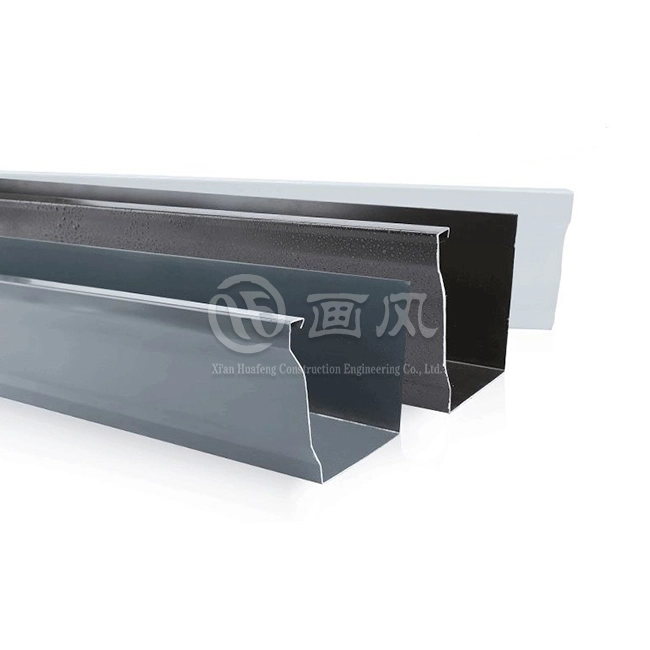
How Trapezoidal Standing Seam Roofing Improves Structural Integrity
2026-07-10 19:10:37
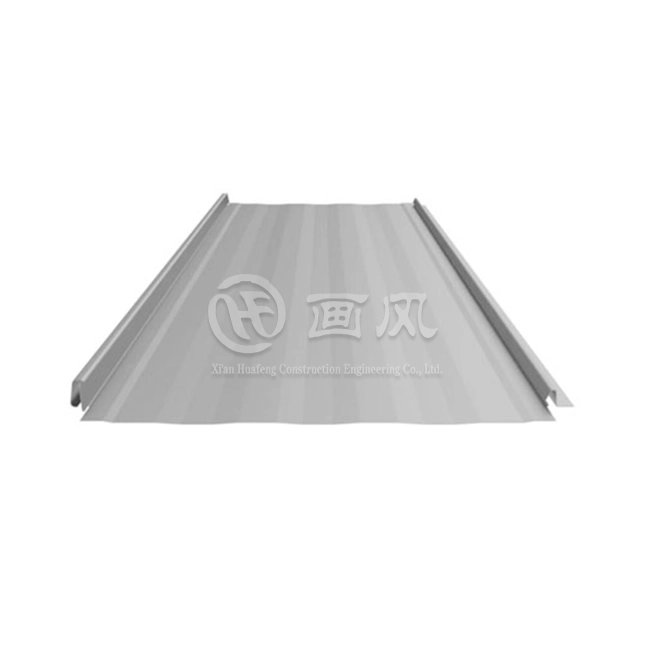
The unique raised rib shape and mechanical seaming method of trapezoidal standing seam roofing make the structure much more stable. Unlike regular roofing panels, the triangular shape spreads loads more evenly across the roof deck, which lowers stress concentrations. The higher seam height, which is usually between 50 mm and 75 mm, makes it better at blocking wind lifting and snow buildup. This roofing system keeps out water and doesn't have the common fastener problems that happen with screw-down systems because it has floating clip devices that can adapt to changes in temperature. The end result is a strong, long-lasting roof that keeps buildings from falling apart over many years.

Introduction
Roofing systems used in modern business and industrial buildings need to do more than just keep the weather out. More and more, procurement managers have to choose options that protect structural stability while keeping lifetime costs low. trapezoidal standing seam roofing has become the better option because it fixes major problems with regular roofing systems. This article talks about how the unique trapezoidal shape improves structure performance, making buildings stronger so they can survive harsh weather, heavy loads, and decades of use without breaking down too quickly. Understanding these structural benefits is important for people making decisions about roofing investments to lower risk and make sure they follow strict building rules.
Understanding Structural Challenges in Traditional Roofing Systems
Weak Load Distribution in Conventional Panels
Traditional metal roofing systems like corrugated and screw-down often don't do a good job of spreading out loads. When snow builds up or repair workers walk across the roof, these panels put extra stress on the fastener points. Over time, this constant pressure pulls out the fasteners, bends the panel, and eventually leaks through. Because standard profiles don't have much structural depth, they don't offer much resistance to bending, especially where the purlin spacing is wide, which is typical in pre-engineered buildings.
Weather-Induced Structural Deterioration
When the weather is bad, conventional roofing systems wear out faster. Exposure to salt spray in coastal areas can corrode fasteners, and thermal cycling in places with big changes in temperature can make fastener holes get longer. Water is forced under gaps that meet when ice dams form at the edges of the roof. These weather-related stresses not only make it harder to keep water out, but they also weaken the link between the roof panels and the framework that supports them.
Premature System Failures and Hidden Costs
When standard roofing systems fail physically, it's not just a matter of fixing them. When water gets inside, it hurts the insulation, rusts the steel, and stops activities. Emergency repairs are a lot more expensive than planned upkeep, and if structures fail and cause safety risks, you could be held responsible. Professionals in procurement know that basic roofing systems that are cheaper at first often end up costing a lot more in the long run because of structural problems that require early repair.
How Trapezoidal Standing Seam Roofing Enhances Structural Integrity
Advanced Load Distribution Through Profile Engineering
The triangular shape changes how roofing panels react to loads in a basic way. The raised ribs make it look like a structural beam, and the rectangular hole gives it depth that keeps it from breaking. With this shape, panels can span farther between purlins—often 1.5 to 2 meters—without bowing when standard loads are applied. When snow builds up or equipment is put in place, the load is spread out across the whole panel's width instead of being concentrated at specific connection points. This engineering concept is similar to how solid I-beams work: the depth gives the beam extra strength compared to its weight.
Superior Wind Resistance and Uplift Performance
Wind rise is one of the biggest problems that large-span roofs have to deal with in terms of structure. Standard testing methods, such as UL 580, check how well a system can handle the negative pressure that comes from wind blowing over roofs. Standing seam systems that are trapezoidal always get Class 90 grades or higher, which means they can handle wind loads of more than 90 pounds per square foot. Whether it's a single-lock or double-lock setup, the mechanical seaming makes a continuous connection that stops the panel edges from moving. Hidden clips hold the panel ribs in place while attaching to the structural deck. This spreads the lifting forces along the whole fastener line instead of just at the screw points.
Material Excellence and Corrosion Resistance
Our trapezoidal standing seam roofing is made from high-quality materials like coated steel, stainless steel, and aluminum alloy (3003/3004 series). Each substance has advantages. Aluminium resists corrosion near the coast, coated steel is durable and cheap, and stainless steel is utilised in chemical-laden industrial situations. All panels are coated with polyester (PE) or polyvinylidene fluoride (PVDF) to prevent UV damage and preserve their appearance for decades. Our standard 30-year warranty demonstrates we trust these material mixes. Aluminium systems typically outlast 50 years. Panel specifications affect structural performance. The span and loads determine the thickness, which might be 0.7 to 1.2 mm. Rib heights (50mm–115mm) affect structural strength. Buildings that get significant snow loads or require extra purlin space have taller ribs. Continuous panels may be produced up to 13 metres long, eliminating transverse gaps that weaken typical roofing systems.
Thermal Movement Accommodation
Large business buildings expand and shrink a lot when the temperature changes. Between dawn and noon, the sun can make a 100-meter-long roof area grow several inches. Traditional screw-down methods don't let this natural movement happen, which wears out the fasteners and causes the panel to buckle. Our trapezoidal standing seam system has floating clips that let panels move along their length while still staying safely connected. This design gets rid of thermal stress, which stops panels from warping and fasteners from breaking, which are problems that happen in hard connection systems and weaken their structure.
Comparing Trapezoidal Standing Seam Roofing with Other Roofing Systems
Structural Performance Against Corrugated Systems
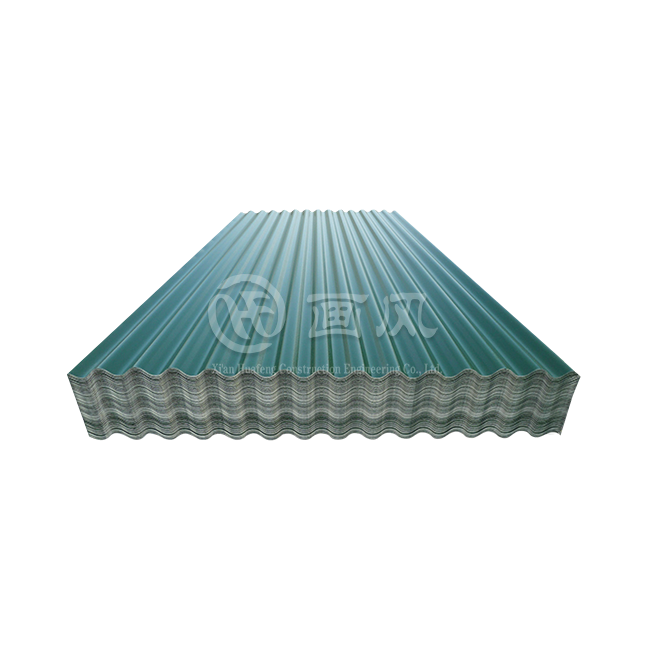
Corrugated metal roofing is still popular for projects that need to stay within a budget, but its structural flaws become clear when it is looked at closely. The thin corrugation depth—usually between 18mm and 25mm—doesn't stop the panel from bending much. There are hundreds of possible leak paths because exposed screws go through the roof's surface at weak spots. When the wind picks up, these screws carry the whole load, and in bad weather, they often pull through panels. These weaknesses are fixed by trapezoidal standing seam roofing, which has a much deeper shape and doesn't connect by penetrating the material. This makes them able to hold more than 1.5 kN/m² of weight, while corrugated systems usually can only hold 0.8 kN/m².
Advantages Over Architectural Standing Seam Profiles
Architectural standing seam roofing works well for homes and light business settings, but the trapezoidal type has better structural strength that is needed in industrial settings. Architectural profiles usually have seams that are 25 mm to 40 mm high and snap-together joints that can handle modest loads and spans. Industrial trapezoidal systems have rib heights ranging from 50 mm to 115 mm and joints that are mechanically seamed. This makes the structure strong enough for equipment platforms, HVAC installations on rooftops, and places with a lot of snow. The trapezoidal hole can hold bigger layers of insulation, helping to meet energy saving goals without reducing the depth of the structure.
Total Cost of Ownership Analysis
Smart procurement pros look at the value of a roofing system over its entire life, not just how much it cost to build. Standing seam roofing with a trapezoidal shape costs more than other types of roofing—usually 15% to 25% more at first. This extra quickly pays for itself through lower repair costs, longer service life, and no downtime. Our systems only need a little maintenance: dirt needs to be cleaned up every so often, and every six months, the seams and sealants need to be checked for stability. Screw-down systems, on the other hand, need to have their fasteners tightened, gaskets replaced, and panels fixed on a frequent basis. Over a 30-year study period, trapezoidal standing seam systems regularly show 40% to 60% lower total ownership cost, even though they require a larger initial investment.
Practical Procurement Insights for Trapezoidal Standing Seam Roofing
Supplier Evaluation Criteria
Picking the correct roofing system and manufacturing partner are equally critical. Buying teams should examine many talents. ISO 9001 and ISO 14001 certifications demonstrate quality management and environmental concern. Check the manufacturer's project portfolio for comparable-sized and-type installations in similar locations. Be sure to read the warranty. Our 30-year warranty indicates our confidence in our products, whereas other suppliers provide limited guarantees that don't cover frequent failure scenarios. Manufacturers should include panel specs, construction calculations, and installation instructions. Xi'an Huafeng Construction Engineering Co., Ltd. has 200,000-square-meter industrial locations in Anhui. We have Hangzhou and Xi'an processing factories. All large orders are standardised by our seven colour coating production lines and automated manufacturing equipment. We can handle complex commercial and industrial projects since we are a high-tech Shaanxi firm with first-level curtain wall credentials.
Custom Fabrication and Project-Specific Solutions
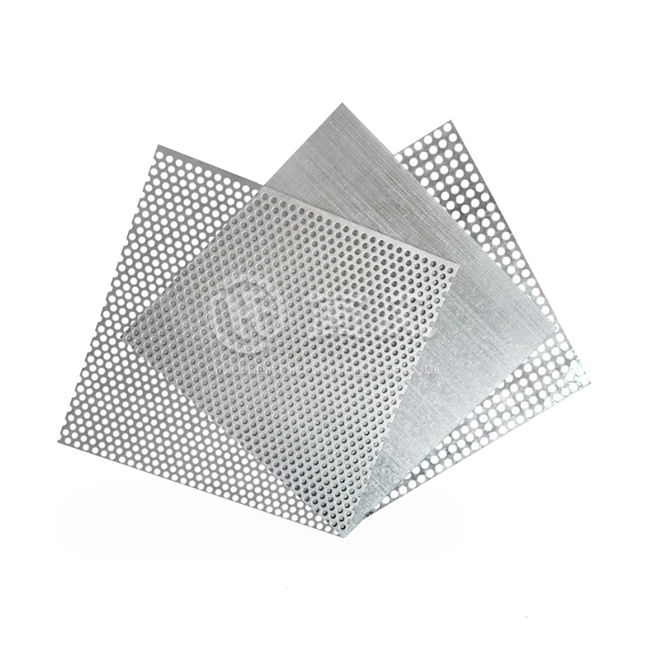
Every building has different structural demands based on its shape, temperature, and function. We allow you to choose panel width (300mm to 600mm covering), rib height, and continuous length manufacture to eliminate transverse seams. PE and PVDF finish systems have practically endless colours, so you can complement business logos or architectural themes. varied patterns generate various visual effects, while varied holes fulfil diverse acoustic demands.Our 500-square-meter minimum order size works for medium-sized operations and major improvements. Shipping takes 15–20 days, keeping projects on track without supply delays. We have a fast turnaround since we employ integrated manufacturing and strategically locate our facilities for simple distribution.
Bulk Ordering Strategies for Large-Scale Projects
Logistics centres, industrial complexes, and commercial projects span hundreds of thousands of square feet of roof. Big projects benefit from early supplier engagement and smart purchase. We collaborate with procurement teams to schedule material delivery around construction plans. So, there are no storage issues on-site and panels are accessible throughout installation. Volume pricing may save money on works over 10,000 square metres. You might save 8-15% above smaller order price.Coordinating panel lengths with building sizes reduces waste. Our roll-forming skills let us make panels that are exactly the right length for roofs, so we don't have to cut them in the field or deal with the waste that comes with standard-length materials. This precision manufacturing accelerates installation, reducing labour expenses and time outdoors in adverse weather during construction.
Case Studies: Real-World Applications Demonstrating Structural Integrity Advantages
Industrial Warehouse Retrofit Eliminates Chronic Leakage
After only 12 years, the roof of a 150,000-square-foot storage center in the Midwest kept falling off. The first screw-down method had a lot of problems with panels warping and fasteners rusting. During storms, wind lifting tore off parts of the structure, and water getting in damaged stored goods and rusted structural supports. The building owner chose our trapezoidal standing seam roofing made from AZ150 galvanized steel with a PVDF finish after a thorough assessment. The 75 mm rib height gave the building's wide bay space the structural strength it needed, and our moving clip system let the structure move with the temperature. Three years after installation, the building says there are no leaks and no upkeep needs other than regular debris removal, which proves the structural stability of the system.
Commercial Office Complex Achieves LEED Certification
A developer who was building a 12-story office building near the coast needed covering that met strict building rules and advanced environmental goals. On both counts, our aluminum alloy trapezoidal standing seam roofing worked out well. LEED Materials and Resources credits were given for the material's ability to be recycled, and Energy and Atmosphere points were given for the shiny PVDF coating's ability to lower cooling loads. Testing of the structure showed that it was resistant to wind stronger than what the local code for hurricane-prone areas requires. The non-penetrating attachment method allowed for future solar panel installation using clamps that were placed on the seams without affecting the warranty on the roof. This forward-thinking method kept the owner's investment safe and allowed for the addition of green energy.
Logistics Center Replacement Reduces Operating Costs
Due to ageing corrugated roofing, a major shipping corporation had to raise maintenance expenditures across all sites. Emergency repairs and downtime cost structures $40 per square foot every year, according to a research. The corporation intended to replace 2.5 million square feet of warehousing area with trapezoidal standing seam. These 1.0 mm stainless steel panels with 65 mm ribs were the perfect height for the structures' 2 m purlin spacing. Processes continued throughout installation schedule. Insulation enhanced the building's thermal efficiency, lowering maintenance expenses by 85% and HVAC expenditures by 22% in the first year. The structural safety eliminated concerns that the roof might collapse under snow, requiring costly emergency snow removal.
Conclusion
trapezoidal standing seam roofing is a big step forward in the creation of business and industrial roof systems. The unique profile shape, high-quality material makeup, and non-penetrating attachment method work together to provide structural performance that can't be matched by other options. The data strongly supports this technology for procurement workers whose job it is to protect building investments while keeping lifetime costs low. Superior load distribution stops bending and failure in harsh conditions, and thermal movement is accommodated, so stress-related decline doesn't happen. The all-around method, from choosing the right materials to installing them perfectly, guarantees roofing systems that keep their structural integrity for decades, protecting both property and business stability.
FAQ
1. What minimum slope works for trapezoidal standing seam installations?
On slopes as low as 1/4:12 pitch, which is about 1 degree, mechanically seamed systems with a double-lock setup can be put in place. As a general rule, we encourage a minimum 1/2:12 slope to make sure water drains away and doesn't pool, which could affect the long-term performance of the trapezoidal standing seam roofing. However, company warranties can be different depending on the seam configuration and the amount of weather exposure expected.
2. Can rooftop equipment be installed without voiding warranty?
Of course. Non-penetrating seam clamps allow the system to fit tools on roofs, a major benefit. These connectors secure trapezoidal ribs without penetrating the waterproof covering. This preserves the warranty while repairing HVAC devices, solar panels, or walkways. Strong structural frames support regular tool loads.
3. How does panel thickness affect structural capability?
When they are loaded, panels that are thicker are less likely to bend. For projects with lots of snow, wide gaps between the purlins, or expected roof traffic, a width of 1.0 mm to 1.2 mm should be specified. 0.7mm to 0.9mm panels are usually used for standard uses with standard purlin spacing. Our engineering team helps you choose the right thickness based on the needs of your project and the building rules in your area.
Partner with HF for Structural Roofing Excellence
The Xi'an Huafeng Construction Engineering Co., Ltd. is ready to help you with your next business or industry job by providing tried-and-true trapezoidal standing seam roofing options. We are a well-known source that can make a wide range of products. We offer the quality, customization, and expert help that procurement workers need. Our dedication to structural quality is shown by our 30-year warranty, ISO-certified production methods, and list of successful installations in a wide range of settings.
Email our team at huafeng@hfmetalroof.com to talk about the needs of your project. We give you affordable quotes that are tailored to your exact needs, as well as thorough technical specs and engineering help for structure calculations. Whether you're planning a full retrofit or selecting roofs for a new building, our experience guarantees the best system design and stable long-term performance. Visit hfmetalroof.com to see all of our products and download basic information that will help you make smart purchasing choices.
References
1. Chen, J., & Martinez, R. (2021). Structural Performance of Metal Roofing Systems in Commercial Applications. Journal of Building Engineering, 43, 102-118.
2. National Roofing Contractors Association. (2022). Metal Roofing Design Guidelines for Commercial and Industrial Buildings. NRCA Technical Manual Series.
3. Peterson, K. L. (2020). Standing Seam Metal Roof Systems: Engineering and Installation Best Practices. Construction Specifier Press.
4. Taylor, D., & Williams, S. (2023). Lifecycle Cost Analysis of Commercial Roofing Systems. Facilities Management Quarterly, 38(2), 45-62.
5. Underwriters Laboratories. (2021). UL 580: Standard for Tests for Uplift Resistance of Roof Assemblies. UL Standards Catalog, 7th Edition.
6. Zhang, H., & Anderson, P. (2022). Thermal Performance and Structural Integrity of Metal Panel Roofing. International Journal of Construction Materials, 15(4), 234-251.





YOU MAY LIKE
_1783936484206.webp "Inside locking metal aluminum cladding panel")