How to select a reliable flat lock seam metal roofing supplier for large orders?
2026-07-10 19:10:34
When you need high-performance architectural metal panels for a business project, picking the right flat lock seam metal roofing provider is a smart choice that will have long-lasting effects. This interlocking metal panel system is great for curved facades, complicated roof shapes, and high-exposure areas because it can be used in a lot of different ways and protects against the weather. For big orders, the dependability of the provider has a direct effect on project timelines, sticking to budgets, and the building's long-term performance. The right partner will make sure that the quality of the materials stays the same, that they meet international standards, and that they can provide reliable services to keep your building plan on track.

Understanding the Flat Lock Seam Metal Roofing Market
What Makes Flat Lock Seam Panels Unique?
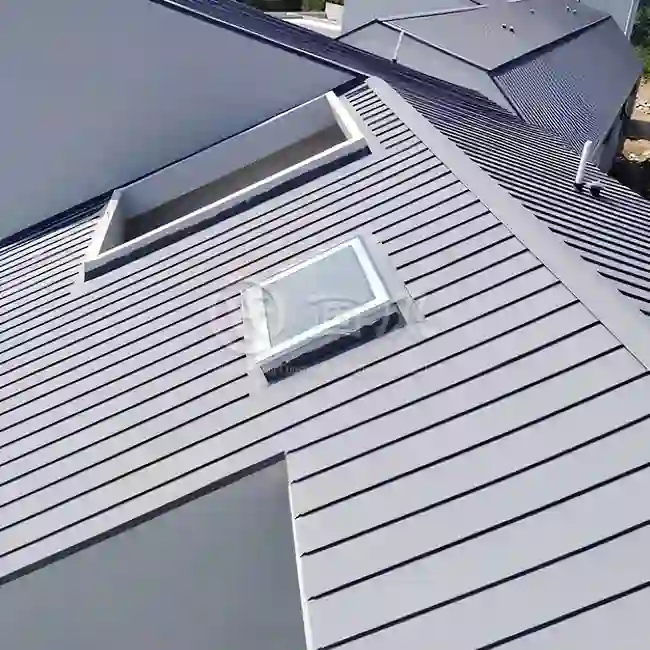
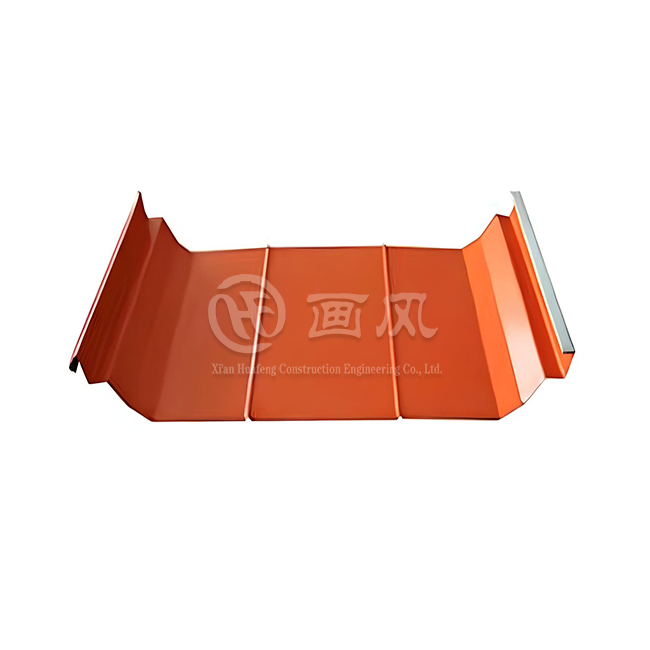
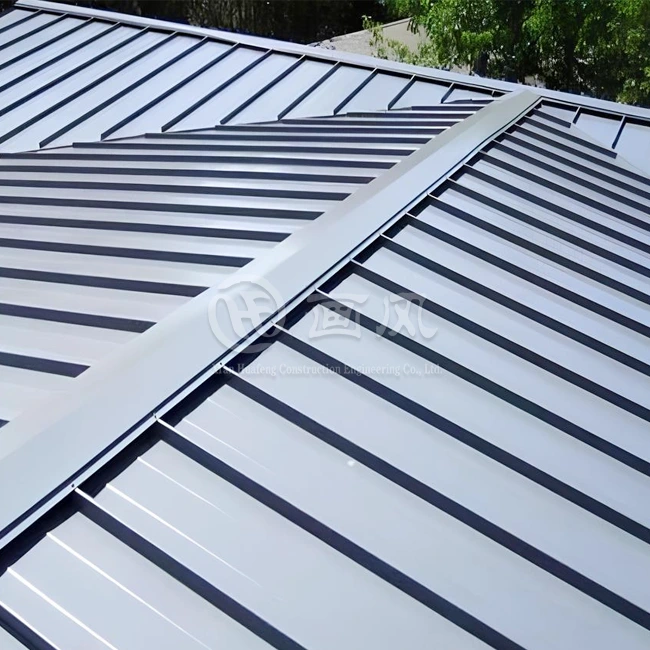
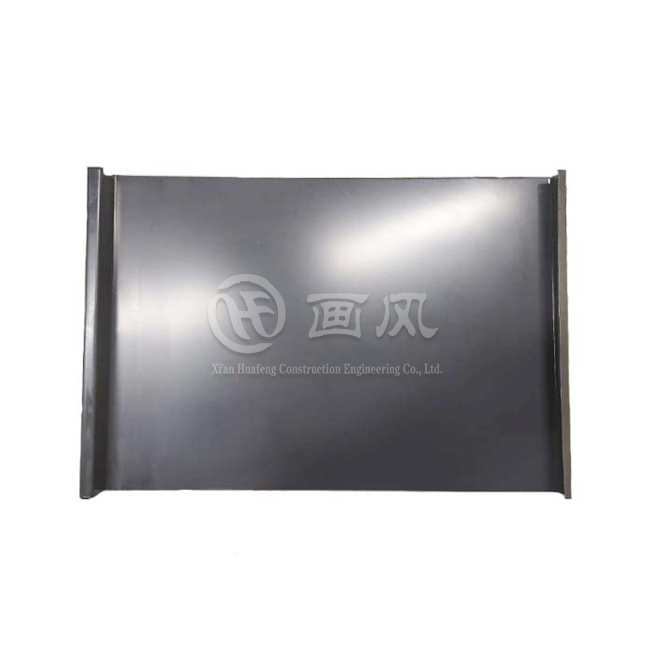
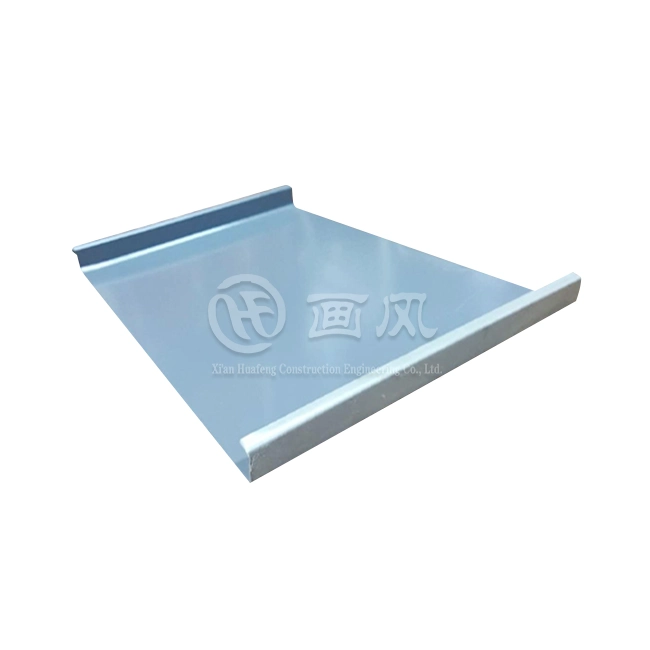
Flat lock seam metal systems use connecting metal tiles with 180-degree hemmed ends to make surfaces that are level and look great. Standing seam profiles stick out vertically, but these panels lie flat because they have hidden clips connected to the base. This arrangement successfully sheds water and allows for thermal expansion without any obvious fixings or weak caulk joints.
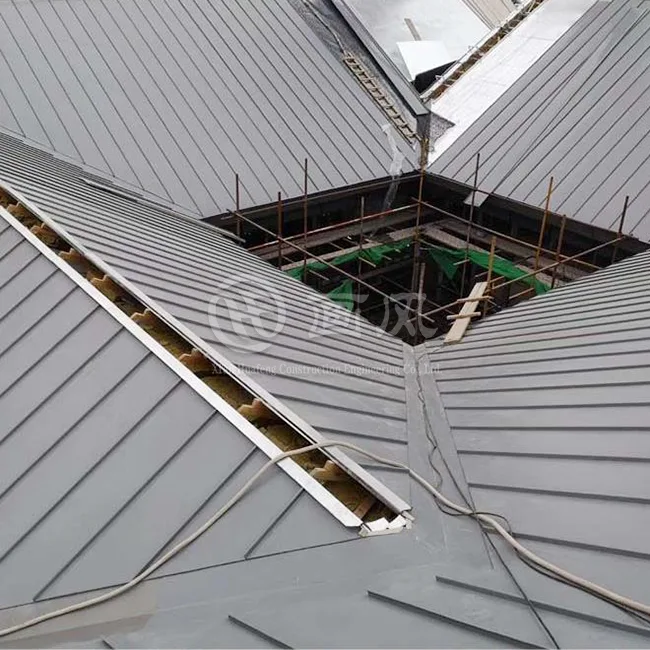
When used in architecture, the method really shines when small radii or compound curves are needed. This approach is often chosen by museums, corporate offices, and heritage repair projects because small-format panels can fit into complicated shapes that rigid roll-formed systems can't. Titanium, zinc, copper, aluminum, and stainless steel are all materials that can be used. Each has its own look and performance that makes it better for a different temperature zone or design goal.
Key Benefits for Large B2B Projects
One big benefit is that it lasts a long time. Copper and zinc, which are high-quality materials, develop patinas that protect them from rust for 80 to 100 years. PVDF-coated aluminum, on the other hand, keeps its color even after decades of UV exposure. The modular design lets specific repairs be made without taking apart whole roof parts, which is very important for facility managers who are in charge of schools with multiple buildings.
Saving money on running costs is one way that energy efficiency helps. When compared to regular roofing, reflective metal surfaces keep heat from being absorbed, which means that business areas don't have to cool as much. These systems help buildings meet the requirements for LEED approval when they are paired with the right insulation and circulation layers. Architectural freedom lets designers use panel orientations that are diagonal, vertical, or horizontal. This lets them make unique visual patterns that help businesses build their brand.
Leaders in the market stress following ASTM E1592 standards for structural performance and SMACNA recommendations for building sheet metal. When suppliers offer full third-party testing documents, buying teams can be sure that the materials will work in areas with strong winds and earthquakes.
Core Criteria to Evaluate When Selecting a Supplier for Large Orders
Product Quality and Certification Standards
Rigid quality control methods are needed to make sure that materials are the same across bulk sales. Reliable providers keep their ISO 9001 certification up to date and use multi-stage inspection methods that check for things like substrate flatness, coating thickness, and the accuracy of the hem engagement in flat lock seam metal. Depending on where your project is located and the rules that apply, panels should meet foreign standards such as ASTM, DIN, JIS, BS, and GB/T.
When used in architecture, thickness margins are very important. Panels with thicknesses between 0.4 mm and 1 mm must all have the same size to avoid visual flaws and structural weaknesses. Ask for material test results that show the tensile strength, stretch, and how well the coating sticks to the material. When suppliers offer 30-year guarantees, it shows that they are confident in their manufacturing methods and where they get their materials.
Manufacturing Capacity and Scalability
For large sales, sellers need to have a lot of production equipment. When a factory has more than one production line, it can meet tight deadlines and unique needs without affecting delivery times. A supplier that runs three workshops with more than 40 specialized tools and seven production lines shows that they can handle orders bigger than 500 square meters while keeping quality standards high.
A useful way to figure out the operating scale is to look at the monthly supply capacity. Suppliers who can make 1,000 tons per month can support project rollouts that happen in stages on multiple construction sites without any problems. This feature is especially useful for developers who have to keep track of multiple building plans at the same time or for contractors who have to work with suppliers during different stages of a project.
Transparent Pricing and Budget Alignment
Being clear about costs helps build trust in long-term relationships. Ask for thorough breakdowns that show the prices of the raw materials, the work that goes into making the product, the finishing touches, and the shipping. Choosing the right material has a big effect on the price. Copper is more expensive than aluminum, and special treatments like pre-weathered zinc or custom RAL colors add extra costs that should be clearly listed.
Minimum order amounts show how efficient a seller is and where they stand in the market. A 500-square-meter or 3-ton MOQ shows that you are ready to work on medium-sized projects while keeping production costs low. Find out if the price includes tooling fees for custom forms like hexagonal, rhombus, or trapezoid panels. These design changes need special die sets that may incur one-time fees.
After-Sales Support and Warranty Coverage
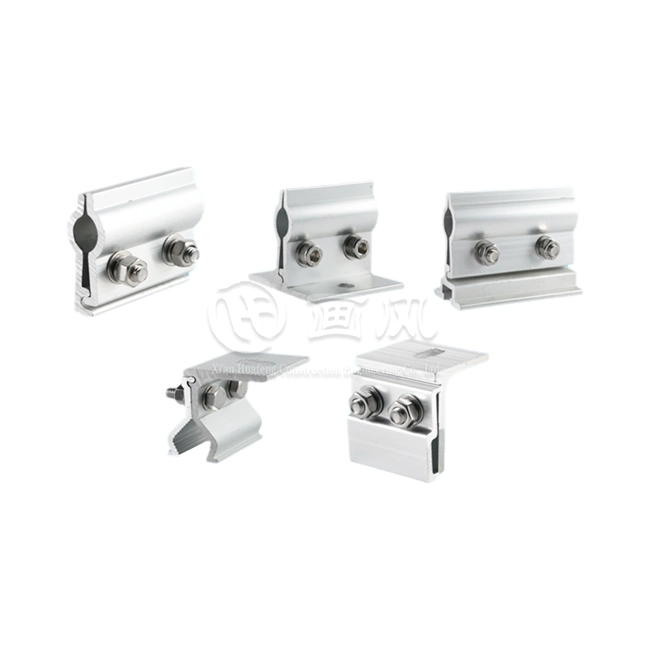
Dependable sellers are different from transactional vendors because they have a full support system. Technical support should include more than just fulfilling orders. It should also include installation instructions, suggestions for clip specifications, and help with fixing problems in the field. When construction teams run into unexpected material conditions or need to make changes to specifications, suppliers with regional service networks can act quickly.
Warranty terms show how confident the company is in the product's durability. A 30-year guarantee that covers the purity of the coating, the performance of the structure, and the resistance to corrosion reduces the risk for buying teams. Carefully read through the parts of the insurance that don't cover things, especially the parts that talk about mistakes in installation, upkeep, and the amount of outdoor exposure that won't be covered.
Comparing Flat Lock Seam Metal to Alternative Roofing Solutions
Performance Against Standing Seam Systems
Standing seam profiles are the most popular type of industrial roofing because they are waterproof and easy to place on big, flat surfaces. But flat lock seam metal panels are great when you need to be able to change the shape of the panel. Standing seam systems have trouble with curves less than 5 meters in radius, but flat lock panels can go around curves as small as 3 meters without distorting the material or compromising the seam's integrity.
The difficulty of installation varies a lot. Standing seam systems use continuous panels and mechanical tools to sew them together, which makes it easy to cover large areas quickly. Installing a flat lock takes trained workers who know how to properly space the clips and engage the hem. This level of work effort means that installation costs are higher, but it gives signature projects the unique look that builders want.
Energy Efficiency and ROI Considerations
When properly built with insulation and air layers, both methods do a great job of keeping heat in or out. Flat lock seam metal panels are better because they reduce oil canning, which is the waviness that can show up in big, flat metal areas. By limiting the size of each panel, the method gets a natural stiffness that keeps things looking flat without using heavy-gauge materials.
Long-term upkeep costs always favor metal roofing systems. Unlike membrane roofs that need to be replaced every so often or tile systems where individual tiles can get damaged, quality metal panels don't need much maintenance other than regular cleaning. The fact that flat lock systems can be fixed adds to their value—damaged panels can be changed without affecting the areas around them, which is useful for places that need to keep operations running smoothly.
Best Practices for Managing Large Flat Lock Seam Metal Roofing Orders
Structuring Your Procurement Process
Detailed specification creation is the first step to a successful large-scale purchase. Write down the exact needs of the project, such as the panel's size, the material you want to use, the colors you want from the RAL range, and performance standards that take into account wind and snow loads in the area. Specifications that are very detailed help providers give accurate quotes and avoid misunderstandings that lead to expensive change orders.
When qualifying a vendor, you should look at both the quality of the goods and the organization's skills. Ask for examples from similar jobs, look at signs of financial stability, and see how responsive the company was to your original questions. Suppliers who are eager to fix problems during the quote phase usually keep up that level of service during production and delivery.
Customization and Technical Collaboration
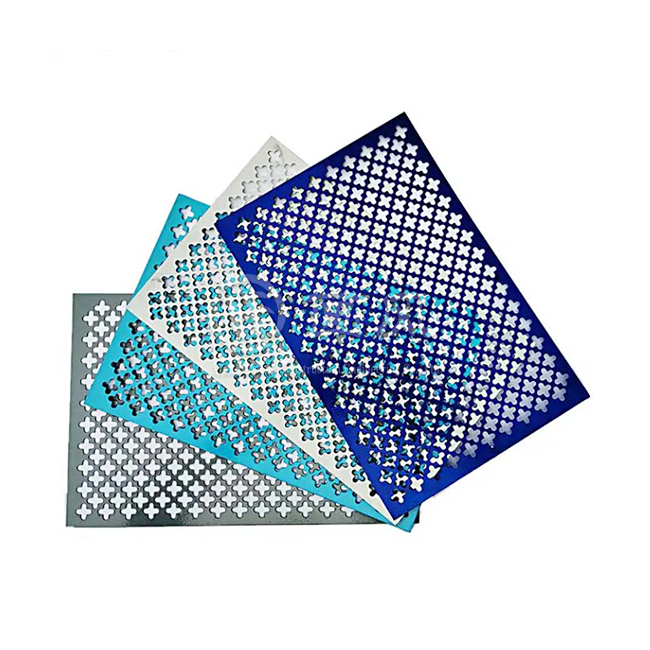
Modern ideas about architecture often call for special panel shapes other than squares. Suppliers that offer lengths from 300mm to 600mm and unique shapes like rhombus, trapezoid, and hexagonal forms give designers the freedom to be creative while still ensuring structural performance. Technical teamwork during the planning process helps make panel layouts that are the best mix of how they look, how quickly they can be installed, and how much they cost.
The choice of materials should be in line with how long the project is supposed to last and how it should be maintained. Zinc develops a unique gray patina that makes it resistant to scratches and can heal itself, while copper changes from bronze tones to verdigris green over time. Stainless steel keeps its look over time with little upkeep, and aluminum is the lightest choice with a wide range of colors to choose from. Talking to providers about these trade-offs helps match the qualities of materials to the performance needs of buildings.
Coordinating Delivery and Installation Logistics
Lead times for flat lock seam metal custom metal panel orders are usually between 15 and 20 days for normal specs. For special finishes or forms, the lead time may be longer. Plan transport times around the order of building to avoid problems with storage and weather exposure on-site. Suppliers who have worked on many big projects before can set up phased deliveries that match the progress of installation in different buildings or project zones.
Common implementation problems can be avoided if providers and workers work together during installation. Make sure the workers know how to properly prepare the substrate and how far apart the hidden clips need to be (usually between 2 and 4 clips per panel). Suppliers who give installation training or on-site technical help during key project phases add value that goes beyond just providing materials. They make sure that high-quality goods work at their best by making sure they are used correctly in the field.
Case Studies: Successful Large-Scale Flat Lock Seam Metal Roofing Projects
Industrial Warehouse Complex Implementation
A transportation business was building a 250,000-square-foot warehouse complex out of three buildings. They needed a roofing solution that would be both cost-effective and last for a long time. The purchasing team looked at a number of sources before choosing one that had 0.7mm metal panels with a PVDF coating and proof that they met ASTM standards. The supplier's monthly capacity of 1,000 tons made it possible to coordinate deliveries with a faster building plan.
When the architecture was changed to include bent canopies over the loading docks, problems arose. The expert team from the source worked with the installers to come up with smaller panel forms that could fit the new geometry without having to be re-engineered, which would have been expensive. On-site storage costs were avoided by delivering parts in stages that matched the progress of the building, and the supplier's quick communication helped the project finish on time, even though the plan had to be changed in the middle of the project.
Multi-Building Commercial Campus Rollout
Five office buildings on a redeveloped corporate site were given titanium zinc flat lock panels to give them a modern look while still meeting sustainable building goals. The developer gave more weight to providers with proven capacity, clear pricing, and full guarantee support. After bidding against other companies, they chose one that had three factories, a lot of production equipment, and a guarantee program that lasted 30 years.
The supplier's thorough price breakdown that separated material, fabrication, and custom color charges helped with cost management. The project called for panels in a number of RAL colors to add visual interest to the outside of buildings. This meant that the colors had to be carefully coordinated so that they would be the same from batch to batch. The provider set up ways to keep track of each batch and sent samples for approval before starting full production runs.
Lessons Learned from Large-Scale Implementations
Both case studies show a number of reasons that led to success. A clear recording of the specifications stops confusion and lets you get a good idea of how much something will cost. Suppliers' ability to make things directly affects the stability of schedules, especially for projects with tight deadlines or a building that is done in stages. Technical help that goes beyond supplying materials adds real value by lowering the number of mistakes made during installation and making it easier to solve problems in the field.
Early on, procurement teams should set up rules for how to communicate and name single points of contact for both the customer and the seller. This will make it easier to make decisions. The contract terms should include what to do if the design changes, such as how to handle price changes for new specs and changes to the lead time. Checkpoints for quality assurance at production finish, shipping acceptance, and installation milestones help keep standards high throughout the long and complicated lifecycles of projects.
Conclusion
To find the best flat lock seam metal roofing provider for big orders, you need to carefully look at a number of factors. International certifications for product quality make sure that materials meet performance standards. Manufacturing capacity tells you if providers can safely meet project deadlines for large orders. A clear price helps you stick to your budget, and full protection protects you from long-term problems. The best buying results come from relationships where sellers show technical know-how, good communication, and a commitment to project success that goes beyond just providing materials. The review factors and best practices described here can help procurement managers choose suppliers with confidence, resulting in high-quality results that meet both budget and performance goals.
FAQ
1. What factors most significantly impact flat lock seam metal panel pricing?
Choosing the material determines the main difference in cost, with copper costing more than aluminum or steel. The final price depends on the thickness of the panels, unique forms other than rectangles, special finishes like pre-weathered patinas or custom RAL colors, and the number of panels ordered. To help you make a good budget, suppliers should give you detailed quotes that break down the costs of raw materials, assembly, finishing, and shipping.
2. How can buyers verify supplier credibility before committing to large purchases?
Ask for written examples from similar projects, look at quality certifications like ISO 9001, and make sure the materials meet ASTM or DIN standards, and read the guarantee terms to see what they cover and what they don't cover. When you visit a factory, you can see for yourself how the production process works, how quality control is done, and how well the organization works. Third-party testing records that show how well a product worked are another way to back up what the company says about it.
3. What lead times should procurement teams expect for custom specifications?
Standard setups usually need 15 to 20 days from the time the order is confirmed until they are ready to be delivered. Lead times may be longer by one to two weeks for custom forms, finishes, or sizes that aren't normal. This depends on the need for special tools and the production schedule. Suppliers who are in charge of various production lines can usually work around tight deadlines for urgent projects, but they may charge more for priority production times.
Partner with HF for Your Next Large-Scale Metal Roofing Project
As a flat lock seam metal provider, HF (Xi'an Huafeng Construction Engineering Co., Ltd.) has managed complicated business projects in a wide range of industries. Our three factories run seven production lines with more than 40 specialized tools. Each month, they can offer 1,000 tons of goods to meet your tightest deadlines. We have panels made of titanium zinc, copper, aluminum, and stainless steel. The forms and colors can be changed, and the panels come with 30-year warranties and meet ASTM, DIN, JIS, BS, and GB/T standards. During buying process, our expert team works together to make sure the project is a success by giving specification advice, coordinating deliveries, and helping with installation. Contact our experts at huafeng@hfmetalroof.com to talk about your needs and get a full quote that fits the details of your project.
References
1. Sheet Metal and Air Conditioning Contractors' National Association. (2019). Architectural Sheet Metal Manual, 7th Edition. Chantilly, VA: SMACNA.
2. American Society for Testing and Materials. (2020). ASTM E1592: Standard Test Method for Structural Performance of Sheet Metal Roof and Siding Systems by Uniform Static Air Pressure Difference. West Conshohocken, PA: ASTM International.
3. National Roofing Contractors Association. (2021). The NRCA Roofing Manual: Metal Panel and SPF Roof Systems. Rosemont, IL: NRCA.
4. Copper Development Association. (2018). Copper in Architecture: Design Handbook. New York, NY: Copper Development Association Inc.
5. American Architectural Manufacturers Association. (2017). AAMA 2605: Voluntary Specification, Performance Requirements and Test Procedures for Superior Performing Organic Coatings on Aluminum Extrusions and Panels. Schaumburg, IL: AAMA.
6. Zinc Roofing and Cladding Association. (2022). Technical Guide to Architectural Zinc Applications. London, UK: ZRCA Publications.





YOU MAY LIKE