How to Install Mechanical Lock Metal Roofing for Maximum Protection?
2026-05-08 19:07:47
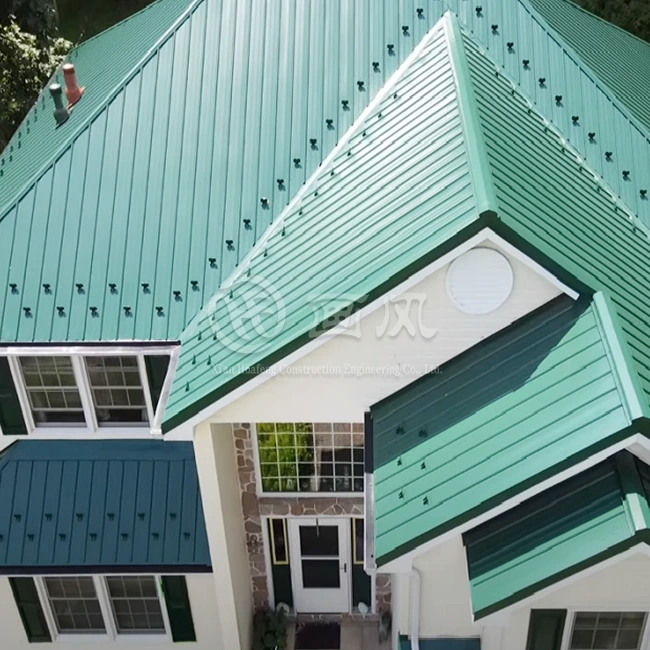
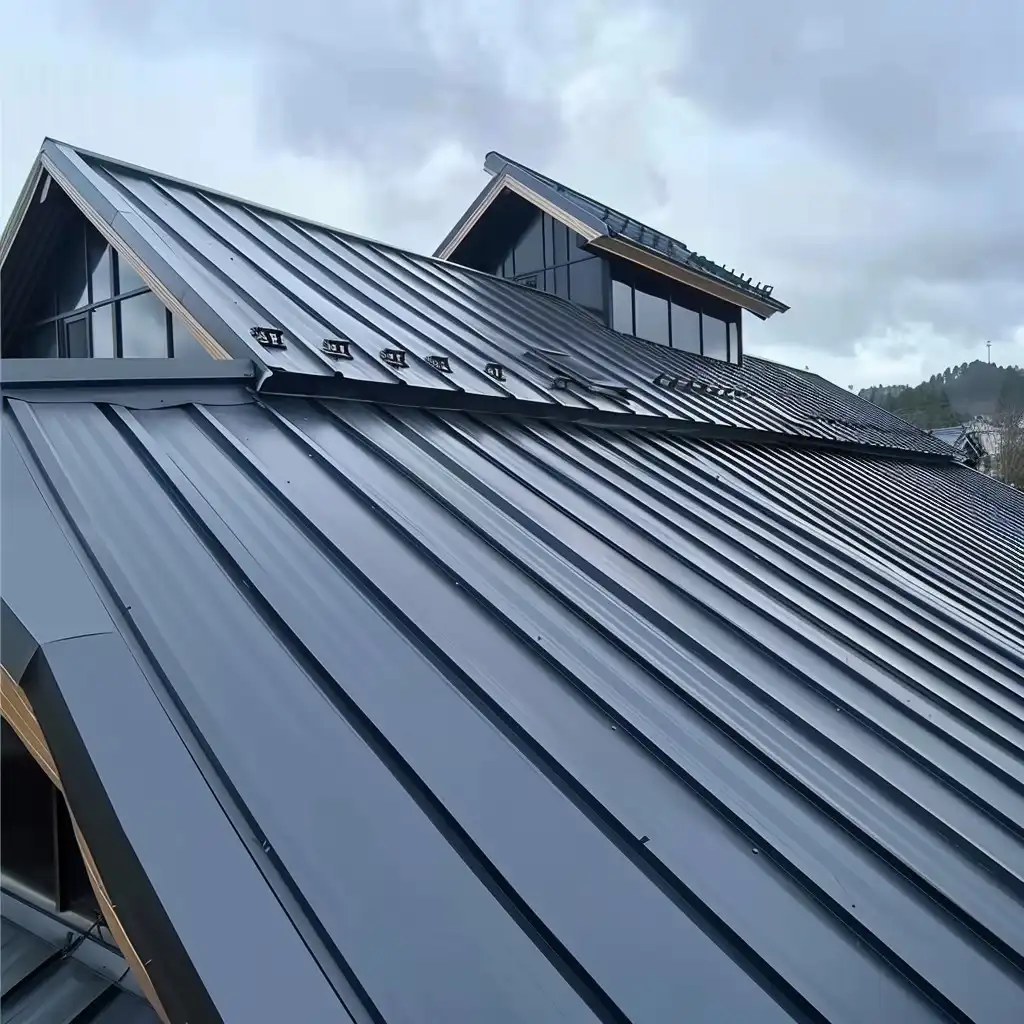
For the best weather protection and structure stability, it is important to install mechanical lock metal roofing properly. This high-quality standing seam system has panels that are joined together by physically crimping them together. This makes seams that are automatically folded, which forms a single, sealed barrier. Mechanical lock roofing is better than friction-fit options because it resists wind uplift better and lasts longer. This makes it the best choice for business buildings, industrial stores, and important infrastructure projects. When you use the right construction methods and high-quality materials, your investment will last for decades without any repairs. This is because they meet strict industry standards.
Understanding Mechanical Lock Metal Roofing
Standing seam metal roofing systems have changed the way business buildings are built, but mechanical lock metal roofing variations are different because of how they join panels. This roofing answer solves some of the most important problems that procurement workers face when they have to choose roofing materials for big projects.
What Makes Mechanical Lock Systems Different
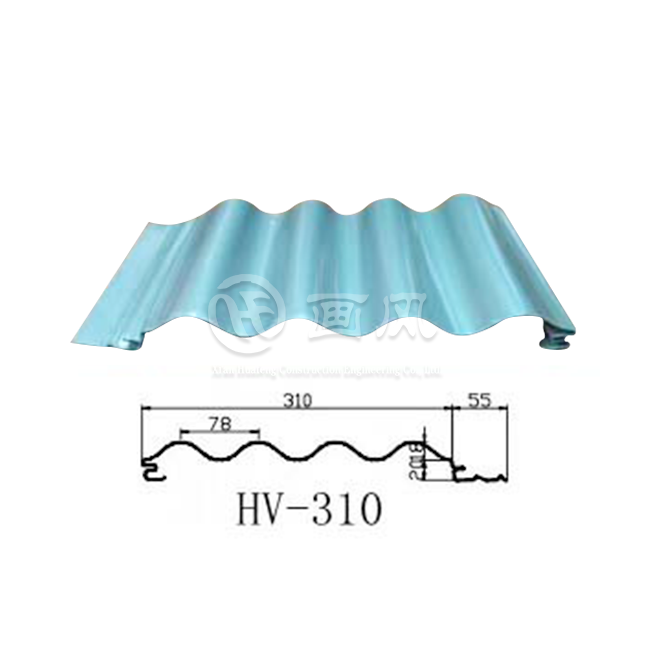
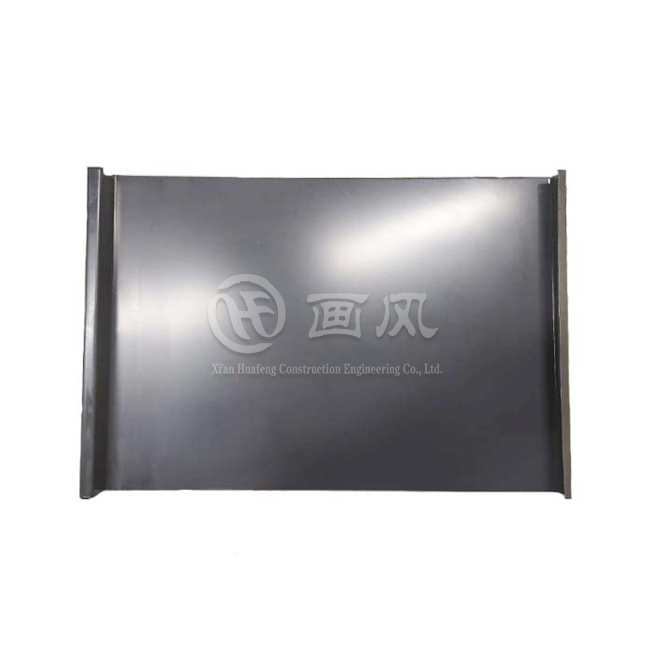
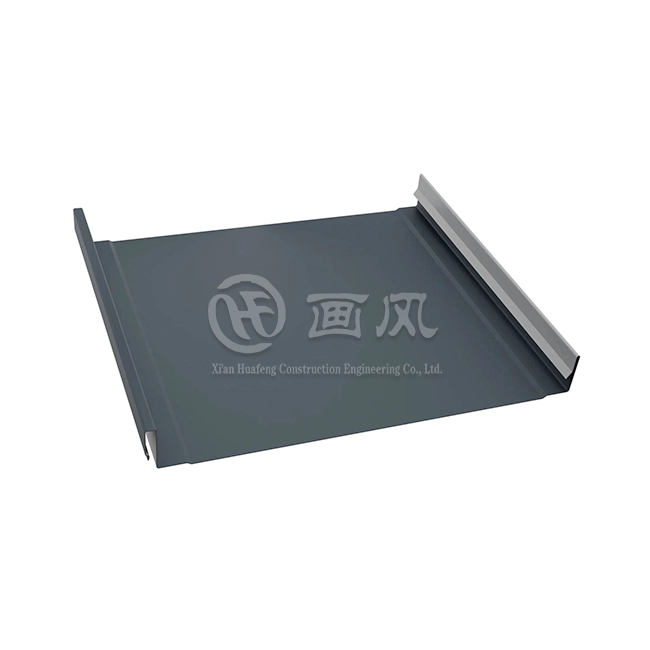
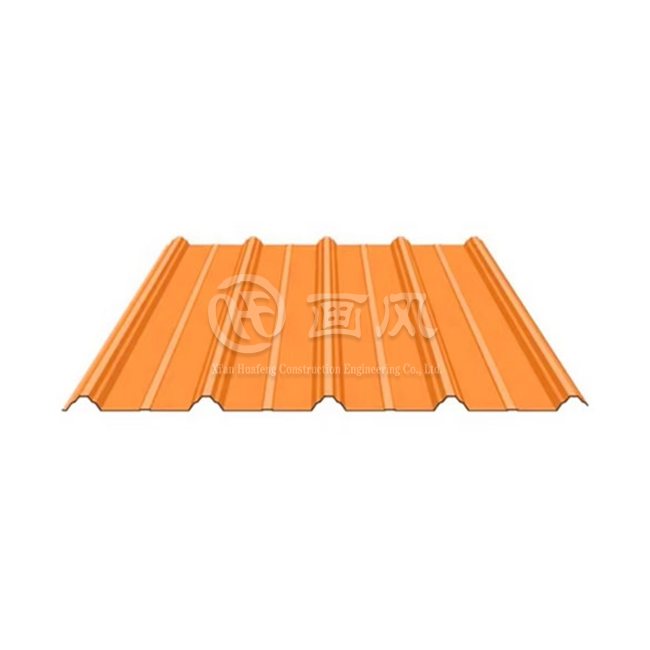
Plate joining makes it distinctive. Specialized seaming machinery essentially forces metal together in a 90-degree or 180-degree form. Then male and female legs fit. This creates a strong mechanical connection instead of friction between pieces. Even in low-slope circumstances with a pitch of 0.5:12, this weatherproof screen can withstand hydrostatic pressure and prevent capillary water from entering.These systems are made of high-tensile galvalume steel, aluminum, or stainless steel and may be 0.5 to 1 mm thick. Our panels have 25-330/400/430, 32-300/410/430, and 38-330/400/410 ribs. PVDF Fluorocarbon or PE polyester coatings treat surfaces. These coatings provide UV protection and color preservation, and our 30-year warranty backs them.
Performance Advantages for Commercial Applications
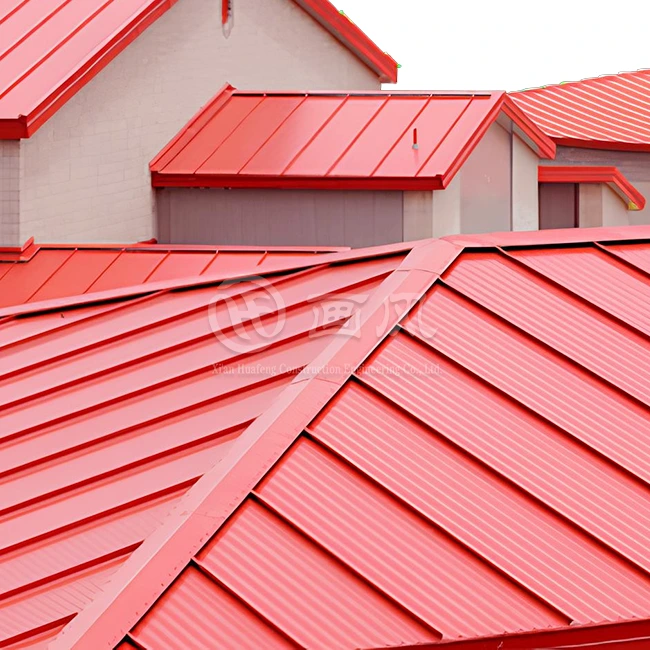
This flooring is marked by durability. The concealed fastener design eliminates water-entry points in typical roofing systems. Temperature adjustments may be made without stressing fasteners or oil canning using the concealed clips. Wind resistance above 90 mph fulfills International Building Code criteria for storm zones with high wind speeds.Measure energy efficiency when shiny surfaces reduce cooling loads. Our PVDF paints deflect solar radiation, helping many businesses achieve LEED certification. IPX4 or greater waterproofing protects you in rainy areas, while Class A fire ratings satisfy ASTM E108 criteria for non-combustible materials.
Common Challenges and Maintenance Requirements
Before specifying, procurement teams should know what problems might come up. When the crimp structure is compromised by using the wrong seaming tools or the wrong pressure settings, the seam can separate. Corrosion protection depends a lot on the quality of the finish. Our materials that are compliant with ASTM, DIN, JIS, BS, and GB/T keep things from breaking down too quickly. Regular checks look at the stability of the fasteners, the consistency of the sealant, and the alignment of the panels. Systems that are put correctly need very little maintenance over their lifetime.
Preparing for Installation: Key Considerations
The journey to success starts long before the panels show up. Preparing well cuts down on expensive delays and makes sure the mechanical lock metal roofing system works the way it was designed to.
Site Assessment and Structural Evaluation
Environmental considerations influence material selection and installation. Wind zones, snow loads, and temperature determine gauge diameter and fastener spacing. We do structural analysis to ensure that current roof decks can handle 1.5 pounds per square foot of metal roofing. Due to its small weight, metal roofing may typically be installed without support.Local building codes vary throughout the US. Certain regions need underlayment or fire ratings, and coastal areas need stronger corrosion protection. Working with authorities early prevents specification modifications throughout construction. Our technical staff provides mill certifications that show coating specifications and yield strength for code compliance papers.
Essential Tools and Equipment Selection
Professional construction requires particular instruments. Mechanical seaming tools—electric or hand-held—must meet panel profile standards to achieve the proper crimp depth and seam height. With complex roof designs, portable seamers are more versatile, whereas ride-on machines work better on large expanses. Calibration testing ensures seam quality throughout the process.Installation crews at height use safety gear. Safety in the workplace comes from fall prevention, weather-appropriate footwear, and gear. Panel handling tools protect the coating's integrity for long-term performance during material staging and installation.
Compliance Standards for International Markets
When buying things for European markets, B2B buyers have to follow EN 13501 fire rating rules, while American projects often use ASTM standards. Our factories keep certifications for a number of foreign systems, which makes it easier to meet the needs of cross-border projects. As part of quality paperwork, ASTM E1592 tests for structural performance, ASTM E1680 reports for air infiltration, and ASTM E1646 proof for water penetration are all included.
Step-by-Step Mechanical Lock Metal Roofing Installation Guide
How well and how long a system lasts depends directly on how precisely it was installed. The following method is based on best practices that have been developed over thousands of business projects for mechanical lock metal roofing.
Roof Deck Preparation and Underlayment Application
Ground must be clean and dry. Get rid of debris, restore damaged decks, and grade the slope for water drainage. What underlayment you choose depends on your climate and local construction standards. Synthetic materials withstand tearing and sun damage better than felt. When you overlap and connect panels properly, you create a second weather shield that protects you throughout panel installation and roof life.To prevent condensation on metal decks, thermal breaks may be required. Airflow from ventilation pathways prevents dampness from harming insulation and building materials. These first measures may appear insignificant, but they are crucial to the roofing system's longevity.
Panel Alignment and Mechanical Seaming Techniques
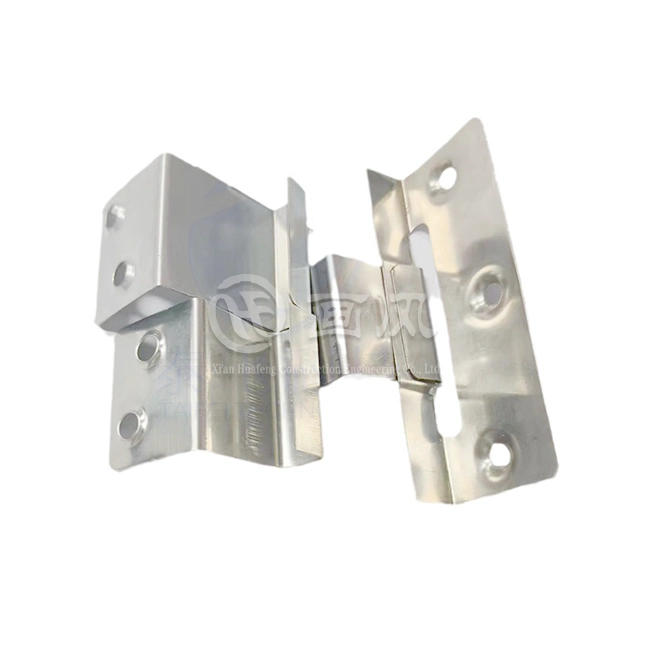
Installation begins at the eave or rake, depending on roof form. Starter strips align the following panel runs. Each panel moves by inserting its male leg into the female leg of the one below it. Floating clips attach to the foundation by angled holes, allowing temperature to fluctuate.Sewing requires meticulous attention to detail. Each time the seaming tool passes the junction, the legs fold together. Single-lock seams can turn 180 degrees in one or two passes, whereas double-lock systems need more than two tool runs. When sewed, factory-applied sealing beads in the female leg contract. This produces hydrostatic pressure-tested watertight seals.Tool speed and pressure are strictly manufacturer-specified. Overpressure destroys paint finishes and speed produces missing seams. Our assembly instructions show how to set up each panel shape and material thickness based on field testing and technical study.
Trim, Flashing, and Quality Inspection Protocols
Details around the perimeter keep the weather out of the system. The eave trim, ridge caps, and rake trim all match the shapes of the panels and allow for heat movement. Valley flashings keep water away from important points of contact. To keep the roof's waterproof integrity, penetration flashings around vents, windows, and mechanical equipment need to be carefully detailed.During the whole process, there are quality control stops. A visual check makes sure that the seam height is consistent, that the coating is intact, and that the clips are properly engaged. Pull tests check how well fasteners hold together. Before the project is finished, possible leak paths are found by trying finished parts with water. Documentation photos are useful for making sure the quality of the work, keeping records for the guarantee, and planning for future upkeep.
Comparing Mechanical Lock Metal Roofing with Other Roofing Systems
Knowing the differences between systems helps procurement pros make choices that are in line with the needs of the project and the budget regarding mechanical lock metal roofing.
Mechanical Lock vs. Snap Lock Systems
Because they clip together, snap lock panels can be put up faster because you don't need any special tools for sewing. This cuts down on the time and money needed for work on jobs that need to be done quickly. But the friction-fit link depends on panel tightness and clip retention, which means they aren't as good for places with low slopes or a lot of wind. When building rules require proven wind uplift protection and complete sealing, mechanical lock systems give structures better performance.From working on a variety of projects, we've learned that snap lock works well for home applications with steep slopes greater than 3:12 pitch. On the other hand, mechanical lock is still required for business warehouses, industrial facilities, and coastal construction that will be exposed to hurricanes. The extra money you pay up front for skilled labor and mechanical seaming tools pays off in lower upkeep costs and longer service life.
Cost-Benefit Analysis for B2B Decision Makers
The upfront prices of materials for mechanical lock metal roofing systems are about 15–25% higher than those for snap lock options. This is because mechanically seamed roofing systems are more complex and work better. Due to the time and special tools needed for seaming, installation work adds another cost difference. Lifecycle cost study, on the other hand, shows that there is strong value.Over decades, mirrored surfaces save money on costs by using less energy. When you use hidden fastener systems instead of through-fastened roofing, you don't have to change screws as often, which cuts down on maintenance costs by a huge amount. Our 30-year insurance coverage gives you cheap peace of mind that you can't get with options that last less time. When buying teams look at the total cost of ownership, which includes energy efficiency, upkeep, and replacement cycles, mechanical lock systems often give better return on investment for buildings that will be used for a long time.
Long-Term ROI and Energy Performance Data
Field tests show differences in ability that can be measured. Buildings with automatically seamed metal roofs have 10–25% lower cooling costs than buildings with darker, less reflective roofs. The thermal movement adaptation stops panel warping and fastener wear, which break down less durable systems within 15 to 20 years. When properly put, we've seen mechanical lock roofs that are still fully waterproof after 40 years or more, which is a lot longer than most business roofs last.
Procurement and Working with Trusted Suppliers
Both the quality of the work and the choice of supplier have a big impact on the results of a project for mechanical lock metal roofing. Systematic review methods that find reliable partners are helpful for people who work in procurement.
Evaluating Manufacturer Certifications and Capabilities
How well sellers can meet project deadlines without sacrificing quality is based on their production ability. Our three factories cover an area of 200,000 square meters and have more than 40 processing machines and seven color finishing production lines. They can make 1,000 tons of goods every month. This infrastructure can handle large orders and keep shipping times of 15 to 20 days, which keeps building projects on track. Certifications prove that the quality and accuracy of the production process. Our ISO9001 quality management and ISO14001 environmental management certifications show that we keep an eye on our processes in a planned way. Technical testing records that follow ASTM, DIN, JIS, BS, and GB/T standards show that the product works as expected, which is needed for engineering specs and building permit applications.
Customization Options and Bulk Order Benefits
Standard panel layouts work for many tasks, but for more complicated jobs, custom solutions are often needed. We can make panels with lengths ranging from 1 to 13 meters, match colors other than those offered by RAL, and apply special coatings for use in tough chemical conditions. Customization is possible for even small projects with a minimum order size of 500 square meters or 1 ton. Volume price systems encourage buying in bulk across many projects or stages of development. Setting up ties with chosen suppliers makes it easier to place repeat orders and gets better prices. Technical support goes beyond just providing materials. We also offer fitting advice, engineering help for roofs with complicated shapes, and fixing support when problems arise in the field.
After-Sales Service and Warranty Programs
A full guarantee guards against flaws in the material and wear and tear on the coating. Our 30-year guarantee shows that we trust the quality of our products and the way they were made. When choosing a provider, procurement teams should carefully read the warranty terms, which include information about what the warranty covers, what it doesn't cover, and how to file a claim. Technical help that is always available adds value to a building over its whole life. Installation training programs make sure that worker teams know how to use our panels correctly. Field reps offer consultations on-site when complicated issues need professional help. With this relationship method, suppliers go from being transactional vendors to strategic partners who care about the success of the project.
Conclusion
When installed right with good materials, mechanical lock metal roofing protects business and industrial buildings better than any other type of roofing. The money spent on quality panels, proper assembly methods, and specialized tools pays off in the long run through less upkeep, better weather resistance, and longer service life. When purchasing managers know the technical differences between roofing systems, review suppliers in a structured way, and put quality work first, their projects are set up to last for decades. Mechanically seamed standing seam systems are the smart choice for buildings that need the most safety and long-term value because they are highly engineered and have been shown to last.
Frequently Asked Questions About Mechanical Lock Metal Roofing
1. What is the typical lifespan of mechanically seamed roofing?
When put correctly and with good finishes, mechanical lock metal roofing systems usually last longer than 40 years without getting damaged by the weather. Our panels come with 30-year warranties that cover flaws in the material and wear and tear on the coating. However, if you follow the care instructions, the panels will usually last much longer than the guarantee time.
2. How do costs compare with traditional roofing materials?
While it costs more to put at first than regular roofing, it is worth it in the long run because it saves money on energy costs, requires less upkeep, and lasts longer between replacements. Mechanical lock systems are most useful for projects that will last 20 years or more because they are durable and don't need much upkeep.
3. Can these panels install over existing roof structures?
It is normal and often chosen to use retrofit applications. Because metal roofing is so light (about 1.5 pounds per square foot), it can usually be put on top of current roofs without any structural reinforcement. Before moving forward, a proper review checks the state of the substrate and its ability to support weight.
Partner with HF for Premium Mechanical Lock Metal Roofing Solutions
Your business roofing jobs will be done well by Xi'an Huafeng Construction Engineering Co., Ltd. because they are great at engineering and can make things. We have been making mechanical lock metal roofing for a long time and have three specialized factories, seven production lines, and ISO-certified quality systems. We can give your projects the dependability and performance they need. Our expert team helps procurement professionals with the whole design process. They offer unique solutions with panel thicknesses ranging from 0.5 to 1 mm, different rib configurations, and PVDF/PE surface treatments in any RAL color. Email our experts at huafeng@hfmetalroof.com to talk about the needs of your project, ask for examples of materials, or get specific quotes. Orders starting at 500 square meters are delivered within 15 to 20 days, and we offer full technical help and a 30-year guarantee to protect your investment.
References
1. Smith, J.R. "Standing Seam Metal Roofing Systems: Design and Installation Standards for Commercial Applications." Journal of Building Envelope Technology, vol. 15, no. 3, 2021, pp. 112-128.
2. Thompson, M.K. and Davis, L.P. "Comparative Analysis of Metal Roofing Performance in High-Wind Coastal Environments." Construction Engineering Quarterly, vol. 28, no. 2, 2020, pp. 45-63.
3. International Code Council. "Metal Roof System Design Manual: Technical Guidelines for Mechanically Seamed Panels." ICC Publications, 2022.
4. Roberts, A.E. "Life-Cycle Cost Assessment of Commercial Roofing Systems: A 50-Year Performance Study." Building Economics and Management Journal, vol. 19, no. 4, 2019, pp. 201-219.
5. National Roofing Contractors Association. "Metal Panel Roofing Installation Best Practices and Quality Assurance Protocols." NRCA Technical Manual, 8th edition, 2023.
6. Williams, C.T. "Thermal Performance and Energy Efficiency of Reflective Metal Roofing in Commercial Buildings." Sustainable Construction Research, vol. 12, no. 1, 2021, pp. 78-94.





YOU MAY LIKE