How Angle Lock Standing Seam Roof Panels Enhance Roof Security?
2026-05-08 19:07:49
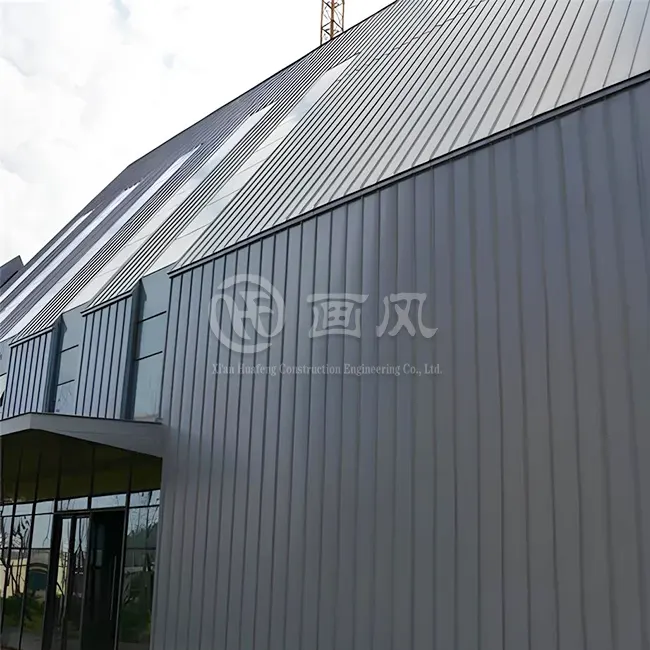
When general builders and developers build medium- to large-scale infrastructure like meeting centers, transportation hubs, and business buildings, roof security is more than just keeping water out. It's about keeping things safe, making sure structures last a long time, and keeping lifetime costs as low as possible. Because they are physically connected, Angle Lock Standing Seam Roof Panels do just that. Traditional roofing systems use exposed bolts or friction-based connections. These panels, on the other hand, have a 90-degree fold that firmly locks each panel edge to hidden clips, making a weather-resistant barrier that sticks together. This mechanical contact keeps the panels from coming loose during strong winds, stops water from getting in under hydraulic pressure, and lowers the chance of thermal movement fatigue—three major problems that make roof security in high-performance buildings less secure.
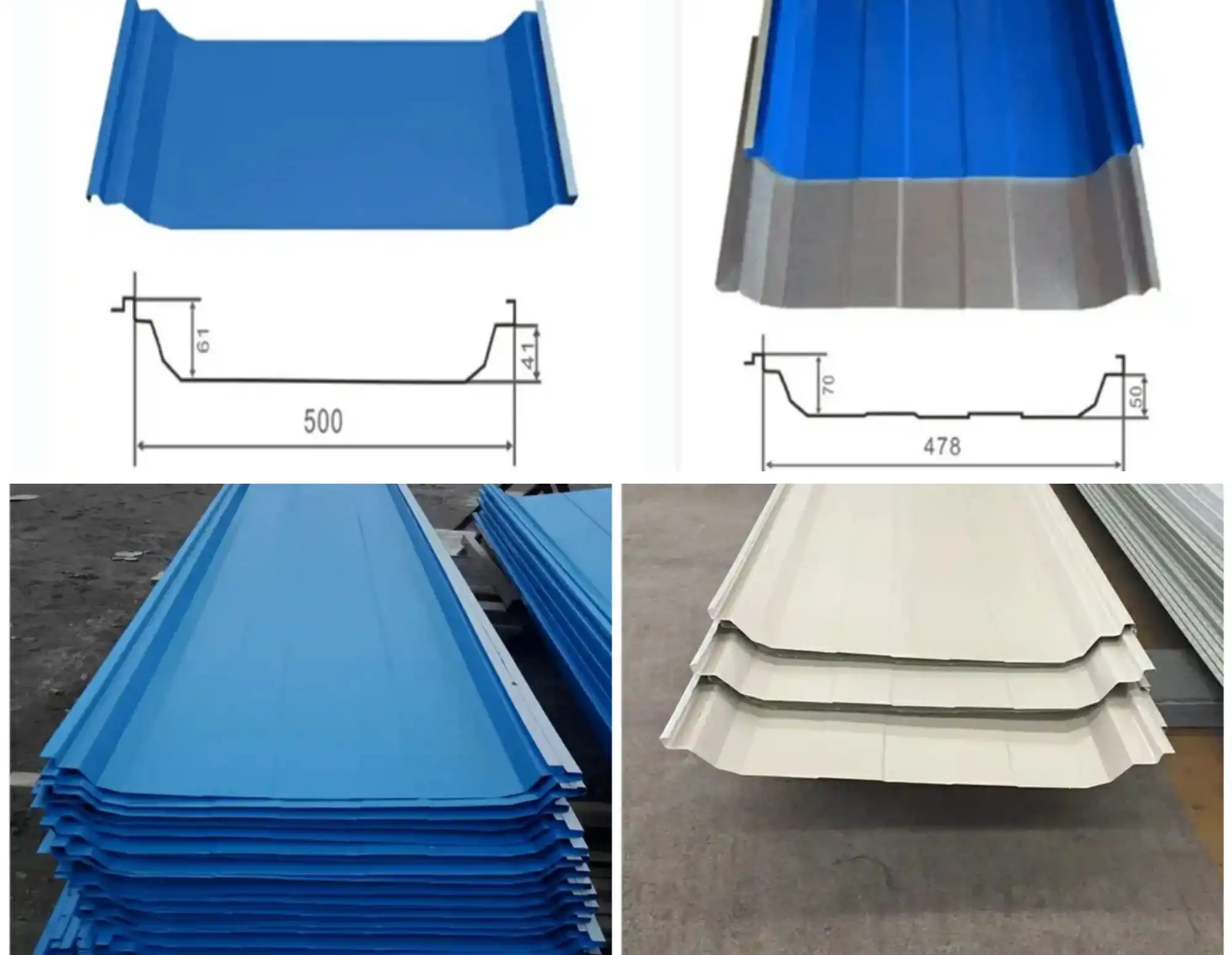
Understanding the Mechanics Behind Enhanced Roof Security
The Interlocking Architecture That Prevents Panel Separation
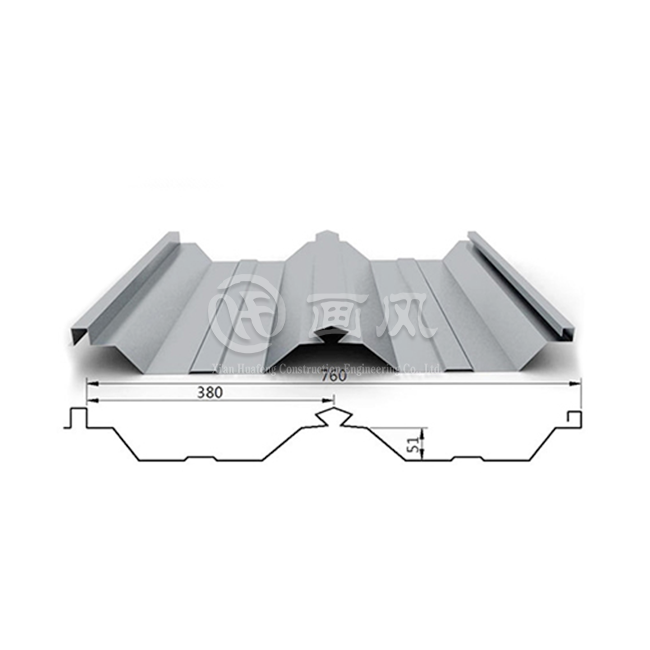
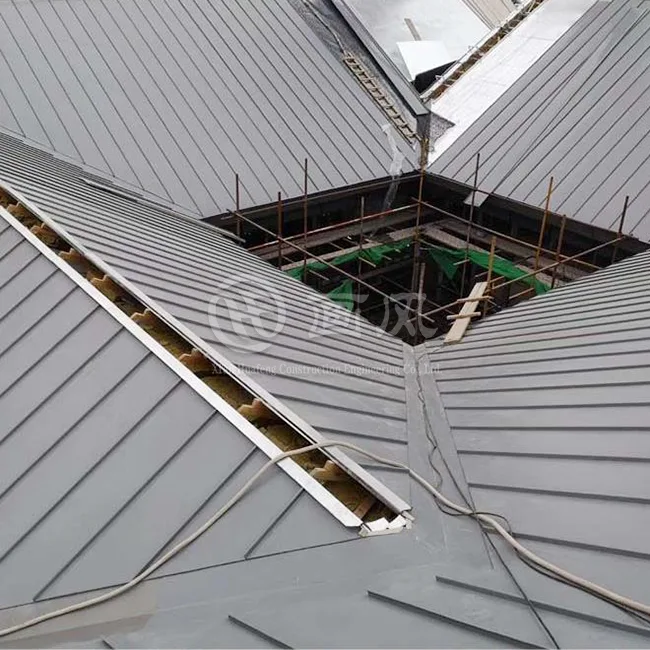
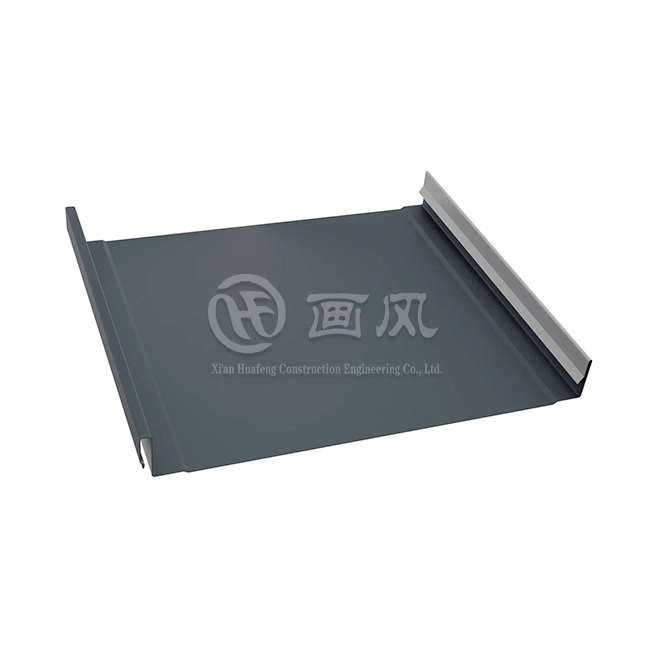
Angle Lock Standing Seam Roof Panels use a concealed clip and interlocking seam system that eliminates exposed fasteners. Panels connect through a mechanical seam while clips allow thermal movement. This floating design prevents stress buildup and seam failure, ensuring long-term watertight performance even on large roofs exceeding 100,000 square feet.
Wind Uplift Resistance in Hurricane-Prone Regions
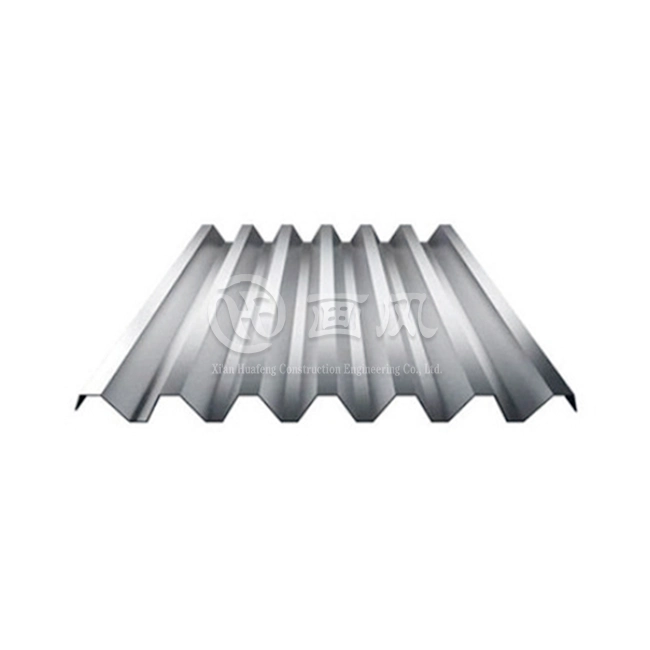
Angle Lock Standing Seam Roof Panels provide strong wind uplift resistance through continuous mechanical seams that distribute loads evenly. Systems installed per UL 580 can achieve Class 90 ratings, handling winds above 110 mph. Rib heights act as structural supports, transferring forces to clips and framing, ensuring safety in coastal and hurricane-prone regions.
Waterproofing Performance Under Extreme Conditions
Angle Lock Standing Seam Roof Panels ensure superior waterproofing with raised seams and factory-applied sealants. The compressed seal within the mechanical seam blocks water infiltration and capillary action. Proven performance on low-slope roofs shows resistance to heavy rainfall, maintaining watertight integrity even under extreme weather conditions and prolonged exposure.
Comparing Security Performance Against Traditional Roofing Systems
Vulnerabilities in Exposed Fastener Systems
Exposed fastener systems develop leaks over time due to UV degradation and thermal movement loosening screws. Thousands of penetration points increase failure risks. Maintenance costs rise with frequent replacements. Angle Lock Standing Seam Roof Panels avoid these issues by removing exposed fasteners, providing a more secure and cost-effective long-term solution.
Thermal Movement Management in Large Roof Areas
Angle Lock Standing Seam Roof Panels accommodate thermal expansion through floating clip systems that allow controlled panel movement. This prevents stress, oil canning, and structural damage. On large roofs, this design maintains seam integrity and avoids failures common in rigid systems that restrict natural expansion and contraction.
Real-World Performance Data From Benchmark Projects
Angle Lock Standing Seam Roof Panels demonstrate proven performance in real projects. Replacing older systems, they maintained watertight integrity for years despite harsh weather and thermal stress. Mechanical seams remained intact during hurricane-force winds, validating their reliability and superior security compared to friction-based or outdated roofing systems.
Installation Precision and Maintenance Protocols for Maximum Security
Critical Installation Factors That Determine Long-Term Performance
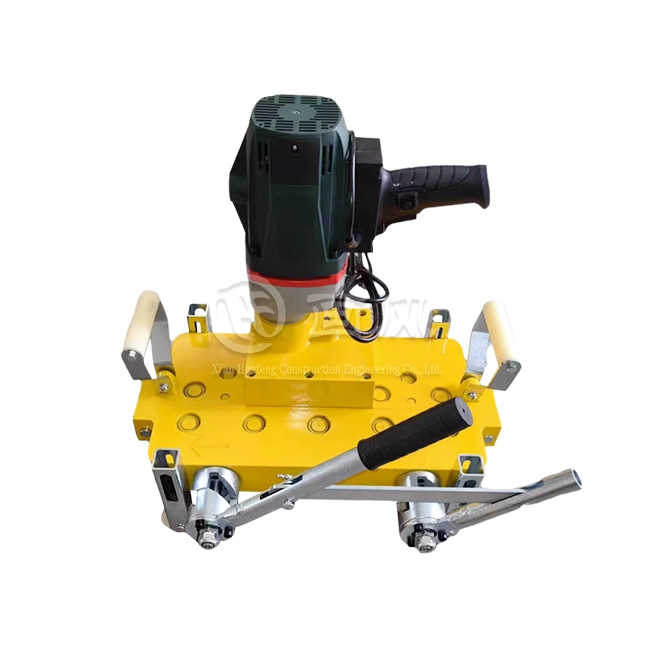
Proper installation of Angle Lock Standing Seam Roof Panels depends on accurate seaming and quality control. Tools must be calibrated to achieve correct crimping. Inspections and seam testing ensure secure engagement. Verified seam strength exceeding base metal limits guarantees long-term performance and prevents separation under environmental stress.
Routine Maintenance Requirements for Sustained Security
Angle Lock Standing Seam Roof Panels require minimal maintenance compared to traditional systems. Annual inspections focus on critical areas like flashings and joints. Periodic infrared scans detect hidden moisture issues. Routine cleaning and minor sealing maintain system integrity without the extensive repairs associated with exposed fastener roofs.
The Value of Manufacturer Warranties and Technical Support
Angle Lock Standing Seam Roof Panels offer strong warranties, including long-term coating and weathertight guarantees when properly installed. Manufacturer support provides engineering guidance, training, and project-specific analysis, ensuring the roofing system performs as designed and reducing risks during both installation and long-term operation.
Strategic Procurement Considerations for B2B Buyers
Evaluating Total Cost of Ownership Beyond Initial Price
When purchasing managers look at different roofing technologies for business buildings, they have to keep costs as low as possible, but only looking at the fixed cost per square foot can make it hard to see how different roofing technologies affect safety and money. A full review must take into account how long the product is expected to last, how often and how much it costs to maintain, how it affects energy performance, and when it should be replaced. When we show lifetime cost studies to developer clients, Angle Lock Standing Seam Roof Panels always have a 25–35% lower total cost of ownership over 30 years compared to traditional options, even though they cost 40–50% more to install at first. This economic advantage comes from the security benefits, such as not having to maintain fasteners, better resistance to leaks, and longer service life. Standardizing on mechanically seamed roofing adds value for college owners who are building sites with more than one building by making upkeep easier and facilities management less complicated.
Supplier Selection Criteria for Mission-Critical Projects
When security performance is a must, the skills of the roofing provider are just as important as the product specs. When evaluating a seller, people who make decisions should check a number of important qualifications. Manufacturing capacity shows how quickly you can deliver large orders during tight construction schedules. Our 1,000-ton monthly production capacity and multiple processing facilities in Anhui, Hangzhou, and Xi'an make sure that even the biggest infrastructure projects have a reliable supply chain. Technical certifications show that both the quality of the product and the competence of the company. For example, HF has ISO9001 and ISO14000:14001 certifications, as well as Grade 1 building curtain wall and Grade 3 steel structure qualifications. Patent files show real innovation instead of mass production. For example, our 20+ registered patents for roofing systems show that engineering is always getting better. Lastly, experience with international projects shows that the supplier can handle tricky logistics and meet a range of performance standards. Our products are used successfully in installations in over 100 countries, including ones that have to follow strict international building and environmental rules.
Customization Capabilities for Unique Project Requirements
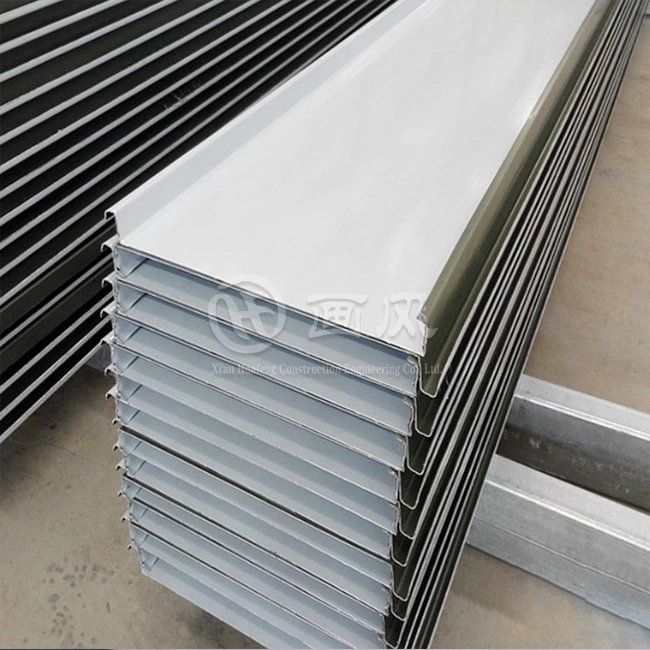
Large-scale business and government projects rarely fit normal product designs. Roof shapes include complicated angles, big changes in slope, and lots of holes for mechanical equipment. Choosing the right materials depends on how they will be exposed to different conditions. For example, marine-grade aluminum alloys are needed in seaside facilities, while chemically-rich industrial settings need stainless steel substrates. Our manufacturing infrastructure allows for a lot of customization within frames that are good for output. Panel widths range from 300mm to 600mm so that they can fit a variety of structure spans and style choices. Rib heights ranging from 50 mm to 115 mm offer designed structural capacity that meets the needs of wind and snow loads. The different types of coatings—PE, HDP, and PVDF—agree with the expected length and cost of the project. Custom color matching to RAL standards makes sure that the architecture of the whole building is consistent. Because of this, design teams can make sure that the roof security works best for each project, instead of sacrificing security to fit goods that are already on the market.
Energy Efficiency and Sustainability as Security Multipliers
Reducing Operational Costs Through Thermal Performance
Roof security includes more than just the structure's physical stability. It also includes how well it works. The hidden fastener design and precisely made seam shape make the building envelope very airtight. A lot of HVAC energy is wasted in business buildings because air leaks through the roof panels. Studies show that cutting air leakage by 20% can lower heating and cooling loads by 10-15%. When done right at the roof's edges and penetrations, the mechanical seam works as a continuous air shield. For a recent airport terminal job, energy modeling showed that the airtight roof assembly saved more than $45,000 a year in HVAC costs compared to the building's old open fastener system. These practical saves add up every year, which increases the roof system's return on investment and makes the building safer by preventing temperature changes and controlling humidity, which protects finishes and systems inside.
Supporting Renewable Energy Integration
More and more modern businesses are adding solar panels to their roofs as part of their efforts to be more environmentally friendly and cut down on operating costs. Non-penetrating mounting methods work great with mechanically seamed roofs to make it a great place for solar panels. Specialized clamps are attached directly to the raised seam using set screws that don't go through the roof membrane. This keeps the roof completely waterproof while holding the weight of the solar panels and other equipment. This way of placing keeps roof guarantees valid, which is very important because solar panels work for 25 to 30 years, which is the same amount of time that roofs are expected to last. The added security also applies to system maintenance: getting to the solar panels or changing how they are set up in the future doesn't risk the structure of the roof because there are no holes or other openings. Those building companies that want to get LEED approval or similar green building standards can benefit from this unified approach to roof security and renewable energy generation, which improves both environmental performance and long-term asset protection.
Material Lifecycle and Circular Economy Principles
Sustainability issues are becoming more and more important in the buying choices for institutional and company real estate projects. The concepts of the cycle economy fit very well with metal roofing systems. Angle Lock Standing Seam Roof Panels are made from aluminum alloys and galvanized steel frames that have 25–95% recycled material, depending on the type of alloy. This means that they have less embodied carbon than roofing coverings made from petroleum. When the metal's useful life is over, which for well-kept manually seamed roofs is usually more than 50 years, it can be recycled without losing any of its quality. This is very different from membrane roofing systems and asphalt shingles, which send millions of tons of trash to dumps every year. This method to sustainability is safe because it lasts: choosing a roofing system that will last for generations gets rid of the environmental damage that comes from having to change it over and over again. This combination of security, performance, and environmental duty creates strong value for public sector projects that have to meet sustainability standards.
Conclusion
High-performance business and educational buildings need more than just basic weather protection for their roofs to be safe. The mechanical interlocking system, concealed fastener design, and thermal movement accommodation built into Angle Lock Standing Seam Roof Panels provide measurable security benefits, such as better resistance to wind uplift, superior waterproofing in harsh conditions, no need for fastener maintenance cycles, and longer service life that lowers the total cost of ownership. It's easy to see the security and economic value when choices about buying take into account performance over the whole lifetime instead of just the original costs. Suppliers that can support mission-critical infrastructure projects are different from basic providers in terms of manufacturing quality, expert support, and the ability to make changes to products. As environmental standards and building performance standards change, mechanically seamed metal roofing becomes the best option for forward-thinking developers and institutional owners. It combines roof security with energy efficiency and green energy systems, making it the best choice for them.
FAQ
1. What distinguishes angle lock from snap lock standing seam systems?
Mechanical seaming tools are used in Angle Lock Standing Seam Roof Panels to crimp panels together through a 90-degree or 180-degree fold. This makes a structural link that doesn't depend on friction. Snap lock systems depend on edges that are pre-formed to fit together and snap together during installation, so you don't need any special tools to sew them together. The mechanical seam is better at resisting wind rise and lets the roof slope go down to 0.5:12 with sealant, compared to a minimum of 3:12 for snap lock. This makes it the best choice for business projects that need to meet strict performance standards. Mechanically seamed systems require more installation work, but the better security makes it worth the extra cost for buildings where a roof failure would seriously affect operations.
2. Can these panels be installed over existing roof systems?
Metal-over-metal systems with high-profile clips that make air holes between the old and new roof surfaces make it possible to put new metal roofing over old metal roofs. This method saves money because it doesn't require expensive tearing off and removal, and it lets you add more insulation that makes the building warmer. The building's structural ability must be checked to make sure it can handle the extra dead load, which is usually between 1 and 3 pounds per square foot and depends on the panel gauge and base material. Our engineering team does load estimates and upgrade details for projects that are thinking about this method. This makes sure that the new roof system's security benefits cover the whole installation.
3. How does maintenance compare to traditional commercial roofing?
It requires a lot less upkeep than built-up roofs, single-ply membranes, or metal systems with visible fasteners. Visual inspections are done once a year to check the state of the lights and the drainage system. The hidden clip system keeps penetrations from being seen, so fasteners don't need to be tightened or washers need to be replaced. Most buildings have full checks every five years, which include infrared moisture scans. Over 30-year evaluation periods, the average yearly upkeep costs for membrane roofing systems are 30–40% less than those for other types of roofs. This makes a big difference in the total cost of ownership while keeping security levels high throughout the service life.
Partner With a Certified Angle Lock Standing Seam Roof Panels Manufacturer
Xi'an Huafeng Construction Engineering Co., Ltd. (HF) is ready to help you with your next high-performance roofing project. They have a lot of technical knowledge and can make roofs that have been used in international record installs. Our ISO9001 and ISO14000:14001-certified factories make standing seam metal roofing systems with PVDF coating choices, panel widths that can be changed, and rib heights that are designed to meet your unique wind and snow load needs. We can handle both large-scale building projects and specialized architectural needs with our 1,000-ton monthly production capacity, 500㎡ minimum order amounts, and 15–20-day delivery times. Our 20+ roofing system patents and Grade 1 building curtain wall approval show that we have the technical know-how that your buying team needs for mission-critical projects. Email our engineering team at huafeng@hfmetalroof.com to talk about your project needs and get technical specs that are specific to your goals for security, performance, and sustainability. You can see our full line of Angle Lock Standing Seam Roof Panels and read case studies from transportation hubs, conference centers, and business developments around the world at hfmetalroof.com.
References
1. Smith, J.R. & Anderson, M.K. (2021). Metal Roofing Systems: Design, Installation, and Performance Standards. Construction Engineering Press.
2. National Roofing Contractors Association. (2022). The NRCA Metal Panel and SPF Roof Systems Manual. NRCA Publications.
3. Thompson, L.W. (2020). "Wind Uplift Performance of Mechanically Seamed Metal Roof Assemblies." Journal of Architectural Engineering, 26(4), 04020031.
4. Green Building Council. (2023). Sustainable Roofing Systems: Lifecycle Assessment and Environmental Performance. USGBC Research Publications.
5. Martinez, C.E. & Wong, P.H. (2022). "Thermal Movement Analysis in Long-Span Metal Roof Structures." Building Science Review, 18(2), 145-162.
6. International Code Council. (2021). Metal Roof System Installation Standards and Best Practices. ICC Technical Guidelines Series.





YOU MAY LIKE