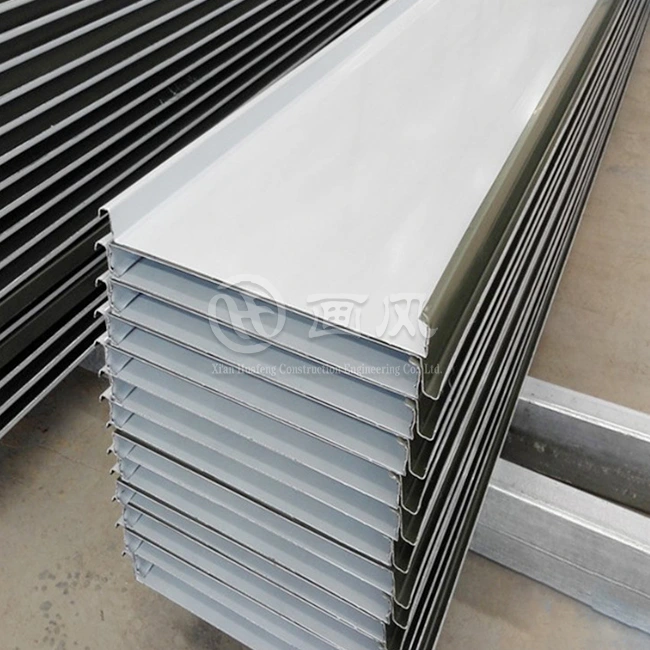
Why Metal Standing Seam Roofing is the Best Investment for Your Property?
2026-05-09 17:27:35
Metal Standing Seam Roofing systems are the best deal because they last a long time, require little upkeep, and are resistant to the elements. These systems have hidden fastening technology that gets rid of penetration spots, which are the main way that regular roofs fail, and moving clip mechanisms that allow for thermal expansion. This roofing solution has been shown to last more than 50 years and perform exceptionally well in harsh climates. It is a strategic asset that lowers the total cost of ownership, supports green building certifications, and improves operational efficiency for both commercial and residential properties.
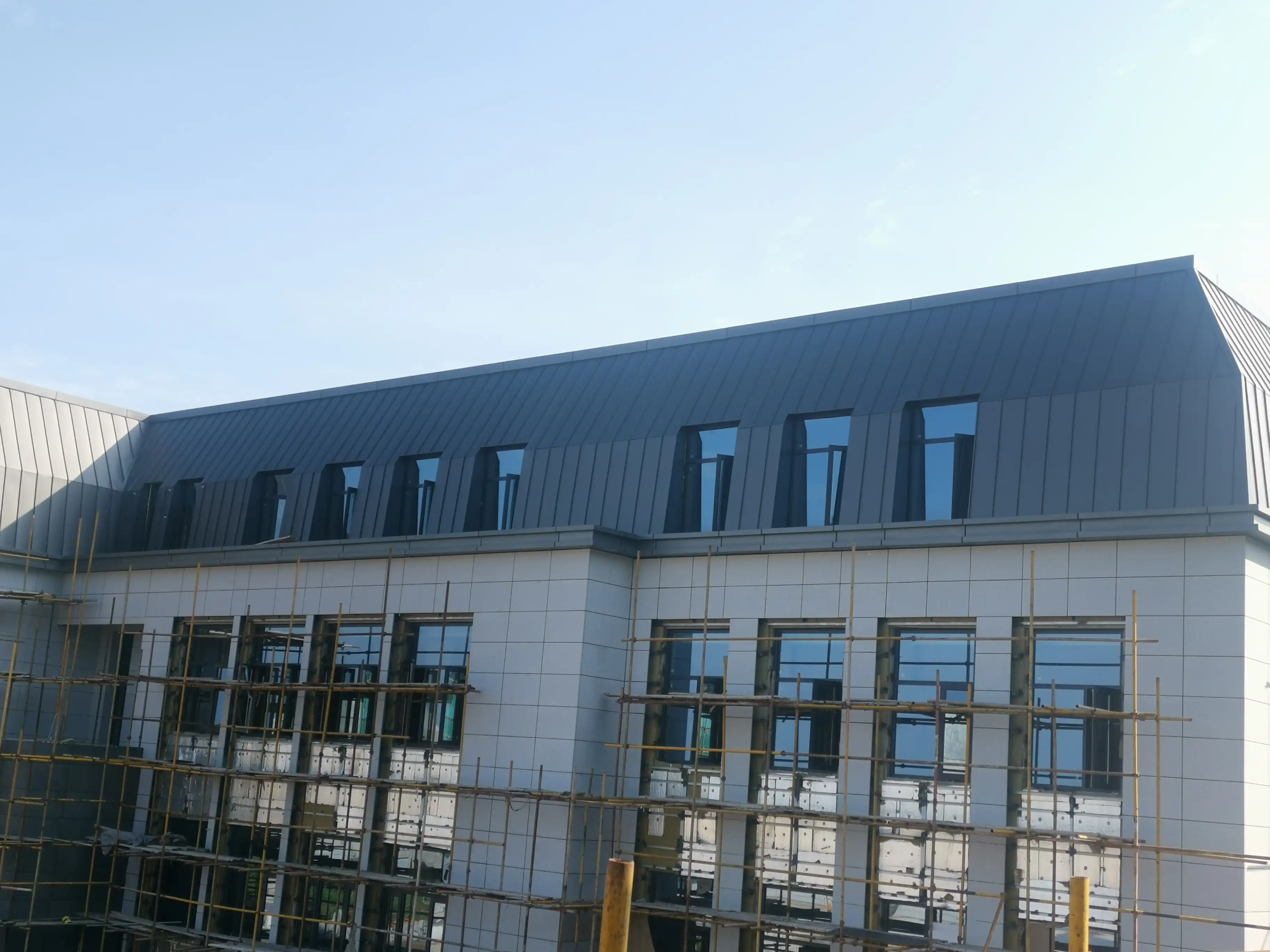
Understanding Metal Standing Seam Roofing Systems
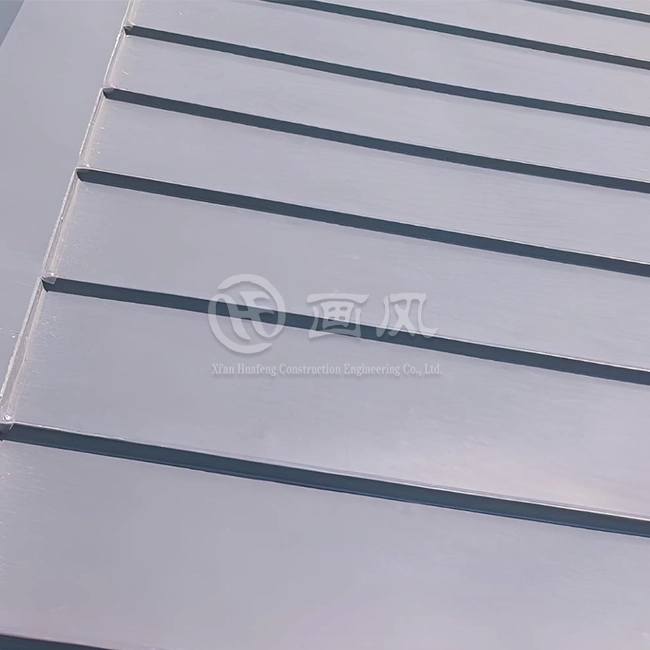
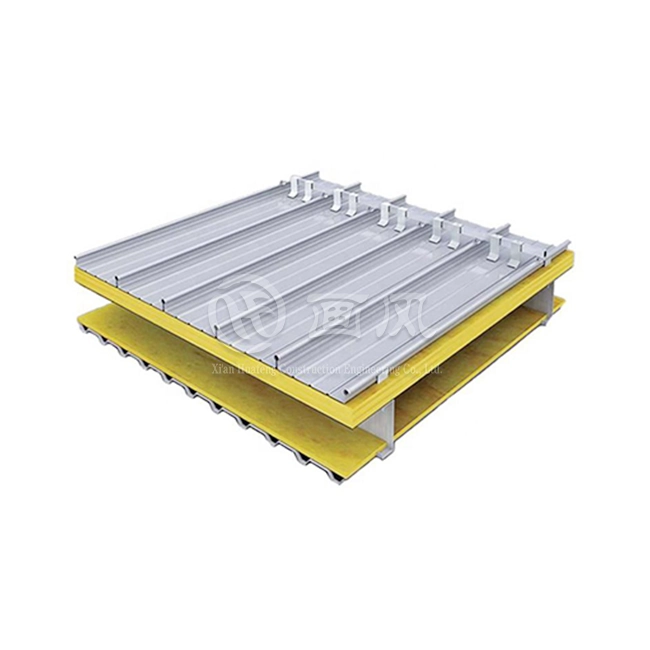
Metal Standing Seam Roofing systems are made up of metal pieces that are stacked vertically and have high seams that fit together along the edges. This design is completely different from traditional roofing methods because it makes a continuous weather barrier without any visible fasteners. The hidden clip system holds panels to the structure below while allowing controlled movement during temperature changes. This keeps the seal from failing and the fasteners from breaking, which can happen with exposed-fastener assemblies.
Core Components and Material Options
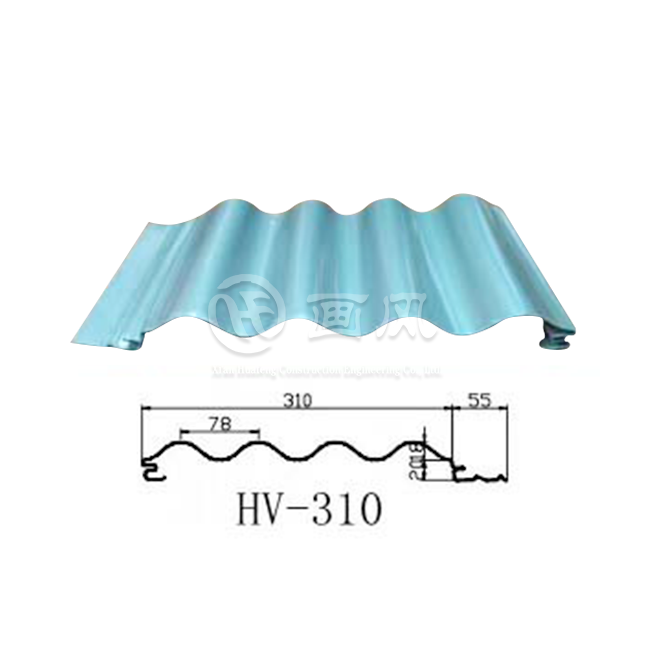
Varied materials are available for varied performance and weather conditions. Salt spray-resistant metal plates weigh 0.9 to 1.2 mm for beach regions. Galvalume steel plates with an AZ150 coating provide corrosion protection at a low cost in most locations. Copper and zinc panels survive 100 years or more and change appearance, whereas stainless steel works well in chemically rich industrial situations.The structure's performance depends on panel specifications. Effective covering is 300–600 mm wide, and 65 mm seam heights provide visible vertical ribs for drainage and structural rigidity. No more horizontal roof slope seams with bespoke panel lengths up to 13 meters. This reduces leaks and building time.
Finish Technologies and Protection Systems
Surface treatments prolong life and preserve appearance under UV light. PVDF coatings (25-30μm thick) contain 70% fluororesin, ensuring UV stability, chemical resistance, and color retention for over 20 years. Cheap PE coatings protect goods at milder temperatures. Copper and zinc surfaces spontaneously oxidize to form protective patinas that last decades without maintenance.These finishes fulfill ISO9001 and ISO14000:14001 standards, ensuring quality throughout production. A cool roof with a reflectance of 0.65 reduces commercial building cooling and receives LEED credit.
Core Benefits of Metal Standing Seam Roofing for Commercial and Residential Properties
Metal Standing Seam Roofing systems are a good investment because they have been shown to have performance benefits that lower costs and make assets last longer than other options.
Exceptional Durability and Weather Resistance
The structure has passed tests at 4.5 kPa, which is Category 5 storm force. This construction can withstand up to 1.5 kN/m² of snow and severe rain in northern locations without damage. Impact resistance testing involves dropping 1 kg steel balls from 3 meters to ensure panels would remain together when struck by hail or other items that might shatter other materials.Watertightness exceeds 1000Pa negative pressure testing criteria, thus the seal remains unbroken in windy rain. The double-lock seam produces 360-degree mechanical connections with factory-applied sealer to create a single membrane for 1/4:12 slopes. This eliminates the requirement for internal drain systems and reduces construction weight.
Energy Efficiency and Operational Cost Reduction
Coatings reflect solar radiation, reducing roof heat. Thermal performance and high-tech insulation reduce HVAC energy demand by numbers. Hot-climate buildings have 20–30% lower cooling costs than dark asphalt. High electricity costs reduce payback periods.Standing seam systems handle temperature expansion, preventing panels from buckling and fasteners from ripping out in stiff installations. Smooth panel expansion and contraction without stressing connecting points is possible using sliding clips. The panels remain weathertight over thousands of temperature cycles.
Fire Safety and Insurance Advantages
A1, the non-combustible GB 8624-2012 rating for roofing materials, provides the greatest fire protection. Business locations that store flammable products or assets in wildfire-prone regions need this attribute. Metal roof installations are less risky than other fire-prone roofs, hence insurance companies generally give 10–25% premium discounts.
Maintenance Requirements and Longevity
Maintenance is restricted to annual eye exams and rubbish removal from valleys. No biological materials mean no moss, algae, or rot issues on asphalt and wood items need much maintenance. Since the clips are concealed, fastener inspections are no longer required, and repairing a panel with little damage is straightforward.The 30-year warranty suggests that the manufacturer trusts the materials. Typically, steel systems endure 50 years or more and zinc and copper 80–100 years. Roof repairs become an investment once in the building's lifespan since they endure so long.
Comparing Metal Standing Seam Roofing With Other Roofing Solutions
Comparing Metal Standing Seam Roofing systems to other systems objectively shows performance gaps that have an impact on total ownership costs and the ability to keep operations running.
Asphalt Shingles: Short-Term Savings, Long-Term Costs
At first glance, asphalt roofs seem like a good deal because they are much cheaper. However, normal 15–20 year lifespans mean that they need to be replaced more than once during a building's operational time. Each change causes problems for the business, creates waste that needs to be thrown away, and costs a lot of money in work. The total cost over 50 years is much higher than the investment in metal roofs, and that's before you even consider repairs for weather damage and upkeep.
Tile and Slate: Weight Penalties and Fragility
To support their weight, clay and concrete tiles need reinforced structural framing, which raises the cost of the base and building. Slate lasts a very long time, but it is very fragile. Walking on it and hail damage can break individual units, which needs to be replaced by a trained professional. Both materials don't have the ability to accommodate heat movement, which keeps stress from building up at fixing places.
TPO and Single-Ply Membranes: Vulnerability and Maintenance Intensity
Thermoplastic membranes work well for industrial uses with low slopes, but they need careful seam upkeep and checks. Patching is needed often because tools on the roof and people walking on it can puncture the surface. UV damage shortens the life of an exposed membrane to 20–30 years, and you can see it starting to break down much sooner.
Corrugated Metal: Exposed Fastener Limitations
Standing seam systems are more expensive than corrugated panels with exposed fasteners, but they bring the main way that systems can fail that hidden clips get rid of. Within 10 to 15 years, leak paths are made when washers wear out, fasteners back out, and heat stress happens at entry points. The cost of replacing fasteners on big parts of roofs over time cancels out any savings made at first.
The higher price of standing seam systems is justified by their lower total cost of ownership. The combination of a long life, low upkeep, and continuous running gives a return on investment that is clear within the first ten years of use.
The Procurement Process: What B2B Clients Need to Know
When you are strategic sourcing Metal Standing Seam Roofing systems, you need to look at more than just unit price. You also need to look at production capability, expert support, and logistics performance.
Manufacturer Assessment and Quality Verification
First, verify permission before picking a provider. ISO9001 for quality management and ISO14000:14001 for environmental management demonstrate planned process control. SGS testing evidence ensures material and coating quality. To assess a company's technical innovation and IP protection, examine its registered trademarks and patent portfolios.Production impacts work completion time. Suppliers with 1000-ton monthly production and 15–20-day delivery windows can accommodate tight timelines and phased construction designs. Minimum order amounts of 500 square meters are appropriate for medium-sized company initiatives without requiring much inventory.
Customization Capabilities and Technical Specifications
The panel's specifications should match project requirements. The width options (300, 400, 430, and 500 mm) enable different architectural sizes and aesthetic sensibilities. Changing color, pattern, and design enables you express your brand's individuality while maintaining performance. PVDF covers guarantee high-visibility projects retain their appearance.Request wind uplift scores, thermal movement estimations, and seam strength testing. Check the papers for UV resistance and coating thickness. Full-service engineering suppliers aid with computations and complicated design details, setting them distinct.
Installation Service Selection
Field efficiency matches planned efficiency depending on installation quality. Ask the contractor about their standing seam system experience—the processes are different from exposed-fastener setups. Ask for samples from comparable projects and make sure your insurance covers everything.Mechanical seaming requires specialized instruments. Contractors using manual and automated seamers produce variable seams and precision. Discuss flooring needs. For thermal movement without adhesive failure, a high-heat ice and water barrier is needed.
After-Sales Support and Warranty Structure
Material defects and finish performance changes should be covered under the warranty. A 30-year warranty is the greatest in its sector, but check the small print to learn what it doesn't cover and how frequently it must be serviced. Make it clear whether the warranty includes repairs and part replacement.Installation issues or future construction alterations that necessitate roof penetrations benefit from technical support after the sale. Suppliers with rapid engineering teams and field service stand out throughout building ownership.
Future Trends and Innovations in Metal Standing Seam Roofing
Metal Standing Seam Roofing systems change over time because of new technologies and market forces. Early users can take advantage of these changes.
Advanced Coating Technologies
Photocatalytic coatings that clean themselves are being studied because they might help shorten the time between repair visits. Nano-ceramic elements make surfaces less likely to scratch and easier to clean, which helps them look good in urban areas with lots of flying particles. These improvements make the already amazing service lives even longer while requiring less cleaning.
Solar Integration and Renewable Energy
Standing seam profiles with a seam height of 65 mm make great bases for putting solar photovoltaic systems. Using special clamps, racking systems can be attached directly to raised seams without going through the roof. This keeps the guarantee valid and supports distributed production. Because of this, metal roofing is a good choice for building methods that use net-zero energy.When solar panels are installed on top of metal roofing, the reflecting surface lowers the building's cooling needs, and photovoltaic generation covers the rest of the energy use. This mix speeds up the return on both investments and earns points for both LEED and BREEAM certification.
Digital Project Management and BIM Integration
Metal roofing specs and parametric panel objects are now part of Building Information Modeling (BIM) processes. This combination makes it possible to find clashes during design, automate amount takeoff, and improve the order of installations. IoT sensor-integrated project management tools keep an eye on quality measures and installation progress in real time, which cuts down on rework and schedule delays.With these digital tools, procurement goes from being a one-time order to a joint project completion. Suppliers who give BIM libraries and technical modeling help make it easier to create designs and have better teamwork during building.
Sustainability Reporting and Circular Economy
Metal roofing is 100% recyclable, which is good because stored carbon accounting is becoming more important. End-of-life panels are reused in production without being recycled, which is very different from asphalt shingles, which end up in landfills. Environmental Product Declarations (EPDs) that list and measure a product's lifecycle effects are now used as a requirement for large buyers with carbon reduction goals to buy that product.As carbon pricing systems grow, companies that use closed-loop recycling programs and renewable energy in their factories will be in a better situation. It is becoming more and more common for low-embodiment materials to be favored in green building grades and state procurement policies.
Conclusion
Metal Standing Seam Roofing systems are the best option for property owners who care more about long-term value than lowering original costs. The hidden fastener design gets rid of the main ways that regular systems break, and the different material choices can handle a wide range of weather problems, from salt spray at the coast to chemical exposure in the workplace. Roofing goes from being an ongoing cost to a fixed benefit for a building when it has been shown to last 50 years or more with little upkeep. Contributions to energy economy lower running costs over the life of the service, and properties that don't catch fire improve safety while lowering insurance rates. Careful review of suppliers and installation contractors is rewarded in the procurement process. This makes sure that designed performance is met in the field. Investing strategically in standing seam technology fits with requirements for sustainability, incorporating green energy, and lowering the total cost of ownership, all of which are important for managing business properties in the modern world.
FAQ
1. What is the expected lifespan of metal standing seam roofs?
Metal Standing Seam Roofing systems usually last longer than 50 years, though the choice of material has a big impact on how long they last. Galvalume steel systems with PVDF finishes last 50–60 years, while setups made of zinc and copper last 80–100 years or more. The hidden fastener design gets rid of rusting at entry places, which is the main way that regular roofs fail and shorten their lifespans. Installing systems correctly with the right flooring and regularly cleaning up dirt makes sure they last as long as they were designed to without breaking down early.
2. Can standing seam roofing retrofit onto existing structures?
With the right deck review, standing seam systems can be used on most current buildings. Direct placement over high-temperature underlayment is possible on solid surfaces such as plywood, OSB, or structural concrete. It is sometimes possible to retrofit over existing roofing materials if the structure can handle the extra weight and the deck is still in good shape. Before deciding between retrofitting and full tear-off installation, a professional assessment checks the load capacity, deck connection strength, and draining compatibility.
3. What maintenance do metal standing seam roofs require?
Primary upkeep includes eye checks once a year to see if debris has gathered in valleys and around penetrations. Get rid of the twigs and leaves that are making the walls wet. Check the sealant around equipment on the roof and the soundness of the flashing at the connections. The hidden clip method gets rid of the need to maintain fasteners. If you need to get to the roof, don't walk straight on the panels; instead, use step pads. With these small changes, guarantee coverage is kept and systems are able to do their full job.
Partner With HF Metal Roofing Systems for Your Next Project
Xi'an Huafeng Construction Engineering can help you with your Metal Standing Seam Roofing systems needs because they have a wide range of manufacturing skills and technical know-how. Our factories are spread out over 200,000 square meters and have seven color coating lines and high-tech manufacturing tools. We can make custom panels with PE, HDP, or PVDF finishes in sizes from 65mm to 500mm. Our quality control systems are certified by ISO9001 and ISO14000:14001, and our 30-year contracts show that we are confident in the performance of our products. As a provider of metal standing seam roofing systems with a lot of experience, we keep a monthly capacity of 1,000 tons, deliver within 15 to 20 days, and require orders of at least 500 square meters for business and industrial projects. Our engineering team provides expert support from creating specifications to helping with installation, making sure that your investment works as well as it can. You can talk to our procurement experts about your project needs and get detailed quotes that fit your budget and schedule by emailing huafeng@hfmetalroof.com.
References
1. Metal Construction Association. Architectural Metal Roofing Design Manual. 2019 Edition. Chicago: Metal Construction Association Technical Publications.
2. National Roofing Contractors Association. The NRCA Roofing Manual: Metal Panel and SPF Roof Systems. 2020 Revised Edition. Rosemont: NRCA Publications Department.
3. American Society of Civil Engineers. Minimum Design Loads and Associated Criteria for Buildings and Other Structures (ASCE/SEI 7-16). Reston: American Society of Civil Engineers Press, 2017.
4. Kalinger, Philip and Henderson, Mark. "Life Cycle Cost Analysis of Commercial Roofing Systems." Journal of Building Economics and Construction Management, vol. 8, no. 3, 2021, pp. 147-168.
5. Green Building Council. LEED v4.1 Building Design and Construction Rating System. Washington: U.S. Green Building Council, 2020.
6. Thompson, Robert J. Modern Metal Roofing: Sustainable Solutions for Commercial and Residential Construction. New York: Architectural Press, 2022.





YOU MAY LIKE
_1783936484206.webp "Inside locking metal aluminum cladding panel")