Flat Lock Panels vs. Traditional Roofing Systems: Which is Better?
2026-05-08 19:07:42
When buying roofs for medium- to large-sized business projects, procurement managers have to make a big choice: they can use new metal covering technologies or stick with tried-and-true old systems. When compared to regular roofing, Flat Lock Panels offer better durability, architectural freedom, and lifetime value. They fit projects that must balance performance and attractiveness. The four-sided hem interlocks to suit complex shapes securely. Normal shingles, membranes, and corrugated panels can't. This unique metal cladding technique surpasses its rivals in transportation hubs, conference centres, and high-profile corporate structures that demand endurance and design. Roofs are one of the most important infrastructure investments in firm development because they impact building performance, efficiency, and cost. This relies on lifespan, weather resistance, maintenance, and aesthetic adaptation, which alter project results over decades. This study compares modern and old metal panel systems. It gives procurement professionals and general contractors the technical skills to make excellent decisions for government-funded, commercial real estate, and large infrastructure projects.
Understanding Flat Lock Panels and Traditional Roofing Systems
What Are Flat Lock Panels?
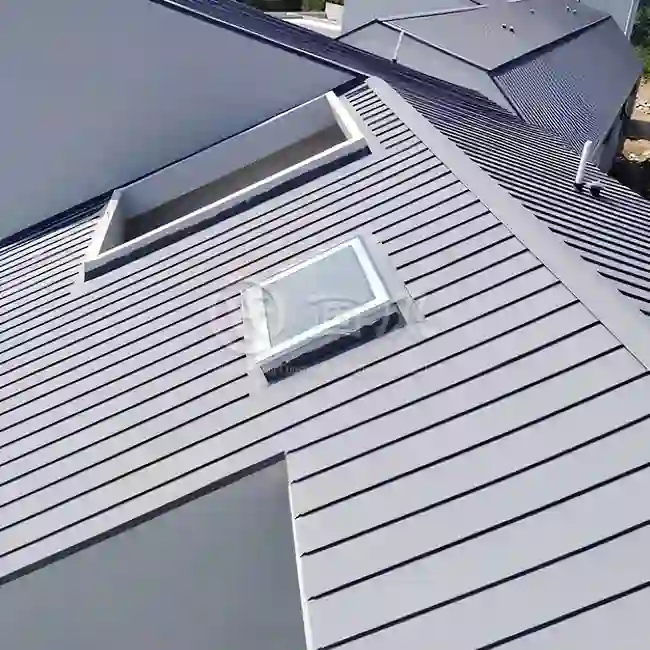
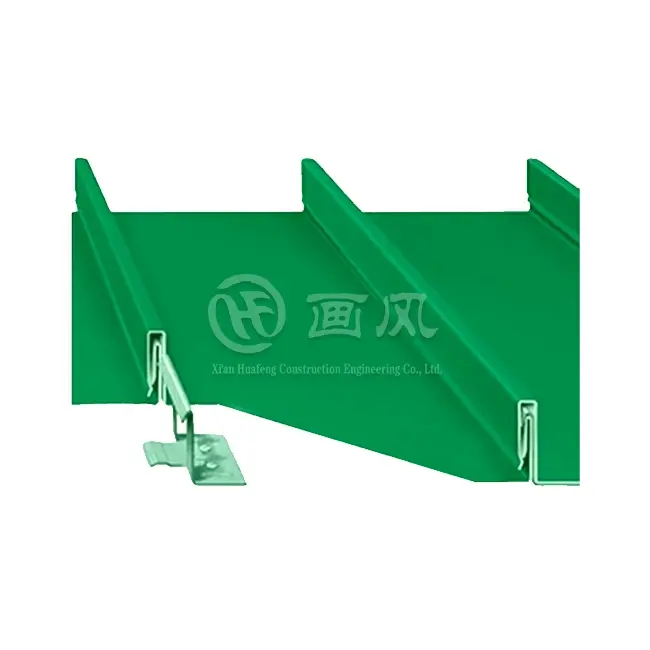
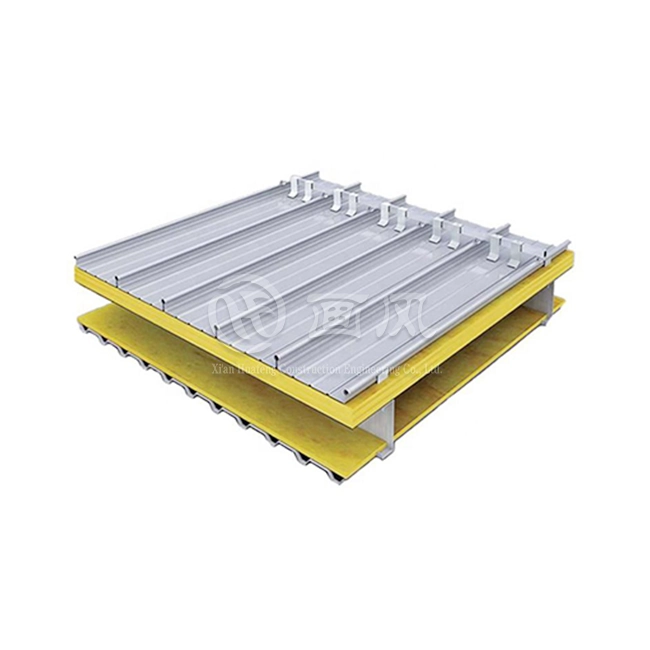
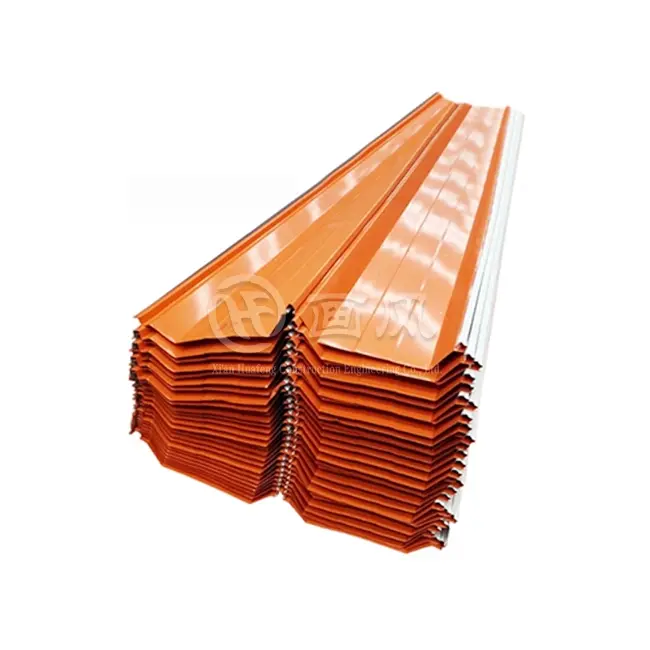
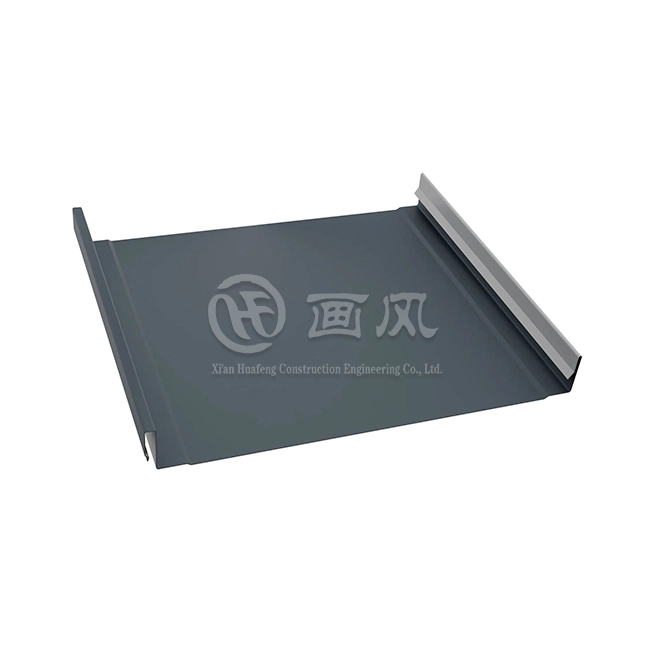
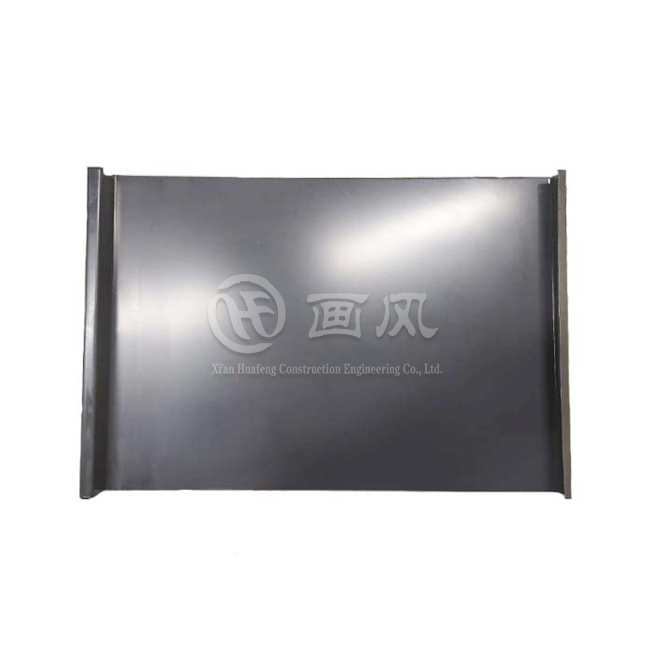
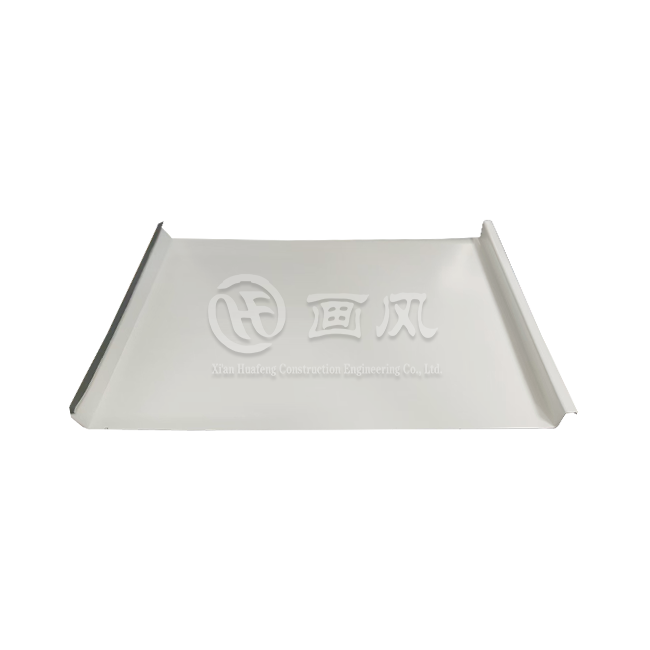
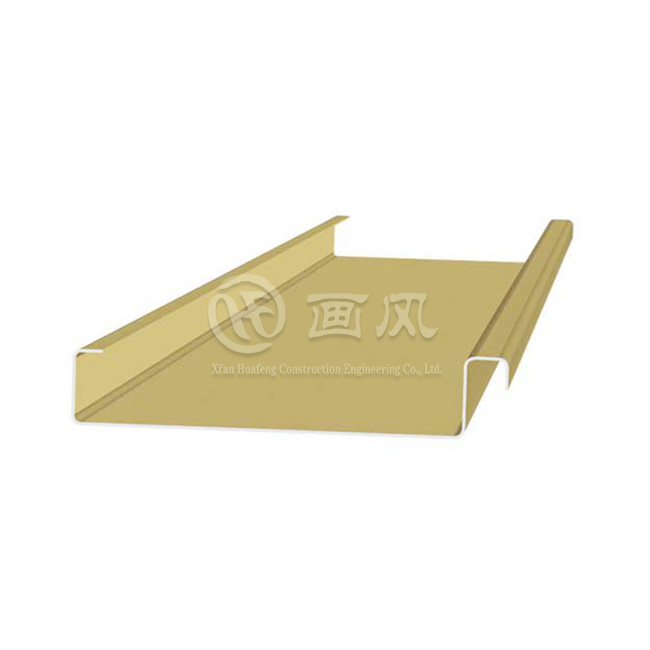
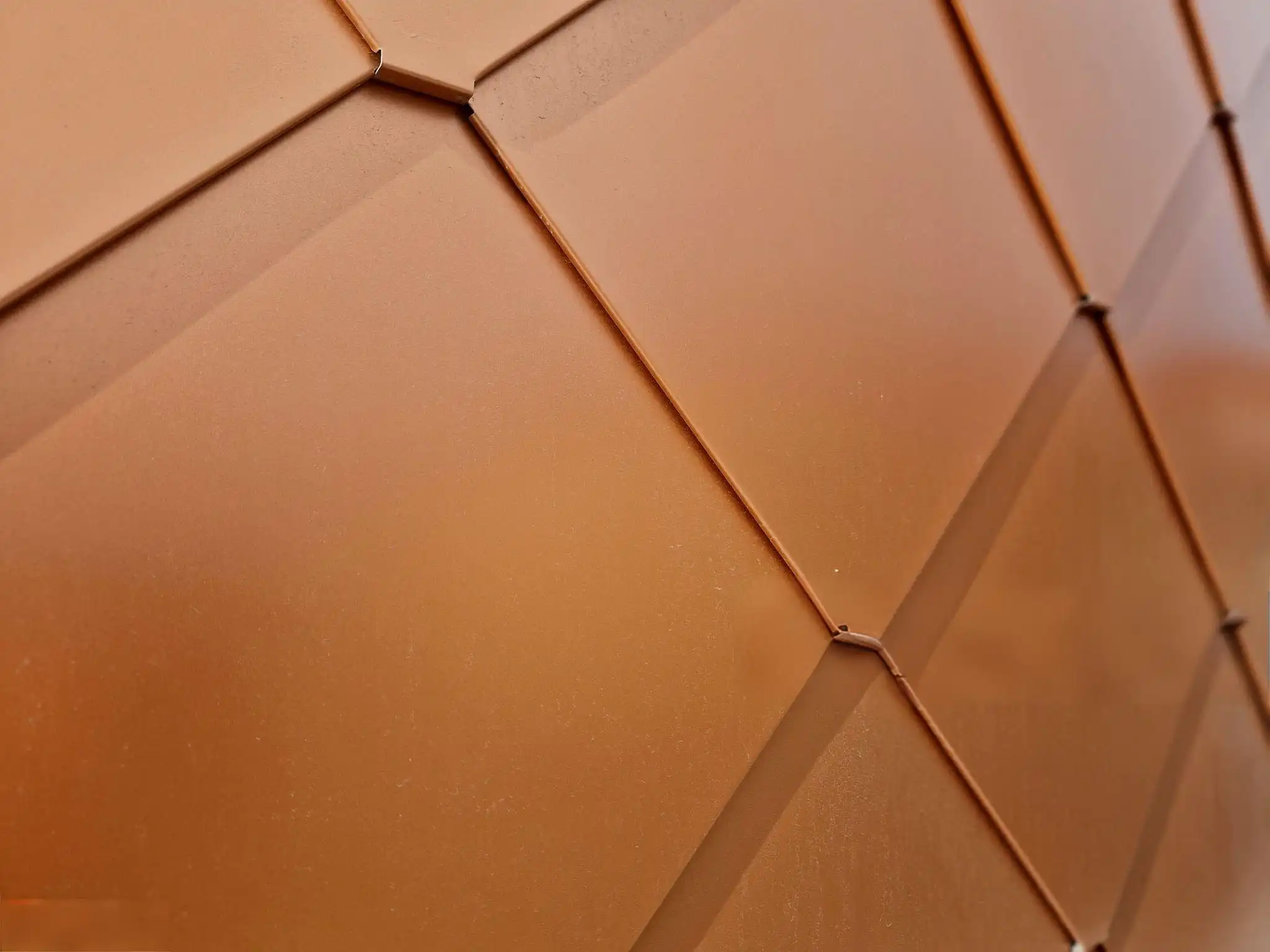
Flat Lock Panels are premium cladding systems used for roofs and façades, made from materials like titanium zinc, copper, aluminum-magnesium alloys, or stainless steel. Their defining feature is a four-sided interlocking hem that creates a smooth, low-profile surface under one inch deep, unlike raised standing seam systems. Hidden fasteners allow the panels to expand and contract freely with temperature changes, preventing distortion. Thickness ranges from 0.4–0.8 mm, with customizable sizes. This modular flexibility enables complex shapes, including curved surfaces, making Flat Lock Panels ideal for modern architectural designs requiring precision and adaptability.
Traditional Roofing System Overview
Traditional commercial roofing includes systems like built-up roofing (BUR), single-ply membranes (TPO, EPDM), corrugated metal panels, and asphalt shingles. BUR offers strong waterproofing but requires regular maintenance over a 15–20-year lifespan. Membrane systems are lightweight and easy to install but rely on seams that degrade over time. Corrugated metal panels are cost-effective but prone to leaks due to exposed fasteners. Asphalt shingles are common in smaller buildings but have limited durability. Overall, these systems share drawbacks such as shorter lifespan, higher maintenance needs, and limited design flexibility compared to modern solutions.
Performance and Functional Comparison: Flat Lock Panels vs. Traditional Roofing
Durability and Structural Performance
Flat Lock Panels provide exceptional durability through interlocking seams that distribute wind loads across the system, improving resistance to harsh weather. Materials like zinc form protective patinas, enabling service lives exceeding 70 years. In contrast, traditional roofing systems degrade faster due to UV exposure, temperature cycles, and moisture penetration. Membrane seams weaken over time, requiring periodic replacement, while exposed fasteners in corrugated panels create vulnerability points. Hidden fastening in Flat Lock Panels eliminates these issues, ensuring long-term watertight performance and reducing structural maintenance challenges throughout the building lifecycle.
Weather Resistance and Waterproofing
Flat Lock Panels manage water using a four-sided interlocking rainscreen design that directs moisture through controlled drainage paths rather than relying on sealants. This improves resistance to wind-driven rain, ice buildup, and thermal movement. The system adapts well to structural expansion without compromising waterproofing. Traditional roofing depends heavily on adhesives and exposed fasteners, which deteriorate over time. Membrane systems require precise installation conditions, leading to inconsistent quality. Built-up roofs offer layered protection but increase weight and complexity, while exposed-fastener systems remain vulnerable at penetration points.
Energy Efficiency and Sustainability
Flat Lock Panels improve energy efficiency through ventilated rainscreen systems that reduce heat transfer and lower HVAC demand. Reflective coatings minimize solar heat gain while maintaining design aesthetics. Materials such as aluminum and copper are fully recyclable, supporting sustainable construction and green building certifications. Their lightweight nature reduces structural load, enabling cost savings in building design. Traditional systems provide fewer sustainability benefits; asphalt products often end up in landfills, and membrane recycling is limited. Overall, Flat Lock Panels align better with long-term environmental and energy performance goals.
Installation Efficiency and Maintenance Demands
Flat Lock Panels enable efficient installation due to prefabrication and adaptability to complex geometries. Panels up to three meters reduce seam counts, accelerating construction and improving weather resistance. Delivery timelines of 15–20 days align with commercial project schedules. Maintenance requirements are minimal, typically limited to routine inspections without recoating or fastener replacement. Traditional systems require frequent inspections, seam repairs, and periodic replacement every 15–25 years. Corrugated panels need ongoing fastener maintenance. Over a 50-year lifecycle, Flat Lock Panels significantly reduce maintenance costs and operational disruptions.
Cost and Procurement Considerations for B2B Clients
Total Cost of Ownership Analysis
When procurement workers look at roofing systems, they need to look at the costs over their whole life, not just the initial building costs. Flat Lock Panels systems usually cost 40–60% more up front than standard membrane systems, but they offer a better return on investment because they last longer and need less upkeep. A detailed cost model that looks at 50 years of data shows that the yearly amortized cost of premium metal cladding is less than that of standard options when replacement cycles, maintenance work, and business interruptions are taken into account.
Traditional roofing systems have set repair dates that need to be planned for in your cash balance. Every 20 to 25 years, membrane roofs need to be completely replaced. Every 20 to 25 years, built-up systems need major repairs. There are a lot of "soft costs" that come with these replacement projects, like technical reviews, project management, renter disruption, and disposal fees. Metal systems that last 70 years or more don't need to be replaced as often, which makes long-term capital planning easier for real estate developers and big owners who are in charge of a portfolio of assets.
Supplier Selection and Procurement Strategy
When looking for skilled metal roofing system providers, you need to look at more than just unit price. Manufacturing power is important for big projects—suppliers should show that they can produce more than 200,000 square meters per year to make sure they can stick to their schedules. Certifications for Grade 1 building curtain wall and Grade 3 steel structure show that the person has the technical know-how to do complicated business installs. Recognizing a high-tech business means that it continues to spend in new ideas and improve its quality management systems.
Integrated solution skills that include design advice, custom manufacturing, and installation knowledge are necessary for a project to be completed successfully. Comprehensive service providers lower coordination risks and make it clear who is responsible for what. This is especially helpful for transportation hubs and meeting centers where knowing exactly when things will happen is very important. It's important to carefully read the terms of any warranty. Reputable makers offer 30-year guarantees that cover both materials and workmanship, with clear steps for handling claims. Having completed benchmark projects in similar types of buildings, like airports, business centers, and government buildings, gives you faith in the technical execution.
Bulk Ordering and Logistics Planning
Strategic planning of when to buy things and how to structure orders is helpful for big business projects. Custom metal panel making has wait times of 15 to 20 days from order confirmation to delivery. To keep on-site storage needs to a minimum, procurement managers should schedule material releases to match the order of building. When you order in bulk, you can negotiate better prices, especially for projects that are bigger than 10,000 square meters. Suppliers with more than one processing facility, like those in Hangzhou and Xi'an, can help area projects save money on freight costs and get their products to customers faster.
Packaging and transportation skills have a direct effect on how much work gets done in the field. Secure packaging keeps pre-finished metal panels safe while they're being shipped, which keeps them from needing expensive fixes or being rejected in the field. Reliable transportation partners who have worked in commercial building know how hard it is to get deliveries to job sites and can schedule deliveries to fit the progress of the installation. Before placing a full order, project teams can use free sample apps to check the finish quality, accuracy of measurements, and fitting method. This is a smart move for procurement managers working on their first metal panel system projects.
Decision-Making Framework: Which Roofing System is Right for Your Project?
Project Assessment Criteria
To choose the best roofing systems, you need to carefully look at the factors that are unique to the project and how they affect performance needs and price limits. The climate is very important. For example, buildings near the coast should use materials that don't rust, like titanium zinc or stainless steel. In high-UV areas, structures should use coats that reflect light to reduce heat load. It's also important to think about the slope of the roof. Flat Lock Panels work best on slopes greater than 30 degrees, but they can also be used on horizontal and vertical walls, which makes them more flexible.
Building type affects both how a building looks and how it works. Transportation hubs and meeting centers need buildings that stand out and last for a long time, which is why they should invest in quality metal cladding. To get the most value for taxpayers, government-funded projects are increasingly specifying reusable materials and longer work lives. When commercial real estate projects try to find a balance between how the building looks and how much it costs over its lifetime, they often find that metal panel systems offer competitive benefits in both areas. Design purpose, like curved shapes, color matching, or reducing the amount of upkeep needed, narrows down the choices of systems even more.
When Metal Flatlock Systems Excel
Advanced metal covering systems offer unbeatable value for certain projects. Modular metal tiles that can bend around tight corners while still being waterproof are perfect for complex curved building that needs organic shapes. Commercial surfaces with a lot of traffic that want a unified look can benefit from hidden fastening and flush shapes that aren't available in standard systems. Prioritizing limited maintenance and operating simplicity in projects saves a lot of money over time because metal systems last a long time and don't need much upkeep.
Metal roofing is becoming more popular because it can be recycled completely and lasts for many generations. Buildings that want to get LEED approval or reach their net-zero running goals find that reducing embodied carbon through longer material lifecycles and recycling helps them meet environmental standards. Custom manufacturing choices, such as different forms (rectangle, rhombus, trapezoid, hexagon), sizes that can be changed, and an endless color palette, allow for exact alignment with design ideas that set landmark projects apart in competitive markets.
Scenarios Favoring Traditional Approaches
Despite metal systems' performance advantages, traditional roofing specs may be right for some projects. Conventional membrane systems can provide enough performance for projects on a budget that don't care too much about how they look, especially if the owners plan to sell the building in 15 to 20 years. When the slope is less than 30 degrees, single-ply membranes that are designed to work with ponding water are often better than metal panel systems, which would need more slope to be made.
When renovating historic buildings, renovation projects may be limited by architectural review rules that demand traditional building materials that match the original construction. Industrial buildings that care more about function than appearance may find that corrugated metal walls with visible fasteners provide enough weather protection at a low cost. These situations don't happen very often in business building. Purchasing professionals should hire experienced consultants to make sure that the method they choose is the right one based on a full study of the project, not just a look at costs.
Conclusion
Flat Lock Panels interlocking cladding systems are clearly better than standard roofing when it comes to longevity, lifecycle costs, design freedom, and sustainability measures that are important to people in charge of buying materials for big business projects. The four-sided hem design, high-quality material choices (titanium zinc, copper, aluminum-magnesium-manganese alloy, and stainless steel), and flexible configurations make solutions that are perfectly suited to transportation hubs, convention centers, and business complexes that need to perform at their best. Traditional systems can still be useful in some limited situations, but metal panel systems regularly perform better than traditional options in projects that value long-term value, require little upkeep, and stand out in terms of design. Strategic relationships with qualified suppliers that have Grade 1 curtain wall certifications, a lot of production capacity, and proven benchmark project experience guarantee a successful execution that stays on schedule, stays within budget, and meets quality standards.
Frequently Asked Questions (FAQs)
1. What advantages do metal flatlock systems provide over traditional roofing?
Flat Lock Panels that fit together and connect have service lives of more than 70 years, which is more than three times as long as a typical membrane system. The four-sided hem design lets heat move around without letting the waterproofing fail, and the hidden closing gets rid of places where water can get in. The total cost of ownership is lower than with standard options that need to be replaced every 15 to 25 years because they can be recycled completely and require little upkeep over the course of their life.
2. How long does installation take for commercial projects?
Installation times depend on the size and complexity of the project, but because they are flexible, metal panel systems usually cover more ground faster than standard built-up roofs. From the time an order is confirmed until it is delivered, custom production takes 15 to 20 days. Installation teams with a lot of experience can finish roofing a transportation hub or convention center on time while still keeping the quality control needed for waterproof performance and architectural accuracy.
3. Can metal panel systems accommodate unique architectural designs?
There are a lot of ways to customize: the rectangle, rhombus, trapezoid, and hexagon shapes can be used to make unique patterns; the sizes can be anywhere from 100 to 400 mm, and all RAL colors can be used to perfectly match brands. Because it can follow complicated geometries like curved, concave, conical, and hyperboloid shapes, the system is perfect for landmark projects that need artistic difference that standard flat roofing systems can't do without expensive changes to the field.
Partner with HF for Premium Metal Roofing Solutions
Xi'an Huafeng Construction Engineering Co., Ltd. has a track record of providing custom metal panel systems for tough business projects in the educational, commercial real estate, and transportation sectors. Our 200,000-square-meter manufacturing facilities in Anhui, along with processing plants in Hangzhou and Xi'an, make sure that we can meet tight project deadlines. Our Grade 1 building curtain wall and Grade 3 steel structure certifications show that we have the technical know-how to do complicated works. We are a well-known high-tech company with over 20 approved patents. We offer complete solutions, from design advice to installation, for projects that need to stand out architecturally and last a long time. Email our team at huafeng@hfmetalroof.com to talk about your unique needs, ask for free samples that show how precisely we can make things, or find out how our Flat Lock Panels manufacturer capabilities can help your next business project.
References
1. Smith, J.R., & Anderson, P.L. (2021). Lifecycle Cost Analysis of Commercial Roofing Systems: A Comparative Study. Journal of Building Economics and Construction Management, 15(3), 127-145.
2. National Roofing Contractors Association (2022). Metal Roofing Systems: Technical Design Manual for Commercial Applications. Rosemont: NRCA Publications.
3. Chen, H., Martinez, D., & Kowalski, T. (2020). Thermal Performance and Energy Efficiency of Modern Metal Cladding Systems. Building Science Review, 42(2), 88-104.
4. International Code Council (2021). International Building Code: Chapter 15 Roof Assemblies and Rooftop Structures. Country Club Hills: ICC Publishing.
5. Thompson, R.K. (2023). Sustainable Building Envelope Design: Material Selection and Lifecycle Considerations. Architectural Engineering Quarterly, 28(1), 56-73.
6. Green Building Alliance (2022). Metal Roofing and LEED v4.1: Maximizing Credits Through Material Selection and Lifecycle Performance. Pittsburgh: GBA Research Institute.





YOU MAY LIKE