How to Choose the Right Standing Seam Wall System Manufacturer?
2026-02-04 18:11:16
When your commercial building project demands both exceptional durability and striking aesthetics, but you're worried about installation failures, warranty disputes, or panels that fail within five years, selecting the right Standing Seam Wall System manufacturer becomes critical. This comprehensive guide reveals exactly what separates industry-leading manufacturers from unreliable suppliers, helping you avoid costly mistakes and ensure your building envelope performs flawlessly for decades.
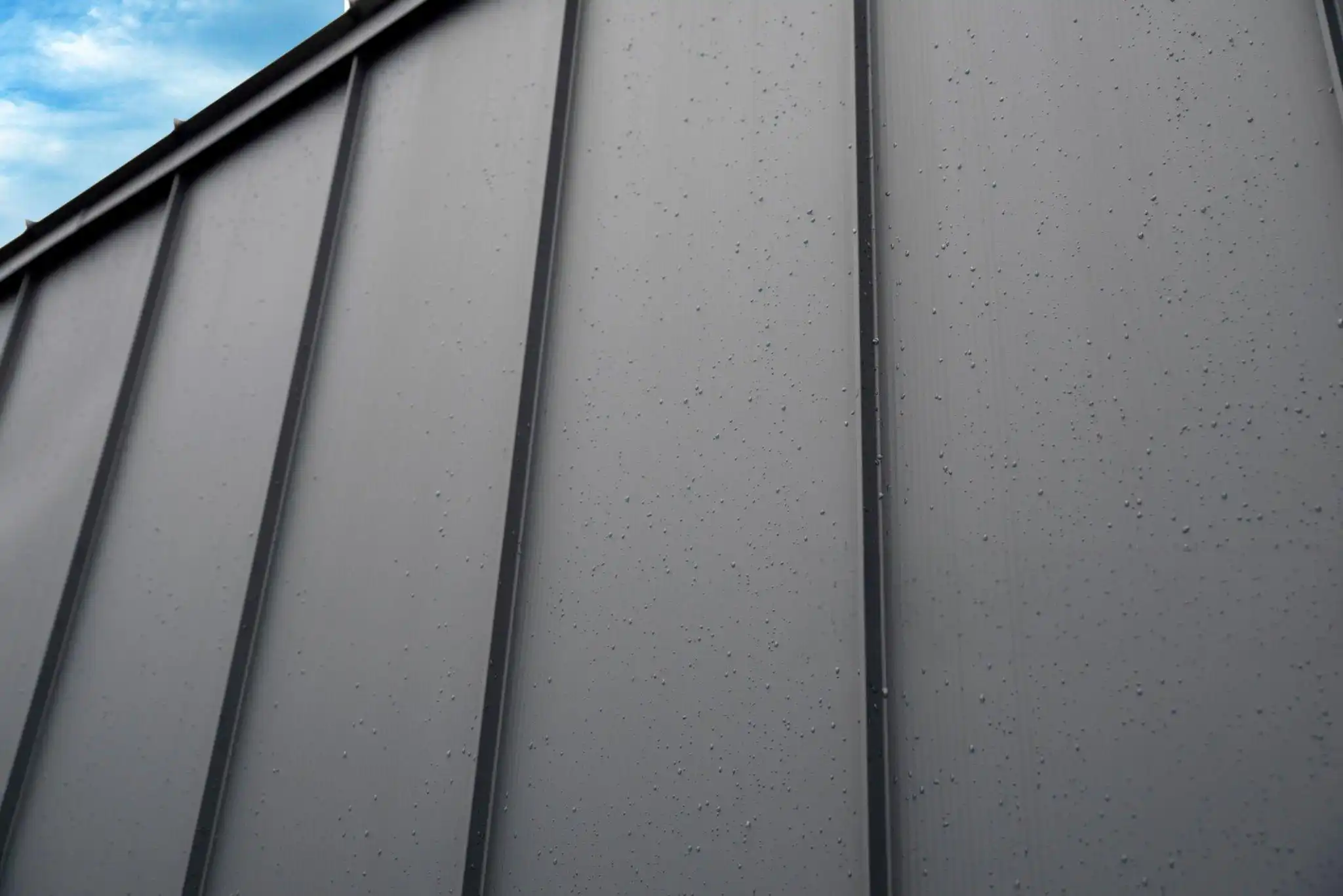
Understanding What Makes a Quality Standing Seam Wall System Manufacturer
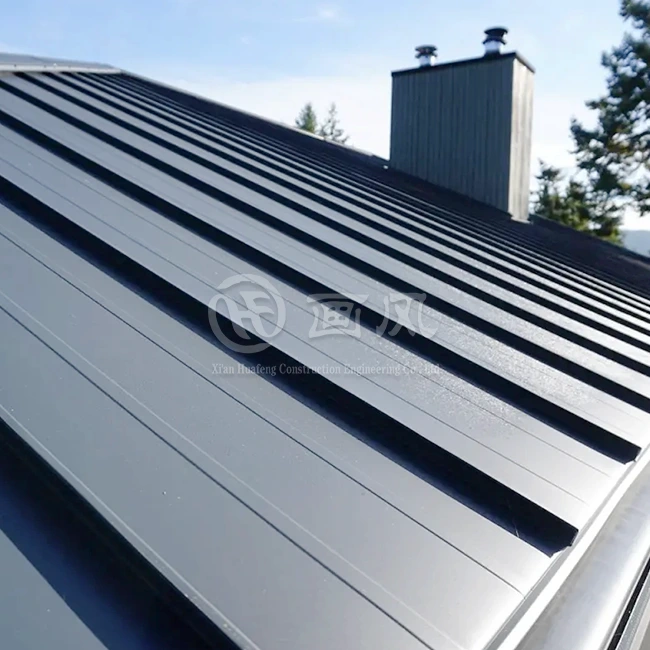
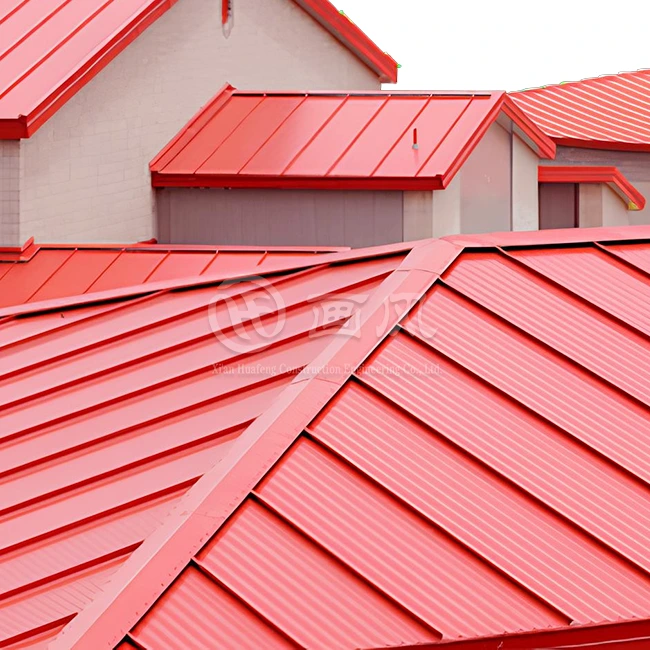
The foundation of any successful Standing Seam Wall System project begins with selecting a manufacturer who demonstrates comprehensive expertise across design, production, and technical support. A quality manufacturer should possess in-depth knowledge of metal cladding engineering principles, material science, and installation methodologies that ensure long-term performance. The best manufacturers understand that a Standing Seam Wall System is not merely a cosmetic facade element but rather an integrated building envelope component that must perform structurally, thermally, and aesthetically throughout its entire service life. When evaluating potential manufacturers, examine their technical capabilities including whether they offer structural 3D modeling and load analysis services, drainage system simulation, and material specification advisory support. These services demonstrate a manufacturer's commitment to engineering excellence rather than simply selling products. Leading manufacturers will have design departments capable of conducting detailed drawing deepening, producing factory processing samples, and creating comprehensive processing drawings that ensure seamless coordination between design intent and manufacturing reality. They should also maintain rigorous quality control protocols including incoming material inspection, production process monitoring, and finished product verification to guarantee every Standing Seam Wall System panel meets specified performance criteria.
Manufacturing Capabilities and Production Infrastructure
A manufacturer's production infrastructure directly impacts product quality, consistency, and delivery reliability for Standing Seam Wall System projects. Examine whether the manufacturer operates dedicated raw material production facilities rather than solely relying on third-party suppliers, as this vertical integration ensures better material traceability and quality control. Top-tier manufacturers typically maintain multiple processing plants strategically located to serve different geographic regions efficiently, which reduces transportation costs and delivery times while providing localized technical support. Production equipment sophistication matters significantly—look for manufacturers with modern color coating production lines, laminating production lines, longitudinal and transverse shearing systems, and fully automatic punching production lines that ensure precision and consistency. The presence of roll-forming systems capable of producing panels up to 13 meters in length demonstrates advanced manufacturing capability that reduces joints and improves the waterproof performance of Standing Seam Wall System installations. Advanced manufacturers also invest in real-time quality control technologies that monitor production parameters continuously, catching defects before they reach the construction site. Additionally, assess whether the manufacturer maintains adequate production capacity to handle your project timeline—facilities with monthly production capacities exceeding 1000 tons can accommodate large-scale projects without compromising delivery schedules. The ability to perform on-site roll-forming using mobile equipment represents another valuable capability, particularly for projects requiring custom panel lengths or complex geometries that would be difficult to transport as pre-formed panels.
Material Selection and Product Specifications
The material quality and specification options available from a Standing Seam Wall System manufacturer fundamentally determine the system's long-term performance and aesthetic possibilities. Leading manufacturers offer comprehensive material selections including aluminum alloy grades such as AA3003, AA3004, and AA5052, aluminum-zinc steel plates like AZ150, stainless steel variants including 316 and 304 grades, titanium-zinc plates, and copper options that provide architects and designers maximum flexibility. Premium manufacturers source base materials exclusively from reputable suppliers with established quality reputations—look for manufacturers who maintain documented material selection libraries identifying specific brand partnerships with recognized industry leaders. Coating options represent another critical specification area where quality manufacturers distinguish themselves by offering multiple finishing systems including PE polyester coatings for cost-effective applications, HDP high-weather-resistant polyester for enhanced durability, and PVDF fluorocarbon coatings that deliver exceptional color retention exceeding 20 years with minimal maintenance. Panel thickness options ranging from 0.7mm to 1.5mm allow the Standing Seam Wall System to be optimized for specific wind pressure resistance and structural requirements of different building applications. Standard panel dimensions should accommodate various architectural designs, with widths typically between 300mm and 600mm customizable according to project requirements, and rib heights from 25mm to 65mm that affect both wind pressure resistance and visual appearance. Connection methodology also distinguishes quality manufacturers—mechanical locking edge systems that form continuous seals combined with hidden fixing using sliding clips that accommodate thermal expansion represent superior engineering compared to simpler fastening approaches.
Evaluating Technical Support and Design Services
Technical support capabilities separate exceptional Standing Seam Wall System manufacturers from commodity suppliers who simply fulfill orders without providing value-added engineering assistance. Comprehensive technical support begins during the conceptual design phase when manufacturers should offer project drawing deepening services that analyze architectural engineering drawings, list feasible alternatives, and recommend optimal panel types for specific roof and wall structures. This collaborative approach ensures that the Standing Seam Wall System integrates seamlessly with the overall building design rather than creating coordination conflicts discovered during construction. Quality manufacturers provide detailed node deepening services where their design departments conduct full-scale drawing development for different project components, ensuring every junction, penetration, and transition detail is engineered for proper performance. Factory processing samples represent another valuable service where manufacturers produce physical samples based on confirmed parameters including board type, material, thickness, surface treatment methods, and colors that become sealed standards for later production and acceptance verification. Processing drawing deepening services further demonstrate manufacturer sophistication—the ability to break down detailed architectural drawings into comprehensive processing drawings with sequential numbering ensures manufacturing efficiency and installation accuracy. Look for manufacturers who offer structural 3D modeling and load analysis capabilities that verify the Standing Seam Wall System can withstand specified wind loads, thermal movements, and other performance demands before production begins. Drainage system simulation services help optimize water management, particularly critical for wall systems where water intrusion could compromise building envelope integrity. Material specification advisory support helps project teams navigate the complex decisions around material selection, coating systems, and performance criteria to achieve optimal value. The best manufacturers also provide comprehensive installation guidance including on-site construction support where technical teams visit job sites to verify proper installation procedures, conduct technical briefing meetings, and ensure zero-leakage performance through systematic testing protocols.
Quality Certifications and Standards Compliance
Quality certifications provide objective evidence of a Standing Seam Wall System manufacturer's commitment to consistent quality management, environmental responsibility, and product performance standards. ISO 9001 certification demonstrates that a manufacturer maintains documented quality management systems with defined processes for design, production, inspection, and customer service that ensure consistent output meeting specified requirements. ISO 14001 environmental management certification indicates the manufacturer implements systematic approaches to minimize environmental impacts throughout production operations, an increasingly important consideration as sustainable construction practices gain prominence. SGS guidelines compliance represents third-party verification that products meet international quality and safety standards through independent testing and assessment. Leading manufacturers accumulate multiple registered patents for roofing and wall system innovations, demonstrating ongoing investment in research and development that advances Standing Seam Wall System performance and installation efficiency. Trademark registrations and computer software certificates further indicate intellectual property development and proprietary technologies that differentiate advanced manufacturers from basic fabricators. Fire resistance certifications such as Class A fire protection standards confirm that metal substrates meet stringent safety requirements for building applications, particularly important for commercial and public building projects with strict life safety codes. Wind pressure resistance testing documentation should demonstrate that Standing Seam Wall System panels can withstand specified wind loads through their vertical lock edge design and reinforced rib structures. Waterproof performance certifications verify double waterproof designs incorporating lock edge seams combined with internal waterproof membranes that ensure leak-free performance. Durability certifications confirming 30-year warranties or longer provide confidence in long-term performance backed by manufacturer guarantees. When evaluating certifications, verify they apply specifically to the Standing Seam Wall System products you're specifying rather than representing general company certifications that may not cover metal wall panel manufacturing.
Assessing Manufacturing Experience and Project Portfolio
A manufacturer's project experience and completed installation portfolio reveal their practical capability to execute Standing Seam Wall System projects across diverse applications, scales, and complexity levels. Examine whether the manufacturer has successfully completed projects spanning multiple building types including commercial office buildings, convention centers, transportation facilities, cultural institutions, industrial warehouses, and public buildings—this diversity demonstrates adaptability to varying performance requirements, aesthetic preferences, and installation challenges. Large-scale landmark projects particularly indicate advanced capabilities since these typically involve stringent performance specifications, demanding architectural details, and rigorous quality expectations that only experienced manufacturers can consistently meet. When reviewing project portfolios, look beyond simple project lists to understand the specific roles the manufacturer played—did they provide design-build services, manufacturing only, or complete turnkey solutions including installation? Standing Seam Wall System projects requiring custom colors, unique panel configurations, or complex geometries demonstrate engineering flexibility and manufacturing sophistication. Geographic project distribution also matters—manufacturers who have successfully executed projects across different climate zones understand how to specify appropriate materials and details for varying environmental conditions from extreme heat to severe cold, from high humidity coastal areas to arid desert environments. Project references from architects, general contractors, and building owners provide invaluable insights into manufacturer performance beyond marketing claims—contact these references to inquire about technical support responsiveness, product quality consistency, delivery reliability, and problem-solving capabilities when unexpected challenges arose. Manufacturing experience measured in years indicates organizational stability and accumulated knowledge, though newer manufacturers with experienced leadership teams and modern facilities can sometimes outperform established but complacent competitors. Look for evidence of continuous improvement in manufacturing processes, product innovations, and service delivery models that demonstrate the manufacturer remains current with industry best practices rather than relying on outdated methodologies.
Customization Capabilities and Design Flexibility
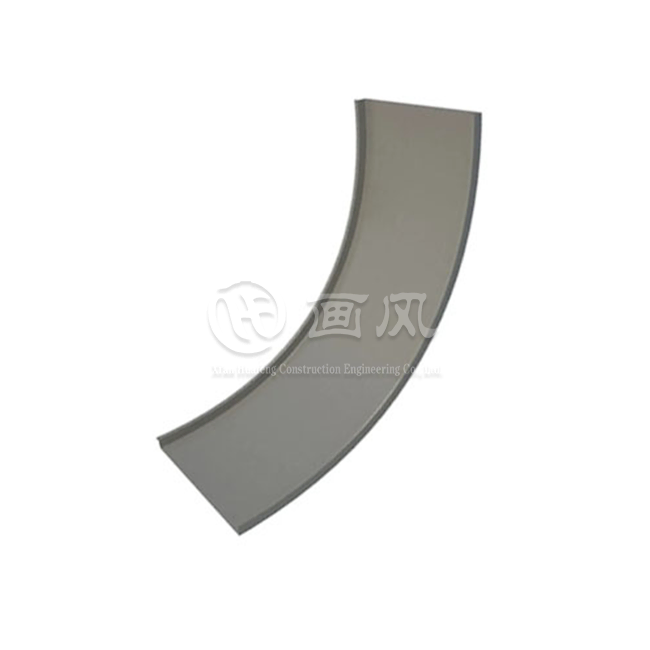
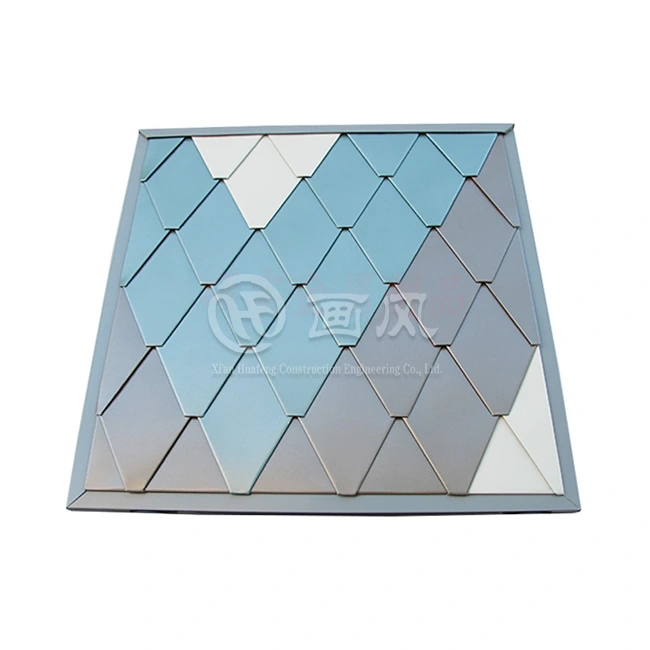
The ability to provide customized Standing Seam Wall System solutions tailored to specific project requirements distinguishes versatile manufacturers from rigid suppliers with limited product offerings. Comprehensive customization begins with color options—quality manufacturers offer extensive color palettes beyond standard selections, including custom color matching services that coordinate Standing Seam Wall System panels with overall architectural color schemes. Pattern customization allows architects to create distinctive facade designs through varied panel widths, rib configurations, and installation orientations that transform standard products into signature architectural statements. Design customization services enable manufacturers to work collaboratively with design teams developing unique Standing Seam Wall System details for challenging conditions such as curved facades, irregular geometries, or integration with other building envelope systems. Panel length customization represents a critical capability since continuous single-piece panels up to 13 meters long eliminate intermediate joints that compromise waterproofing while accelerating installation—manufacturers with field roll-forming capabilities provide virtually unlimited panel lengths produced on-site. Width customization accommodating project-specific coverage requirements between 300mm and 600mm optimizes material usage while achieving desired visual effects. Rib height variations from 25mm to 65mm allow performance tuning for wind pressure resistance and aesthetic preferences. Coating thickness customization ensures appropriate durability for specific environmental exposures from mild to highly corrosive atmospheres. Manufacturers offering customized accessory fabrication including custom flashings, trim components, and fastening systems provide comprehensive solutions rather than forcing design compromises to accommodate standard products. Rapid sample production capabilities allow designers to evaluate physical samples reflecting proposed customizations before committing to full production orders. The most capable manufacturers maintain in-house design departments that can collaborate during conceptual design phases, propose alternative solutions when challenges arise, and optimize details for both performance and cost-effectiveness. Minimum order quantities represent another customization consideration—manufacturers with flexible MOQ policies around 500 square meters accommodate smaller projects and renovation applications rather than serving only large new construction projects.
Comparing Pricing, Delivery, and Service Terms
Understanding the complete value proposition beyond initial Standing Seam Wall System pricing requires evaluating delivery performance, warranty coverage, and after-sales service commitments that significantly impact total project costs and long-term satisfaction. Competitive pricing should reflect fair value for the specified quality level, manufacturing capabilities, and technical services provided rather than representing the absolute lowest cost that often correlates with compromised quality or limited support. Request detailed quotations that itemize material costs, manufacturing charges, accessory components, packaging expenses, and delivery fees to enable accurate comparisons between manufacturers. Delivery timeframes critically impact project schedules—manufacturers promising 15-20 day delivery for standard configurations demonstrate efficient production planning and adequate capacity, while extended lead times may indicate production bottlenecks or capacity constraints that could jeopardize project completion dates. Supply capacity measured in monthly tonnage output reveals whether manufacturers can accommodate your project volume without straining production resources—facilities producing 1000 tons monthly can handle substantial projects simultaneously. Manufacturers maintaining expanded inventory of select colors and standard configurations can offer accelerated delivery for time-sensitive projects, reducing standard lead times by half or more for commonly specified products. Payment terms affect project cash flow—evaluate whether manufacturers offer flexible payment structures, progress billing options, or other financial arrangements that align with project funding. Warranty coverage represents a critical value component since Standing Seam Wall System installations should perform reliably for decades—look for manufacturers offering 30-year warranties or longer on material performance and finish durability backed by established companies with financial stability to honor long-term commitments. Warranty terms should clearly specify what conditions are covered, exclusion criteria, and claim procedures to avoid disputes when issues arise. After-sales service commitments distinguish customer-focused manufacturers from transactional suppliers—ongoing technical support, maintenance guidance, and replacement part availability ensure Standing Seam Wall System performance throughout its service life. Installation training programs offered by manufacturers help ensure proper installation techniques that prevent common errors compromising system performance. Manufacturers providing on-site installation guidance or supervision during critical phases demonstrate commitment to project success beyond product delivery. Packaging quality affects product condition upon arrival—secure packaging methods using sectioned organization with clear identification cards facilitate efficient site logistics and reduce handling damage.
Geographic Coverage and Logistics Capabilities
A manufacturer's geographic coverage and logistics infrastructure directly impact Standing Seam Wall System delivery reliability, freight costs, and local technical support availability. Manufacturers operating multiple processing plants in different regions can serve projects more efficiently than single-location manufacturers requiring long-distance transportation that increases costs and delivery risks. Strategic facility locations near major markets or transportation hubs optimize logistics efficiency—for example, manufacturers with facilities in eastern coastal areas, central regions, and western provinces can serve most projects within shorter delivery radiuses. Local technical presence in your project region enables responsive on-site support when design questions, installation challenges, or quality concerns arise during construction. Manufacturers with established distribution partnerships or regional representatives provide additional service touchpoints beyond central offices. Transportation capabilities including relationships with reliable freight carriers, experience handling oversized panel shipments, and expertise coordinating deliveries to congested urban sites or remote locations ensure Standing Seam Wall System materials arrive as scheduled. Some manufacturers offer multiple transportation methods including truck freight for standard deliveries, specialized carriers for oversized panels, and expedited shipping options for time-critical projects. Export capabilities matter for international projects—manufacturers experienced with export documentation, international shipping logistics, and foreign building code compliance can serve projects beyond domestic markets. Installation teams willing to travel for significant projects provide turnkey solutions, though transportation and lodging costs should be factored into project budgets. For multi-phase projects or buildings with staged construction, manufacturers with adequate storage facilities can warehouse materials for future phases, avoiding multiple production runs and ensuring consistent product specifications across the entire project. Job site delivery coordination services including scheduling flexibility to accommodate contractor readiness and staging materials to prevent site congestion demonstrate sophisticated logistics management that reduces construction delays and conflicts.
Conclusion
Selecting the right Standing Seam Wall System manufacturer requires systematic evaluation of manufacturing capabilities, technical expertise, quality certifications, project experience, customization flexibility, and comprehensive service commitments that ensure long-term project success and building performance.
Cooperate with Xi'an Huafeng Construction Engineering Co., Ltd.
Xi'an Huafeng Construction Engineering Co., Ltd., established in 2018 in Shaanxi Province, China, stands as your trusted China Standing Seam Wall System manufacturer and China Standing Seam Wall System supplier offering comprehensive metal roofing and wall system solutions. As a recognized high-tech enterprise with first-level building curtain wall qualifications and third-level building steel structure qualifications, our company operates a 200,000 square meter raw material production plant in Anhui plus two plate processing facilities in Hangzhou and Xi'an. Our advanced infrastructure includes 7 color coating production lines, 1 laminating line, 10 shearing production lines, fully automatic punching systems, and over 40 specialized processing machines ensuring High Quality Standing Seam Wall System production. We offer Standing Seam Wall System for sale with specifications including 25-330/400/430/500 profiles, PE/HDP/PVDF coating finishes, 1000 ton monthly supply capacity, competitive Standing Seam Wall System price, 30-year warranties, 500㎡ MOQ, 15-20 day delivery, and complete customization for colors, patterns, and designs meeting ISO9001, ISO14000:14001, and SGS standards. Our engineering design experience spanning landmark projects including Xiongan Station, Xi'an International Convention Center, and Inner Mongolia Tongliao Art Museum, combined with over 20 patent certificates, CE certifications, and proven Fortune 500 company partnerships, demonstrates our capability as a leading China Standing Seam Wall System factory and China Standing Seam Wall System wholesale provider. From design optimization and raw material quality testing through customized production, comprehensive packaging, and multiple transportation methods, we deliver one-stop service excellence. Contact our team today at huafeng@hfmetalroof.com to discuss your Standing Seam Wall System requirements and discover how our integrated design-to-installation capabilities create exceptional value for your building envelope projects. Save this guide for reference when evaluating manufacturers and reach out whenever questions arise during your project development process.
References
1. American Architectural Manufacturers Association. "Performance Standards for Metal Building Systems." AAMA Publication Series on Building Envelope Performance. Chicago: AAMA Press.
2. Chen, Wei and Liu, Xiaoming. "Quality Control Methodologies in Metal Panel Manufacturing: A Comprehensive Analysis." Journal of Construction Engineering and Materials Science, Volume 15, Issue 3.
3. International Building Code Council. "Metal Wall Panel Systems: Design, Installation and Performance Requirements." IBC Technical Standards Documentation. Washington DC: ICC Publications.
4. Johnson, Robert and Anderson, Sarah. "Evaluating Metal Cladding Manufacturers: A Procurement Guide for Architects and Contractors." Construction Specifier Magazine, Professional Practice Series.
5. Smith, David L. "Metal Building Envelope Systems: Engineering Principles and Best Practices." Third Edition. New York: McGraw-Hill Professional Publishing.