Snap Lock Metal Roof Panels for Low-Slope Roof Solutions
2026-02-04 18:11:14
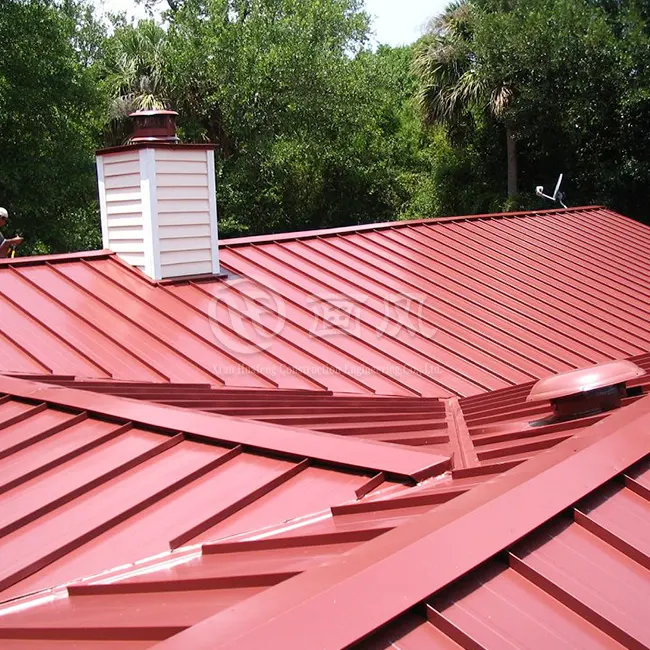
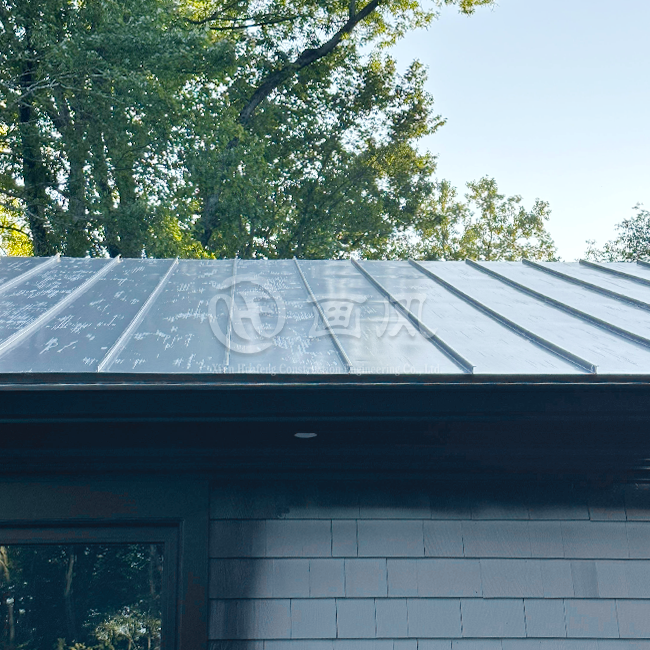
Snap Lock Metal Roof Panels represent a revolutionary roofing solution specifically engineered for low-slope applications in commercial and industrial environments. These innovative panels feature a unique interlocking mechanism that eliminates exposed fasteners while delivering superior weatherproofing and structural integrity. As procurement managers and contractors increasingly prioritize efficiency and long-term performance, these panels have emerged as the preferred choice for large-scale projects requiring rapid installation without compromising quality or durability standards.

Understanding Snap Lock Metal Roof Panels
Innovative Design and Mechanism
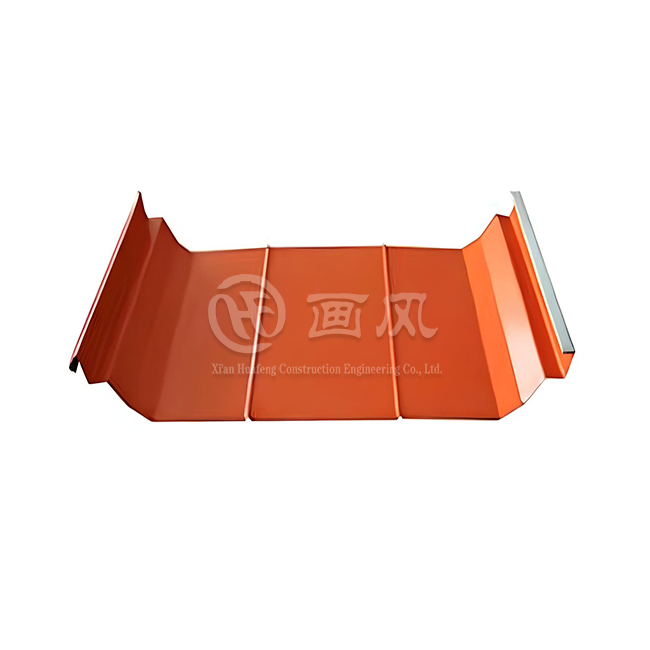
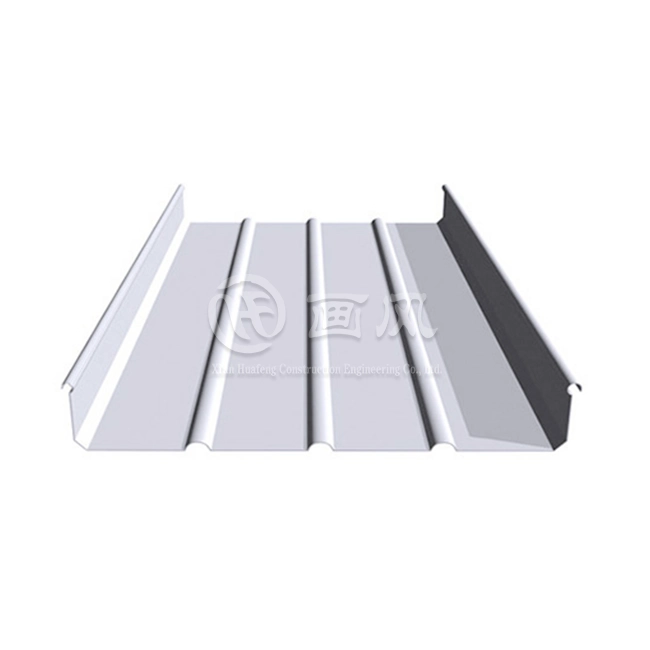
Snap lock roofing systems utilize a sophisticated edge design that allows panels to connect seamlessly through a mechanical interlocking process. This engineering approach eliminates the need for exposed fasteners on the panel surface, creating a continuous weatherproof barrier that resists water infiltration and thermal expansion. The panels feature raised seams that channel water effectively while accommodating structural movement, making them particularly suitable for buildings with minimal roof pitch. The interlocking mechanism works through precisely formed male and female edges that snap together under controlled pressure. This connection method ensures uniform panel alignment while maintaining structural flexibility across large roof fields. Unlike traditional roofing systems that rely on surface penetrations, snap lock panels preserve membrane integrity through concealed attachment points located within the seam structure.
Performance Advantages for Low-Slope Applications
Low-slope roofs present unique challenges that snap lock systems address effectively. These panels accommodate slopes as minimal as 1:12 while maintaining excellent water shedding capabilities through their raised seam profile. The continuous panel length options, extending up to 12 meters, reduce seam frequency and potential leak points across extensive roof areas. Energy efficiency represents another significant advantage of metal snap lock systems. The reflective properties of PVDF and polyester coatings reduce solar heat gain, lowering cooling costs in commercial buildings. Additionally, the thermal expansion accommodation built into the snap lock design prevents panel buckling and seam failure during temperature fluctuations, ensuring long-term performance stability.
Material Options and Specifications
Modern snap lock panels are available in various substrate materials to meet diverse project requirements. Aluminum alloy options provide excellent corrosion resistance for coastal environments, while galvanized steel sheets offer superior strength for high-wind applications. Stainless steel variations serve specialized industrial environments requiring enhanced chemical resistance, and copper specifications provide distinctive aesthetics for premium architectural projects.
Technical Insights and Installation Process
Material Specifications and Performance Standards
Technical specifications for snap lock systems encompass critical parameters that directly impact project success. Panel thickness ranges from 0.4mm to 1.2mm, with 0.5mm to 0.7mm representing the most common specifications for commercial applications. These thickness variations accommodate different structural loading requirements while maintaining optimal forming characteristics during installation. Surface treatments play a crucial role in long-term performance. PVDF coatings provide superior fade resistance and chemical durability, maintaining color integrity for decades under harsh environmental conditions. Polyester coatings offer cost-effective protection for standard commercial applications, while specialized embossed surfaces enhance aesthetic appeal and reduce oil-canning effects on large panel surfaces.
Installation Methodology and Best Practices
Professional establishment starts with comprehensive substrate assessment and arrangement. The fundamental roof deck must give satisfactory auxiliary back and appropriate waste inclines to guarantee compelling water administration. Warm boundaries and vapor retarders require cautious integration with the Snap Lock Metal Roof Panels framework to anticipate condensation issues inside the roof assembly. Panel establishment continues methodically from one edge of the roof to the inverse side. Each board adjusts with foreordained format marks, guaranteeing steady crease dividing and legitimate board engagement.
The snap bolt association requires particular weight application strategies to accomplish full crease closure without harming the board edges or coating systems. Quality control amid establishment includes normal crease assessment and water testing to confirm weatherproof astuteness. Legitimate board back amid dealing with anticipates distortion that seem compromise crease engagement. Climate conditions altogether impact establishment timing, as extraordinary temperatures can influence board measurements and dealing with characteristics.
Maintenance Requirements and Longevity
Routine maintenance protocols extend snap lock system lifespan while preserving performance characteristics. Annual inspections focus on seam integrity, drainage system function, and panel surface condition. Accumulated debris removal from roof drains and gutters prevents water backup that could stress the roofing system beyond design parameters. Cleaning methods utilize mild detergents and soft-bristled brushes to remove surface contaminants without damaging protective coatings. Pressure washing requires careful technique to avoid forcing water into seam areas or damaging panel surfaces. Touch-up coating applications address minor scratches or coating defects before they compromise substrate protection.
Comparison and Decision-Making for Snap Lock Metal Roof Panels
System Performance Analysis
Evaluating snap lock panels against alternative metal roofing systems requires comprehensive analysis of installation complexity, long-term performance, and total project costs. Compared to screw-down systems, snap lock panels eliminate thermal bridging through exposed fasteners while reducing installation labor through quicker connection methods. This advantage becomes particularly significant on large commercial projects where labor efficiency directly impacts project schedules. Standing seam systems share several characteristics with snap lock panels but differ in connection methodology and panel profiles.
Standing seam systems typically require specialized seaming equipment and skilled operators, while snap lock systems accommodate broader contractor capabilities through simplified installation techniques. The choice between systems often depends on project scale, contractor expertise, and specific performance requirements. Traditional built-up roofing systems present different advantages and limitations compared to snap lock metal panels. While built-up systems may offer lower initial material costs, they require more extensive maintenance and typically provide shorter service life. Metal snap lock systems deliver superior wind resistance, fire performance, and energy efficiency, justifying higher initial investment through reduced lifecycle costs.
Cost-Benefit Considerations
Financial examination of Snap Lock Metal Roof Panels frameworks includes introductory fabric costs, establishment costs, and long-term operational investment funds. Fabric costs change based on substrate determination, coating determinations, and board measurements. Aluminum boards regularly command premium estimating compared to steel choices, but give upgraded erosion resistance that diminishes upkeep costs over the framework lifespan. Installation taken a toll components incorporate temporary worker ability necessities, gear needs, and extend complexity. Snap Lock Metal Roof Panels by and large require less specialized hardware compared to standing crease choices, possibly lessening subcontractor costs. Be that as it may, legitimate establishment preparing remains fundamental to accomplish ideal framework execution and guarantee compliance.
Procurement and Purchasing Guide for B2B Clients
Supplier Evaluation Criteria
Professional procurement requires systematic evaluation of potential suppliers based on manufacturing capabilities, quality certifications, and technical support services. Leading manufacturers maintain multiple production facilities with advanced equipment to ensure consistent product quality and delivery reliability. Manufacturing capacity directly impacts project scheduling, particularly for large commercial projects requiring substantial material quantities.Quality certifications provide objective validation of manufacturing processes and product performance.
ISO 9001 certification demonstrates commitment to quality management systems, while ISO 14001 certification indicates environmental responsibility in manufacturing operations. Product certifications from recognized testing organizations verify performance claims for wind resistance, fire ratings, and weatherproofing capabilities.Technical support services distinguish superior suppliers through design assistance, specification development, and installation guidance. Comprehensive technical documentation, including installation manuals and detail drawings, facilitates proper system implementation. Access to technical representatives for project consultation and problem resolution adds significant value throughout the project lifecycle.
Pricing and Volume Considerations
Volume purchasing strategies can achieve substantial cost savings on large commercial projects. Minimum order quantities typically range from 500 square meters to one ton of material, depending on supplier requirements and product specifications. Bulk ordering enables economies of scale while ensuring material consistency across project phases.Pricing structures vary among suppliers based on material specifications, coating options, and delivery requirements. Custom color matching and special profile requirements may incur additional charges, but provide design flexibility for architectural applications. International shipping considerations include transportation costs, customs requirements, and delivery scheduling to project sites.
Trusted Brands and Supplier Selection
Manufacturer Reputation and Capabilities
Established manufacturers with proven track records provide confidence for major commercial projects. Company longevity indicates stability and ongoing support availability, while project portfolio diversity demonstrates capability across various application types. Manufacturers serving international markets typically maintain higher quality standards and technical capabilities compared to regional suppliers.Production capacity and geographic reach influence supplier selection for multi-site projects or tight delivery schedules. Companies operating multiple manufacturing facilities can provide redundancy and reduced shipping costs through strategic sourcing. Advanced manufacturing equipment ensures consistent product quality and enables custom fabrication capabilities for unique project requirements.
Warranty and Support Services
Comprehensive warranty coverage protects project investments while demonstrating manufacturer confidence in Snap Lock Metal Roof Panels product performance. Standard warranties typically cover material defects and coating performance for specified periods, with premium warranties extending coverage duration. Warranty terms should address both material replacement and installation labor costs to provide complete protection. Post-installation support services include technical consultation, maintenance guidance, and replacement part availability. Responsive customer service capabilities ensure prompt resolution of field issues that could impact project schedules. Training programs for installation contractors help ensure proper system implementation and warranty compliance.
nstruction Engineering: Your Snap Lock Metal Roof Panel Partner
Xi'an Huafeng Construction Engineering Co., Ltd. stands as a premier manufacturer specializing in advanced snap lock metal roofing solutions for commercial and industrial applications. Established in 2018, our company combines innovative design capabilities with robust manufacturing infrastructure to deliver superior roofing systems that meet the demanding requirements of modern construction projects.Our comprehensive product portfolio encompasses snap lock panels manufactured from premium materials including aluminum alloy, galvanized steel, stainless steel, copper, and titanium zinc substrates. Panel thickness options range from 0.4mm to 1.2mm, accommodating diverse structural and performance requirements.
With a standard panel height of 45mm, our systems provide optimal water shedding characteristics while maintaining sleek aesthetic profiles suitable for contemporary architectural designs.Manufacturing excellence drives our operations through three dedicated production facilities equipped with seven specialized production lines and more than 40 precision machines. This extensive manufacturing capacity enables monthly production volumes exceeding 1,000 tons, ensuring reliable delivery schedules for large-scale commercial projects. Our streamlined production processes typically achieve delivery times between 15-20 days, supporting tight project schedules without compromising quality standards.Quality assurance permeates every aspect of our operations, with products meeting international standards including ASTM, DIN, JIS, BS, and GB/T specifications.
Surface finish options include premium PVDF and polyester coatings available in RAL standard colors plus customized color matching capabilities. Our commitment to excellence extends through comprehensive 30-year warranty coverage, providing long-term protection for your roofing investment.Recognition as a high-tech enterprise in Shaanxi Province validates our innovation focus and technical capabilities. Our first-level building curtain wall certification and third-level building steel structure qualification demonstrate compliance with rigorous industry standards. These credentials, combined with our extensive patent portfolio covering roofing system innovations, position us as a technology leader in the metal roofing industry.
Conclusion
Snap lock metal roof panels represent a sophisticated solution for low-slope commercial roofing applications, combining rapid installation capabilities with long-term performance reliability. The unique interlocking mechanism eliminates exposed fasteners while providing superior weather resistance and structural flexibility. Material options including aluminum, steel, and specialty substrates accommodate diverse environmental conditions and project requirements. Professional procurement consideration should encompass supplier capabilities, quality certifications, and comprehensive support services to ensure project success.
Frequently Asked Questions
Why are snap lock panels particularly suitable for low-slope roofs?
Snap lock panels excel on low-slope applications due to their raised seam design and continuous panel lengths that minimize water infiltration points. The mechanical interlocking system creates weatherproof connections without exposed fasteners, while the panel profile effectively channels water toward drainage systems even at minimal slopes of 1:12.
What material options provide the best performance for different environments?
Aluminum alloy substrates offer superior corrosion resistance for coastal environments, while galvanized steel provides excellent strength-to-weight ratios for standard commercial applications. Stainless steel variants serve industrial environments requiring enhanced chemical resistance, and copper options deliver distinctive aesthetics with natural patina development over time.
How do snap lock systems compare to standing seam panels in terms of installation complexity?
Snap lock systems typically require less specialized equipment and contractor training compared to standing seam alternatives. The snap-together connection method accommodates broader contractor capabilities while still delivering excellent weatherproofing performance. This accessibility can reduce installation costs and expand contractor selection options for project managers.
Contact Huafeng for Premium Snap Lock Metal Roof Panel Solutions
Ready to explore how snap lock metal roofing can enhance your next commercial project? Xi'an Huafeng Construction Engineering combines decades of manufacturing expertise with innovative design capabilities to deliver roofing solutions that exceed performance expectations. Our comprehensive approach encompasses design consultation, custom fabrication, and technical support throughout your project lifecycle.Connect with our technical specialists at huafeng@hfmetalroof.com to discuss your specific requirements and receive detailed product specifications. As a leading snap lock metal roof panels manufacturer, we provide customized solutions tailored to your project's unique demands. Visit hfmetalroof.com to explore our complete product portfolio and discover why construction professionals worldwide trust Huafeng for their metal roofing needs.
References
1. Smith, J.A. "Advanced Metal Roofing Systems for Commercial Applications." Journal of Building Construction Technology, Vol. 45, No. 3, 2023, pp. 78-92.
2. Thompson, R.K. "Low-Slope Roofing Performance Analysis: A Comparative Study." International Roofing Research Institute Publications, 2022.
3. Davis, M.L. "Snap Lock Connection Systems: Engineering Principles and Applications." Metal Construction Engineering Quarterly, Vol. 28, No. 2, 2023, pp. 156-171.
4. Wilson, P.C. "Commercial Roofing Procurement Best Practices for Large-Scale Projects." Construction Management Review, Vol. 39, No. 4, 2023, pp. 203-218.
5. Anderson, K.J. "Weatherproofing Technologies in Modern Metal Roofing Systems." Building Envelope Research Journal, Vol. 12, No. 1, 2023, pp. 45-62.
6. Roberts, S.M. "Lifecycle Cost Analysis of Metal Roofing Systems in Commercial Buildings." Facilities Management Economics Review, Vol. 31, No. 3, 2022, pp. 112-128.





YOU MAY LIKE