Top 5 Benefits of Flat Lock Panels for Modern Facades
2026-02-06 11:15:21
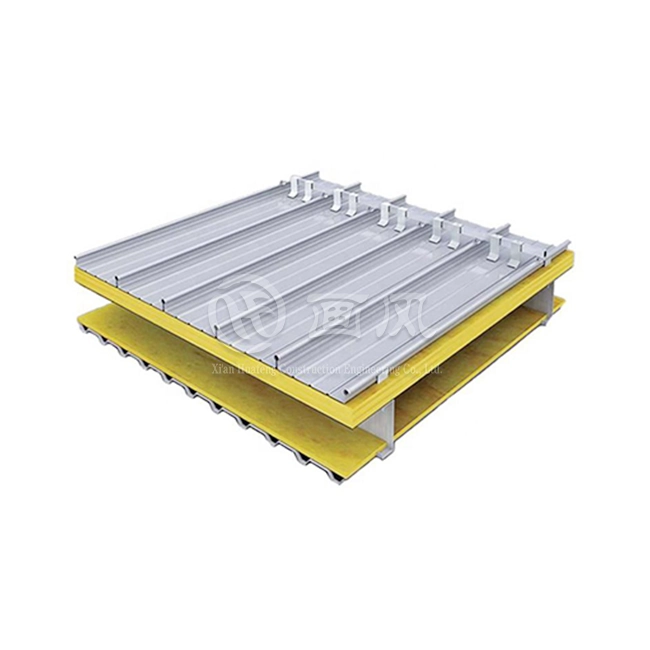
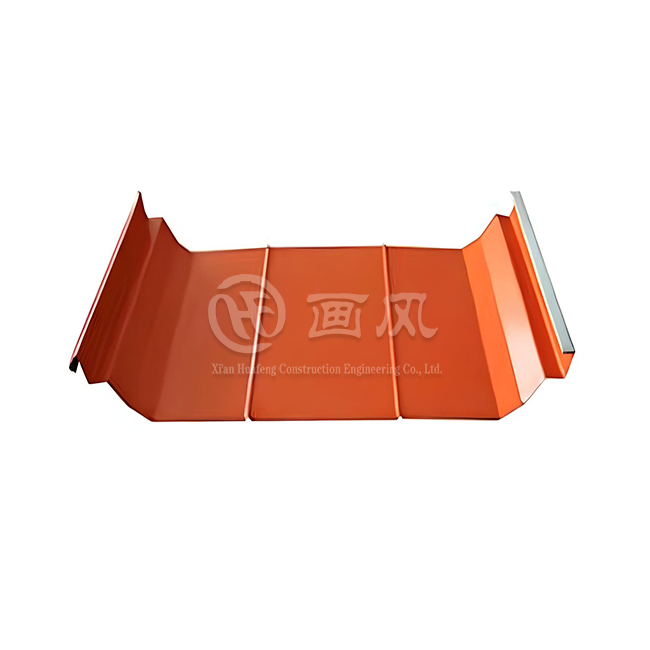
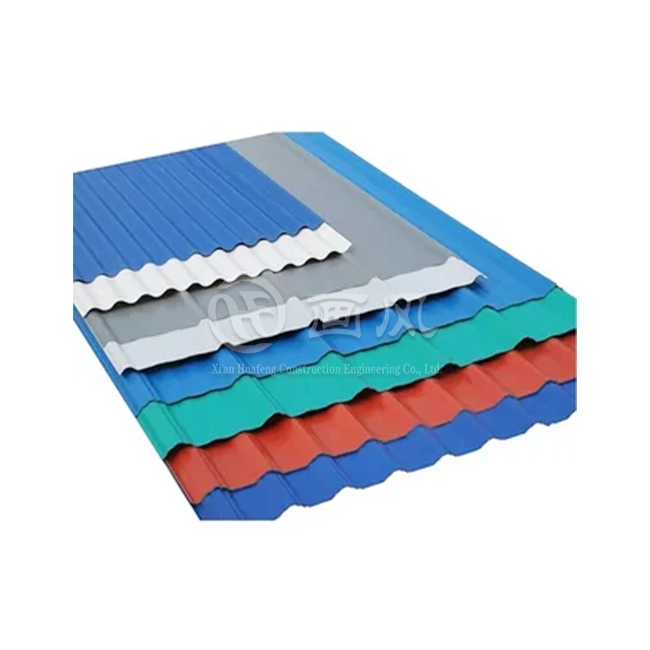
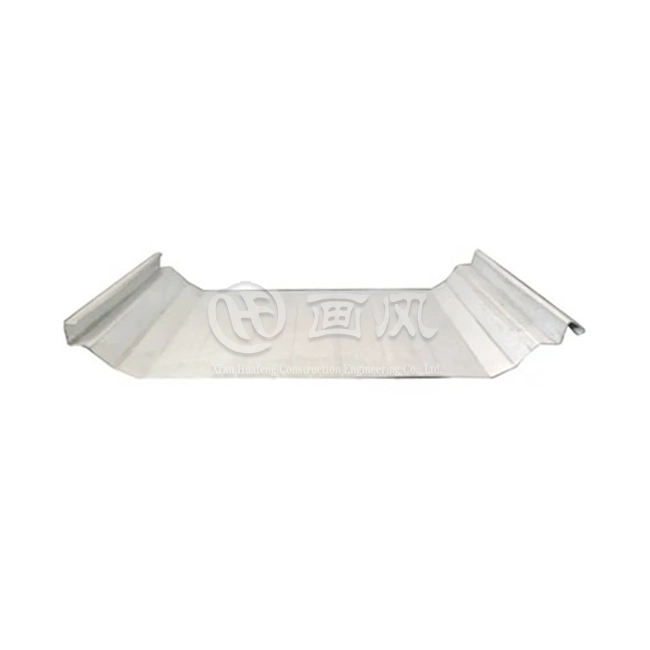
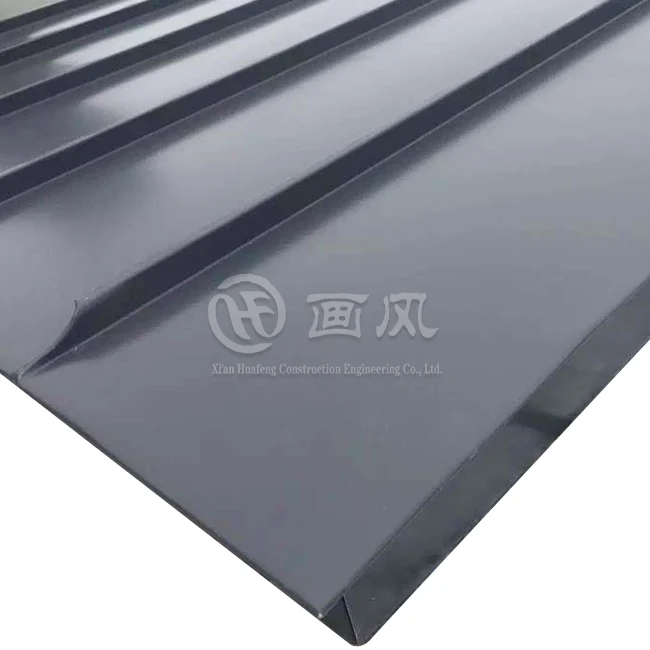
Modern architecture demands solutions that blend aesthetic appeal with exceptional performance. Flat Lock Panels have emerged as the premier choice for architects and contractors seeking to achieve stunning facades while ensuring long-term durability. These innovative metal cladding systems offer unparalleled versatility, allowing buildings to showcase contemporary design elements while maintaining structural integrity. The unique interlocking mechanism provides seamless installation and superior weather protection, making flat lock panels the ideal solution for commercial, residential, and institutional projects.
When considering facade materials for your next project, understanding the comprehensive benefits of these systems proves essential. Let me share insights from over five years of experience in metal roofing and curtain wall systems, highlighting why flat lock panel systems have become the standard for premium construction projects.
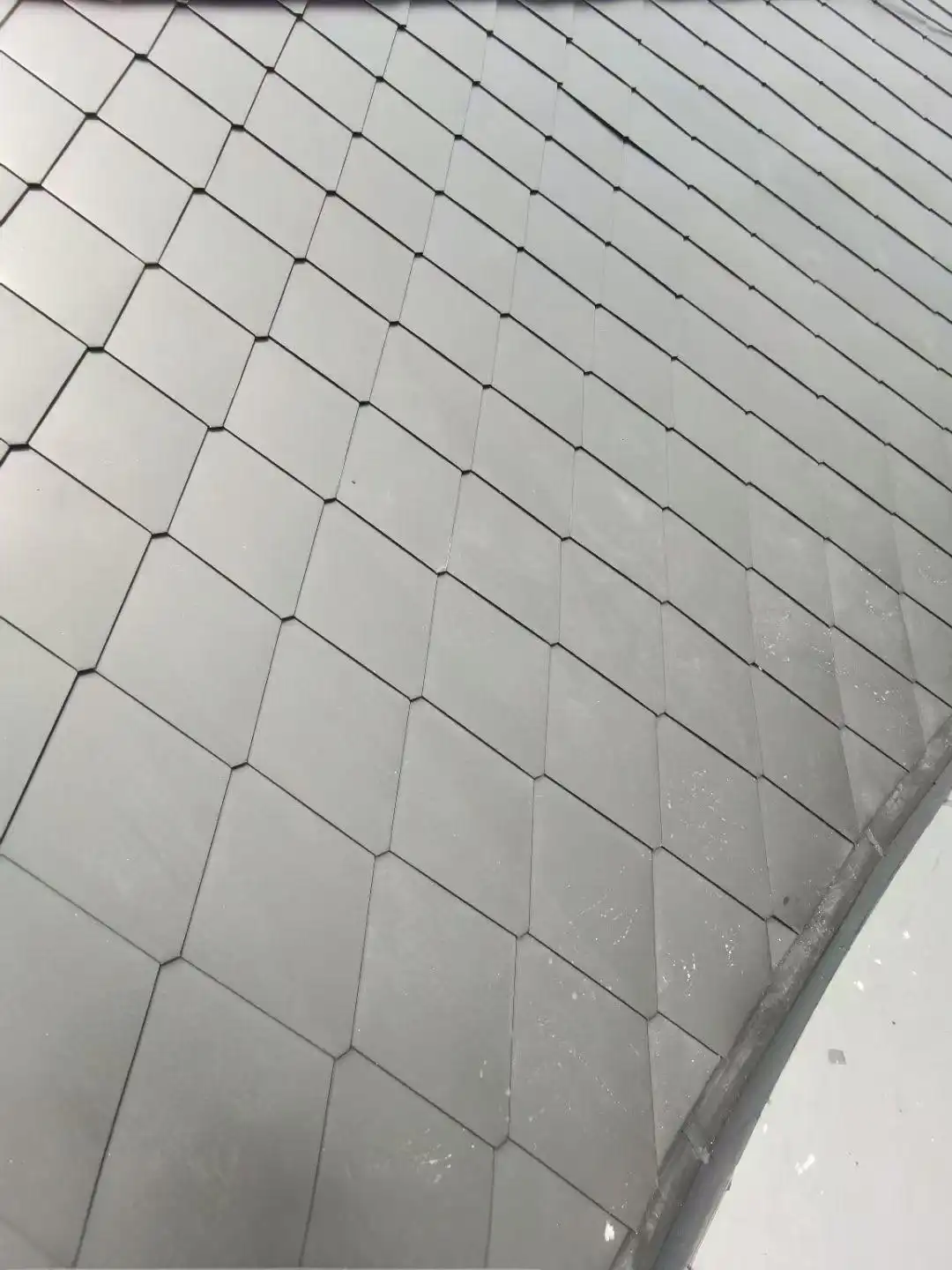
Exceptional Weather Resistance and Durability
Weather resistance is the primary advantage of flat lock panel cladding systems, offering exceptional strength against extreme weather conditions, including heavy precipitation, snow loads, and high winds. The mechanical interlocking seams create watertight barriers that prevent moisture infiltration, protecting the building envelope from potential damage. Our titanium zinc and aluminum-magnesium-manganese alloy panels provide superior corrosion resistance compared to conventional materials, while the PVDF coating offers additional protection against UV radiation, preventing color fading and maintaining aesthetic appeal throughout the panel's lifespan. Independent testing shows that properly installed flat lock panel systems can withstand wind speeds exceeding 150 mph, making them ideal for high-rise buildings and coastal locations. The thermal expansion properties of these materials ensure reliable performance across temperature fluctuations. Unlike rigid systems that may crack under thermal stress, flat lock panels accommodate natural building movement while maintaining their protective seal. This flexibility significantly extends the service life, often exceeding 30 years with minimal maintenance. Moisture management is another key benefit, as the raised seam design promotes efficient water drainage, preventing standing water that could compromise the building structure. This feature is especially valuable in regions with frequent precipitation or freeze-thaw cycles.
Versatile Design Options and Aesthetic Appeal
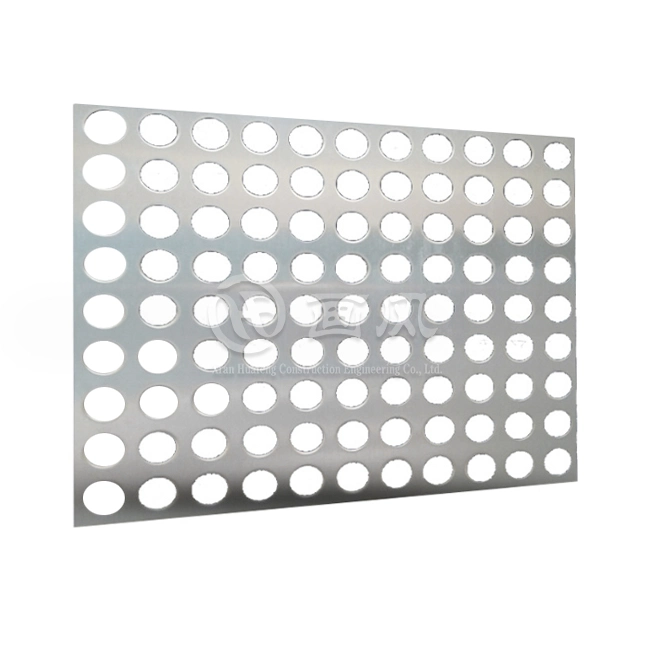
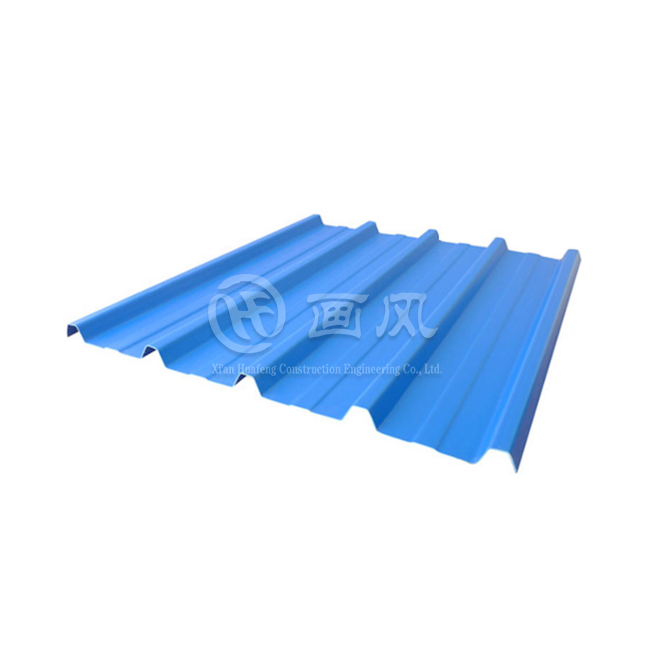
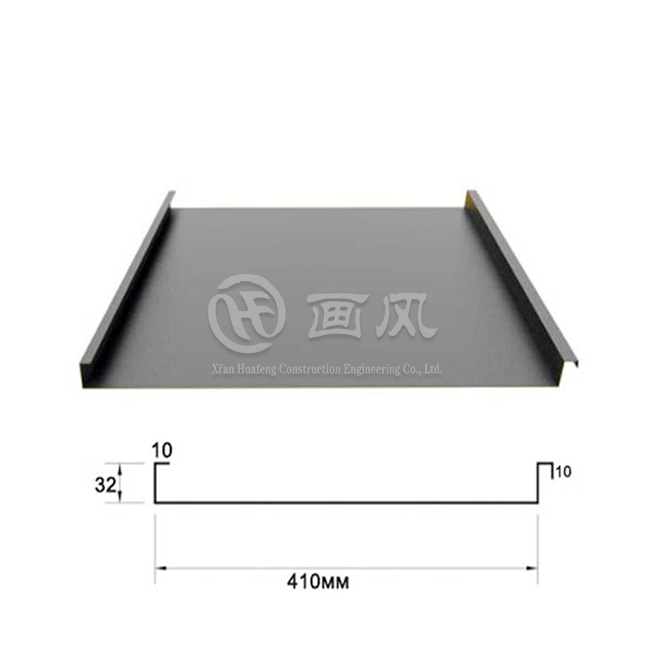
Design adaptability sets flat lock panels apart from traditional cladding materials. Our manufacturing capabilities support various shapes, including rectangles, rhombuses, trapezoids, and hexagons, allowing architects to bring unique design visions to life. The customizable width range of 100-400mm suits different building scales and proportions. Color options go beyond standard offerings through our comprehensive RAL color coordination system, ensuring seamless integration with existing building components or brand requirements. The smooth, flat appearance creates clean lines that enhance modern building aesthetics while maintaining visual consistency across large facade areas. Installation patterns offer additional design possibilities, with horizontal, vertical, and diamond configurations creating distinctive visual effects, enabling designers to highlight focal points or complement surrounding structures. The integrated and flush bonding facade options provide contrasting aesthetic impacts suitable for various architectural styles. Surface texture variations, including matte and glossy finishes, contribute to the overall design palette. These options interact differently with natural light throughout the day, creating dynamic exterior appearances that enhance building character. The ability to combine multiple colors and textures within a single project opens endless creative possibilities. Customization extends to panel dimensions, with lengths up to 3 meters and custom sizing available for specific project requirements. This flexibility reduces waste and ensures optimal material utilization, providing both aesthetic and financial benefits.
Superior Installation Efficiency and System Integration
Installation proficiency offers a significant advantage for contractors managing tight project schedules. The flat lock panel system features precision-engineered components that facilitate quick installation while maintaining quality standards. Our panels arrive pre-formed and ready for immediate installation, reducing on-site labor requirements and minimizing weather-related delays. The mechanical locking system eliminates the need for specialized welding or complex fastening methods. Skilled installation teams can achieve impressive coverage rates, often completing 500-800 square feet per day, depending on panel arrangement and building geometry. This efficiency directly translates into lower labor costs and accelerated project timelines. Quality control benefits from standardized installation methods that reduce the potential for human error. The interlocking design provides visual confirmation of proper panel engagement, ensuring consistent performance across the entire facade. This reliability is especially critical for large-scale projects where consistency is paramount. Integration with existing building systems is seamless, using compatible flashings, trim pieces, and transition details. Our comprehensive accessory line addresses common installation challenges, including corners, openings, and terminations, ensuring a professional appearance while maintaining weatherproof integrity. The lightweight nature of flat lock panels, typically weighing 5.8kg/m², reduces the structural load compared to masonry or concrete alternatives. This characteristic makes them ideal for retrofitting existing buildings during renovation projects without requiring additional structural support.
Cost-Effective Long-Term Performance
Economic analysis reveals significant long-term advantages of flat lock panel systems despite potentially higher initial investment. The extended service life, often exceeding 30 years, provides exceptional value when calculated over the building's operational period. Reduced maintenance requirements contribute substantially to lifecycle cost savings.Energy efficiency benefits emerge from the ventilation characteristics inherent in the panel design. The air cavity behind the panels creates thermal breaks that improve building insulation performance. This feature reduces heating and cooling loads, generating ongoing operational savings that compound over time.Maintenance costs remain minimal throughout the panel lifespan. The self-cleaning properties of modern coatings reduce the need for frequent washing, while the corrosion-resistant materials eliminate painting or refinishing requirements. Annual inspection and occasional gutter cleaning typically represent the primary maintenance activities.Replacement costs prove minimal due to the modular panel design. Individual panels can be removed and replaced without affecting adjacent areas, avoiding expensive wholesale facade renovation. This capability proves particularly valuable for buildings experiencing localized damage from impacts or vandalism.Insurance benefits may apply due to the fire-resistant properties and wind resistance ratings of metal panel systems. Many insurance providers offer reduced premiums for buildings featuring non-combustible exterior materials with proven performance records.
Environmental Sustainability and Green Building Compliance
Sustainability considerations increasingly influence material selection decisions for modern construction projects. Flat lock panels excel in environmental performance through multiple pathways that support green building certification programs. The recyclable nature of aluminum, stainless steel, and copper materials ensures responsible end-of-life disposal while maintaining material value.Manufacturing efficiency contributes to reduced environmental impact through optimized production processes. Our automated manufacturing lines minimize waste generation while ensuring consistent quality. The lightweight panels require less energy for transportation compared to heavier alternatives, reducing the project's carbon footprint.LEED certification benefits include contributions to multiple credit categories. The high recycled content of aluminum and steel panels supports Materials and Resources credits, while the reflective properties of light-colored panels contribute to Heat Island Reduction credits. The durability characteristics support credits related to building longevity and reduced replacement frequency.Indoor air quality benefits result from the low-emission characteristics of metal panels compared to composite materials containing adhesives or chemical binders. This feature proves particularly important for healthcare facilities, schools, and other buildings where occupant health remains paramount.Water management advantages include efficient rainwater collection capabilities for buildings incorporating water harvesting systems. The smooth panel surfaces facilitate clean water collection while the durable coatings resist contamination that could compromise water quality.
Huafeng Flat Lock Panels vs. Competitors
Our extensive experience manufacturing metal roofing and curtain wall systems positions Huafeng advantageously against competitors in several key areas. Material selection represents our primary differentiator, offering titanium zinc, TECU copper, aluminum magnesium manganese alloy, and stainless steel options that exceed standard industry offerings.Manufacturing capability distinguishes our approach through comprehensive in-house production. Our 200,000 square meter raw material plant in Anhui, combined with processing facilities in Hangzhou and Xi'an, ensures quality control throughout the entire production chain. This vertical integration eliminates third-party dependencies that can compromise quality or delivery schedules.Technical expertise backed by more than 20 registered patents demonstrates our commitment to innovation and continuous improvement.
Our Grade 1 building curtain wall certification and Grade 3 steel structure qualification provide assurance of professional competency that many competitors cannot match.Customization capabilities extend beyond standard offerings through our advanced manufacturing equipment. Seven color coating production lines, automated punching systems, and precision forming equipment enable complex custom profiles that meet unique architectural requirements. This flexibility proves particularly valuable for landmark projects requiring distinctive design elements.International experience spanning over 100 countries provides deep understanding of diverse building codes, climate conditions, and architectural preferences. This global perspective ensures our products meet local requirements while maintaining consistent quality standards worldwide.
Maximizing Benefits Through Proper Specification and Installation
Achieving optimal performance from flat lock panel systems requires careful attention to specification details and installation practices. Material selection should consider local climate conditions, building exposure, and aesthetic requirements. Coastal environments typically benefit from stainless steel or aluminum options that resist salt corrosion, while inland locations may utilize zinc or copper for their aesthetic properties.Panel thickness selection impacts both performance and cost. Our 0.4mm-0.8mm thickness range accommodates different structural requirements and budget constraints. Thicker panels provide enhanced dent resistance for ground-level applications, while thinner options prove adequate for upper-level installations with reduced impact exposure.
Color selection influences both aesthetic appeal and thermal performance. Light colors reflect solar radiation, reducing cooling loads, while darker colors may complement architectural themes but require consideration of thermal expansion characteristics. Our RAL color matching ensures precise coordination with project requirements.Installation planning should account for panel expansion characteristics and building movement. Proper spacing and fastening patterns accommodate thermal cycling while maintaining weatherproof performance. Coordination with other trades ensures proper sequencing and avoids potential conflicts during construction.Quality assurance protocols should include regular inspection during installation to verify proper panel engagement and sealing. Documentation of installation procedures provides valuable reference for future maintenance activities and warranty compliance.
Conclusion
Flat lock panels represent the pinnacle of modern facade technology, combining aesthetic excellence with uncompromising performance. The five key benefits - exceptional weather resistance, versatile design options, installation efficiency, cost-effective performance, and environmental sustainability - position these systems as the premier choice for discerning architects and contractors.Huafeng's commitment to quality, innovation, and customer satisfaction ensures your project achieves its full potential while meeting the most demanding performance requirements. Our comprehensive manufacturing capabilities, technical expertise, and global experience provide the foundation for successful project outcomes that exceed expectations for decades to come.
Frequently Asked Questions
Q1: What maintenance is required for flat lock panels?
A: Flat lock panels require minimal maintenance, typically consisting of annual visual inspections and occasional cleaning with mild detergent and water. The self-cleaning properties of modern coatings reduce maintenance frequency, while the corrosion-resistant materials eliminate painting requirements. Gutter and drainage system maintenance ensures proper water management.
Q2: How do flat lock panels perform in extreme weather conditions?
A: Flat lock panels demonstrate exceptional performance in extreme weather, withstanding wind speeds exceeding 150 mph when properly installed. The interlocking seams create watertight barriers against driving rain, while the thermal expansion characteristics accommodate temperature variations without compromising integrity. Snow loading capacity varies by panel thickness and support structure design.
Q3: Can flat lock panels be installed on curved surfaces?
A: Yes, flat lock panels can accommodate curved surfaces through careful panel sizing and installation techniques. Gentle curves work well with standard panels, while tighter radii may require custom forming. Our manufacturing capabilities support curved panel production for complex architectural geometries including conical, spherical, and hyperboloid shapes.
Ready to Transform Your Next Project with Premium Flat Lock Panels?
Huafeng Construction Engineering delivers unmatched quality and innovation through our comprehensive flat lock panel manufacturing capabilities. Our state-of-the-art production facilities, backed by Grade 1 curtain wall certification and international experience across 100+ countries, ensure your project receives premium materials and professional support. As a leading flat lock panels supplier, we provide customized solutions from design through installation, supporting your project's unique requirements with our 30-year warranty coverage. Transform your vision into reality with our expert team - contact us at huafeng@hfmetalroof.com today.
References
1. American Institute of Architects. "Metal Panel Systems in Contemporary Architecture: Design Guidelines and Performance Standards." Architectural Design Journal, 2023.
2. Building Envelope Research Institute. "Comparative Analysis of Metal Cladding Systems: Performance Metrics and Lifecycle Assessment." Construction Materials Review, 2023.
3. International Association of Curtain Wall Manufacturers. "Weather Resistance Testing Standards for Metal Panel Facades." Technical Publication Series, 2022.
4. Green Building Council International. "Sustainable Metal Cladding Systems: Environmental Impact and Certification Guidelines." Sustainable Construction Quarterly, 2023.
5. Metal Construction Association. "Installation Best Practices for Interlocking Metal Panel Systems." Professional Installation Manual, 2023.
6. Structural Engineering Institute. "Wind Load Design Considerations for Metal Panel Facade Systems." Engineering Design Standards, 2022.





YOU MAY LIKE