Flat Lock Metal Wall Sheets: Complete Guide to Modern Facades
2026-08-05 18:36:26
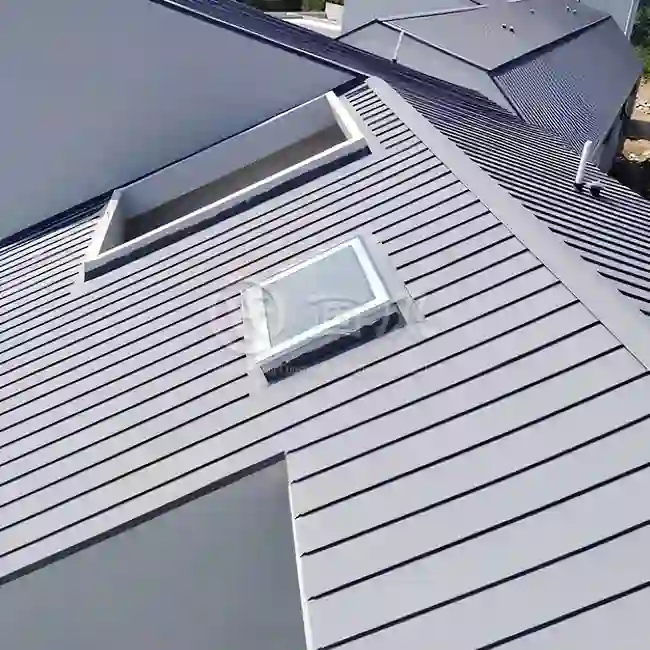
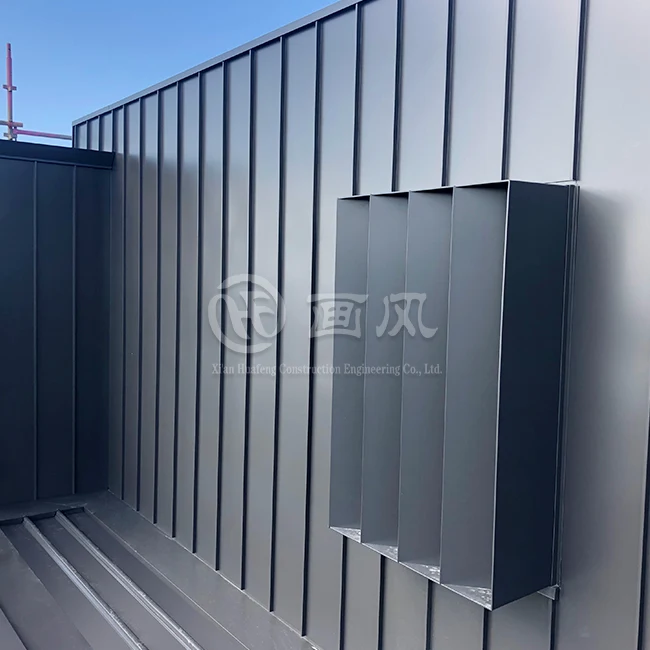
Flat lock metal wall sheets represent a sophisticated architectural cladding solution that combines timeless craftsmanship with modern precision engineering. These panels create flush, seamless facades through an interlocking hem system, typically featuring a 25mm fold that ensures secure engagement across thermal expansion cycles. Available in premium materials including titanium zinc, copper, aluminum, and stainless steel, they deliver exceptional weather resistance, design versatility, and structural integrity for both commercial and residential projects seeking a monolithic, high-end appearance.

Understanding Flat Lock Metal Wall Sheets
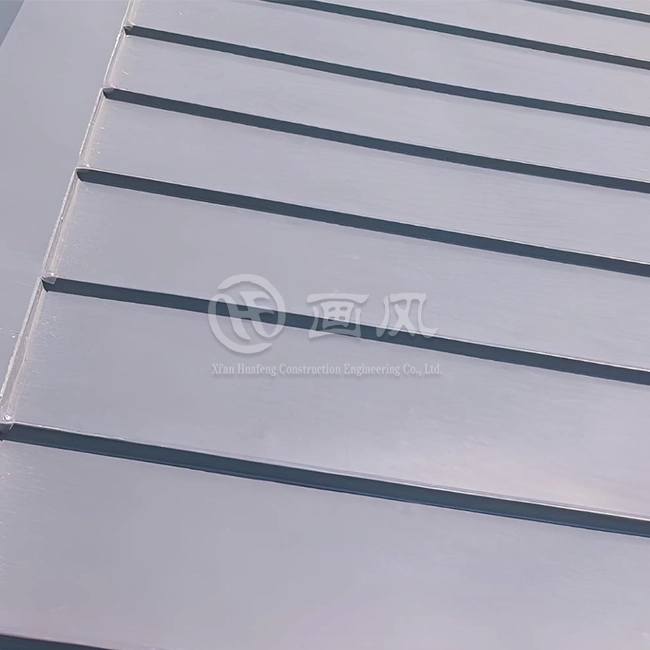
The design draw of flat lock metal wall sheets lies in their ability to make building exteriors look like a whole. The flat lock metal wall sheets create a smooth, continuous surface that works with complex shapes and modern design ideas, while curved or standing seam features focus on linear patterns.
What Defines Flat Lock Panel Systems
Flat lock metal wall sheets have a hem design that is mechanically linked and hides the fixings while letting the panels move independently in terms of temperature. This "dry joint" method doesn't use sealants; instead, it uses gravity and rainscreens to keep water out and allow for expansion without wearing out the fasteners. Flat lock metal wall sheets are 100–400 mm wide and 0.4–1.0 mm thick. They can be made in any shape you want, such as hexagons, rhombuses, rectangles, or squares. Through carefully planned placement of stainless steel clips, the system meets strict wind load requirements and gets a Class A fire rating.
Material Options and Performance Characteristics
Each type of material meets different project needs. Aluminium is strong and light, and its PVDF or anodised finishes don't break down in UV light, which makes it perfect for high-rise uses. When it comes to coastal areas, stainless steel is very resistant to corrosion, while copper gets a unique patina that makes it look better over time. Titanium zinc can heal itself and be recycled over and over again, which is in line with LEED certification goals. We make flat lock metal wall sheets that meet ASTM, DIN, JIS, BS, and GB/T standards. This makes sure that they are compatible with all international building codes and comes with a 30-year warranty. Our three facilities also have strict quality control measures in place.
Advantages Over Alternative Cladding Systems
The perks of the structure go beyond how it looks. Traditional flat lock metal wall sheets that are held together through holes make it possible for water to get in. On the other hand, hidden clip systems spread the load across the base without damaging the building surface. Because there is an open space behind the flat lock metal wall sheets, thermal performance is better, and cooling loads are cut by up to 15% compared to direct-applied siding. Metal surfaces that aren't flammable don't need much maintenance because they don't rot, attract bugs, or grow plants. The one-piece look gets rid of the visual breaks that come with composite panels. This is especially helpful for projects that need to keep the materials flowing from the eave to the base without any abrupt changes.
Installation and Maintenance of Flat Lock Metal Wall Sheets
Long-term function and regularity of appearance depend on how well flat lock metal wall sheets are installed. Our work on museum facades, commercial towers, and home renovations has helped us come up with best practices that protect the integrity of the system while also taking into account the unique challenges of each site.
Step-by-Step Installation Process
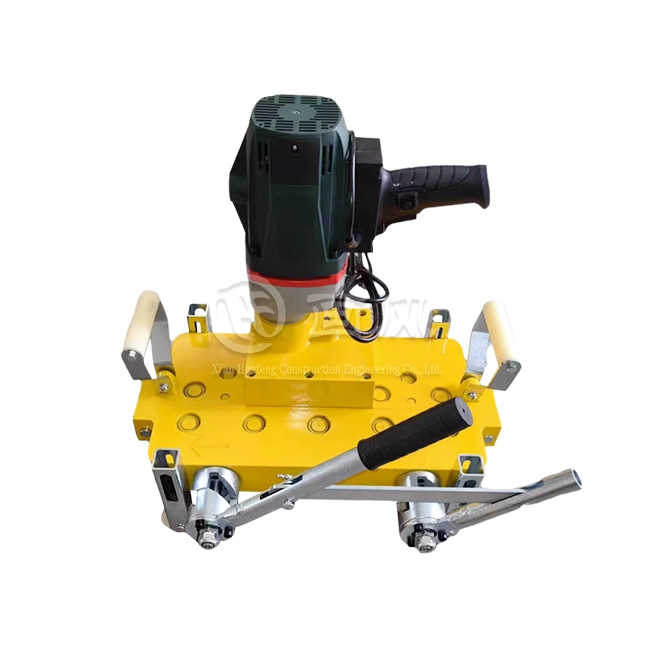
The first step in getting a site ready is to make sure the ground is flat and put up weatherproof barriers with the right drainage lines. For most uses, we suggest 18-gauge steel studs spaced 16 inches apart. In high-wind areas, the spacing should be tighter. Engineered specs say that concealed clips should be placed 12 to 16 inches apart vertically to spread out the lifting forces evenly. When installing flat lock metal wall sheets, they are put up horizontally from bottom to top, with the lower edge hem being engaged before the vertical sides are sewn together. The interlocking device needs consistent technique—too much force can damage the edges, and not enough contact can weaken the weatherproofing. Specialised seaming tools make sure that the hem closes evenly, giving the signature flush look. For corner details, you need to be very careful when cutting and use false lock techniques that keep the look of continuity while allowing for geometric changes.
Routine Maintenance and Longevity Strategies
Annual inspections check the integrity of the fasteners, make sure the drainage path is clear, and look at the condition of the finish. Finishes on aluminium and stainless steel flat lock metal wall sheets can last for decades if they are cleaned regularly with mild cleaners. Copper and zinc surfaces age gracefully and form protective patinas that don't need to be changed. Coastal sites should be rinsed every three months to get rid of salt buildup. Damaged flat lock metal wall sheets can be replaced in the field by carefully unhooking the interlocks around them. However, this requires skilled workmanship to keep the fixes from being seen. Our monthly stock of 1000 tonnes makes sure that replacement materials are always available, and shipping times of 15 to 20 days keep projects on schedule. Corrosion prevention starts during installation. Using galvanic separation between metals that are not the same, integrating flashing correctly, and not using sealant protects the dry joint functionality needed for thermal movement accommodation.
Comparison and Decision-Making: Choosing the Best Metal Wall Sheets
When making purchases, people weigh the initial investment for flat lock metal wall sheets against the costs over the product's lifetime, as well as aesthetic goals and performance needs. Knowing the differences between materials and which ones are best for what helps you make specifications that meet both your budget and the architectural vision.
Flat Lock Versus Alternative Metal Cladding
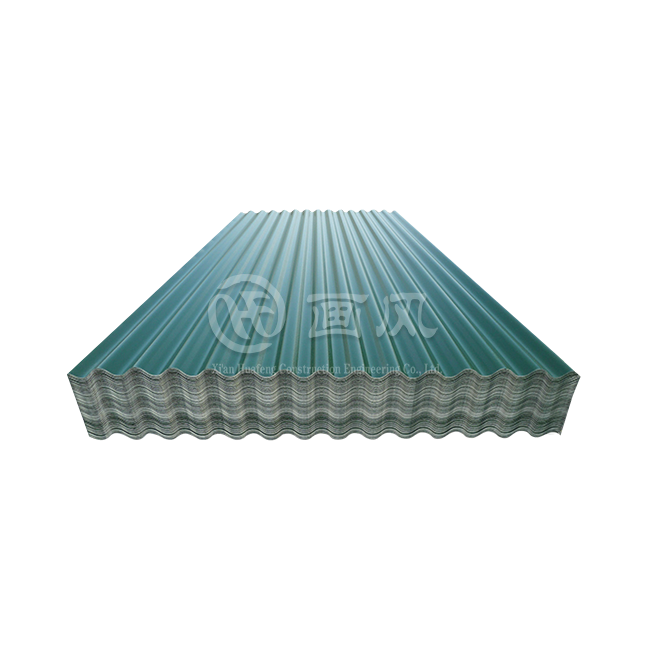
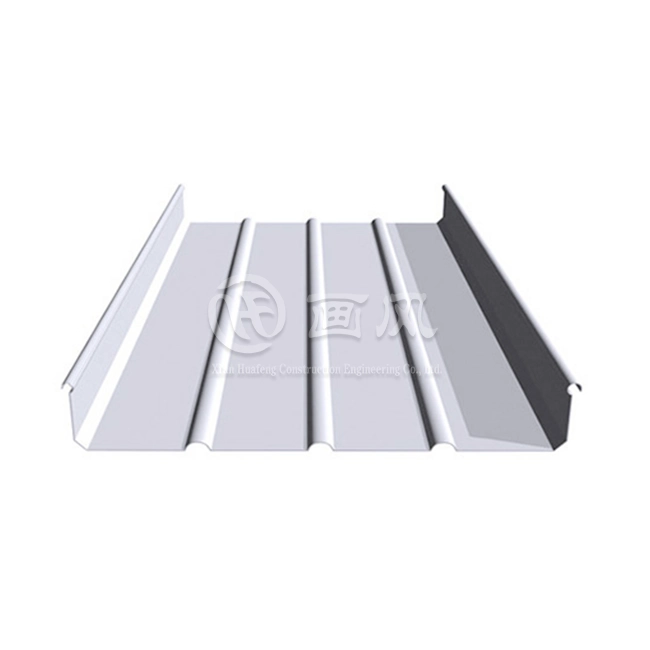
Corrugated metal panels are cheaper for industrial uses, but they don't have a classy look that would work in a company offices or a museum. Standing seam systems work about the same in bad weather and have clear vertical lines that look good on modern farm or business buildings, but they can't match the solid look of the flat lock metal wall sheets. Vinyl siding is cheaper up front, but it breaks down in the sun and needs to be replaced every 15 to 20 years, while flat lock metal wall sheets last for 50 years or more. Composite walls look like metal but are lighter, but they raise worries about fire safety and the possibility of delamination. Even though they cost more at first, flat lock metal wall sheets are worth the extra money because they don't need to be painted as often, require less upkeep, and raise the value of the property.
Selecting Materials and Finishes for Specific Applications
Commercial projects that want low maintenance tend to use aluminium flat lock metal wall sheets with PVDF coatings that come in custom RAL colours and don't fade for more than 30 years. When cultural institutions want something unique, they choose copper or zinc flat lock metal wall sheets that have already been aged, and they accept that natural patination is a part of the design process. 316L stainless steel is needed for coastal resorts because it doesn't rust from salt spray. Aluminium is light, which makes it useful for home improvements because it lowers the cost of structure reinforcement. The length of the warranty depends on how long the material will last. For example, our 30-year coverage covers finish integrity and structural performance, while most competitor warranties only cover manufacturing flaws. Checking a supplier's reputation means looking at their project portfolios, making sure they have the right certifications (ISO9001, ISO14001, SGS), and seeing how well they can help with technical issues during the procurement and installation phases.
Procurement Guide for Businesses: How and Where to Buy Flat Lock Metal Wall Sheets
Strategic buying makes sure that the supply of flat lock metal wall sheets matches the schedule for building while also keeping costs as low as possible. Knowing what the provider can do, how they can customise, and what shipping issues need to be thought about can help you avoid costly delays and specification compromises.
Sourcing Through Manufacturers and Distributors
For big projects, having direct ties with flat lock metal wall sheets manufacturers can be helpful. Our seven production lines and more than 40 specialised machines make it possible for us to make custom flat lock metal wall sheets, match colours, and change shapes in ways that distributors can't. For medium-sized business projects, the minimum order quantity is 500㎡, which is equal to 3 tonnes. For multi-building projects, buying in bulk unlocks volume price. Lead times are usually between 15 and 20 days from the time an order is confirmed, so planning ahead is needed during the design process. Regional distributors offer smaller amounts for home improvement projects, but they can't be changed much. Online platforms for sourcing make it easier to compare prices, but they don't offer the technical advice that is needed for complex facade engineering.
Custom Orders and the Advantages of Buying in Bulk
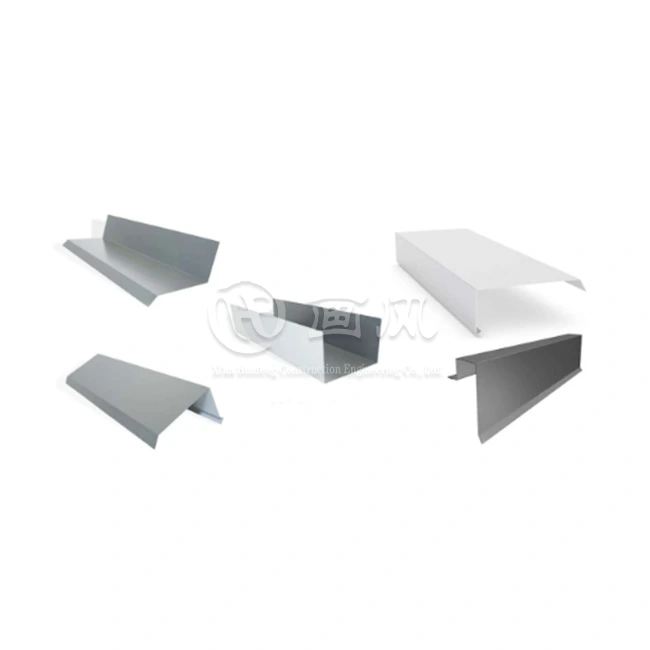
Custom fabrication meets specific architectural needs, such as making hexagonal flat lock metal wall sheets for museum facades, trapezoid shapes for dynamic shadow play, or finishes that match corporate branding. Our ability to customise widths outside of the normal 100–400mm sizes lets us fit flat lock metal wall sheets that are too big, which cuts down on the number of seams on large walls. Having long-term relationships with suppliers has benefits beyond just getting better prices. For example, you can get priority production scheduling during busy building seasons, dedicated technical support for preparing submittals, and coordinated shipping that combines orders for accessories and flat lock metal wall sheets. When making a budget, you should include hidden clips, trim pieces, and specialised tools; getting full quotes stops people from asking for changes. When looking at quotes from suppliers, you need to compare things like material grades (H24 vs. H14 aluminium temper), coating systems (Kynar 500 vs. general PVDF), and services like engineering estimates for wind load compliance.
Leading Brands, Warranty, and Sustainability in Flat Lock Metal Wall Sheets
Quality control and caring for the environment are becoming more important in purchasing decisions as businesses realise that ties with flat lock metal wall sheets suppliers are more than just a one-time deal and are important for the success of long-term projects.
How to Find Reliable Manufacturers
Flat lock metal wall sheets manufacturers at the top of their fields stand out by showing proof of their performance on important projects. The stainless steel dome of the Louvre Abu Dhabi, the facades of Apple Stores around the world, and the zinc cladding of the Whitney Museum are all examples of precision engineering and good design. When you evaluate a maker, you have to look at their certifications, which include ISO9001 for quality management, ISO14001 for environmental standards, and SGS testing for material specs. We keep our first-level qualifications for building curtain walls and our third-level licenses for building steel structures. These show that we have the professional skills that the government has approved. Portfolios of completed projects show versatility in business, institutional, and private settings; client references show how responsive, problem-solving, and post-installation support are handled. Working with Fortune 500 companies and finishing intricate geometric facades gives us respect in tough situations.
Warranty Coverage and Help After the Sale
Comprehensive warranties lower the risks of a project by ensuring the performance of flat lock metal wall sheets and the purity of the finish. Our 30-year guarantee covers coating adhesion, corrosion resistance, and the integrity of the structural hem. This gives you peace of mind that lasts longer than most building fault liability periods. The warranty terms should spell out what the coverage doesn't cover, how to file a claim, and what the manufacturer has to do to investigate and fix problems in the field. After-sales support includes expert help during installation, fixing problems that come up out of the blue, and setting up new parts. Setting up clear lines of communication, like dedicated project managers, technical hotlines, and helpful email support, makes sure that problems are solved quickly. As owners try to get green building certifications, sustainability standards have a bigger impact on the specs. Flat lock metal wall sheets have a high recycled content (aluminium is usually 40–60% recycled, steel is 25–30%), help save energy through reflective coatings, and can be recycled in full when a building is no longer needed. Low-VOC coatings and getting rid of harmful chemicals are in line with companies' environmental goals and help meet LEED credit requirements.
Conclusion
Flat lock metal wall sheets offer unmatched architectural sophistication through seamless interlocking systems that combine high-end looks with strong structure. Aluminium, stainless steel, copper, and titanium zinc are just some of the materials that can be used to make custom solutions for a wide range of conditions and design goals. The hidden fastener method protects against weather and allows for thermal movement, which makes walls that work effectively for decades with little maintenance. Strategies for buying things that focus on working with manufacturers, being able to customise, and offering full guarantees set up projects for success from the beginning of the design process to long-term occupancy. As concerns about sustainability grow, energy-efficient metal cladding that can be recycled is a good choice for a material that balances caring for the environment with long-term value.
FAQ
1.Can flat lock metal wall sheets be put up either horizontally or vertically?
The direction of installation for flat lock metal wall sheets depends on how you want it to look and how you want to handle water. When installed horizontally, the running bond look is common in household settings, while when installed vertically, it looks good in business towers. For vertical placement, it's important to pay close attention to the direction of the laps so that water flows away from the interlocks properly. The concealed clip method works the same way in both directions, but in high-wind areas, vertical installs may need tighter clip spacing.
2.How do these systems deal with the fact that heat expands?
The flat lock metal wall sheets float on hidden clips, which lets them expand and contract freely without putting stress on the fasteners. The dry joint design can handle changes in temperature without affecting the weather integrity, unlike through-fastened systems where metal movement makes entry holes longer. In alpine areas with big changes in temperature, this feature is very important because a rigid attachment would cause the fastener to fail or buckle.
3.What kinds of upkeep do different materials need?
To get rid of atmospheric deposits, aluminium and stainless steel flat lock metal wall sheets only need to be washed once a year with mild detergents. Patinas naturally form on copper and zinc, protecting them without any help and adding to their visual character. Coastal systems should be rinsed every three months to keep salt from building up and speeding up rusting. Not using sealer protects the system's ability to move heat and keeps wetness out, which causes it to break down faster than it should.
Partner with HF for Your Next Facade Project
Xi'an Huafeng Construction Engineering Co., Ltd. can meet your flat lock metal wall sheets covering needs with their advanced production skills and design knowledge. As a supplier of flat lock metal wall sheets with a lot of experience, we run three specialised facilities with seven production lines that make precision panels out of titanium zinc, copper, aluminium, and stainless steel. Our monthly capacity of 1000 tonnes guarantees a steady supply for big projects, and our customisation services can handle odd forms, sizes, and RAL colour matches. Along with first-level curtain wall qualifications, we have ISO9001, ISO14001, and SGS certifications, which show that we are committed to quality and compliance. Our 30-year warranty, delivery times of 15 to 20 days, and technical support from the specification stage through installation all help projects. Email our team at huafeng@hfmetalroof.com to talk about the details of your project, get material samples, or get a full price. We offer architectural covering options that turn the outside of buildings into lasting examples of high-quality modern design.
References
1. Smith, J. & Anderson, K. (2021). Metal Facade Systems: Design, Engineering, and Performance. Architectural Press.
2. National Roofing Contractors Association. (2022). Metal Panel Installation Standards for Commercial Buildings. NRCA Technical Manual.
3. Martinez, R. (2020). "Thermal Performance Analysis of Ventilated Metal Cladding Systems." Journal of Building Envelope Design, 15(3), 112-128.
4. Thompson, L. & Chen, W. (2023). Sustainable Building Materials: Lifecycle Assessment of Metal Architectural Products. Green Building Council Publications.
5. Architectural Metal Systems Institute. (2022). Flat Lock Panel Design Guide: Standards and Best Practices. AMSI Technical Bulletin 204.
6. Davidson, P. (2021). "Historic Preservation Using Modern Metal Cladding Techniques." Traditional Building Magazine, 34(2), 45-52.





YOU MAY LIKE