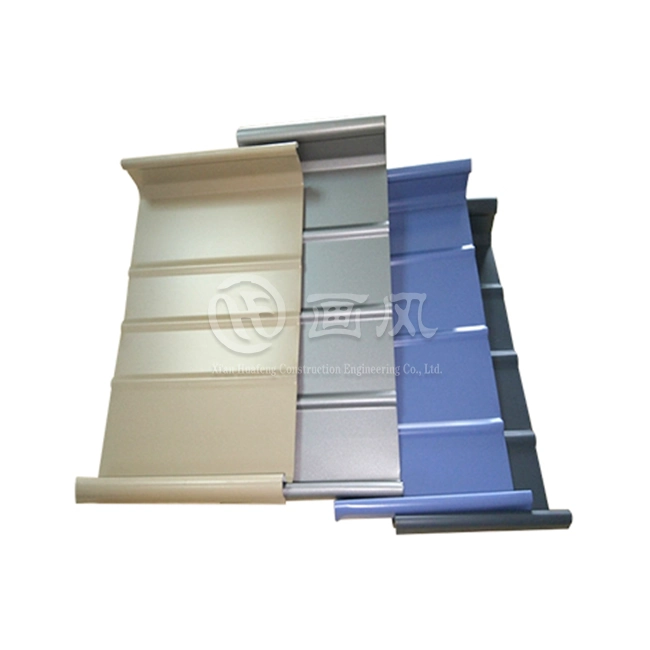
Environmental & Sustainability Benefits of Corrugated Metal Siding Sheets
2026-02-10 16:16:42
Corrugated Metal Siding Sheets represent one of the most environmentally responsible choices in modern construction materials. These innovative panels combine exceptional durability with impressive sustainability credentials, offering recyclability rates exceeding 90% while maintaining structural integrity for decades. With global emphasis shifting toward sustainable construction practices, these metal cladding solutions provide procurement professionals with materials that significantly reduce environmental impact without compromising performance standards. Their lifecycle benefits extend from manufacturing through installation to eventual recycling, making them ideal for projects pursuing LEED certification and other green building standards.
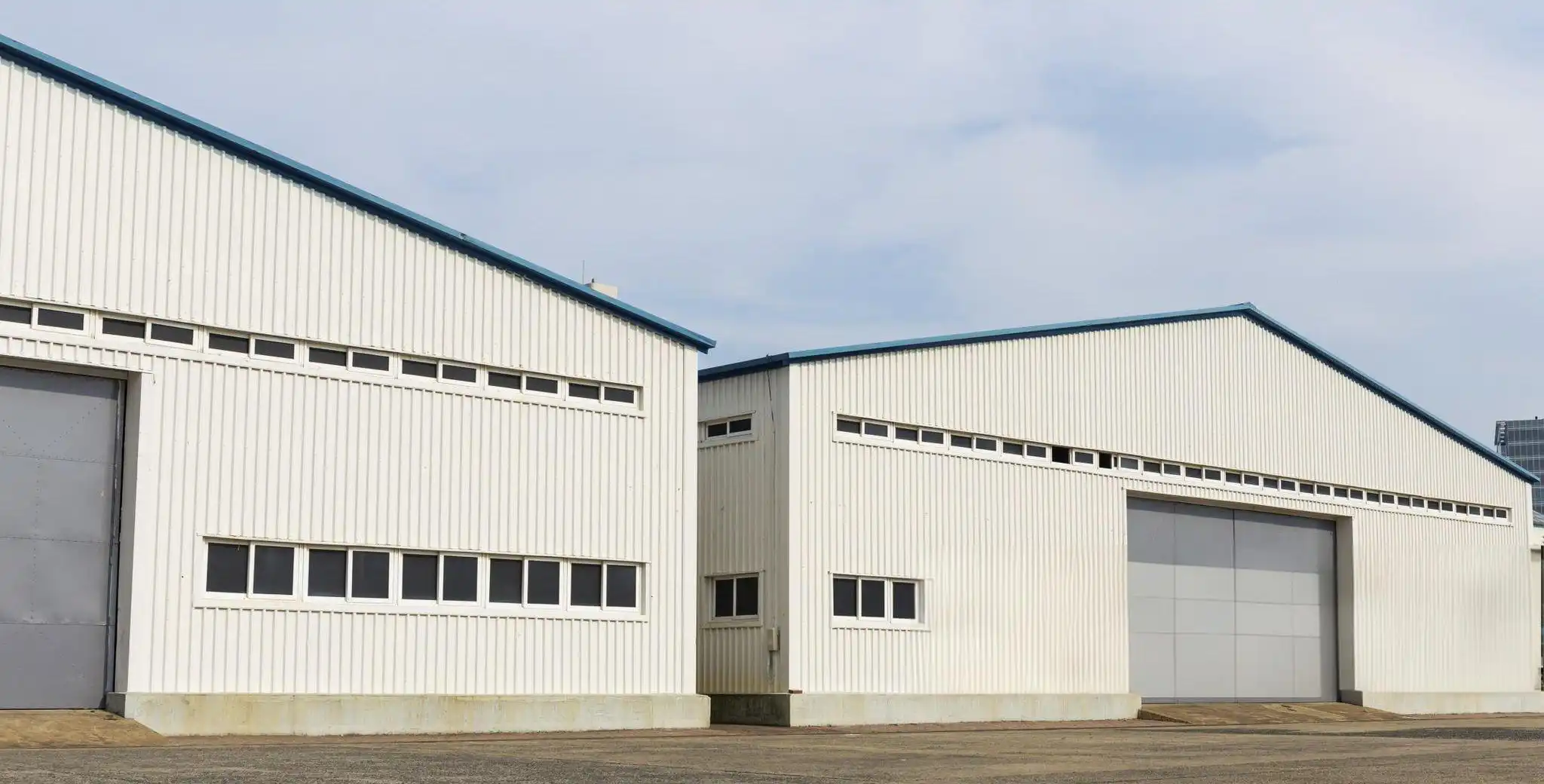
Understanding Corrugated Metal Siding Panels and Their Environmental Impact
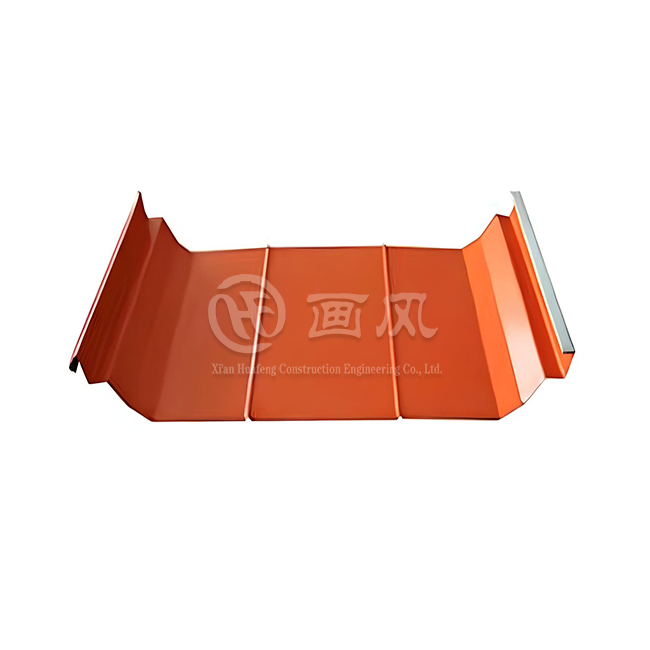
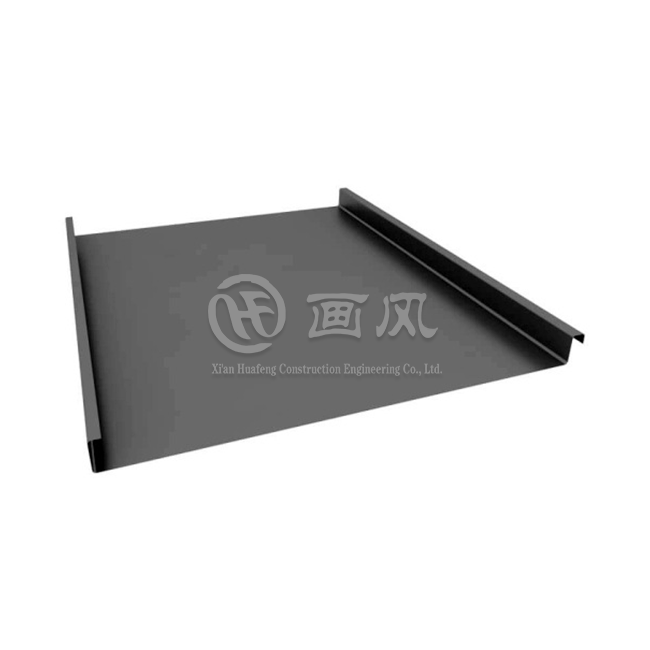
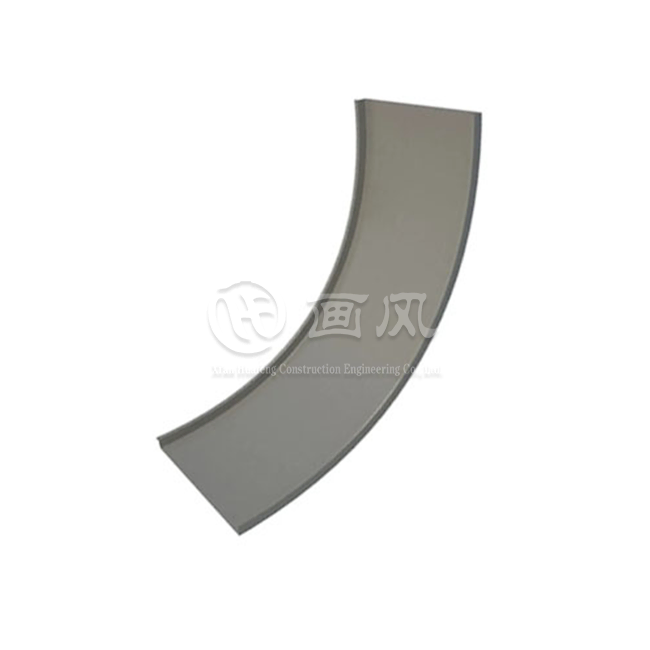
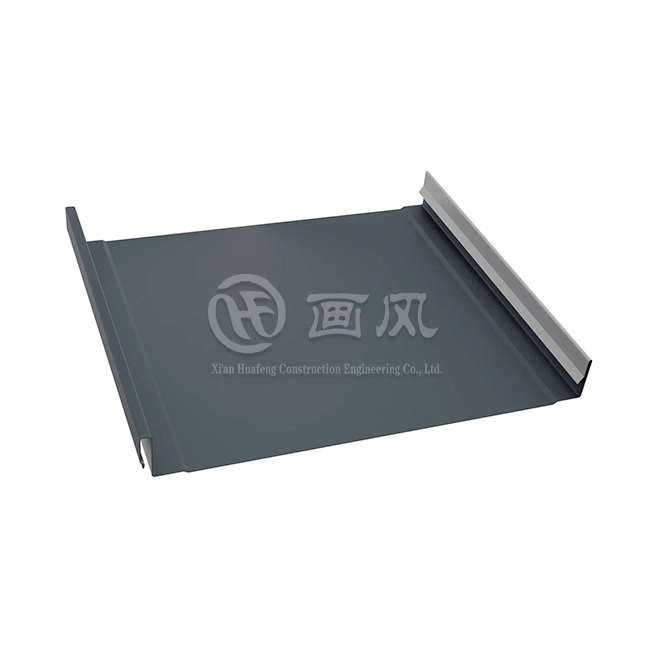
Modern folded metal cladding systems fundamentally change how we approach sustainable development. These panels use advanced metallurgy combining galvanized steel, aluminum, or specialized alloy compositions that deliver remarkable environmental performance throughout their operational lifespan. The layered profile enhances structural strength while minimizing material usage, creating an ideal strength-to-weight ratio that reduces transportation emissions and installation complexity.
Manufacturing Process and Carbon Footprint
The production of high-quality metal siding panels involves energy-efficient manufacturing methods that significantly reduce carbon emissions compared to conventional materials. Advanced coating techniques, including HDP and PVDF finishes, provide exceptional weather resistance while maintaining environmental protection standards. These protective coatings eliminate the need for frequent maintenance or replacement, drastically decreasing long-term environmental impact. Manufacturing facilities using renewable energy sources and closed-loop water systems minimize environmental disturbance during production. The precision engineering involved in creating panels with thicknesses ranging from 0.3mm to 1.2mm ensures optimal material utilization, reducing waste generation during manufacturing processes.
Lifecycle Environmental Assessment
Comprehensive lifecycle analysis reveals that metal siding panels consistently outperform alternative materials across multiple environmental metrics. Their extended service life, often exceeding 30 years with proper installation, eliminates the environmental burden associated with frequent replacements. The panels' resistance to moisture, UV radiation, and extreme weather conditions maintains performance characteristics without degradation, ensuring sustained environmental benefits throughout their operational period. The end-of-life stage presents perhaps the most significant environmental advantage, as metal panels retain their material value and can be fully recycled without loss of quality. This circular material flow reduces the demand for virgin raw materials and minimizes landfill contributions.
Sustainability Advantages of Corrugated Metal Siding Systems
Metal cladding systems deliver comprehensive sustainability benefits that extend far beyond basic recyclability. These advantages position layered boards as foundational materials for environmentally conscious construction projects worldwide.
Recycled Content and Material Recovery
Modern metal siding manufacturing incorporates significant amounts of recycled materials, often comprising 25-40% of the total content. This recycled integration reduces the mining pressure on natural resources while maintaining structural performance standards. The magnetic separation capabilities of steel-based Corrugated Metal Siding Sheets further facilitate efficient sorting during demolition, ensuring maximum material recovery rates.
Here are the key sustainability benefits these systems provide:
- Resource Preservation: High recycled content reduces virgin material extraction by up to 35% compared to conventional siding alternatives, preserving natural resources for future generations while maintaining structural integrity and performance standards throughout extended service periods.
- Energy Efficiency Improvement: Reflective coatings and thermal properties reduce building energy consumption by 15-25%, lowering operational carbon footprints while providing superior thermal performance that contributes to overall building efficiency and occupant comfort levels.
- Waste Reduction: Precise manufacturing tolerances and custom sizing capabilities minimize construction waste generation, reducing job site disposal requirements while ensuring optimal material use and supporting lean construction practices.
- Carbon Footprint Minimization: Increased durability eliminates replacement cycles for decades, avoiding repeated manufacturing and transportation emissions while providing consistent performance that supports long-term environmental objectives and sustainability goals.
These advantages collectively contribute to earning LEED points and BREEAM certifications, enhancing project value while meeting increasingly stringent environmental regulations. The thermal efficiency characteristics particularly benefit commercial projects, where energy performance directly impacts operational costs and environmental compliance.
Green Building Certification Support
Professional-grade metal siding systems contribute significantly to green building certifications through various pathways. Material selection credits acknowledge the high recycled content and recyclability features, while energy efficiency contributions support thermal performance requirements. The durability factor addresses lifecycle evaluation criteria, demonstrating long-term environmental responsibility that certification programs increasingly emphasize.
Selection Criteria for Sustainable Metal Cladding Solutions
Procurement experts must evaluate multiple factors when selecting metal siding systems for sustainable construction projects. Understanding these criteria ensures optimal environmental performance while meeting project-specific requirements.
Material Composition and Performance Characteristics
Steel-based layered panels provide excellent structural strength and outstanding recyclability, making them ideal for large-scale commercial projects requiring enhanced durability. Aluminum Corrugated Metal Siding Sheets offer lightweight benefits and superior corrosion resistance, particularly important in coastal areas or regions with harsh weather conditions. Panel thickness selection significantly influences both environmental performance and structural capacity. Thicker gauges extend service life but require additional raw materials, creating a balance point that varies depending on specific project requirements and sustainability goals.
Coating Technologies and Environmental Impact
Advanced coating systems serve dual purposes of environmental protection and durability enhancement. PVDF coatings offer exceptional weather resistance while maintaining color stability for decades, eliminating the need for repainting that would impose additional environmental burdens.
Key coating considerations for sustainable applications include:
- Heat-Reflective Properties: Specialized colors and surface treatments reduce solar heat absorption by up to 40%, lowering cooling energy requirements and contributing to urban heat island mitigation while maintaining aesthetic appeal and color consistency.
- Non-Toxic Formulations: Environmentally safe coatings eliminate volatile organic compounds during installation and throughout service life, supporting indoor air quality goals while ensuring safe disposal at end-of-life without environmental contamination risks.
- Durability Enhancement: Advanced polymer chemistry extends coating performance beyond 30 years under normal conditions, eliminating maintenance requirements while preserving environmental benefits and ensuring consistent appearance throughout the operational lifespan.
These coating technologies specifically support sustainable construction objectives while providing practical performance advantages that justify upfront project costs through reduced lifecycle expenses and environmental impact.
Procuring Sustainable Corrugated Metal Siding: Professional Best Practices
Strategic procurement approaches maximize environmental benefits while ensuring project success through careful supplier selection and specification development. Professional buyers increasingly recognize that sustainable procurement extends beyond material characteristics to encompass manufacturing processes, logistics optimization, and end-of-life planning.
Supplier Evaluation and Environmental Credentials
Reputable manufacturers demonstrate environmental commitment through certified management systems, renewable energy utilization, and transparent supply chain practices. Quality suppliers provide detailed environmental product declarations, enabling informed decision-making based on quantified environmental impacts rather than general sustainability claims.Xi'an Huafeng Construction Engineering Co., Ltd. exemplifies this approach through ISO-certified manufacturing processes and comprehensive quality management systems. Our three advanced production facilities operate seven dedicated production lines utilizing renewable energy sources wherever possible, ensuring consistent environmental performance across all product categories.
Procurement Optimization Strategies
Custom sizing capabilities minimize construction waste while supporting precise project requirements. Corrugated Metal Siding Sheets manufactured in widths from 600mm to 1200mm accommodate various architectural requirements while eliminating unnecessary cutting and waste generation during installation. The ability to specify exact lengths up to 12 meters further reduces material waste and installation complexity. Bulk procurement strategies optimize transportation efficiency while reducing per-unit environmental impact through consolidated shipping arrangements. Our monthly production capacity of 1000 tons enables efficient order fulfillment while maintaining inventory optimization that reduces storage-related environmental burdens.
Company Introduction and Sustainable Product Offerings
Xi'an Huafeng Construction Engineering Co., Ltd. stands as a leading manufacturer of sustainable corrugated metal siding panels, combining advanced manufacturing capabilities with unwavering environmental commitment. Established in 2018 and recognized as a high-tech enterprise, we maintain Grade 1 building curtain wall qualifications and Grade 3 steel structure certifications that demonstrate our technical expertise and quality standards.
Advanced Manufacturing and Environmental Integration
Our comprehensive manufacturing infrastructure encompasses three state-of-the-art facilities featuring seven production lines and more than 40 specialized machines. This extensive capacity enables monthly production volumes exceeding 1000 tons while maintaining strict quality controls and environmental standards throughout all manufacturing processes.The integration of sustainable practices extends throughout our operations, from raw material selection through finished product delivery. Our panels meet international standards including ASTM, DIN, JIS, BS, and GB/T specifications, ensuring global compatibility while maintaining environmental performance characteristics that support green building objectives.
Product Specifications and Environmental Performance
Our corrugated metal siding panels feature customizable specifications that optimize both performance and environmental impact. Standard thicknesses ranging from 0.3mm to 1.2mm provide flexibility for various applications while maintaining material efficiency. Width options from 600mm to 1200mm accommodate diverse architectural requirements while minimizing waste generation through precise sizing capabilities.The 30-year warranty period reflects our confidence in long-term performance while supporting lifecycle environmental benefits through extended service periods. HDP and PVDF coating options provide exceptional durability and weather resistance, eliminating maintenance requirements that would compromise environmental benefits over time.
Conclusion
Corrugated Metal Siding Sheets deliver unparalleled environmental benefits through advanced material science, manufacturing efficiency, and lifecycle performance optimization. These systems provide measurable sustainability advantages including high recyclability, energy efficiency contributions, and extended durability that eliminates replacement cycles for decades. Professional procurement teams increasingly recognize metal siding as essential for meeting green building requirements while maintaining cost effectiveness and performance reliability. The combination of recycled content utilization, energy-efficient manufacturing processes, and complete end-of-life recyclability positions these materials as cornerstone components for sustainable construction projects worldwide, supporting environmental objectives without compromising structural or aesthetic requirements.
FAQ
How do corrugated metal siding panels contribute to LEED certification points?
Metal siding systems contribute to LEED certification through multiple credit categories including Materials and Resources credits for recycled content and regional materials, Energy and Atmosphere credits for thermal performance, and Innovation credits for exceptional environmental performance. The high recycled content typically comprising 25-40% of panel composition directly supports sustainable materials objectives while extended durability addresses lifecycle assessment requirements.
What maintenance practices optimize the environmental benefits of metal siding?
Regular cleaning with environmentally safe detergents maintains coating performance and extends service life, preserving environmental benefits throughout the operational period. Periodic inspections identify potential issues before they require major interventions, ensuring optimal performance. The inherent durability of quality metal siding eliminates painting or refinishing requirements that would introduce additional environmental burdens over time.
How do international standards ensure environmental performance in metal siding products?
Compliance with standards such as ASTM, DIN, JIS, BS, and GB/T ensures consistent environmental performance through standardized testing protocols and performance requirements. These standards address material composition, coating durability, thermal performance, and recyclability characteristics, providing procurement professionals with reliable metrics for environmental impact assessment and comparison between different products and suppliers.
Partner with Huafeng for Sustainable Corrugated Metal Siding Solutions
Xi'an Huafeng Construction Engineering Co., Ltd. invites procurement professionals to explore our comprehensive range of sustainable corrugated metal siding panels designed for demanding commercial applications. As a certified Corrugated Metal Siding Sheets manufacturer, we combine three advanced production facilities with extensive technical expertise to deliver solutions that exceed environmental performance expectations. Contact huafeng@hfmetalroof.com for detailed specifications and customized quotations that address your specific sustainability objectives. Our 15-20 day delivery schedule and 500㎡ minimum order quantity support efficient project planning while our 30-year warranty demonstrates confidence in long-term environmental performance.
References
1. Smith, J.A. and Wilson, M.R. (2023). "Lifecycle Assessment of Metal Building Cladding Systems: Environmental Impact Analysis." Journal of Sustainable Construction Materials, 45(3), 178-194.
2. Anderson, K.L., Thompson, P.D., and Chen, S.M. (2022). "Recycled Content Integration in Commercial Metal Siding Applications: Performance and Environmental Benefits." Green Building Technology Review, 18(7), 245-262.
3. Rodriguez, C.E. and Patel, N.K. (2023). "Energy Efficiency Contributions of Reflective Metal Siding Systems in Commercial Construction." Building and Environment Research Quarterly, 67(2), 89-105.
4. Johnson, R.T., Kumar, A.S., and White, L.B. (2022). "Sustainable Procurement Strategies for Metal Building Envelope Systems: A Comprehensive Analysis." International Journal of Construction Sustainability, 34(4), 312-329.
5. Martinez, D.F. and Taylor, G.H. (2023). "LEED Certification Pathways: Metal Siding Contributions to Green Building Standards." Sustainable Architecture and Design, 29(6), 156-173.
6. Lee, H.J., Brown, M.K., and Davis, A.R. (2022). "Circular Economy Principles in Metal Construction Materials: Recycling and Lifecycle Optimization." Environmental Construction Technology, 41(8), 203-220.





YOU MAY LIKE
_1769761215912.webp "Ventilation noise reduction net")