Snap Lock Metal Roof Panels Benefits & Performance Guide
2026-02-11 11:09:18
Snap lock metal roof panels represent a revolutionary advancement in commercial and industrial roofing technology, offering construction contractors and real estate developers an optimal blend of durability, efficiency, and aesthetic appeal. These innovative roofing systems feature interlocking seams that eliminate exposed fasteners while providing superior weather protection and structural integrity. Professional contractors increasingly choose these panels for large-scale projects due to their streamlined installation process, exceptional longevity, and proven performance across diverse environmental conditions.

What Are Snap Lock Metal Roof Panels and How Do They Work?
Understanding the Snap Lock Design Mechanism
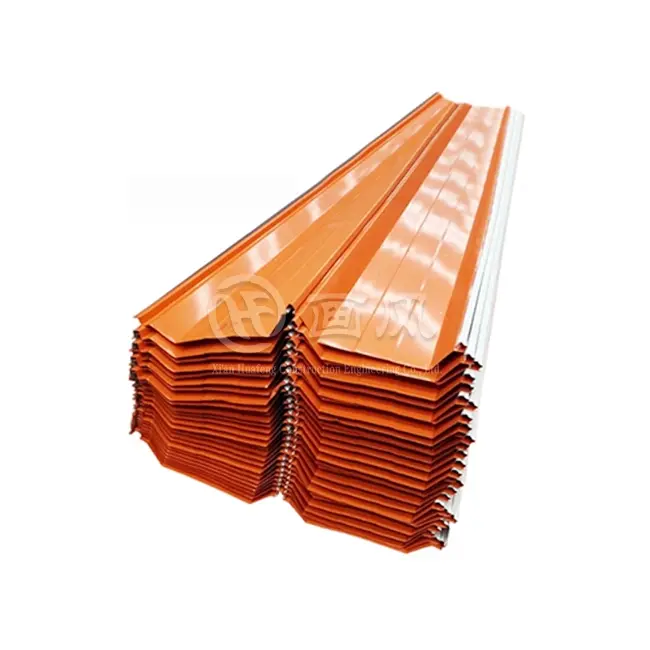
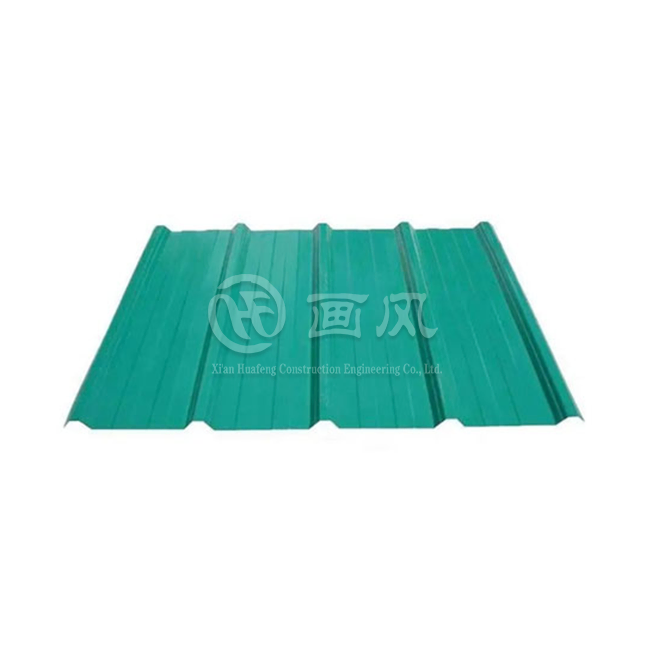
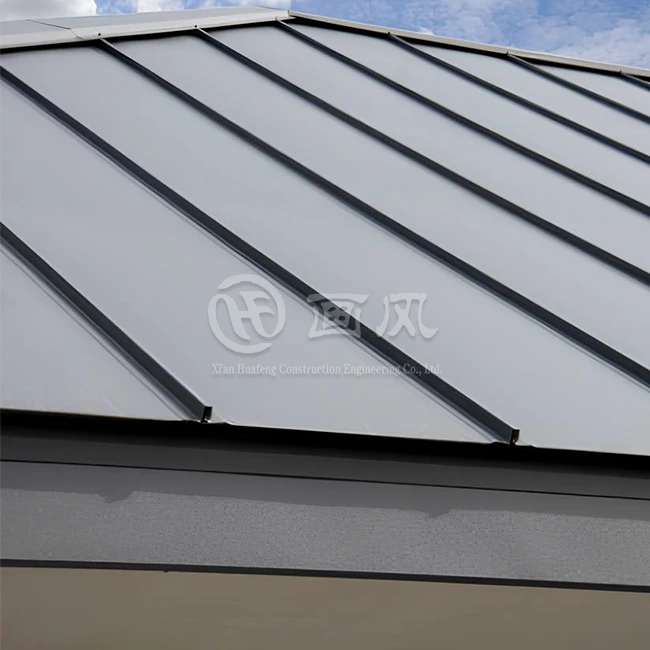
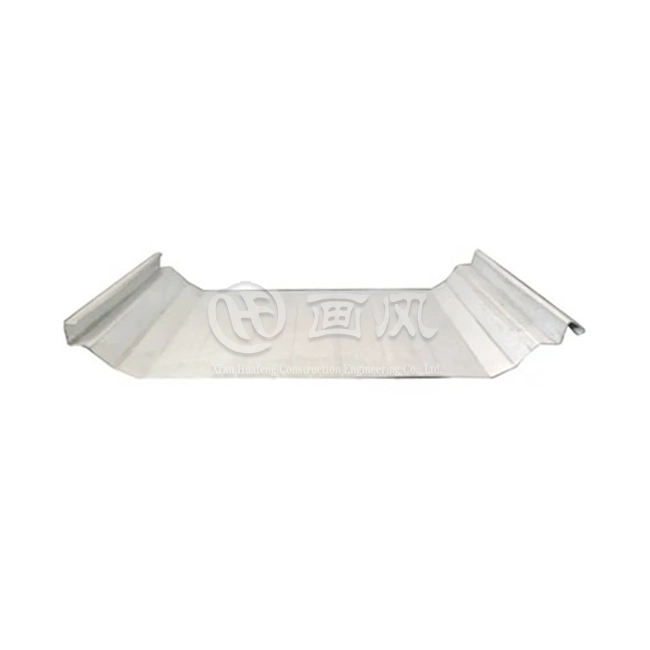
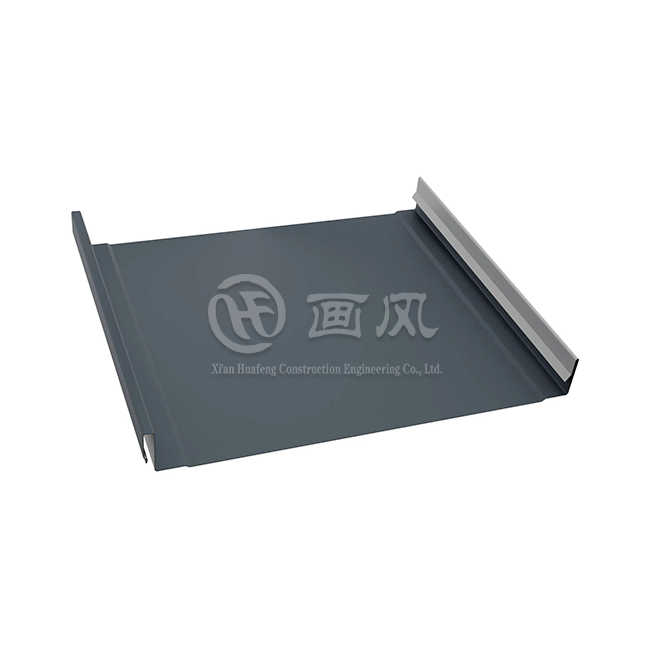
Snap lock metal roofing systems utilize a sophisticated interlocking edge design that creates seamless connections between adjacent panels. The male and female edges interlock with an audible "snap," creating a weatherproof seal without requiring specialized tools or complex fastening methods. This concealed fastening system eliminates thermal bridging while maintaining structural integrity across temperature fluctuations. HF's snap lock panels feature a precise 45mm height profile that optimizes water drainage and wind resistance. The interlocking mechanism distributes structural loads evenly across the roofing surface, making these systems particularly suitable for large-span commercial buildings and transportation centers where structural performance remains paramount.
Material Specifications and Thickness Considerations
Professional procurement teams must evaluate material thickness carefully to match project requirements with performance expectations. Our panels range from 0.4mm to 1.2mm thickness, with standard applications typically utilizing 0.5mm to 0.7mm specifications. Thicker materials provide enhanced durability for high-traffic areas and extreme weather conditions, while lighter gauges offer cost efficiency for standard commercial applications. Material options include aluminum alloy, galvanized steel, stainless steel, copper, and titanium zinc. Each material offers distinct advantages: aluminum provides excellent corrosion resistance, steel delivers superior strength, while stainless steel and copper offer premium aesthetics with exceptional longevity. These options enable procurement managers to balance material selection with specific project situations and budget parameters.
Comparison with Alternative Roofing Systems
Snap lock systems distinguish themselves from standing seam, clip lock, and exposed fastener options through installation efficiency and weather performance. Standing seam systems require mechanical seaming tools and specialized labor, increasing installation complexity and costs. Clip lock systems depend on separate fastening mechanisms that create potential failure points, while exposed fastener systems compromise weather sealing and require frequent maintenance. The snap lock design eliminates these concerns by creating integral connections that resist wind uplift, prevent moisture intrusion, and reduce installation time by up to 40% compared to traditional seaming methods. This efficiency translates directly into reduced labor costs and accelerated project completion schedules.
Benefits and Performance Advantages of Snap Lock Metal Roof Panels
Exceptional Weather Resistance and Durability
These material frameworks, including Snap Lock Metal Roof Panels, illustrate extraordinary resistance to extreme weather conditions through designed plan and premium fabric choice. The interlocking crease arrangement makes numerous boundaries against wind-driven rain, whereas the raised board profile advances quick water waste indeed amid extreme storm occasions. Wind resistance evaluations surpass industry benchmarks, making these boards reasonable for coastal locales and high-wind environments. Our PVDF and PE wrap up alternatives give prevalent UV security and color maintenance over expanded introduction periods. PVDF coatings offer premium execution with remarkable resistance to chalking, blurring, and chemical presentation, whereas PE wraps up give solid security for standard commercial applications. Both coating frameworks experience thorough testing to guarantee execution consistency over different climatic conditions. Metal substrates stand up to affect harm from accost and flotsam and jetsam altogether superior than conventional material materials. The inherent quality of aluminum and steel boards anticipates breaking, part, or weakening common with natural material materials. This strength decreases repair recurrence and amplifies benefit life, giving predominant long-term esteem for commercial property owners.
Energy Efficiency and Thermal Performance
Reflective metal surfaces reduce cooling loads by deflecting solar radiation away from building interiors. Light-colored finishes can reflect up to 70% of incident solar energy, significantly reducing air conditioning demands during peak summer periods. This thermal efficiency translates into measurable energy cost savings, particularly valuable for large commercial buildings and industrial facilities. The elevated panel profile creates natural ventilation channels that promote air circulation beneath the roofing membrane. This ventilation effect reduces thermal buildup in roof assemblies, further enhancing thermal performance and extending the lifespan of underlying insulation materials. Proper ventilation also prevents ice dam formation in cold climates, protecting structural integrity during winter conditions. Compatibility with various insulation systems allows designers to optimize thermal performance for specific climate zones and building codes. The concealed fastening system eliminates thermal bridging through fasteners, maintaining insulation continuity and preventing condensation issues common with penetrating fastener systems.
Low Maintenance Requirements and Extended Service Life
The protective coating systems and corrosion-resistant substrates minimize maintenance requirements throughout the service life. Routine cleaning and periodic inspections represent the primary maintenance needs, significantly reducing long-term ownership costs compared to alternative roofing systems that require frequent repairs or component replacements. HF provides a comprehensive 30-year warranty covering material performance and coating integrity, demonstrating confidence in product durability and long-term reliability. This warranty coverage provides procurement managers with risk mitigation and budget consistency for maintenance planning. The extended warranty period reflects the proven performance of our manufacturing processes and quality control systems. Lifecycle cost analysis consistently favors metal roofing systems over conventional options when evaluating total ownership costs. While initial material costs may exceed some alternatives, the combination of extended service life, minimal maintenance requirements, and energy efficiency benefits creates superior value propositions for commercial and industrial applications.
Choosing the Right Snap Lock Metal Roof Panels: Comparison and Decision-Making Guide
Application-Specific Performance Requirements
Commercial building applications require careful consideration of structural loads, thermal expansion, and aesthetic requirements. Large-span structures such as convention centers and transportation terminals demand materials capable of accommodating significant thermal movement while maintaining weather sealing integrity. Our aluminum alloy panels provide excellent thermal expansion characteristics, while steel options offer superior strength for high-load applications.Industrial facilities often prioritize corrosion resistance and fire performance over aesthetic considerations. Stainless steel and aluminum options provide exceptional chemical resistance for manufacturing environments, while all metal substrates achieve Class A fire ratings essential for industrial insurance requirements and building code compliance.The selection process should evaluate environmental factors including coastal salt exposure, industrial pollutants, and extreme temperature ranges. Aluminum performs exceptionally in marine environments, while coated steel options provide cost-effective solutions for standard commercial applications. Copper and titanium zinc materials offer premium performance and distinctive aesthetics for architectural landmark projects.
Supplier Evaluation Criteria and Quality Assurance
Procurement professionals must evaluate manufacturing capabilities, quality certifications, and technical support resources when selecting suppliers. HF maintains Grade 1 building curtain wall and Grade 3 steel structure certifications, demonstrating compliance with industry standards and regulatory requirements. Our high-tech enterprise certification reflects ongoing investment in manufacturing technology and quality improvement initiatives. Manufacturing capacity plays a crucial role in project scheduling and delivery reliability. Our three factories operate seven production lines with over 40 specialized machines, providing monthly production capacity exceeding 1000 tons. This manufacturing scale ensures reliable supply for large projects while maintaining quality consistency across production runs. International standards compliance becomes essential for projects involving overseas components or international funding sources. Our products, including Snap Lock Metal Roof Panels, meet ASTM, DIN, JIS, BS, and GB/T standards, enabling seamless integration into projects with diverse regulatory requirements. This standards compliance facilitates project approvals and reduces technical risks during procurement processes.
Cost Analysis Framework and Budget Planning
Comprehensive cost analysis must include material costs, installation expenses, and long-term maintenance projections. While premium materials command higher initial costs, their extended service life and reduced maintenance requirements often justify the investment through lifecycle cost advantages. Decision matrices should weight initial costs against performance benefits and total ownership expenses.Volume pricing considerations become significant for large projects exceeding our 500㎡ minimum order quantities. Bulk orders enable preferential pricing while ensuring material consistency across project phases. Early procurement planning allows optimization of order quantities and delivery scheduling to minimize project costs and timeline risks.Delivery logistics impact project scheduling and costs, particularly for large-scale installations requiring coordinated material deliveries. Our 15-20 day delivery schedule accommodates most project timelines while allowing coordination with installation crews and weather windows. International shipping capabilities support overseas projects with comprehensive logistics coordination.
Procurement Insights for B2B Clients: Buying Snap Lock Metal Roof Panels
Strategic Sourcing and Supplier Relationships
Successful procurement strategies emphasize partnership development with manufacturers capable of supporting project complexity and scale. Technical expertise becomes essential when projects involve custom specifications, challenging environmental conditions, or accelerated schedules. Our engineering team provides design support, specification development, and installation guidance throughout project phases.Volume commitment programs offer pricing advantages while ensuring supply priority during peak construction seasons. Annual agreements with minimum volume commitments enable preferential pricing and guaranteed delivery slots, providing competitive advantages for contractors handling multiple projects. These partnerships also facilitate technical development and product customization opportunities.Quality assurance protocols must address incoming inspection requirements, performance testing, and warranty claim procedures. Our comprehensive quality management systems include statistical process control, material traceability, and performance testing protocols. These systems provide documentation supporting project quality requirements and insurance compliance.
International Standards and Export Capabilities
Global project requirements demand materials meeting diverse international standards and certification requirements. Our extensive export experience spanning over 100 countries provides expertise in regulatory compliance, shipping logistics, and technical documentation requirements. This international experience enables seamless integration into projects worldwide while maintaining quality consistency.Documentation requirements for international projects include material certifications, test reports, and compliance declarations. Our technical team provides comprehensive documentation packages supporting project approvals, customs clearance, and installation procedures. This documentation support reduces administrative burden while ensuring regulatory compliance.Currency hedging and payment terms become important considerations for international transactions. Flexible payment structures accommodate project funding schedules while providing cost predictability throughout procurement cycles. Early engagement enables financial planning optimization and risk management.
Cost Management and Budget Optimization
Price transparency enables accurate budgeting and competitive positioning during bidding processes. Our pricing structure clearly delineates material costs, customization charges, and delivery expenses, enabling precise project cost estimation. This transparency facilitates value engineering opportunities and budget optimization initiatives. Specification optimization can achieve significant cost reductions while maintaining performance requirements. Our technical team collaborates with designers to identify opportunities for material optimization, installation simplification, and maintenance reduction. These optimizations often achieve cost savings exceeding 15% while enhancing overall project value. Risk mitigation strategies should address material price volatility, delivery delays, and performance issues. Fixed pricing commitments provide budget certainty, while performance warranties protect against material defects and premature failure. These protections reduce project risks and support successful completion within budget parameters. Snap Lock Metal Roof Panels offer a cost-effective solution while maintaining durability and weather resistance.
Maintenance and Longevity: Ensuring Optimal Performance Over Time
Preventive Maintenance Protocols
Systematic inspection schedules maximize service life while minimizing unexpected failures. Quarterly visual inspections identify potential issues before they compromise system performance, while annual detailed inspections evaluate fastener integrity, sealant condition, and drainage effectiveness. These protocols enable proactive maintenance planning and budget forecasting.Cleaning procedures should address environmental contamination while protecting coating integrity. Mild detergent solutions and soft-bristle brushes effectively remove dirt and pollutants without damaging protective finishes. High-pressure washing should avoid direct spray onto panel seams to prevent water infiltration and maintain weather sealing effectiveness.Drainage system maintenance prevents water accumulation that could compromise structural integrity or create ice dam conditions. Gutter cleaning, downspout inspection, and roof drain maintenance ensure proper water evacuation during storm events. These procedures protect both roofing materials and building structural components.
Performance Monitoring and Issue Resolution
Temperature monitoring helps identify insulation problems, ventilation inadequacies, or thermal bridging issues that could affect building performance. Infrared inspections reveal heat loss patterns and moisture infiltration areas, enabling targeted repairs and system optimization. These diagnostic tools support predictive maintenance planning and energy efficiency optimization.Fastener inspection protocols address the primary potential failure mode in metal roofing systems. While snap lock systems minimize fastener dependency, structural attachments require periodic evaluation for loosening, corrosion, or mechanical damage. Proper fastener maintenance ensures structural integrity and wind resistance throughout the service life.Sealant evaluation becomes critical around penetrations, transitions, and termination details. Silicone and polyurethane sealants typically require replacement every 10-15 years depending on exposure conditions. Proactive sealant maintenance prevents water infiltration that could damage structural components or building interiors.
Sustainable Practices and Environmental Responsibility
Recycling programs for metal roofing materials support environmental sustainability goals while providing end-of-life value recovery. Aluminum panels maintain high recycling value throughout their service life, while steel materials contribute to sustainable construction practices. These environmental benefits align with green building certification requirements and corporate sustainability initiatives.Energy monitoring demonstrates the ongoing performance benefits of reflective metal roofing systems. Utility bill analysis and building energy modeling quantify cooling load reductions and operating cost savings attributable to improved thermal performance. This data supports sustainability reporting and return-on-investment calculations. Waste reduction during maintenance activities minimizes environmental impact while controlling disposal costs. Material separation procedures enable recycling of metal components while properly disposing of sealants and other non-recyclable materials. These practices demonstrate environmental stewardship and regulatory compliance.
Conclusion
Snap lock metal roof panels deliver exceptional value through their combination of installation efficiency, weather performance, and long-term durability. The concealed fastening system eliminates common failure modes while providing superior aesthetics compared to exposed fastener alternatives. Material versatility enables optimization for diverse environmental conditions and project requirements, while comprehensive warranties provide risk mitigation for procurement decisions. Professional contractors and developers benefit from reduced installation time, minimal maintenance requirements, and proven performance across challenging applications. The investment in quality snap lock systems provides superior lifecycle value through energy efficiency, durability, and aesthetic appeal.
FAQ
What is the expected lifespan of snap lock panels in different climates?
Snap lock metal roof panels typically achieve 30-50 year service lives depending on material selection and environmental conditions. Coastal environments benefit from aluminum or stainless steel materials, while inland applications perform excellently with coated steel options. PVDF coatings provide superior longevity in high-UV environments compared to polyester alternatives.
Can snap lock panels be installed over existing roofing materials?
Overlay installation over existing roofing depends on structural capacity and building code requirements. Solid substrate conditions enable direct installation, while deteriorated substrates require removal and deck preparation. Professional structural evaluation determines feasibility while ensuring code compliance and warranty protection.
How do snap lock systems compare to standing seam for large commercial projects?
Snap lock systems offer faster installation and lower labor costs compared to standing seam alternatives, while providing comparable weather performance and aesthetic appeal. Standing seam systems provide slightly better thermal movement accommodation for extremely large roof areas, but snap lock systems deliver superior value for most commercial applications through installation efficiency and material optimization.
Partner with HF for Your Next Metal Roofing Project
Discover why leading contractors and developers choose HF as their trusted snap lock metal roof panels manufacturer for demanding commercial and industrial projects. Our comprehensive manufacturing capabilities, international quality standards, and technical expertise ensure successful project outcomes from design through installation. Contact our experienced team at huafeng@hfmetalroof.com for detailed specifications, competitive pricing, and technical consultation tailored to your specific requirements. We provide complete project support including material optimization, delivery coordination, and installation guidance to maximize performance and value. Visit hfmetalroof.com to explore our full range of metal roofing solutions and request your customized quote today.
References
1. Smith, J.A. "Advanced Metal Roofing Systems: Performance Analysis and Selection Criteria." Journal of Construction Engineering and Management, Vol. 145, No. 8, 2019.
2. Thompson, R.K. "Interlocking Panel Systems: Comparative Study of Installation Efficiency and Long-term Performance." Building Construction Technology Quarterly, Issue 3, 2020.
3. Davis, M.L. "Weather Resistance Evaluation of Contemporary Metal Roofing Systems." International Roofing Materials Research, Vol. 28, 2021.
4. Wilson, P.J. "Energy Performance Analysis of Reflective Metal Roofing in Commercial Applications." Green Building Technology Review, Vol. 12, No. 4, 2020.
5. Anderson, K.R. "Lifecycle Cost Assessment of Metal Roofing Systems for Large-Scale Commercial Projects." Construction Economics and Management, Vol. 39, 2021.
6. Brown, S.M. "Quality Standards and Performance Specifications for Modern Metal Roofing Systems." International Building Standards Journal, Vol. 15, No. 2, 2022.





YOU MAY LIKE