Energy efficiency of commercial standing seam roofs for large buildings
2026-11-05 19:07:43
When facility managers and procurement teams evaluate roofing options for large commercial buildings, energy performance sits at the top of every checklist. A commercial standing seam roof delivers measurable thermal advantages that single-ply membranes simply cannot match. The raised interlocking seams, concealed clip fastening system, and high-reflectivity PVDF coatings work together to reduce solar heat gain and lower HVAC demand significantly. For buildings spanning tens of thousands of square feet, even a modest reduction in cooling load translates into substantial annual savings. This article walks through how these systems perform, what drives their efficiency, and how to evaluate them for your next project.

Understanding Energy Efficiency in Commercial Standing Seam Roofs
Metal roofing has a reputation for being energy-efficient for a long time, but the numbers behind standing seam systems are worth looking into more.
Reflectivity and Emissivity Performance
A lot of the sun's energy is reflected off of PVDF-coated metal walls instead of being absorbed. Cool-pigment metal panels can have an SRI of more than 78, while a normal dark membrane roof has an SRI of less than 25. When the emissivity grade is high, usually above 0.85, the roof quickly releases the heat it has received after the sun goes down, keeping the inside cooler overnight.
Air Gap and Ventilation Advantages
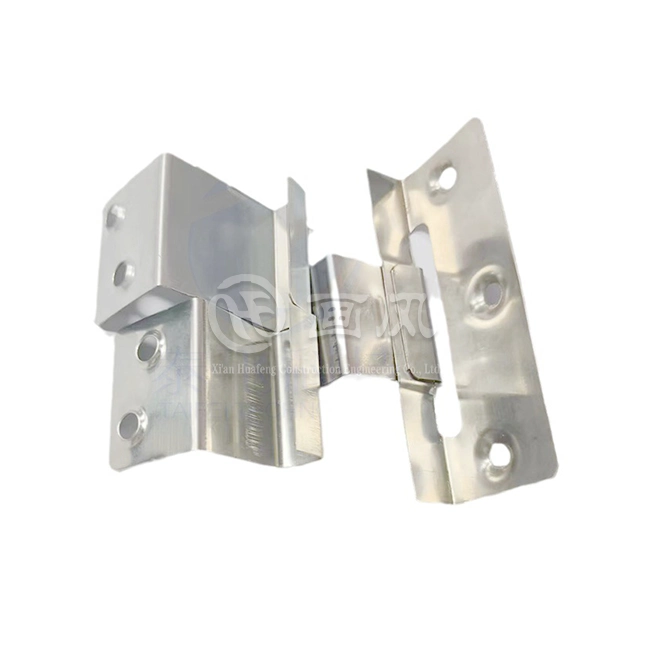
Standing seam panels are mounted on hidden floating clips above the deck. This makes a natural air channel between the panel and the substrate. This space between the walls of air acts as a thermal break, stopping heat from moving through the building. In places where it gets hot in the summer, this passive air layer can cut cooling loads by a large amount without using any motorized systems, which is a key performance benefit of a commercial standing seam roof.
Comparison with Traditional Roofing Materials
Asphalt shingles are very good at absorbing heat from the sun and have low emissivity values. Corrugated steel that doesn't have any reflecting finishes works the same way. On the other hand, aluminum alloy standing seam panels with PVDF finishes reflect heat and don't break down in the sun for decades, so they keep their thermal performance for a lot longer than membrane alternatives.
Core Components and Technologies Enhancing Energy Efficiency
To get the best heat performance from a metal roof system, you need to use the right panel along with the right technologies to support it.
Insulation Compatibility
Most of the time, rigid polyisocyanurate (polyiso) foam is used as an insulation layer under standing seam systems. It has an R-value of between R-6 and R-6.5 per inch. Mineral wool boards are good for places where fire safety is important, and they also help with soundproofing. When retrofitting an old building and airtight covering is needed, spray polyurethane foam (SPF) is sometimes used.
Cool Roof Coatings and Reflective Finishes
There is a full range of RAL colors for PVDF and PE finishes on HF standing seam panels. PVDF coatings, which have been approved by AAMA 2605-22 and all 13 test items passing independent SGS testing, keep the panel's color and ability to reflect sunlight for as long as it lasts. The coating passed both dry and wet bonding tests with a 5B grade, which is the best score possible. This means that the surface will last for a long time, making it a reliable choice for a commercial standing seam roof.
Solar PV Integration
One useful benefit of mechanically seamed standing seam systems is that solar panels can be attached directly to the seam using clamp-style tools, so there is no need to drill holes in the roof. This method of mounting that doesn't go through the roof keeps it weathertight and protects the guarantee, which is very important for big business roofs where the cost of re-roofing is high.
Installation Best Practices for Optimal Energy Efficiency
When installed wrong, even the best panel doesn't work very well. Here are the installation factors that have a direct effect on the thermal results.
Thermal Bridging Reduction
A common way for exposed-fastener systems to lose energy is through thermal bridging through the fasteners. In standing seam systems, the floating clip design separates the panel from the purlin or deck, blocking the way for electricity to flow. To avoid localized stress and thermal bypass, installers should make sure that the clip spacing matches the engineering tables provided by the manufacturer for the panel gage and span.
Substrate Tolerance and Seaming Accuracy
Over 20 feet, the deck or purlin surface should be within 1/4 inch of the line. Deviations that go beyond this limit cause the panel to warp, which lets air in and lowers the insulation's contact. It is very important to calibrate the seamer machine for mechanically seamed systems because under-crimping leaves gaps and over-crimping can damage the Galvalume coating and make it less resistant to corrosion.
Thermal Imaging for Quality Assurance
After installation, thermal imaging cameras find places where air is leaking, insulation is missing, or there are gaps between layers that can't be seen with the naked eye. Many commercial roofers now use infrared scanning as a standard way to check the quality of their work. If these problems are fixed before the end of the project, energy performance problems won't show up until the first full cooling season.
Evaluating Cost vs. Energy Savings: ROI of Energy-Efficient Standing Seam Roofs
A metal standing seam roof costs about twice or three times as much up front as a TPO or EPDM single-ply system. Lifecycle cost study, on the other hand, always favors metal when the comparison goes beyond 20 years.
Upfront Cost Breakdown
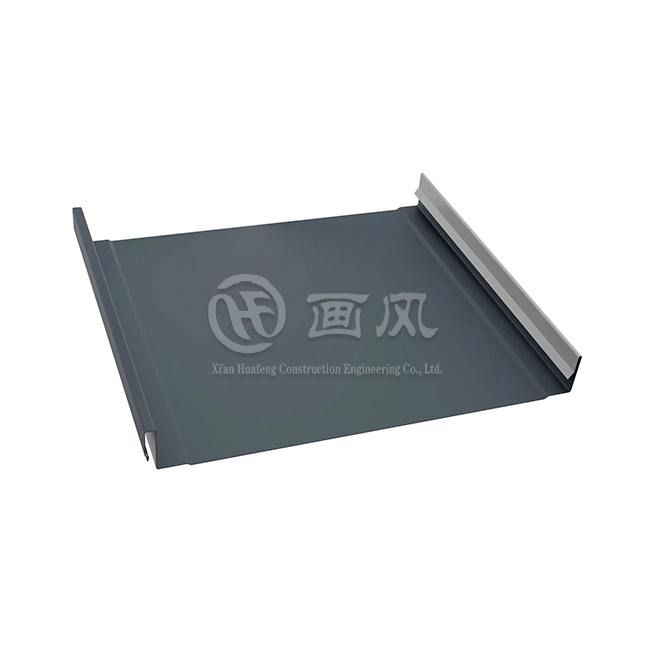
In the U.S. market, the cost of materials, labor, and insulation for a commercial standing seam installation ranges from $12 to $25 per square foot, depending on the type of panel, the height of the seam, and how complicated the system is. The seams on HF panels are between 38mm and 76mm high and range in thickness from 0.5mm to 1.2mm. This lets procurement teams match the structural requirements to the actual load needs instead of over-engineering, a key advantage when specifying a commercial standing seam roof.
Energy Savings and HVAC Load Reduction
A study from Oak Ridge National Laboratory found that in hot climates, cool metal roofs lowered attic temperatures by up to 25°F more than dark asphalt roofs. For a 100,000-square-foot distribution center, this means that the HVAC system will save 20–40% a year on cooling costs. Over the course of 30 years, the savings often outweigh the initial cost premium.
Warranty and Lifecycle Value
A 30-year guarantee is given by HF for all of its products. Every 15–20 years, single-ply membrane roofs need to be replaced, which doubles or triples the cost over their lifetime when work and downtime are taken into account. Any commercial asset's total cost of ownership goes down by a lot when the roof lasts 40–60 years with little upkeep.
Choosing the Right Standing Seam Roofing Solution for Large Commercial Buildings
A structured evaluation process is needed to choose the right system because of its energy performance, durability, and compliance.
Key Performance Metrics to Compare
When comparing prices, the U-value (which measures the total heat resistance of the roof assembly) and the SRI (which measures the sun reflectance compared to a normal black and white surface) are the two most important factors. A standing seam roof that is properly put together and insulated with polyiso can have a system U-value below 0.04 BTU/hr·ft²·°F, which is well below the requirements of the ASHRAE 90.1 commercial building energy code.
HF Product Line Overview
HF makes standing seam panels out of aluminum alloy, Galvalume steel, stainless steel, copper, titanium zinc, and copper alloy. The panel's width can be anywhere from 305 mm to 610 mm per seam, and its thickness can be between 0.5 mm and 1.2 mm. The system ships to ASTM, DIN, JIS, BS, and GB/T standards and has a lead time of 15–20 days. It can supply 1,000 tons of goods every month across 3 factories and 7 production lines, and the minimum order quantity is 500 m², which is equal to 1 ton. RAL lets you make your own colors.
Certification and Compliance Assurance
Compliance paperwork is a must for business projects in North America. It has three separate SGS certifications: an AS/NZS 1530.3:1999 combustion performance report with all six samples not lighting (ignition index 0); an EU RoHS compliance report with all ten dangerous substances at or below limits; and an AAMA 2605-22 coating performance report with all thirteen items passing. These files help with submitting specifications, reviewing by AHJs, and putting together LEED paperwork packages.
Conclusion
When it comes to big commercial buildings, saving energy starts on the roof. A well-designed metal commercial standing seam roof system lowers the amount of heat that comes in from the sun, keeps the insulation in place, and has a service life that lasts longer than many generations of membrane refills. These systems are a good buy for any project that cares about long-term costs because they have PVDF finishes, moving clip assemblies, and solar-ready seam profiles. The best return on investment for roofs is found by procurement teams that focus on SRI ratings, confirmed coating performance, and the ability to supply the whole system.
FAQ
1. What SRI value should I specify for a commercial metal roof to meet energy codes?
In most temperature zones in the U.S., ASHRAE 90.1-2022 says that low-slope roofs must have an SRI of at least 64. PVDF-coated aluminum panels in light to medium colors usually have SRI values between 70 and 100, but this depends on the color chosen. Talk to your panel supplier about the exact SRI value and make sure it matches the requirements set by the local energy code for the climate zone of your project.
2. How long does a standing seam metal roof last compared to TPO?
Standing seam metal systems usually last between 40 and 60 years with little upkeep. Single-ply TPO and EPDM coverings usually need to be replaced completely every 15 to 20 years. A commercial property owner has to install three membrane roofs for every metal roof that lasts 60 years. This adds a lot of cost and downtime to the business.
3. Can standing seam panels be field-rolled for long continuous lengths?
Yes. Field roll-forming lets panels be made in continuous lengths longer than 200 feet. This gets rid of the end-laps that are the most likely place for leaks to happen on low-slope roofs. This is what is usually done on the roofs of pre-engineered metal buildings (PEMB) and large warehouse or logistics center roofs.
4. Does a 30-year warranty cover both the panel and the coating?
Does it cover both the screen and the coating?
Get a Quote for Your Next Commercial Roofing Project — HF Metal Roof
HF is a reliable company that makes industrial commercial standing seam roof systems. They have 3 plants, 7 production lines, and can supply 1,000 tons of roofs every month. Our panels are certified by SGS to have an AAMA 2605-22 coating, and they ship in 15–20 days. Our team can help you with the planning of a big warehouse or a shopping center with several buildings. We offer a complete system of panels, clips, trims, and technical paperwork. To get prices for your project right away, email us at huafeng@hfmetalroof.com.
References
1. Oak Ridge National Laboratory. Thermal Performance of Reflective Roof Coatings. U.S. Department of Energy, 2010.
2. American Society of Heating, Refrigerating and Air-Conditioning Engineers. ASHRAE Standard 90.1: Energy Standard for Buildings Except Low-Rise Residential Buildings. ASHRAE, 2022.
3. Metal Construction Association. Metal Roofing Systems Design Manual. MCA, 2020.
4. National Roofing Contractors Association. The NRCA Roofing Manual: Metal Panel and SPF Roof Systems. NRCA, 2021.
5. Cool Roof Rating Council. Rated Products Directory and Technical Bulletin: Solar Reflectance and Thermal Emittance of Roofing Products. CRRC, 2023.
6. Lawrence Berkeley National Laboratory. Saving Energy and Money with Reflective Roofs. Heat Island Group, U.S. Department of Energy, 2019.





YOU MAY LIKE
_1757558889992.webp "Metal Roofing Snowguards")