Best Angle Lock Standing Seam Roof Panels for High Wind Zones
2026-11-11 18:22:18
When a project sits in a hurricane corridor or a high-plains wind zone, the roofing system carries the entire building's weather defense. Angle lock standing seam roof panels answer that challenge directly. Their mechanically seamed vertical ribs lock panel edges together without exposed fasteners, creating a continuous water barrier and transferring wind uplift loads through concealed clips directly into the structure. This guide walks procurement managers and roofing contractors through product selection, installation fundamentals, and supplier criteria so every purchasing decision is grounded in technical fact.

Understanding Angle Lock Standing Seam Roof Panels
What Makes the Angle Lock Profile Different?
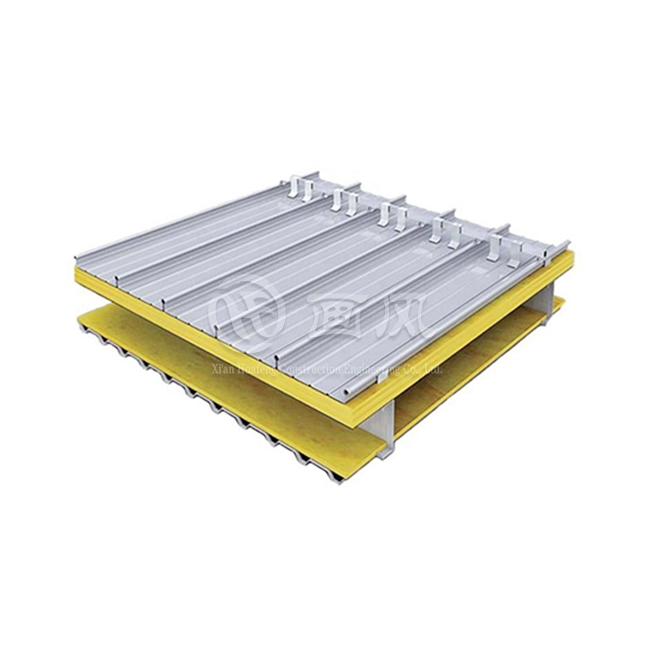
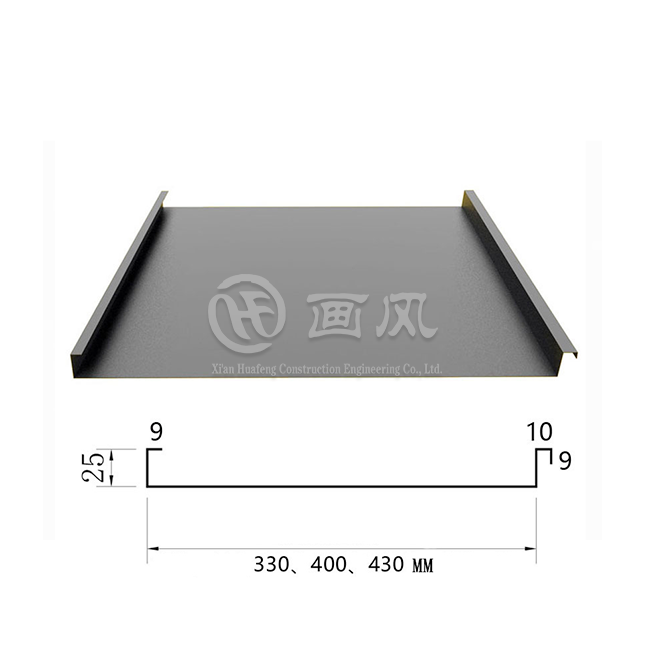
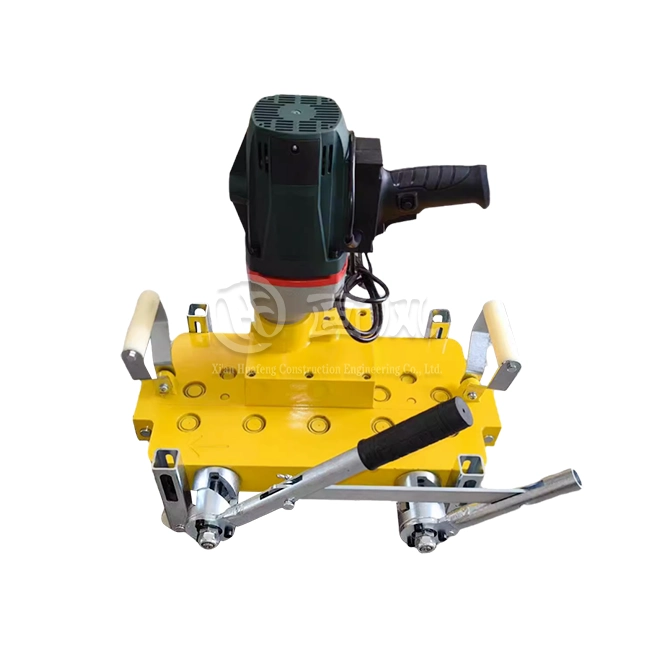
A lot of people put all standing seam goods in the same group, but on a high-wind job, the changes between profile types are very important. For a snap-lock panel, the seam is closed by pressure. For a manually seamed panel, the joint is closed with a powered seaming tool. The angle lock is in the middle of these two methods. The panel leg folds to about 90 degrees (single lock) or is driven further to 180 degrees (double lock) by a portable seaming machine. This makes a mechanically engaged joint that snap-lock systems can't make when negative pressure is applied for a long time.
Materials and Substrate Options
HF panels come in three main substrates: aluminum alloy (3004 and 5052 series) is good for coastal and corrosion-prone areas; alu-zinc steel plate AZ150 (equivalent to ASTM A792 Galvalume) is good for cost-effective long-span commercial roofs; and stainless steel is best for the harshest industrial settings. The panels are between 0.7 mm and 1.2 mm thick, and the ribs are between 50 mm and 115 mm high. When the distance between the purlins is more than 5 feet, the higher ribs act as structural girders over the open purlins.
Coating Systems That Protect Long-Term
Here are the three types of finishes that HF has to offer for angle lock standing seam roof panels: normal PE (polyester), HDP (high-durability polyester), and 70% PVDF fluorocarbon coating. It was proven by SGS Guangzhou Branch testing (Report No. GZMR241003197201_CN, November 2024) that PVDF coatings tested under AAMA 2605-22 show color change below ΔE 0.3 over 20 years. All coatings come in all RAL colors and can be custom-matched, which is useful for contractors who need consistency from batch to batch across different stages of a project.
Why Choose Angle Lock Standing Seam Roof Panels for High Wind Zones?
Wind Uplift Resistance That Can Be Documented
Sideways and upward forces are sent from the panel face to hidden clips, and then from the clips to structural purlins through the mechanical seam. Because of this load path, angle lock systems are the standard for projects that need to get UL 580 Class 90 ratings. The allowable uplift pressure is measured by independent testing under ASTM E1592 (structural performance of sheet metal roof panels). Procurement managers can give this number directly to the building inspector and the project owner.
Waterproofing Under Extreme Conditions
Large amounts of water never get to the seam joint because it is 50 to 115 mm above the pan. For low-slope uses (down to 0.5:12 with a double-locked seam and sealant), the raised joint and hot-melt sealant placed at the factory inside the female leg meet the standards of both ASTM E1646 (water penetration) and ASTM E2140 (static water pressure). Since there are no through-fasteners that go through the panel itself, there are no screw holes that need to be sealed or re-sealed over the roof's lifetime.
Real-World Project Performance
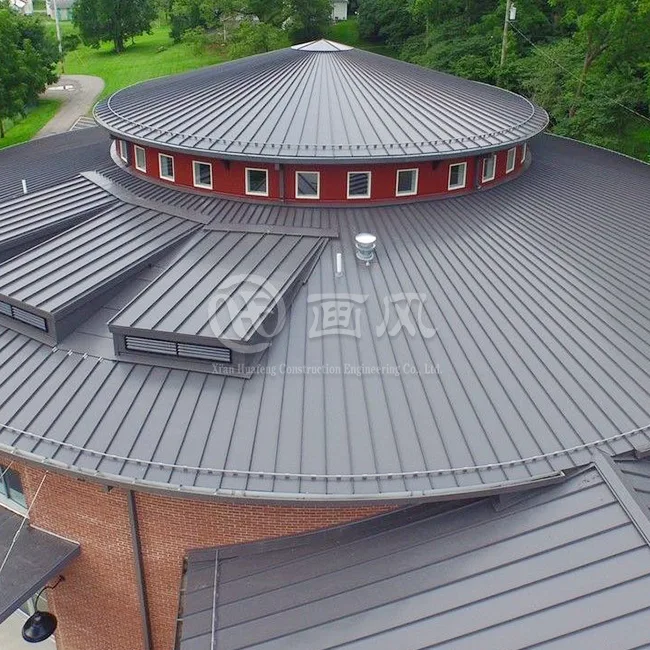
HF angle lock standing seam roof panels have been put up on big logistics centers along the Gulf Coast of the United States, on the roofs of ski resorts that get a lot of snow, and on industrial buildings along the coast of Southeast Asia. Because the panels are roll-formed up to 13 meters in one piece, there were no end-lap joints in any of them. This meant that the seams where leaks usually start were not there. Standard North American seaming tools are said to fit consistently by crews, which cuts down on rework on-site.
Installation Guide and Best Practices for Angle Lock Panels in High Wind Zones
Structural Preparation Before the First Panel Goes Down
Installations in wind zones need to have the spacing between the purlins checked, the levels of the anchors inserted checked, and the base plane checked. When panels aren't square, they leave "saw-toothing" at the ridge and eave, which means expensive recuts have to be done. Before you start seaming, make a chalk line every 10 panels, use a seam caliper to check the module width, and compare the manufacturer's technical data sheet to the clip fastener torque.
Seaming Tool Compatibility and Engagement Verification
Contractors often complain about how hard it is to get tools to work together. HF panels are made so that they can be used with standard portable electric seaming tools in North America. Use a seam measure to check the crimp sizes after sewing. Seams that aren't tight enough don't let the clips take on the full wind load. Over-crimping seams can put stress on the coating and cause tiny cracks, which shortens its useful life in the salty air near the coast. Every 500 linear feet, a mid-roof seam check finds tool calibration drift before it becomes a warranty problem.
Maintenance for Coastal and High-Corrosion Environments
Panels that have been approved by SGS EU RoHS tests (Report No. TAOPC24008450103) do not have any heavy metals that can be found that speed up galvanic corrosion at the panel interfaces. Chloride deposits can be removed from coastal projects once a year with clean water. Every three years, check the clip fastener heads at the eave and replace any that have white oxidation on them before it moves under the panel edge. Sealant at penetrations should be checked once a year and replaced every 10 years, no matter how good or bad it looks.
Making Procurement Decisions: Selecting the Best Angle Lock Standing Seam Roof Panels
Certification and Code Compliance Checklist
Before you ask for a quote, make sure the supplier can give you an ASTM E1592 report on the panel's structural performance at the width and gage you want, as well as an ASTM E1646 report on water infiltration and certification for the coating to either AAMA 2605 (PVDF) or AAMA 2604 (HDP). There are certificates for HF from ISO 9001, ISO 14001, and SGS. The PVDF finish passed all 13 tests from AAMA 2605-22. Ask for the real SGS report numbers, not just the name of the certificate.
Cost, Lead Time, and Logistics Realities
The total cost of buying HF angle lock standing seam roof panels is based on the following factors:
- MOQ: 500 m², which is the same size as a single mid-sized business roof. This way, there is no need to keep extra inventory on hand for individual jobs.
- Delivery time: 15–20 days after order confirmation, which works with most U.S. project plans.
- Supply capacity: The company can supply 1,000 metric tons of color-coating per month across seven production lines, so availability during busy times is not a problem.
- Packaging: Panels are shipped overseas in crates with edge protection and moisture shields to keep them from warping during transport, which has been known to be a problem.
These factors make it easy for buying managers to plan for freight and schedules. The low long-term cost of ownership makes the case against asphalt shingles or TPO alternatives stronger with a 30-year warranty.
Evaluating Supplier Quality Assurance
The main problem builders have with foreign panels is that the colors don't always match from batch to batch. The ASTM D2244 standard is used to measure color consistency by HF. The AAMA 2605-22 test result showed ΔE = 0.3, which is well within the 1.0-unit tolerance most builders ask for. Before the shipment goes out, ask for a physical color chip from the production batch and compare it to the approved RAL reference in daylight conditions (D65). That one step gets rid of most color disagreement claims when the job is done.
Energy Efficiency and Design Features for Sustainable Roofing
Reflective Coatings and Thermal Performance
PVDF and HDP finishes in light RAL colors reflect a lot of solar radiation, which lowers the highest temperature on the roof's surface. The air space between the insulation and panel adds a useful R-value when paired with a continuous hard insulation layer above the deck. Several U.S. energy rules now allow metal roofs with tested Solar Reflectance Index (SRI) numbers to be used. To make sure your color is in compliance, ask HF for the SRI data sheet.
Solar Integration Without Penetrations
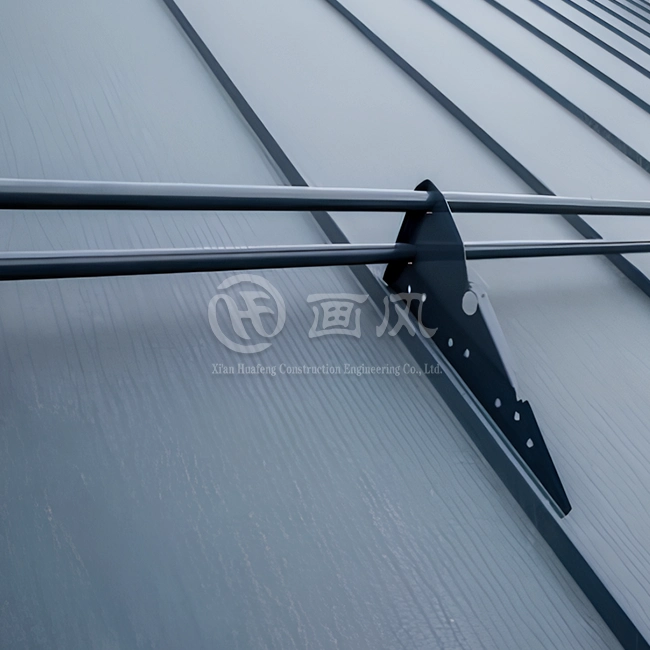
Set screws that bear on the metal rib without puncturing it hold S-5! clamps and similar hardware immediately to the standing seam. This keeps the warranty on waterproofing in place and avoids the need for a structural review that penetrating anchors require. The rib height ranges from 50 mm to 115 mm, which fits most clamp jaw sizes on the North American market.
Color and Width Customization
Designers can control the risk of oil-canning by using panels with widths between 300 mm and 600 mm. Narrower panels made of lighter gages also reduce the noticeable wavering that clients sometimes complain about in wide-span applications. The same panel system can be used for both a corporate campus with a brand color and a public building with a historically accurate finish because it can match any RAL color or be made to order in any color.
Conclusion
Choosing the right mechanically seamed panel for a project with a lot of wind is a technical choice that will cost you in the long run. Angle lock standing seam roof panels have been shown to be more resistant to uplift, have concealed fastening, and have a watertight seam profile that works better than through-fastened or snap-lock options in sustained wind events. HF panels build on that performance base by adding AAMA 2605-22-certified coatings, a 30-year guarantee, and confirmed batch color uniformity. Getting the right supplier data is the first step in making a good product catalog, whether you are a regional distributor or a contracting firm trying to make your installation crew's work more consistent. Before you put out a bid for your next project, look over the SGS test reports, make sure the codes are followed, and ask for a color sample.
FAQ
1. Are angle lock panels suitable for both residential and commercial buildings in high wind zones?
Yes. The motorized seam that meets the needs of industrial wind uplift also works on steep domestic roofs. Most homes have a single-lock (90-degree) seam on slopes above 3:12. A double-lock seam with sealant is required for commercial projects with low slopes of less than 0.5:12. The panel width and gage are changed to fit the span of the structure. Narrower panels with a heavy gage allow for longer spaces between the purlins.
2. How do I maintain wind resistance over the panel's service life?
Visual checks should be done once a year to make sure that seams don't come undone at the eaves or ridges, that clip clamps are tight, and that sealer stays in place at penetrations. Panels that are mechanically seamed don't use adhesive tapes that wear off over time; the metal-to-metal crimp stays in place forever if the seaming machine was set up correctly during installation. Under normal service conditions, there is no need to reseal.
3. How does the lifecycle cost compare to traditional roofing materials?
A metal standing seam roof with a 30-year warranty usually costs more per square foot up front than asphalt shingles or a single-ply membrane. However, asphalt shingles need to be replaced every 15–20 years in high-wind areas, and the insurance rates are higher. Under U.S. tax code Section 179D, metal roofs can also lose value faster in some energy-efficient building situations. This helps commercial owners' net capital positions.
4. What is the minimum order quantity and delivery schedule for a single project?
If you buy 500 m² from HF, you'll get it in 15–20 days. The 1,000-ton monthly production capacity allows for phased shipment schedules for bigger projects that need more than one delivery.
Get a Quote for HF Angle Lock Standing Seam Roof Panels
For your next high-wind job, you should get panels that show up on time, stay the same color from batch to batch, and come with test reports. Every package from HF comes with ISO 9001, ISO 14001, and SGS certifications, which shows that they are a reliable company that makes angle lock standing seam roof panels. To get a formal quote, email huafeng@hfmetalroof.com with the size of your project, the wind zone name, and the finish you'd like.
References
1. American Iron and Steel Institute (AISI). North American Specification for the Design of Cold-Formed Steel Structural Members. 2016.
2. Metal Construction Association (MCA). Guide Specification for Metal Roof and Wall Panel Systems. 2020.
3. National Roofing Contractors Association (NRCA). The NRCA Roofing Manual: Metal Panel and SPF Roof Systems. 2022.
4. ASTM International. ASTM E1592: Standard Test Method for Structural Performance of Sheet Metal Roof and Siding Systems by Uniform Static Air Pressure Difference. 2005 (Reapproved 2023).
5. American Architectural Manufacturers Association (AAMA). AAMA 2605-22: Voluntary Specification, Performance Requirements and Test Procedures for Superior Performing Organic Coatings on Aluminum Extrusions and Panels. 2022.
6. Florida Building Commission. Florida Building Code—Building, 8th Edition: High-Velocity Hurricane Zone Roofing Requirements. 2023.





YOU MAY LIKE