Can Angle Lock Standing Seam Roof Panels Handle Extreme Weather?
2026-11-11 18:22:15
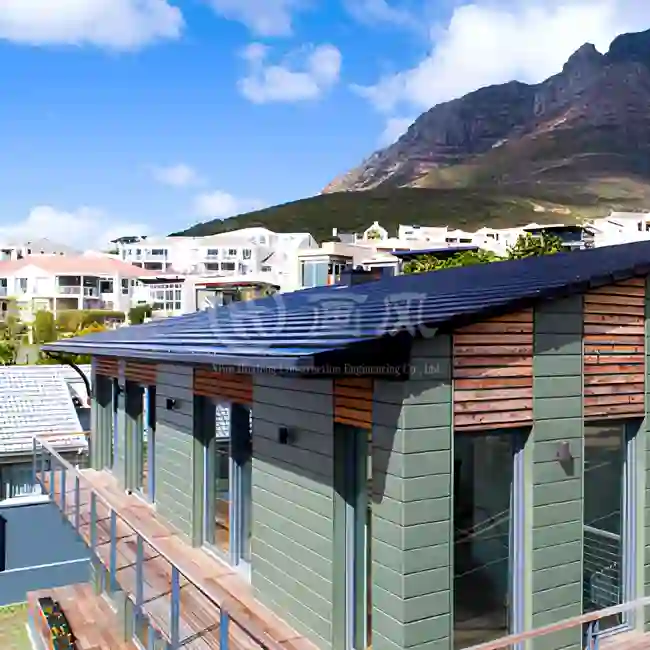
Yes — angle lock standing seam roof panels are specifically engineered to perform under the most demanding weather conditions. Their mechanically engaged seam design elevates the joint above the panel surface, keeping water, wind, and ice away from fastener points. Tested against ASTM E1592 wind uplift standards and capable of meeting UL 580 Class 90 requirements, these panels resist hurricane-force winds, heavy snow loads, hail impact, and prolonged UV exposure. For contractors and distributors across the United States, that level of documented performance translates directly into fewer callbacks, stronger warranties, and better project outcomes.

Understanding Angle Lock Standing Seam Panels and Their Weather Resistance
What Makes the Seam Design Weather-Tight?
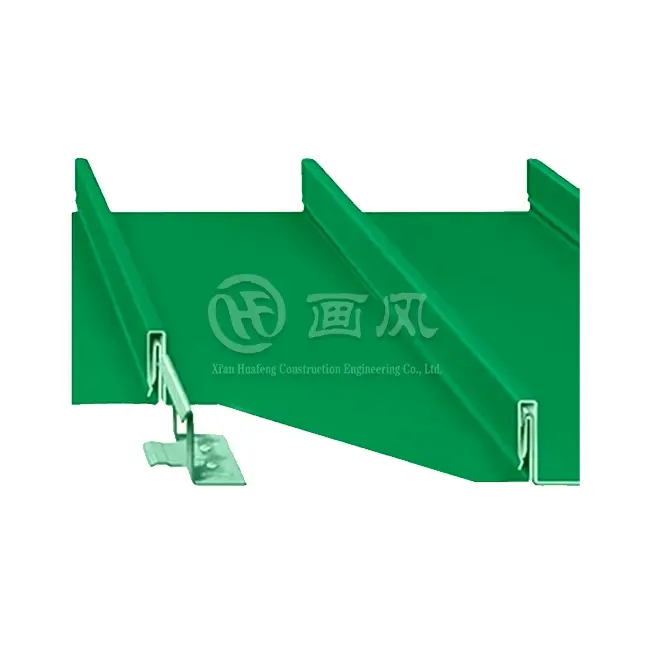
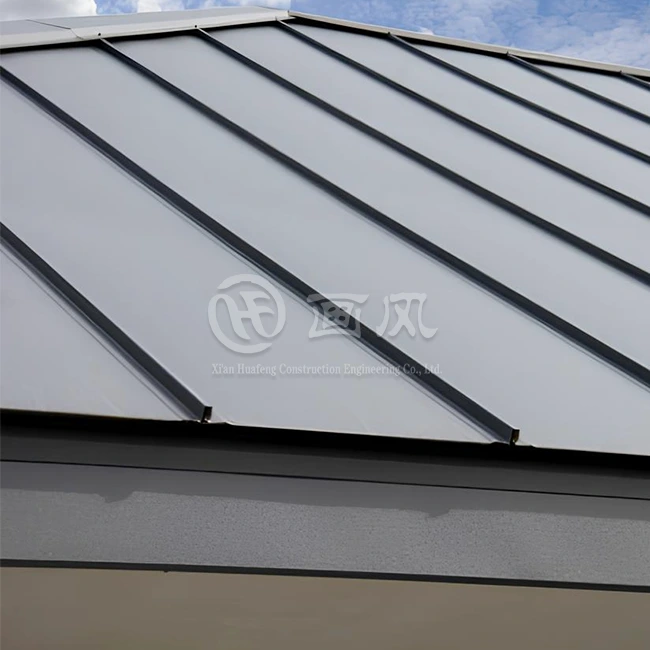
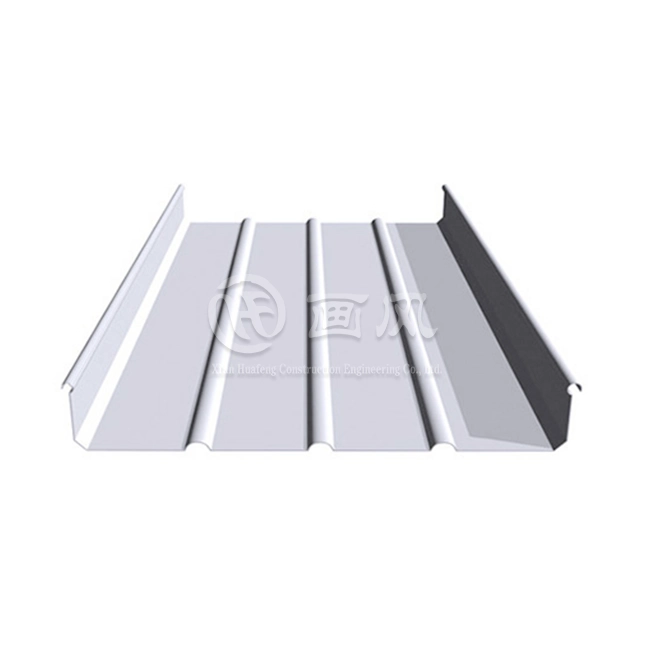
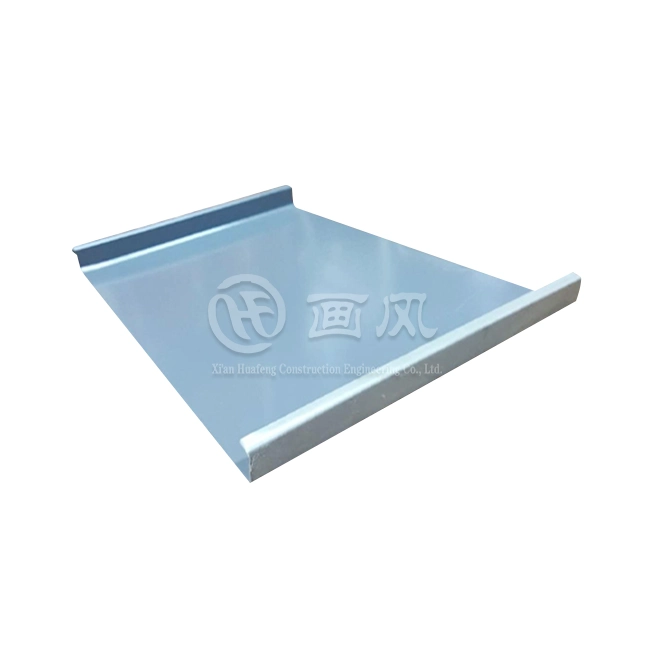
When the angle-lock profile folds the panel edge at a certain angle, usually a 90-degree single-lock or a stage between a full 180-degree double-lock, a mechanical seaming machine engages that fold against a hidden clip. The seam is 50 mm to 115 mm above the flat panel, which physically keeps the joint from getting wet. A secondary barrier is made by factory-applied sealant inside the female leg. This meets the requirements of ASTM E1646 water entry testing and ASTM E2140 hydraulic pressure testing.
Thermal Movement Without Fastener Fatigue
Traditional metal roofs that are held on by screws allow the holes in the screws to get longer as the weather changes, which can lead to leaks. Each panel can move easily along its length thanks to floating, hidden clips in a manually seamed system. HF sells panels up to 13 meters long that don't have transverse seams. These panels can stretch and shrink without putting stress on the seam or the substrate. Getting rid of end-laps also gets rid of the weakest point in most low-slope assemblies.
Material and Coating Selection for Harsh Climates
HF makes these angle lock standing seam roof panels out of stainless steel, aluminum alloy 3004/5052, and AZ150 alu-zinc steel. Each is good for a different level of exposure. After finishing, you can choose from PE, HDP, or a 70% PVDF covering. The PVDF line is tried under AAMA 2605-22 and achieves a color change of ΔE = 0.3 over the test cycle as well as 0T bend flexibility with no cracking. The PVDF-coated aluminum option has a significantly longer service life in coastal and industrial settings where chemical fallout and salt spray speed up corrosion.
Comparing Metal Seam Systems for Extreme-Weather Projects
Angle Lock vs. Snap Lock
The pressure between snap-lock plates is what makes them click together, not a mechanism. Friction links are faster to put in place on projects with steep slopes, but they lose their grip when there is constant negative wind pressure. Mechanically seamed panels, including angle-lock types, consistently outperform snap-lock panels in ASTM E1592 tests when it comes to wind uplift resistance. This makes them the best choice for any project where local code needs verified uplift ratings.
Angle Lock vs. Traditional Shingle Roofing
When used in normal conditions, asphalt shingles last about 15 to 20 years. A HF mechanically seamed steel or aluminum roof comes with a 30-year guarantee and, according to data from the field, should last at least 50 years if it is properly kept. The continuous metal surface not only lasts longer, but it also better reflects solar radiation, which lowers cooling loads in warm U.S. climates. This is a clear energy-efficiency benefit over granule-surfaced shingles.
Angle Lock vs. Tape Seal and Other Specialty Systems
Tape-seal panels work well in controlled factory roof settings, but over time, they depend on the glue staying strong. In places where it freezes and thaws a lot, sticky ties can break down. The mechanical angle-lock system keeps its seal through metal-to-metal engagement instead of any glue. This gives it a level of structural redundancy that tape-based systems can't match in snowy alpine climates or the northern U.S.
Installation and Maintenance Best Practices
Getting the Seam Right the First Time
Everything depends on the angle lock standing seam roof panels seam geometry. A seam caliper check against the technical data sheet from the manufacturer confirms that the crimp sizes fully transfer wind loads to the hidden clips. To avoid saw-toothing, where panels move out of line over time, the module width must stay square across the roof run. Standard mechanical seamers can be used with HF's panels, and the company gives technical paperwork to help field teams with planning and the first run of installation.
Routine Inspection Checklist
Inspections once a year find problems before they lead to water damage claims. After every big storm, walk around on the roof and look for:
- Seam disengagement at valleys or hips where geometry changes abruptly
- Coating abrasion near penetrations, flashings, and snow-guard attachment points
- Debris accumulation in gutters and low-slope zones, which raises effective water depth against the seam
Most of the standing seam performance problems seen in forensic assessments after a storm can be traced back to these three areas.
By taking care of these things once a year, you keep the roof within the warranty's terms and avoid the kind of neglect that cancels the guarantee.
Coating Maintenance and Spot Repair
To get rid of industrial fallout and biological growth, PVDF-coated panels only need to be washed every so often with a mild detergent that has been proven to be suitable by AAMA 2605-22 detergent resistance tests. PE and HDP finishes both use low-maintenance methods that are similar. If hail or an impact damages a panel section mechanically, individual panels can be changed without affecting the lines next to them. This keeps repair costs low and downtime short.
Procurement Considerations for B2B Buyers
Certifications That Matter on U.S. Projects
Managers in charge of buying things should make sure that any supplier's product paperwork includes records of ASTM compliance as well as standard ISO registration. There are certificates for HF from ISO 9001, ISO 14001, and SGS. The PVDF coating line has also been checked by a third party under AAMA 2605-22. The SGS combustion report for the 3003H24 aluminum substrate showed that none of the six samples ignited, that the ignition index was zero, and that the flame spread index was zero. This information is directly relevant to commercial project submissions in places where fire ratings are needed.
Managing MOQ, Lead Time, and Color Consistency
HF's minimum order quantity is 500 m², which is the right amount for a single mid-sized commercial roof project and stops people from ordering too much, which drives up the cost of each project. The monthly supply capacity is 1,000 tons, which helps regional distributors by giving them regular schedules for restocking. It takes 15–20 days for delivery after the order is confirmed. The color is matched to RAL standards and customer specifications, and ASTM D2244 says that PVDF batches must stay within ¥E = 0.3 of each other. This is the tightest color control level for ornamental metal coatings.
Customization for Project-Specific Requirements
The panel's width can cover an area between 300 mm and 600 mm, its thickness between 0.7 mm and 1.2 mm, and its rib height between 50 mm and 115 mm. Panels can be shipped up to 13 meters long. HF has more than 20 registered patents for its roofing system products. This means that procurement teams can get profile variations that fit local installation methods and building needs without having to make any changes in the field.
Conclusion
Angle lock standing seam roof panels have been tested and shown to be resistant to wind, water, snow, thermal movement, and UV light. With its mechanical seam design, high-performance PVDF finishes, and continuous panel lengths of up to 13 meters, this system works well both on paper and in real life. That's why HF offers a 30-year guarantee, finishes that have been tested by AAMA 2605-22, ISO 9001/14001 certification, and a 500 m² MOQ that fits the needs of real projects. For procurement teams that are in charge of several roofing projects a year, consistent quality and reliable delivery schedules are just as important as meeting specifications. HF takes care of both of these issues.
FAQ
1. What wind uplift rating can these panels achieve?
Mechanically seamed panels meeting ASTM E1592 testing protocols can qualify for UL 580 Class 90 wind uplift ratings. Specific results depend on clip spacing, panel gauge, and substrate design. Request the test report from HF when submitting project documentation.
2. What is the minimum roof slope for this panel system?
A mechanically seamed system with factory-applied sealant in the female leg can perform on slopes as low as 0.5:12 pitch. For angle-lock configurations without secondary locking, a slope of 3:12 or greater is recommended for reliable water shedding.
3. Can solar mounting hardware attach without penetrating the panel?
Yes. Non-penetrating clamps such as S-5! hardware attach directly to the standing seam via set screws, preserving the waterproofing warranty and avoiding any substrate penetration.
4. How does HF control color consistency between batches?
PVDF coating batches are tested under ASTM D2244, with a maximum allowable color deviation of ΔE = 0.3. This tolerance is among the tightest in the architectural metal coating industry and is independently verified through SGS testing.
5. What is the lead time and MOQ for HF panels?
HF's MOQ is 500 m² with a standard delivery window of 15–20 days. Supply capacity is 1,000 tons per month, supporting both single-project orders and ongoing distributor replenishment programs.
Get a Quote from HF — Your Angle Lock Standing Seam Roof Panels Manufacturer
HF makes angle lock standing seam roof panels that come in PE, HDP, and PVDF finishes and can be color-matched to RAL standards. They come with a 30-year guarantee and can be delivered in 15–20 days. We work with contractors and distributors all over the United States because we are ISO 9001/14001 and SGS certified and can supply 1,000 tons per month. For specs, test results, and a project quote, please email our team at huafeng@hfmetalroof.com.
References
1. Metal Construction Association (MCA). Technical Bulletin: Wind Uplift Resistance of Metal Roof Systems. 2022.
2. National Roofing Contractors Association (NRCA). The NRCA Roofing Manual: Metal Panel and SPF Roof Systems. 2023.
3. American Architectural Manufacturers Association (AAMA). AAMA 2605-22: Voluntary Specification, Performance Requirements and Test Procedures for Superior Performing Organic Coatings on Aluminum Extrusions and Panels. 2022.
4. ASTM International. ASTM E1592: Standard Test Method for Structural Performance of Sheet Metal Roof and Siding Systems by Uniform Static Air Pressure Difference. 2021.
5. ASTM International. ASTM E1646: Standard Test Method for Water Penetration of Exterior Metal Roof Panel Systems by Uniform Static Air Pressure Difference. 2020.
6. Oak Ridge National Laboratory. Thermal Performance of Metal Roofing Systems in U.S. Climate Zones. U.S. Department of Energy, 2021.





YOU MAY LIKE