Angle Lock Standing Seam Roof Panels vs Snap Lock Systems Explained
2026-11-11 18:22:12
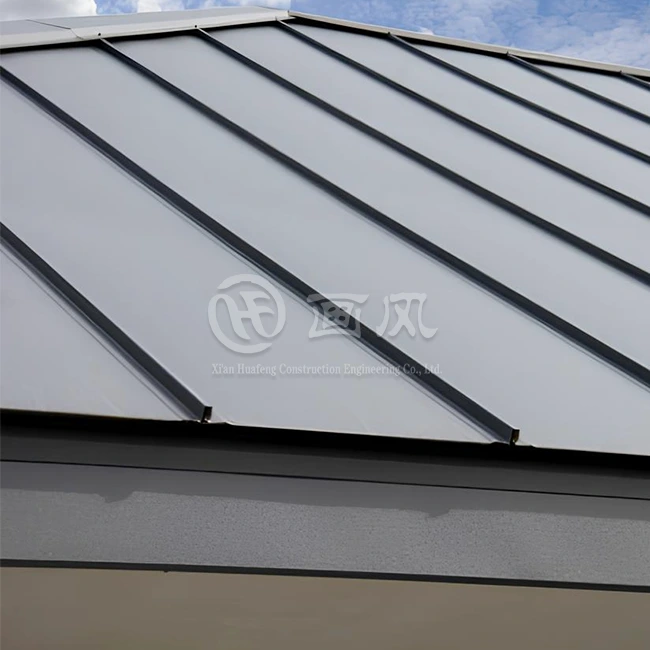
When contractors ask me which metal roofing system to specify, the answer almost always starts with one question: how is the seam formed? Angle lock standing seam roof panels use a mechanical seaming machine to fold the panel leg into a precise angular crimp — typically 90 or 180 degrees — over a concealed clip. Snap lock systems, by contrast, rely on hand pressure alone to click two panel legs together. That single difference in joinery drives every downstream outcome: wind uplift rating, slope compatibility, long-term watertight performance, and total installed cost.

Understanding Standing Seam Roof Panels: Angle Lock vs Snap Lock
How Angle Lock Systems Work
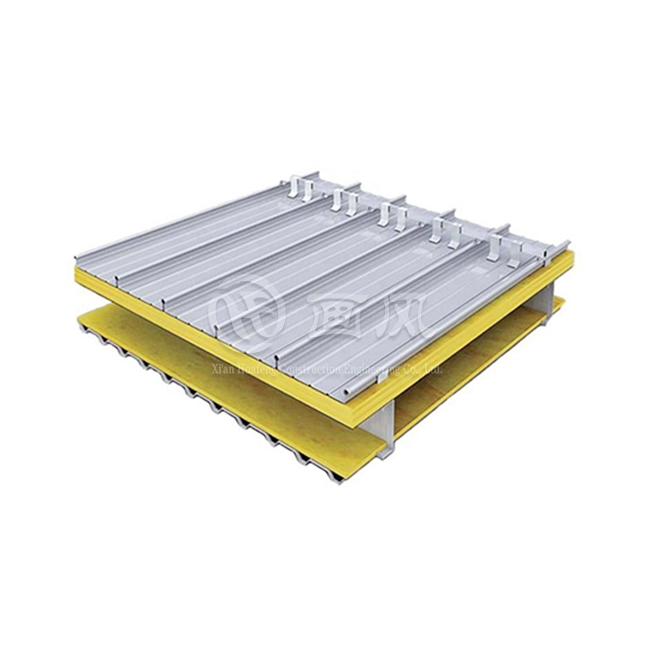
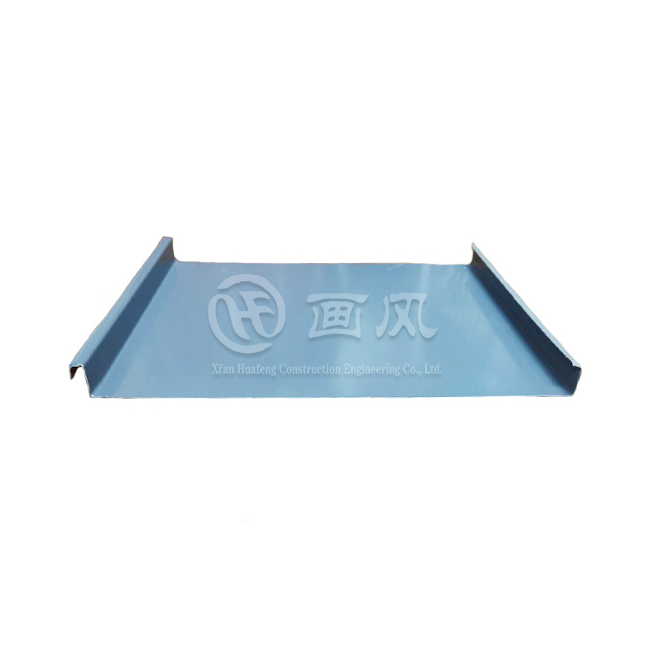
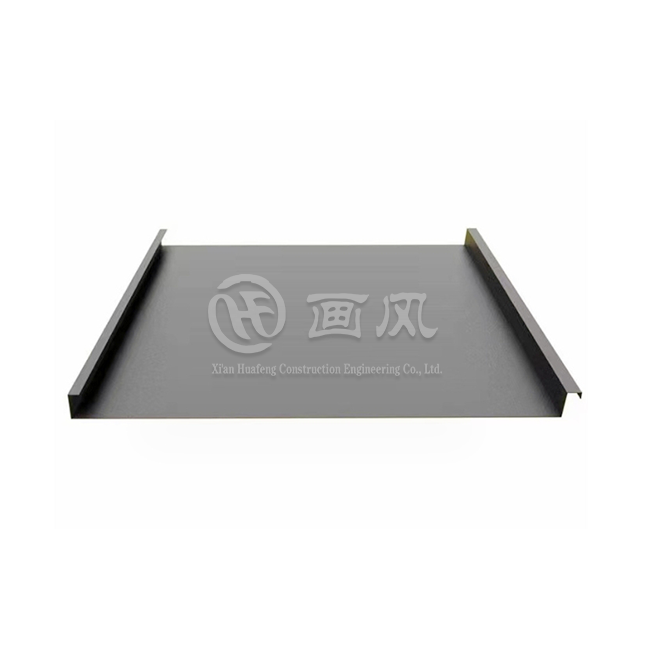
In its early stages, a mechanically seamed panel is made up of two straight, parallel legs. An electric machine folds the female leg over the male leg at a set angle and moves the seam from the eave to the ridge. This makes a tight, continuous crimp that holds the panel to a clip that floats on the base and is glued to it. The panels can grow and shrink with the temperature because the clip floats, so the seam doesn't open. This helps a lot for ceilings longer than 100 feet.
How Snap Lock Systems Work?
They make a female leg that can be slid over the male leg by hand. There's no need for a seaming machine on steep home roofs, which saves time and money on tools. However, the simpler installation does not provide the same mechanical engagement as a mechanically seamed system. Even though friction fit makes snap lock easy to put together, it's not as windproof as a manually sealed seam. This is the reason why most makers will only let you snap lock on pitches more than 3:12.
Materials and Coatings Used in Both Systems
Both types of angle lock standing seam roof panels can be made from Galvalume steel (ASTM A792 AZ50/AZ55), aluminum alloy (3003/3004/5052 series), or stainless steel for coastal projects. How you cover it is just as important as the base. AAMA 2605-22 tests have been done on the coatings of HF panels, which are made of PE, HDP, and 70% PVDF. SGS confirmed that the color change after accelerated fading was ΔEH ≤ 0.3. This means that the color you pick today will be the same color that ships in years two, four, and beyond.
Comparative Analysis: Angle Lock vs Snap Lock Systems
Most of the time, procurement managers have to quickly and legally compare several options before suggesting one to the project owner. The two systems are compared based on the most important factors for commercial and industrial bids:
| Criteria | Angle Lock (Mechanical) | Snap Lock (Friction) |
|---|---|---|
| Wind Uplift | UL 580 Class 90+ capable | Limited by friction fit |
| Min. Slope | 0.5:12 (double-locked, with sealant) | 3:12 recommended |
| Installation Tool | Electric seaming machine required | Hand installation only |
| Thermal Movement | Floating clip allows free movement | Clip design varies |
| ASTM E1646 Water Resistance | Achievable with sealant bead | Less consistent |
| Lifecycle (years) | 50–70+ | 30–40 typical |
Structural Integrity Under Wind Load
The mechanical crimp sends the wind straight to the purlin through the clip. This is why angle lock panels are best in places that are high up or prone to hurricanes. The ASTM E1592 structural tests show that panel-and-clip systems can handle negative pressure loads that regularly go over 60 psf in exposure category D sites.
Weather Resistance and Slope Compatibility
A panel that was mechanically seamed and had hot-melt sealant put on the female leg at the factory can be used on commercial roofs with a 0.5:12 pitch as long as it passes the ASTM E2140 static water pressure test. They keep water off of steep slopes well, but they have a real capillary action risk below 2:12, which is why they aren't often used in warehouse or factory standards.
Cost and Installation Complexity
Snap lock can be put down faster per square foot on home projects because it doesn't need a seaming machine. When working on big commercial projects, however, the money spent on tools pays off very quickly. A trained two-person crew can seam thousands of linear feet of angle lock standing seam roof panels seams every day, and because of the lower risk of call-backs that comes with better seam geometry, lifetime support costs are also much lower.
Procurement Considerations for B2B Buyers
Getting panels that are sewn by hand from a company in another country makes me worry about compliance and accuracy. These are the things that procurement managers with a lot of experience look at when they hire a new supplier.
Tool Compatibility
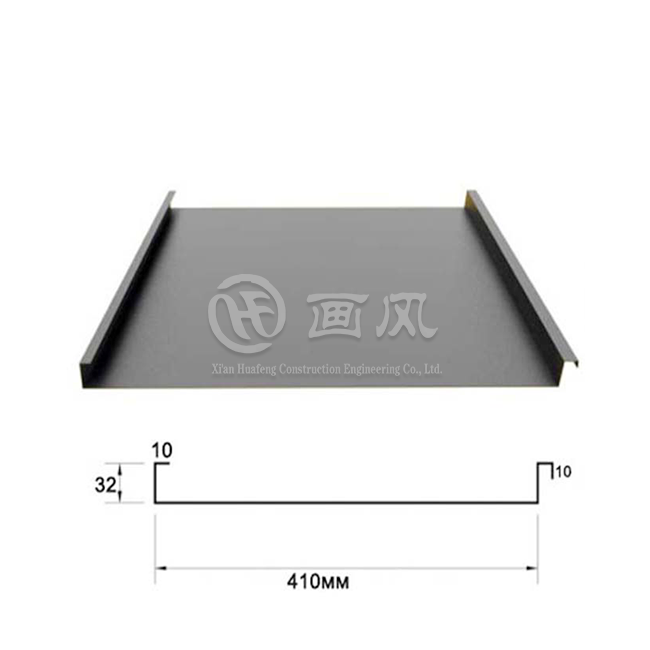
Before you place your order, make sure that the shape of the seaming machine fits the panel's leg geometry. The profile models that HF gives you are in imperial units, which are the same as the standards for North American seaming tools. They are given in inches and gage.
- ASTM compliance documentation: Request ASTM A792 mill certifications for every coil shipment, not just a general product certificate.
- Coating test reports: AAMA 2605-22 results, including all 13 line items, confirm PVDF performance before panels leave the factory. HF provides SGS-issued reports covering color uniformity, adhesion (5B rating), impact resistance, and coating flexibility.
- Panel length tolerance: Specify ±1.5mm over the ordered length to prevent field trimming that disrupts installation rhythm.
- Batch color matching: Request ΔE color tolerance in writing. HF's SGS report records ΔEH = 0.3, which is well within the ≤1.0 threshold most architects accept.
- Tool compatibility: Confirm the seaming machine profile matches the panel's leg geometry before ordering. HF provides profile drawings in imperial dimensions (inches/gauge) aligned with North American seaming tool standards.
These checkpoints make sure that projects stay on track and that important disagreements don't happen on the job site. If you pick a business that has both ISO 9001 and ISO 14001:14000 certifications, you can be sure that the process is being checked one more time. As long as the order is for at least 500 m² and there is a 15–20 day lead time, HF can handle orders for a single job without having vendors store extra material.
Maintenance, Longevity, and Performance Optimization
Routine Inspection Schedule
Machine-seamed roofs should be checked once a year. Check the shape of the seams at the ridge caps, the penetration flashings, and the outside edges. This is where thermal cycling puts the most stress. It will be harder and cost more to fix a seam that has partly opened at a transition point in ten years than it was in the first year.
Cleaning and Coating Preservation
The coating won't stay wet for long if you clean the angle lock standing seam roof panels pans twice a year to get rid of organic matter. PVDF-coated panels keep their topcoat by being cleaned with low pressure and a pH-neutral soap. Rough pads that cut through the 15–18 μm topcoat and into the primer should not be used. In the AAMA 2605-22 detergent durability test, the PVDF layer on HF did not blister or lose its stickiness.
Energy Efficiency and Green Building Credits
Light RAL-colored cool-roof pigmented coats soak up the sun's heat and keep the attic from getting too hot. If you ask for insulated panel units under an automatically seamed deck, you can get LEED points for being energy efficient. The floating clip design works with solar clamp systems that don't go through the metal (S-5! or similar), so HF's 30-year warranty on its panels is still good even if you don't cut through the metal.
Case Studies and Real-World Applications
Large-Scale Industrial Warehouse, Midwest US
A roofing company in the area covered a 120,000-square-foot operations center with a 1:12 slope with HF angle lock panels. The ASTM E2140 water pressure test was passed by the mechanical seam with sealant during the pre-installation mock-up. The floating clip system could hold a continuous 200-foot panel run without breaking.
Alpine Recreation Facility, Colorado
The 180-degree double-locked seam stopped the roof from moving during a wind event that reached 95 mph on a steep 6:12 roof in an area with a lot of snow. The guarantee was kept, and the risk of a roof slide was lowered by clamping snow retention hardware that didn't go through the roof to the gap.
Retrofit Over Existing Screw-Down Roof
A customer of a dealer re-roofed an old metal building with metal-over-metal clips. It made room for insulation when the new angle lock panels were put on top of the old roof. The insulation raised the building's thermal R-value by about 19 and dropped its HVAC costs.
Conclusion
Mechanically seamed angle lock standing seam roof panels last longer and are better at resisting wind uplift. They are also better at keeping water out at low slopes. Snap lock is still a good choice for steep residential projects where getting the job done quickly is more important than meeting structural needs. Angle lock is the standard that can be argued for business, industry, and government projects that need to keep records of output and supply that are always the same. People in North America who build or sell things should choose HF because it is ISO-certified, has finishes that have been tried by SGS, and has a 500 m² MOQ.
FAQ
1. What is the key structural difference between angle lock and snap lock panels?
Angle lock panels are crimped by a seaming machine, which makes a hard angle joint over a hidden clip. To use snap lock, just press the pieces together by hand. The mechanical crimp stops wind uplift better and works better on low slopes. The snap lock, on the other hand, can only be used on steeper slopes and in places where the wind isn't as strong.
2. What is the minimum roof pitch for a mechanically seamed angle lock system?
A panel that is double-locked and seamed by machine can work at pitches as low as 0.5:12 if sealer is put on the female leg at the mill. More often than not, a 3:12 pitch or higher is enough to keep water out when sealer is not used.
3. Can solar panels be mounted without drilling through HF angle lock panels?
It is true that set screws are used to connect S-5! clamps and other related tools directly to the standing seam. Since you don't have to go through the metal, the panel is still waterproof, and the 30-year warranty from the maker is still good.
4. Does HF offer PVDF coating with custom RAL colors?
You can buy panels from HF in normal and unique RAL colors, and the finishes are PE, HDP, and 70% PVDF. SGS tests on color uniformity (ΔEH = 0.3) show that batches are the same across large orders. This is very important for projects that are done in stages and panels move at different times.
5. What certifications should I request before ordering?
Get ASTM A792 mill certificates, AAMA 2605-22 coating test results, ISO 9001 and ISO 14001 certifications, and ASTM E1592 wind impact test data for the panel shape and clip assembly you want to put.
Get a Direct Quote from HF — Trusted Angle Lock Standing Seam Roof Panels Manufacturer
Angle lock standing seam roof panels with an SGS-verified PVDF coating are sold by HF. The factory that makes them is ISO 9001-certified, and the guaranty lasts for 30 years. They can make 1,000 tons of stuff every month, and the wait time is 15–20 days. The people on our team give you test reports that follow ASTM guidelines, panel profiles in imperial sizes, and RAL color batches that are a very close match. To get examples or a price for your job, email us at huafeng@hfmetalroof.com.
References
1. Metal Construction Association (MCA). Guide to Standing Seam Metal Roof Systems. 2021.
2. National Roofing Contractors Association (NRCA). The NRCA Roofing Manual: Metal Panel and SPF Roof Systems. 2022.
3. ASTM International. ASTM E1592: Standard Test Method for Structural Performance of Sheet Metal Roof and Siding Systems by Uniform Static Air Pressure Difference. 2022.
4. American Architectural Manufacturers Association (AAMA). AAMA 2605-22: Voluntary Specification, Performance Requirements and Test Procedures for Superior Performing Organic Coatings on Aluminum Extrusions and Panels. 2022.
5. Metal Roofing Alliance (MRA). Metal Roofing: Installation, Performance, and Sustainability. 2020.
6. Oak Ridge National Laboratory (ORNL). Thermal Performance of Metal Roofing Systems: Research Summary. Building Envelope Research Program, 2019.





YOU MAY LIKE