Benefits of Standing Seam Metal Roofs: Durability & Style
2026-11-27 15:04:58
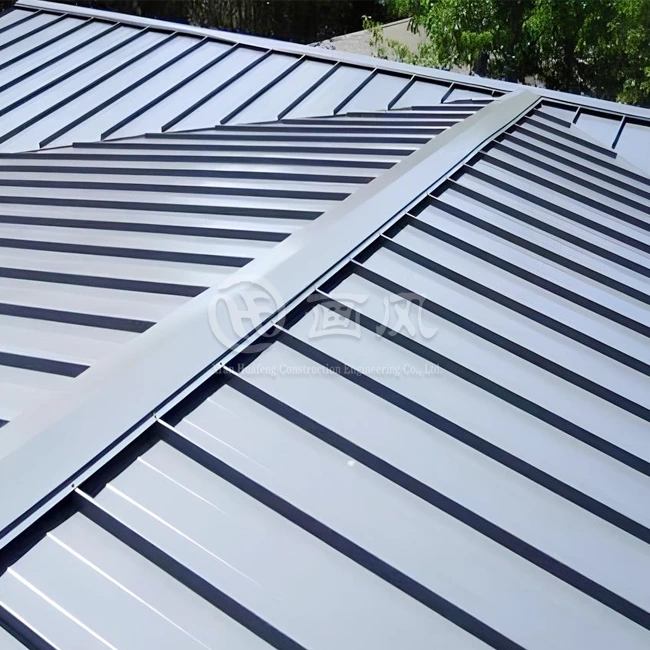
It will last a long time and look clean and modern with a 24 inch standing seam metal roof. The metal can move with changes in temperature thanks to the hidden clips. The raised seams keep water and snow out, and the wide panels make it easier to cover a big roof. If installers follow the engineering data, coated steel and aluminum will not get damaged by rain, wind, or UV light. People who want to compare profiles, check test data, and avoid expensive surprises before they place an order should read this guide.

What Is a 24 Inch Standing Seam Metal Roof?
Nominal Width Versus Effective Coverage
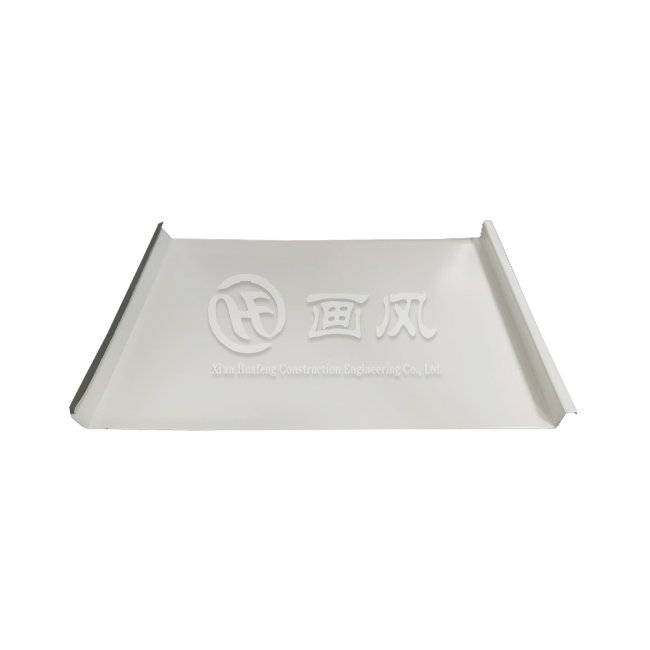
When you measure the width of a panel from one seam centerline to the next, you get the name of the roof: 24 inch standing seam metal roof. This width is 24 inches (610 mm) on HF. But different manufacturers use different ways to measure width. Some give the nominal width, while others give the full formed width, which shows the seam legs. Because material takeoffs depend on effective coverage, I tell buyers to check that number on the profile drawing before they figure out the squares. A small coverage mistake on a 50,000-square-foot building can lead to a short order, a rush reorder, and even a paint-lot mismatch.
Snap-Lock and Mechanical-Lock Profiles
North American work is mostly done with two types of seams. Crews can quickly put up snap-lock panels because they only need to be pressed together by hand. For mechanical-lock panels, you need a machine that folds the seam shut. This makes the joint tighter and often lets the slopes be lower. Some mechanically seamed systems say they can handle slopes as low as 1/4:12, but that number is based on the tested profile, so check the data from the manufacturer. The seam height on HF is between 25 and 65 mm (1 to 2.55 inches). Seams that are higher up make the fabric stiffer and give water more room to drain. Make sure the seam height and clip style work with the tool your crew is using to sew.
Metals, Thickness, and Coatings
HF makes 24-inch panels from steel, stainless steel, copper, titanium zinc, aluminum alloy, and they can be as thin as 0.5 mm or as thick as 1.2 mm. That range includes the 24-gauge (about 0.61 mm) and 22-gauge (about 0.76 mm) steel that many people in North America ask for. Galvanized steel is the least expensive. Galvalume protects against corrosion with aluminum and zinc, and aluminum is lighter and doesn't rust near the coast. Copper, titanium, and zinc are more expensive and get a patina over time. You can get PVDF and PE finishes from HF in RAL colors or your own colors. PVDF is better for projects that need to keep colors for a long time, while PE is better for projects with smaller budgets.
The Main Benefits of Standing Seam Metal Roofs: Durability and Style
Durability That Holds Up in Weather
Standing seam panels go from the eave to the ridge. There are no exposed screws in the field, so water has fewer places to get in. Service lives of 40 to 70 years are common in the industry for a 24 inch standing seam metal roof, but they depend on the metal, coating, and climate. HF's panels come with a 30-year warranty. I suggest reading the terms to find out what is covered and what isn't. It's just as important how well the wind works. We need an ASTM E1592 or UL 580 report. Please make sure that the clip, gage, and span that were tested match your design. Water penetration tests, like ASTM E1646, give you more proof that the profile you want to buy is what it says it is.
Style and Color Control
Large roof planes look calm and modern because wide panels make fewer vertical lines. That style works for modern homes, barndominiums, and business buildings. When you have to match an architect's choice, color accuracy is important. A PVDF-coated 3003H24 aluminum sample was tested by SGS against AAMA 2605-22 and passed all 13 items. It had a color uniformity result of EH 0.3, 5B dry adhesion, and 0T flexibility. That sample was 3.0 mm thick, so ask for information about the exact substrate you want. Order the coils for all projects at the same time and approve a color chip first to keep batch color shift to a minimum.
Low Maintenance and Energy Savings
Mold, mildew, and pests that damage many organic roofing materials don't stick to metal, and a coated surface is easy to clean with water. If you have a cool roof, it will reflect more sunlight, which will keep your building cooler. The way a fire behaves is also important to owners and insurers. A test by SGS according to AS/NZS 1530.3 found that six pieces of 1.3 mm PVDF-coated 3003H24 aluminum did not catch fire. The ignition, flame spread, and heat release indices were all 0. That test only looked at flat pieces of material, not a whole roof assembly. Check your local building code to see how to rate roof assemblies.
Comparing Options and Choosing Specifications
24-Inch Versus 12-Inch and 16-Inch Panels
Panel width changes the math for work. A 24-inch panel needs half as long of a seam as a 12-inch panel and a third as long as a 16-inch panel for the same roof area. Only a few panels and seams need to be closed per roof square by the crew. Often, the cost of materials per square foot is close, so the savings come from wages. Flatness is the price to pay. It's easier for oil canning, a cosmetic wave, to show up on a wide pan, especially when the finish is dark or shiny. If you want big, clear roof planes, choose a profile with ribs because they make the effect less noticeable. Other options include striations, heavier gage, and tension-leveled coil.
Standing Seam Versus Shingles and Exposed-Fastener Metal
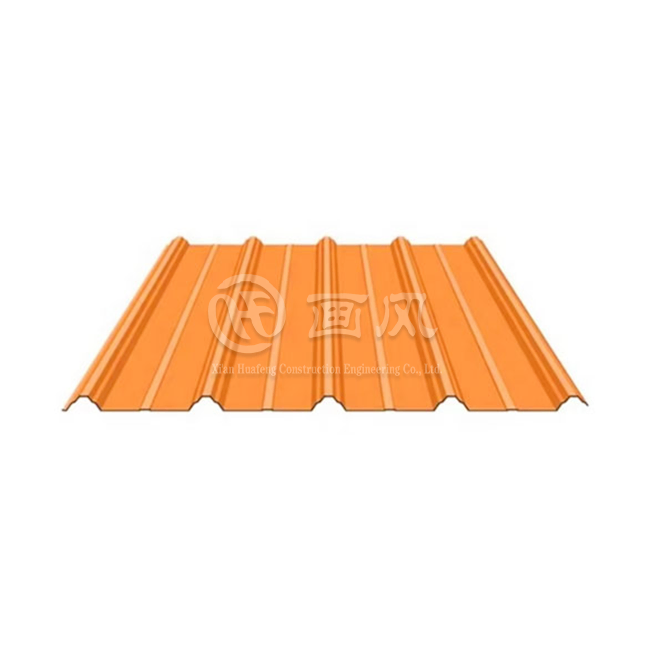
At first, asphalt shingles are cheaper, but people usually replace them more often. Metal panels with exposed fasteners are also cheaper to buy and put up, but screws go through the face of the panel, and as the metal expands and contracts, the washers can wear out. The clips in standing seam panels are hidden under the seam, so there are no holes in the field. The panels float on top of the clips. It costs more up front and needs a seaming tool for mechanical-lock profiles as well as a trained crew. People who buy commercial, agricultural, and larger residential projects often agree to that price so that they don't have to pay for repairs or replacements too soon.
Matching Specifications to the Project
Start with the slope of the roof, the wind zone, the amount of snow that falls, and how far away the house is from the coast. Choose steel if you want the most strength for your money, aluminum if you live near the coast or have weight limits, and copper or titanium zinc if you want high-end architecture. Which clips to use depends on the length of the panel and how much it moves in the heat. For the same change in temperature, aluminum expands about twice as much as steel. This means that clips on long runs of aluminum need to be able to move. Keep copper away from aluminum and galvanized steel because they will rust when they touch each other. Last but not least, ask for engineering data that includes your exact panel, gage, clip spacing, and purlin span.
Installation and Maintenance Basics
Installation Steps That Protect Performance
A flat, clean deck or well-aligned purlins are the first things that make an installation of a 24 inch standing seam metal roof go well. Before putting down the first panel, make sure the deck is flat because a 24-inch panel shows flaws more than a narrow one. Pick an underlayment based on the slope, the weather, and the chance of condensation. Based on the shop drawings, the crews then set the clips, locked the panels, and put on the trims, valleys, and flashings. Before leaving the job site, check for metal filings, coating scratches, panel alignment, and seam engagement. Metal filings can cause the surface to rust and stain. To protect the warranty, intricate or engineered projects should only be installed by trained professionals.
Thermal Movement and Oil Canning Control
Long runs will take up more movement on large panels. Fasten each panel in place in one location, then let the others glide on clips that float on the surface. Leave room on the borders and ridges. Ask for a tension-leveled coil, roll-former calibration tests, ribs or striations, and a documented visual standard before you start production on oil canning. Industry standards state that oil canning is merely a cosmetic issue and not a structural one. The owners still won’t be thrilled about it, so just ensure the expectation is in the contract.” These measures are less expensive than replacing a portion of the roof.
Maintenance and Repairs
Metal roofs are little maintenance, although I suggest checking them out once a year and after severe storms. Check flashings, penetrations, valleys, seams, clips and sealants. When cleaning off the leaves and other objects, be cautious not to harm the coating using a soft brush or low-pressure water. Typical problems include inappropriate spacing of clips, mismatched metals, failed sealant at penetrations and impact damage. Small scratches may be touched up with touch-up paint, using the colour. Distributors should retain additional trim and a record of the colour and lot number of each project. This makes matching a colour years later much simpler.
Cost, Sourcing, and Supplier Checks for B2B Buyers
Planning Cost and Material Takeoffs
There is only one line in the budget for panel price. After you add up the costs of the underlayment, packaging, freight, duties, and insurance, you should ask the supplier for an itemized bill of materials and the Incoterm. Rates and freight can change between the quote and the shipment, so find out how long the price is good for and who takes the risk. Use the effective coverage to figure out the quantity, then add a reasonable amount of waste for valleys, hips, and cut panels. Most of the time, it's safer and cheaper to standardize gage, color, and profile across projects than to cut performance parts. Don't cut clips or gage without first getting permission from an engineer.
Supplier Evaluation and Quality Control
Read a supplier's work, not what they claim they will do. HF has seven colour coating lines and one laminating line. Its three facilities have more than 40 shearing, pressing and bending equipment. The company states it satisfies standards of ISO 9001, ISO 14001 and has more than 20 registered patents for roofing systems. It meets product standards including ASTM, DIN, JIS, BS and GB/T. Ask any provider about the length tolerance of the panel, matching RAL colours, packing that won’t let the panels flex, and tracking of each batch and how to get a sample authorised. These tests cover the most frequent consumer complaints such as different colours, damaged packages and fit on site difficulties.
MOQ, Lead Time, and Supply for Contractors and Distributors
HF claims the smallest order is 500 square meters. That's one tonne and they can deliver in 15 to 20 days. They can handle orders of 1000 tonnes each month. But if you combine a project of less than 500 square meters with other works of the same size and colour, it may still work. This is helpful for regional distributors. Before you send out an order, make sure you verify the timetable, coverage, seam height against your seamer, and kind of clip. Request a profile sketch and a sample piece to ensure proper fit for the individual responsible for installation.
Conclusion
A 24 inch standing seam metal roof covers a lot of space, has clean lines, and has fasteners that are hidden. It works well on large homes, businesses, and farms. This essay demonstrated that style relies on the proper colour and flat, well shaped panels, while longevity depends on the metal, coating, clip design and installation. The broader shape allows for less seam length and effort than 12-inch and 16-inch panels but requires more attention for oil canning and thermal movement. It's more expensive up front than shingles and exposed-fastener metal but will endure longer. Buyers should make sure the whole material package, test reports, coating data, seam and clip compatibility and effective coverage are all right before making an order.
FAQ
1. What does 24 inch mean on a standing seam panel?
It means the width of coverage, which is 610 mm from one seam centerline to the next. A lot of manufacturers measure width in different ways, so before you figure out how many you need, ask for the effective coverage and the formed width on the profile drawing.
2. Does a wide panel always show oil canning?
No, waviness is less noticeable in wide pans thanks to stiffening ribs, striations, the right thickness, and tension-leveled coil. Canning oil is a matter of taste, so agree on how it should look in writing before you start making it.
3. What thickness does HF offer?
HF has materials from 0.5 mm to 1.2 mm thick in aluminum alloy, steel, stainless steel, copper, titanium zinc, and copper. The product comes with a 30-year warranty and comes in RAL and custom colors for PVDF and PE finishes.
4. What should I request before ordering?
Ask for the ASTM E1592 wind uplift report that fits your profile and clip, along with coating information, a profile drawing, and information on how the report will be delivered. These papers make sure that the panel works with the tools your crew has and with the rules in your area.
Request a Quote for HF 24 Inch Standing Seam Metal Roof Panels
Are you ready to get a quote on your next roof? HF makes 24 inch standing seam metal roofs and has three factories, seven production lines, and the ability to supply 1,000 tons of roofs every month. We have RAL colors, PVDF and PE finishes, a 30-year warranty, a 500-yen minimum order quantity, and delivery in 15–20 days. Send your drawings, gage, color, and where you want the metal to go to huafeng@hfmetalroof.com.
References
1. The NRCA Roofing Manual: Metal Panel and SPF Roof Systems, 2019
2. ASTM E1592 Standard Test Method for Structural Performance of Sheet Metal Roof and Siding Systems by Uniform Static Air Pressure Difference, 2017
3. AAMA 2605-22 Voluntary Specification, Performance Requirements and Test Procedures for Superior Performing Organic Coatings on Aluminum Extrusions and Panels, 2022
4. ASTM D3359 Standard Test Methods for Measuring Adhesion by Tape Test, 2023
5. UL 580 Tests for Uplift Resistance of Roof Assemblies, 2006
6. Reducing Urban Heat Islands: Compendium of Strategies, U.S. Environmental Protection Agency, 2008





YOU MAY LIKE