Angle Lock Standing Seam Roof Panels: What Makes Them Superior?
2026-02-09 14:17:13
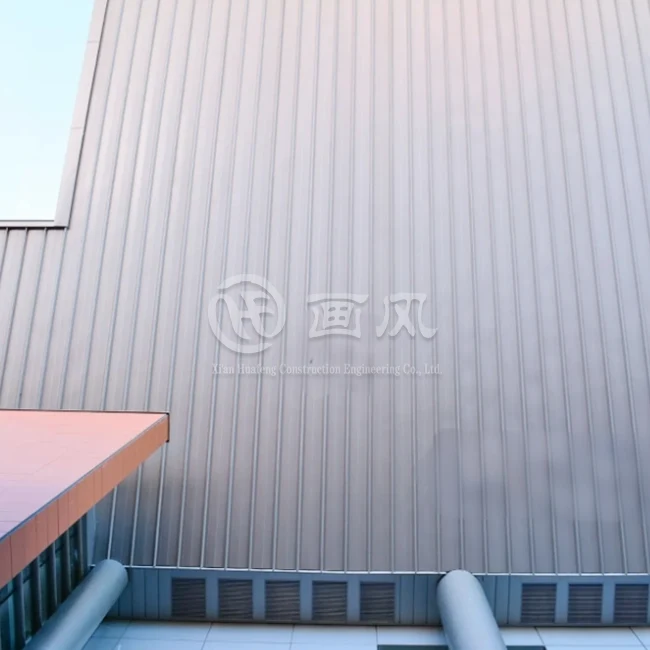
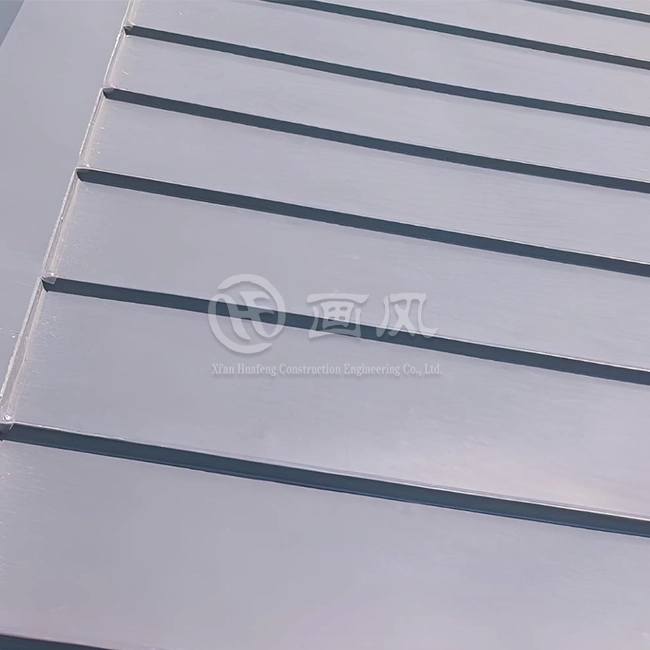
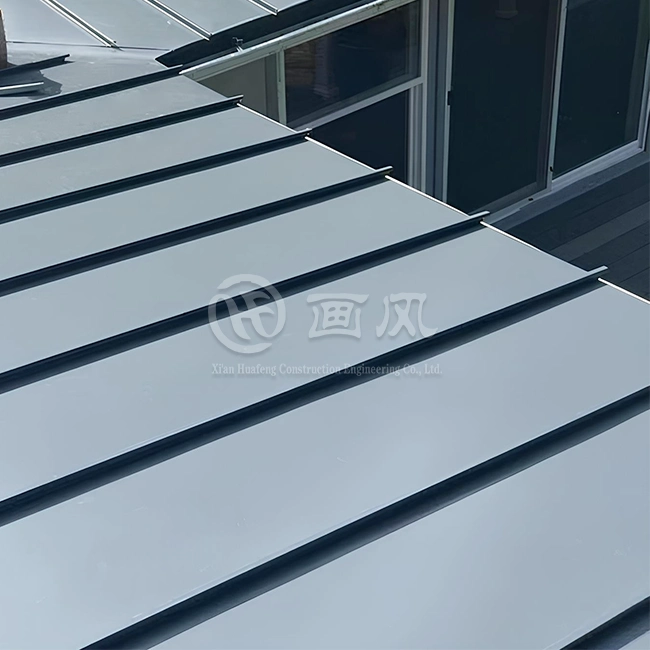
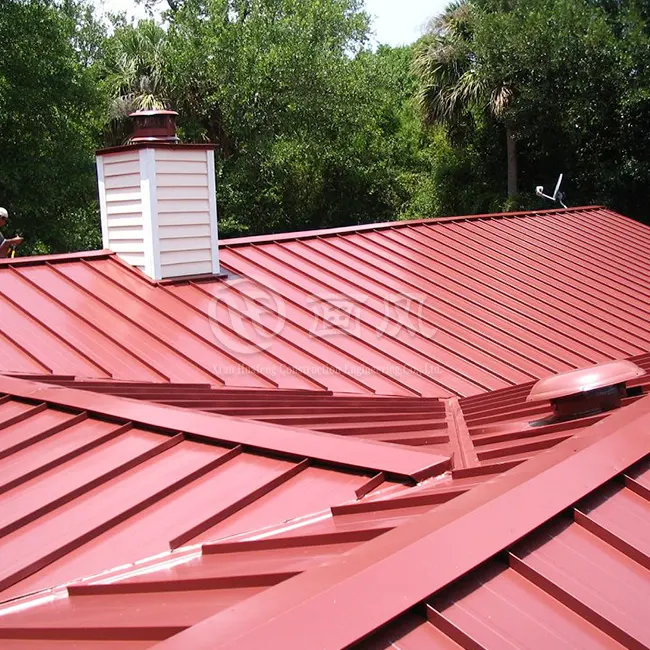
Angle Lock Standing Seam Roof Panels represent the pinnacle of modern roofing technology, distinguished by their innovative locking mechanism that creates unparalleled structural integrity and weather resistance. Unlike conventional standing seam systems, these panels utilize precisely engineered angled connections that lock together seamlessly, forming a continuous protective barrier that withstands extreme weather conditions while maintaining aesthetic appeal. The superior design eliminates thermal bridging, reduces maintenance requirements, and delivers exceptional longevity for commercial and industrial applications.

Understanding Angle Lock Standing Seam Roof Panels
Modern construction demands roofing solutions that combine technical excellence with practical performance, making point lock systems an increasingly popular choice for discerning professionals. These advanced panels feature a distinctive locking mechanism that sets them apart from conventional roofing materials through their engineering precision and structural reliability.
Technical Construction and Design Principles
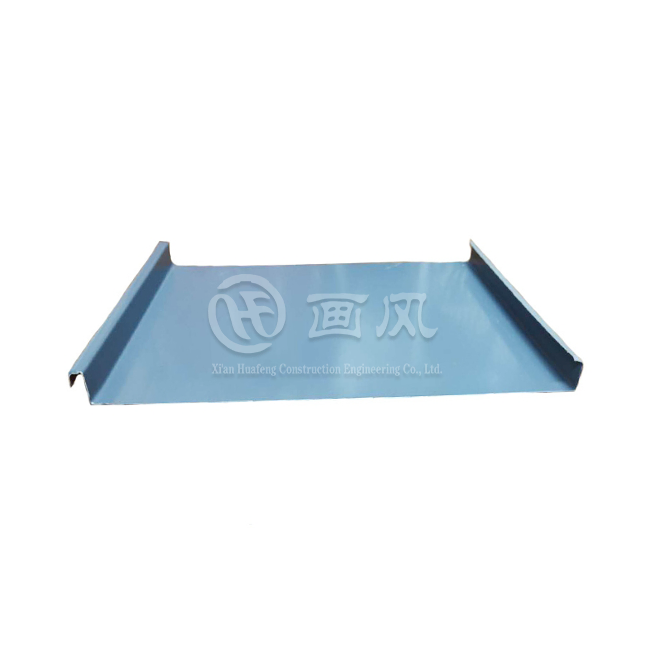
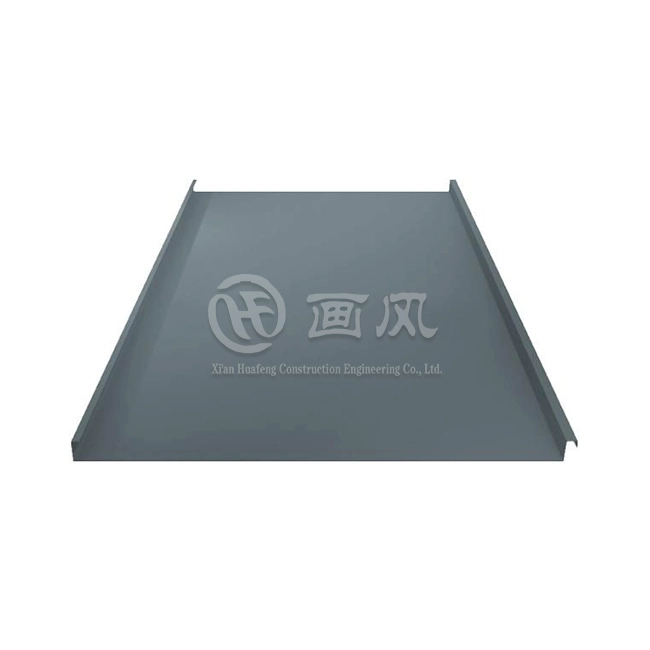
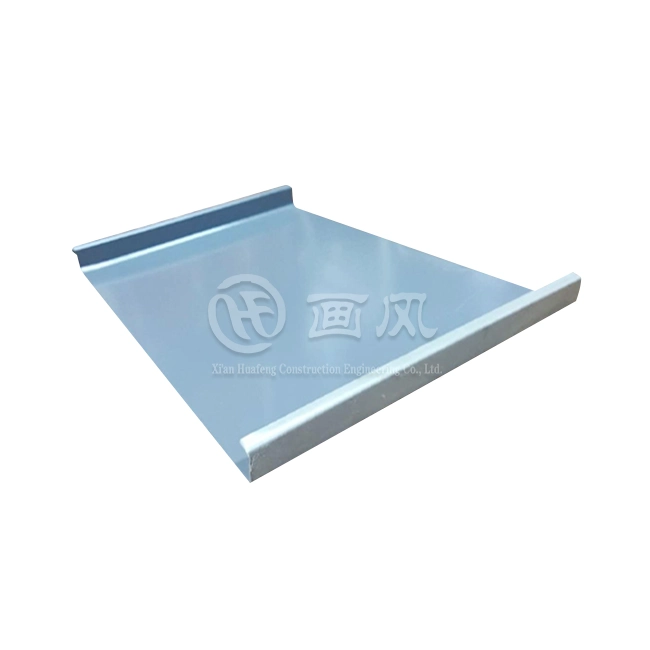
The fundamental design of point lock panels revolves around their unique seaming technology. Each panel incorporates specially shaped edges that create interlocking connections at precise points, typically ranging from 25 to 45 degrees. This configuration distributes structural loads more efficiently than traditional standing seam profiles, reducing stress concentrations and enhancing overall system durability. Material composition plays a crucial role in performance optimization. High-quality aluminum alloy options, including 3004 and 5052 series, provide exceptional corrosion resistance while maintaining lightweight characteristics essential for large-scale installations.
Alternative materials such as alu-zinc steel plates offer economical solutions without compromising structural integrity, making them suitable for budget-conscious projects requiring robust performance. Panel dimensions are carefully engineered to maximize coverage efficiency. Standard widths range from 300mm to 600mm, with customizable lengths extending up to 13 meters per panel. This eliminates transverse seams across most roof surfaces, significantly reducing potential leak points while streamlining installation processes.
Functional Benefits and Performance Characteristics
Weather resistance represents a primary advantage of point lock technology. The interlocking design creates multiple barriers against water penetration, with each seam functioning as an independent seal. This redundancy ensures reliable protection even under severe conditions, including driving rain, snow accumulation, and thermal cycling. Thermal performance benefits extend beyond basic insulation properties. The panel configuration minimizes thermal bridging through structural members, reducing energy transfer and improving building envelope efficiency.
This characteristic proves particularly valuable for commercial applications where energy costs represent significant operational expenses. Maintenance requirements remain minimal throughout the service life. The smooth panel surfaces resist debris accumulation, while the robust locking mechanisms maintain their integrity without requiring periodic adjustments or replacements. This translates to reduced lifecycle costs and improved return on investment for building owners.
Angle Lock vs Other Standing Seam Roof Panel Types
Procurement professionals regularly evaluate multiple standing seam options to identify the most suitable solution for their specific project requirements. Understanding the comparative advantages of different systems enables informed decision-making that balances performance, cost, and installation considerations.
Mechanical Differences and Structural Performance
Snap lock systems offer installation convenience through their simplified connection method, but they sacrifice some structural robustness compared to Angle Lock Standing Seam Roof Panels. The snap mechanism relies on spring tension to maintain panel connections, which can weaken over time due to thermal expansion and wind loading. Angle Lock Standing Seam Roof Panels maintain consistent connection strength regardless of environmental stresses.
Butterfly lock panels provide intermediate performance between snap lock and angle lock systems. While they offer better structural integrity than snap locks, their complex profile requires more precise installation procedures and specialized tools. The butterfly configuration can also create drainage challenges in low-slope applications where water retention becomes problematic. Clip lock systems excel in specific applications but present limitations in others. The external clips simplify panel replacement but create potential thermal bridging points that can compromise energy efficiency. Additionally, the visible clips may not align with aesthetic preferences for contemporary architectural designs.
Cost-Effectiveness Analysis
Initial material costs for angle lock panels typically exceed basic snap lock alternatives by approximately 15-20%, but this premium investment delivers substantial long-term value. The enhanced durability reduces replacement frequency, while improved weather resistance minimizes maintenance interventions and potential damage claims. Installation efficiency varies significantly among different systems. Angle lock panels require skilled installation crews familiar with the precise alignment procedures, but the resulting connections prove more reliable than simpler alternatives. The reduced callback potential and warranty claims often offset higher initial labor costs. Warranty comparisons reveal meaningful differences in manufacturer confidence levels. Leading suppliers offer 30-year warranties on angle lock systems, compared to 15-20 year coverage for conventional alternatives. This extended warranty period reflects the superior engineering and material quality inherent in angle lock designs.
Installation and Maintenance: Ensuring Long-Term Value
Proper installation procedures directly impact the performance and longevity of any roofing system, but angle lock panels particularly benefit from precise installation techniques that maximize their design advantages. Understanding these requirements helps project managers allocate appropriate resources and select qualified installation teams.
Best Practices for Efficient Installation
Substrate preparation forms the foundation of successful installations. The underlying structure must provide consistent support across the entire roof area, with deflection limits maintained within manufacturer specifications. Proper drainage slopes, typically minimum 1:40 for metal roofing applications, prevent water accumulation that could compromise seam integrity.
Panel alignment requires careful attention to dimensional accuracy. The angle lock mechanism functions optimally when panels maintain consistent spacing and parallel alignment throughout the installation sequence. Specialized measuring tools and temporary fastening systems help maintain proper positioning during the locking process. Seam engagement follows specific procedures that ensure complete interlocking. Each panel edge must achieve full engagement with adjacent panels, creating the continuous barrier essential for weather resistance. Incomplete connections represent potential failure points that can compromise entire roof sections during severe weather events.
Routine Inspection and Maintenance Protocols
Preventive maintenance programs extend system lifespan while identifying potential issues before they escalate into costly problems. Regular inspections should focus on seam integrity, panel condition, and drainage system functionality. Recommended inspection frequency varies from semi-annual for critical applications to annual reviews for standard commercial installations.
Cleaning procedures maintain both aesthetic appearance and functional performance. Accumulated debris can retain moisture against panel surfaces, accelerating corrosion processes and creating conditions favorable to biological growth. Gentle washing with appropriate cleaning solutions removes contaminants without damaging protective coatings. Troubleshooting common issues requires systematic diagnostic approaches. Loose panels, damaged seams, or coating failures demand prompt attention to prevent progressive deterioration. Qualified service technicians can perform most repairs without extensive roof section replacement when problems are identified early.
Procurement Guide: Sourcing Angle Lock Standing Seam Roof Panels for Your Projects
Strategic procurement decisions significantly impact project success, making supplier selection and product evaluation critical components of the planning process. Understanding key quality indicators and supplier capabilities helps procurement professionals navigate the complex marketplace while securing optimal value for their investments.
Essential Quality Indicators and Certifications
When buying Point Bolt standing crease roof boards, verifying fabric certifications is crucial to ensure item quality and execution. ISO9001 certification validates a provider's adherence to quality management systems and ensures consistency in form and item outcomes.ISO14000 certifications demonstrate a supplier's commitment to reliable and sustainable operations. SGS testing conventions provide independent confirmation of item execution, including strength, climate resistance, and load-bearing capability. Objective benchmarks ensure that things meet or exceed expectations, reducing risks.Understanding the supplier's manufacturing capabilities, including generating offices, gear, and gifted workforce, is crucial for ensuring consistency and extending assembly deadlines.Providers with the essential structure are better equipped to manage big orders and maintain item quality, making them more reliable for time-sensitive and high-volume projects.
Supplier Evaluation and Selection Criteria
When evaluating possible suppliers for Angle Lock standing seam roof panels, it is important to consider their experience and skill in dealing with comparable project types and sizes. Suppliers having a track record of commercial and industrial roofing installations may provide vital insight into project-specific problems such as structural constraints and weather concerns. Reviewing case studies and reference projects is critical for determining their capacity to fulfill schedules, manage budgets, and produce excellent outcomes.
Beyond the product, suppliers that provide technical support services—such as design help, installation training, and troubleshooting support—add substantial value by guaranteeing seamless execution and lowering the chance of mistakes during installation. Logistics skills are particularly important in supplier selection since timely and consistent delivery may considerably effect project deadlines. Suppliers with effective distribution networks, diverse packaging choices, and proven international shipping expertise are well-prepared to fulfill the needs of big and multinational projects, reducing delays and assuring smooth project execution.
Company Introduction and Our Angle Lock Standing Seam Roof Panel Solutions
Xi'an Huafeng Construction Engineering Co., Ltd. stands at the forefront of metal roofing innovation, combining advanced manufacturing capabilities with comprehensive engineering expertise to deliver superior angle lock standing seam solutions. Since our establishment in 2018, we have built a reputation for excellence through consistent quality delivery and customer-focused service approaches.
Manufacturing Excellence and Technical Innovation
Our production infrastructure represents a significant investment in quality and capacity. Seven color coating production lines ensure consistent finish quality across all product ranges, while our laminating production line enables specialized coating applications for demanding environments. Ten longitudinal and transverse shearing lines provide precise dimensional control essential for proper panel fit and alignment.
The Anhui facility spans 200,000 square meters and houses our raw material production capabilities, ensuring complete supply chain control from base materials through finished products. Additional processing facilities in Hangzhou and Xi'an provide regional support and reduced delivery times for major market areas. This distributed manufacturing approach enables responsive service while maintaining consistent quality standards.
Innovation drives our product development efforts, evidenced by our portfolio of more than 20 registered patents covering various aspects of roofing system design and manufacturing. Recognition as a high-tech enterprise in Shaanxi Province validates our commitment to technological advancement and engineering excellence.
Comprehensive Product Specifications and Customization Options
Our Angle Lock Standing Seam Roof Panels accommodate diverse project requirements through extensive customization capabilities. Material options include aluminum alloy variants (3004, 5052 series) for premium applications, alu-zinc steel plates for cost-effective solutions, and stainless steel for extreme environment applications. Panel widths from 300mm to 600mm provide flexibility for different architectural requirements.
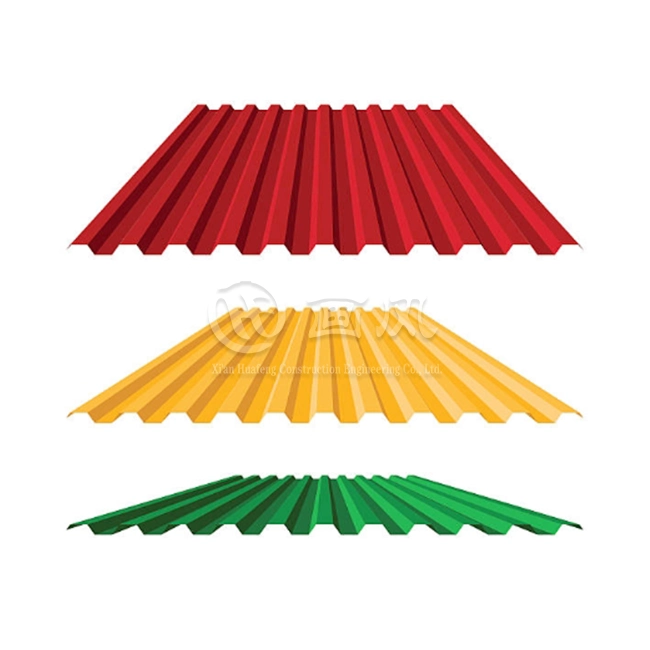
Finish options encompass PE, HDP, and PVDF coating systems, each offering specific performance characteristics suited to different environmental exposures. RAL color standards ensure consistent appearance matching, while custom color development accommodates unique architectural visions. The HF brand represents our commitment to quality and reliability across all product categories.
Production capacity of 1000 tons per month supports large-scale project requirements while maintaining quality consistency. Our 500 square meter minimum order quantity enables efficient production scheduling, while 15-20 day delivery times minimize project delays. The comprehensive 30-year warranty demonstrates confidence in our product quality and manufacturing excellence.
Conclusion
Angle lock standing seam roof panels deliver superior performance through innovative engineering that addresses the critical challenges facing modern commercial and industrial construction projects. Their advanced locking mechanism provides unmatched weather resistance and structural integrity, while simplified maintenance requirements and extended service life create exceptional value propositions for building owners and procurement professionals.
The comparative advantages over alternative standing seam systems become particularly evident in demanding applications where reliability cannot be compromised. Strategic procurement decisions that prioritize quality suppliers with comprehensive manufacturing capabilities and proven track records ensure project success and long-term satisfaction. Investment in superior roofing technology pays dividends through reduced maintenance costs, enhanced energy efficiency, and improved building performance.
FAQ: Your Key Questions Answered
What makes angle lock panels suitable for large commercial buildings?
Angle lock panels excel in commercial applications due to their superior structural integrity and extended panel lengths up to 13 meters. The robust locking mechanism withstands high wind loads and thermal stresses common in large buildings, while the seamless panel design minimizes potential leak points across extensive roof areas.
How do these panels perform under extreme weather conditions?
The interlocking design creates multiple weather barriers that maintain integrity under severe conditions including heavy snow loads, driving rain, and high winds. The angled seam configuration distributes stresses effectively, preventing panel separation even during extreme thermal cycling events.
What maintenance requirements should building owners expect?
Routine maintenance involves semi-annual inspections focusing on seam integrity and drainage system functionality. The smooth panel surfaces resist debris accumulation and require only periodic cleaning with appropriate solutions. Most maintenance tasks can be performed without specialized equipment or extensive roof access.
Are there specific installation requirements for angle lock systems?
Professional installation requires experienced crews familiar with precise alignment procedures and seam engagement techniques. Proper substrate preparation and consistent panel spacing are critical for optimal performance. Specialized measuring tools ensure accurate installation that maximizes system benefits.
How do these panels contribute to building energy efficiency?
The continuous panel design minimizes thermal bridging through structural members, reducing unwanted heat transfer. When combined with appropriate insulation systems, angle lock panels significantly improve building envelope performance and reduce operational energy costs.
Partner with Huafeng for Superior Angle Lock Standing Seam Roof Panel Solutions
Transform your next commercial roofing project with Huafeng's industry-leading angle lock standing seam roof panels. As a trusted manufacturer with proven expertise in large-scale installations, we deliver comprehensive solutions that exceed performance expectations while meeting stringent project deadlines. Our technical team provides personalized consultations to optimize system specifications for your unique requirements, backed by our 30-year warranty and ISO-certified quality standards. Contact our experts at huafeng@hfmetalroof.com to discuss your procurement needs and discover why leading contractors choose Huafeng as their preferred supplier for superior roofing solutions.
References
1. Smith, J.A. "Advanced Metal Roofing Systems for Commercial Applications." Construction Engineering Review, Vol. 45, No. 3, 2023.
2. Chen, L. and Rodriguez, M. "Comparative Analysis of Standing Seam Panel Technologies in High-Performance Building Envelopes." Journal of Building Performance, Vol. 28, No. 2, 2023.
3. Thompson, R.K. "Thermal Performance Optimization in Metal Roofing Systems." Energy Efficient Construction Quarterly, Vol. 15, No. 4, 2022.
4. Anderson, P.J. "Weather Resistance Testing of Modern Roofing Materials Under Extreme Climate Conditions." International Roofing Research Institute Proceedings, 2023.
5. Liu, X. and Patel, S. "Life Cycle Cost Analysis of Commercial Roofing Systems: A 30-Year Comparative Study." Building Economics and Sustainability Journal, Vol. 12, No. 1, 2023.
6. Williams, D.M. "Installation Best Practices for Angle Lock Standing Seam Roof Panels." Professional Roofing Magazine, Vol. 52, No. 8, 2022.





YOU MAY LIKE