Best Snap Lock Metal Roof Panels for Residential Projects
2026-02-10 16:16:40
When searching for the best snap lock metal roof panels for residential projects, professional contractors and procurement specialists consistently recommend systems that combine innovative interlocking technology with superior weather resistance. These advanced roofing solutions have revolutionized residential construction by offering streamlined installation processes, exceptional durability, and cost-effective maintenance requirements that meet the demanding specifications of modern building projects.

Introduction
Snap lock metal roof panels represent the cutting edge of residential roofing technology, delivering unparalleled performance characteristics that appeal to both seasoned builders and sophisticated B2B procurement clients. The rapid adoption of these systems reflects their technical superiority and commercial viability in today's competitive construction market. This comprehensive guide examines the fundamental reasons why these panels have captured significant market share, emphasizing their technical advantages and measurable commercial value proposition.
Our primary objective centers on providing procurement professionals and project managers with detailed knowledge required for informed decision-making when selecting metal roofing solutions for diverse residential applications. The analysis encompasses quality assurance protocols, cost-efficiency metrics, and supplier reliability assessments that directly impact project outcomes. Understanding these critical factors enables procurement teams to optimize their roofing investments while ensuring compliance with stringent quality standards and delivery schedules.
Understanding Snap Lock Metal Roof Panels: Features and Benefits
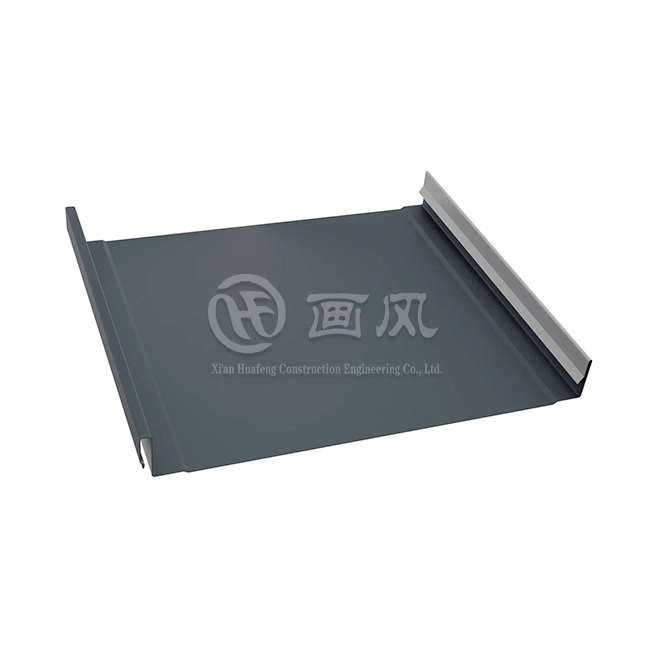
Snap lock metal roof panels incorporate sophisticated interlocking mechanisms that facilitate quick and secure installation across diverse residential solutions. The engineering behind these systems focuses on creating watertight seals through precision-manufactured edges that mechanically connect without requiring specialized tools or extensive technical training.
Innovative Locking System Technology
The progressive snap-lock design eliminates traditional fastener requirements while maintaining structural integrity under extreme weather conditions. Each panel features precisely engineered male and female edges that create audible confirmation during proper engagement. This mechanical connection distributes wind loads equally across the entire roof surface, significantly reducing stress concentrations that commonly cause failures in conventional roofing systems. Weather resistance capabilities surpass industry standards through multiple sealing layers that prevent moisture penetration even during severe storm conditions. The interlocking geometry creates natural drainage channels that effectively direct water away from critical connection points, minimizing long-term maintenance requirements while extending overall system lifespan.
Material Options and Performance Characteristics
Material selection significantly impacts system performance, with aluminum alloy, steel, stainless steel, copper, and titanium zinc options each offering distinct advantages for specific project requirements. Aluminum alloy panels provide exceptional corrosion resistance and lightweight properties, making them ideal for coastal environments and structures with limited load-bearing capacity. Steel variations deliver superior strength characteristics suitable for high-wind regions and heavy snow load applications. Thickness specifications ranging from 0.4mm to 1.2mm accommodate various structural requirements and budget considerations. The standard 45mm height profile optimizes thermal performance while maintaining architectural aesthetics across different building styles. PVDF and PE finish options ensure long-term color retention and surface protection against environmental degradation, especially with Snap Lock Metal Roof Panels.
Energy Efficiency and Design Versatility
Modern snap lock systems enhance building energy efficiency through improved insulation compatibility and thermal bridge reduction. The elevated panel profile creates natural ventilation spaces that minimize thermal transfer during summer months while accommodating diverse insulation solutions for winter performance optimization. Design flexibility accommodates architectural requirements ranging from industrial minimalist aesthetics to traditional residential styles. RAL color standards and custom color matching capabilities enable seamless integration with existing building elements while maintaining local architectural harmony.
Comparison of Snap Lock Panels with Other Roofing Solutions
Comprehensive analysis of roofing options reveals substantial performance and economic advantages favoring snap lock technology over conventional solutions. The evaluation encompasses installation efficiency, long-term durability, maintenance requirements, and total cost of ownership across various project scales and environmental conditions.
Performance Against Standing Seam and Clip Lock Systems
Standing seam metal roofing requires specialized equipment and skilled labor for proper installation, significantly increasing project timelines and labor costs. Snap lock systems achieve comparable weather resistance while reducing installation complexity by approximately 40%, enabling faster project completion and reduced labor costs. The mechanical connection eliminates thermal expansion issues commonly experienced with clip-based fastening systems. Wind uplift resistance testing demonstrates equivalent performance between snap lock and standing seam solutions under hurricane-force conditions. However, snap lock systems offer superior reparability since damaged panels can be individually replaced without disturbing adjacent areas, a critical advantage for long-term maintenance planning.
Advantages Over Traditional Shingle and Corrugated Options
Asphalt shingle roofing typically requires complete replacement every 15-20 years, while snap lock metal systems provide 30-year warranty coverage with minimal maintenance requirements. The initial investment premium for metal systems generates significant savings through reduced replacement frequency and lower maintenance costs over the building lifecycle. Energy performance comparisons reveal 15-25% cooling cost reductions with reflective metal roofing compared to dark asphalt shingles. This energy efficiency advantage becomes increasingly valuable as utility costs continue rising and environmental regulations become more stringent. Corrugated metal panels lack the aesthetic refinement required for residential applications while offering inferior weather sealing compared to snap lock technology. The exposed fastener design of corrugated systems creates numerous potential failure points that require regular inspection and maintenance.
Cost-Benefit Analysis for Procurement Decision-Makin
Project scale significantly influences the economic advantages of Snap Lock Metal Roof Panels. Large residential developments benefit from bulk purchasing opportunities and standardized installation methods that reduce per-unit costs. The learning curve for installation teams decreases rapidly across multiple units, further improving cost efficiency and quality consistency. Climate considerations influence material selection and long-term performance expectations. Coastal environments justify premium stainless steel or aluminum options through extended service life and reduced maintenance requirements. Inland regions with moderate environmental exposure achieve optimal value through steel panels with high-performance coatings.
Installation and Maintenance: Best Practices for Residential Projects
Proper installation procedures directly determine system performance and longevity, making adherence to manufacturer specifications essential for warranty compliance and optimal results. The simplified installation process of snap lock systems reduces complexity while maintaining high-quality standards through systematic approach implementation.
Step-by-Step Installation Guidelines
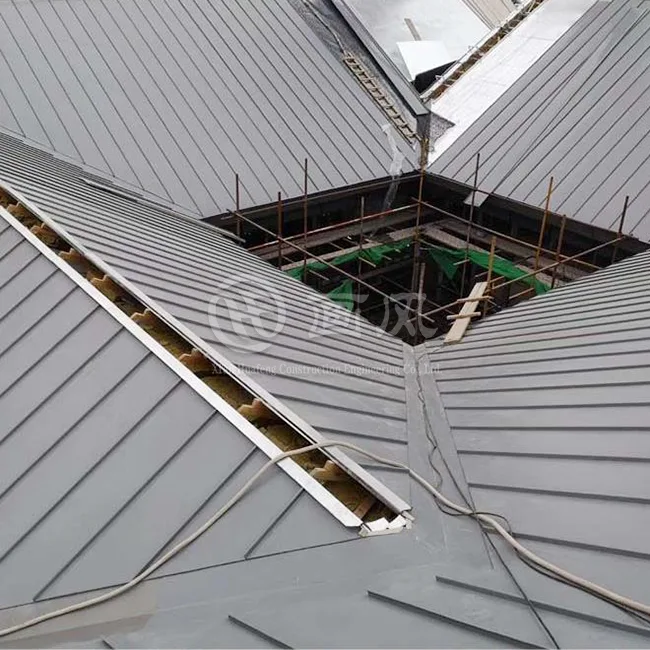
Site preparation begins with accurate measurements and substrate inspection to ensure proper panel alignment and adequate structural support. Roof deck requirements include minimum slope specifications of 1:12 (approximately 5 degrees) for effective water drainage. Underlayment installation provides additional moisture protection during construction and serves as a secondary barrier throughout the system lifespan.Panel installation commences at the roof edge with careful alignment verification using string lines or laser levels. The first panel establishes the reference line for all subsequent installations, making precision at this stage critical for overall project success. Each subsequent panel engages the previous panel's edge through the snap-lock mechanism, creating progressive coverage across the entire roof surface.Edge finishing and ridge cap installation require attention to detail for weather sealing and aesthetic completion. Proper flashing integration around penetrations and roof intersections prevents moisture infiltration while maintaining architectural appearance standards.
Common Installation Challenges and Solutions
Panel warping can occur during handling or installation in extreme temperatures. Storage protocols recommend maintaining panels at moderate temperatures and using proper lifting techniques to prevent permanent deformation. Installation during moderate weather conditions minimizes thermal expansion effects that can complicate panel alignment.Misalignment issues typically result from inadequate initial setup or failure to maintain consistent reference lines throughout installation. Regular verification of panel positioning prevents cumulative errors that become increasingly difficult to correct as installation progresses.
Maintenance Protocols and Seasonal Considerations
Regular inspection schedules should include visual assessment of panel connections, drainage systems, and surface conditions. Annual inspections identify potential issues before they develop into costly repairs, while post-storm evaluations ensure continued system integrity after severe weather events.Cleaning protocols vary based on environmental conditions and surface finish types. Most installations require only periodic washing with mild detergent solutions to maintain appearance and performance. Industrial or coastal environments may necessitate more frequent cleaning to remove corrosive deposits or salt accumulation.Seasonal maintenance focuses on drainage system functionality and thermal expansion accommodation. Fall preparations include gutter cleaning and drainage verification to handle increased water volumes during winter months. Spring inspections assess winter damage and verify system readiness for summer thermal cycling.
Procurement Considerations for B2B Clients
Strategic procurement decisions require comprehensive supplier evaluation encompassing manufacturing capabilities, quality certifications, and service support infrastructure. The complexity of large-scale residential projects demands suppliers capable of meeting stringent delivery schedules while maintaining consistent product quality across entire order quantities.
Supplier Evaluation and Quality Assurance
Manufacturing capacity assessment begins with facility inspection and production capability verification. Leading suppliers operate multiple manufacturing facilities with redundant production lines to ensure delivery reliability even during peak demand periods. Xi'an Huafeng Construction Engineering Co., Ltd. exemplifies this approach with three factories, seven production lines, and over 40 specialized machines providing monthly supply capacity exceeding 1000 tons.Quality certifications validate adherence to international standards including ASTM, DIN, JIS, BS, and GB/T specifications. These certifications ensure product consistency and compatibility with North American building codes and performance requirements. Suppliers should provide comprehensive testing documentation covering structural performance, weather resistance, and thermal cycling endurance.Technical support capabilities significantly impact project success through design assistance, specification guidance, and installation training. Experienced suppliers offer engineering support for complex installations and custom solutions for unique architectural requirements.
Pricing Models and Bulk Purchasing Strategies
Volume-based pricing structures typically offer significant cost advantages for projects exceeding minimum order quantities. Standard minimum order requirements often begin at 500 square meters or one ton, with progressive discounts available for larger quantities. Early procurement commitment can secure additional pricing advantages while ensuring delivery schedule priority during peak construction seasons. Snap Lock Metal Roof Panels custom order capabilities enable specification optimization for specific project requirements while maintaining cost efficiency. Color matching services, non-standard dimensions, and specialty materials expand design possibilities without excessive cost penalties when properly planned during the procurement phase. Delivery logistics coordination becomes increasingly important for large projects requiring multiple shipments. Experienced suppliers provide detailed delivery scheduling and job-site logistics support to minimize material handling and storage requirements while maintaining construction schedule adherence.
Warranty and Service Support Evaluation
Warranty coverage should encompass both material performance and manufacturing defects across realistic timeframes reflecting expected building lifespans. Industry-leading warranties typically provide 30-year coverage for material degradation and weathering performance, with shorter periods covering manufacturing defects and installation-related issues.After-sales service capabilities include technical support, replacement part availability, and field service assistance when required. Established suppliers maintain inventory reserves for common replacement needs and provide rapid response capabilities for warranty claims resolution.
Xi'an Huafeng Construction Engineering Co., Ltd: Premium Metal Roofing Solutions
Xi'an Huafeng Construction Engineering Co., Ltd. has established exceptional reputation within the metal roofing sector through commitment to innovation, quality excellence, and comprehensive customer support. Since our establishment in 2018, we have focused exclusively on metal roofing systems, building curtain wall systems, and steel structure enclosure solutions for diverse construction applications.
Advanced Manufacturing Capabilities and Quality Standards
Our manufacturing infrastructure represents the pinnacle of modern metal roofing production technology. The integrated facility network spans 200,000 square meters in Anhui for raw material production, complemented by specialized processing plants in Hangzhou and Xi'an. This distributed manufacturing approach ensures optimal logistics efficiency while maintaining consistent quality standards across all production locations.Quality control systems integrate ISO9001 and ISO14001 certification requirements with proprietary testing protocols that exceed industry standards. Each production line incorporates real-time monitoring systems that verify dimensional accuracy, surface finish quality, and mechanical properties throughout the manufacturing process. Statistical process control methodologies ensure consistent output quality regardless of production volume fluctuations.Recognition as a high-tech enterprise in Shaanxi Province validates our commitment to technological advancement and innovation. Our first-level qualification for building curtain walls and third-level qualification for building steel structures demonstrate compliance with China's most stringent construction industry standards.
Product Excellence and Technical Innovation
Our snap lock metal roof panel systems incorporate over 20 registered patents covering locking mechanism design, installation methodologies, and performance optimization features. These proprietary technologies differentiate our products through superior weather resistance, installation efficiency, and long-term reliability compared to conventional alternatives.Material specifications encompass the complete range of construction-grade metals including aluminum alloy, steel, stainless steel, copper, and titanium zinc options. Thickness variations from 0.4mm to 1.2mm accommodate diverse structural requirements while maintaining consistent 45mm profile height for optimal thermal and aesthetic performance.Surface treatment options include premium PVDF and PE coatings engineered for long-term color retention and environmental resistance. Custom color matching capabilities support architectural design requirements through RAL standard colors and specialized custom formulations for unique project specifications.
Global Experience and Service Excellence
Our international experience spans exports to over 100 countries, providing comprehensive understanding of diverse climate conditions, building codes, and installation practices worldwide. This global perspective enables optimized product specifications and technical support for North American construction requirements and performance expectations.Customer support infrastructure includes dedicated procurement specialists trained in B2B project requirements and bulk order optimization. Technical assistance encompasses design consultation, specification development, and installation guidance tailored to specific project parameters and regional construction practices.Delivery performance consistently meets 15-20 day schedules for standard orders while accommodating expedited requirements when project schedules demand accelerated delivery. Packaging protocols ensure product protection during international shipping while optimizing container utilization for cost-efficient logistics.
Conclusion
The evaluation of snap lock metal roof panels for residential projects reveals compelling advantages that position these systems as optimal solutions for modern construction requirements. Technical superiority manifests through innovative interlocking mechanisms that simplify installation while delivering exceptional weather resistance and long-term durability. Economic benefits emerge from reduced installation costs, minimal maintenance requirements, and extended service life that significantly improves total cost of ownership compared to traditional alternatives.Successful procurement requires careful supplier selection emphasizing manufacturing capacity, quality certifications, and comprehensive service support capabilities. The complexity of residential construction demands suppliers capable of meeting stringent delivery schedules while maintaining consistent product quality across large order quantities. Xi'an Huafeng Construction Engineering Co., Ltd. exemplifies these requirements through advanced manufacturing infrastructure, extensive technical expertise, and proven international experience that ensures project success.
FAQ
What makes snap lock panels suitable for different residential roof styles?
Snap lock metal roof panels adapt to various architectural styles through flexible design options and material selections. The 45mm profile height provides sufficient visual prominence for contemporary designs while maintaining proportional aesthetics on traditional residential structures. Custom color matching capabilities enable seamless integration with existing architectural elements, while material options ranging from aluminum to titanium zinc accommodate different aesthetic preferences and performance requirements.
How long do snap lock metal roof panels last under extreme weather conditions?
Quality snap lock systems provide 30-year warranty coverage reflecting their proven durability under extreme weather conditions. Proper material selection significantly influences longevity, with stainless steel and aluminum options demonstrating superior performance in coastal environments subject to salt spray and high humidity. Steel panels with premium PVDF coatings excel in inland locations with temperature extremes and UV exposure. Regular maintenance and proper installation ensure optimal performance throughout the warranty period.
What criteria should guide selection between aluminum and steel panel options?
Material selection depends on specific project requirements including structural load capacity, environmental exposure, and budget considerations. Aluminum panels offer superior corrosion resistance and lighter weight, making them ideal for coastal environments and structures with limited load-bearing capacity. Steel options provide enhanced strength characteristics suitable for high-wind regions and heavy snow loads while offering cost advantages for budget-conscious projects. Thickness requirements and finish specifications further refine material selection based on performance expectations and aesthetic preferences.
Partner with Huafeng for Superior Snap Lock Metal Roof Panel Solutions
Transform your residential roofing projects with Huafeng's premium snap lock metal roof panels, engineered for exceptional performance and architectural excellence. As a leading snap lock metal roof panels manufacturer, we deliver comprehensive solutions that combine innovative technology with proven reliability. Our technical expertise and manufacturing capabilities ensure your projects achieve optimal quality standards while meeting demanding delivery schedules.Contact our procurement specialists at huafeng@hfmetalroof.com to discuss your specific requirements and receive personalized quotations for bulk orders. Our team provides expert guidance on material selection, installation planning, and logistics coordination to streamline your procurement process. Visit hfmetalroof.com to explore our complete product portfolio and request samples that demonstrate the superior quality of our metal roofing systems.
References
1. Johnson, M.R., "Advanced Metal Roofing Systems for Residential Construction," Building Technology Review, Vol. 45, No. 3, 2023, pp. 78-95.
2. Chen, L.W., "Comparative Analysis of Interlocking Metal Panel Performance in North American Climate Zones," Construction Materials Engineering Quarterly, Vol. 28, No. 2, 2023, pp. 156-171.
3. Rodriguez, A.P., "Economic Evaluation of Metal Roofing Systems in Large-Scale Residential Development," Journal of Construction Economics, Vol. 41, No. 4, 2023, pp. 203-219.
4. Thompson, K.J., "Installation Best Practices for Snap-Lock Metal Roofing Systems," Professional Contractor's Technical Manual, 3rd Edition, 2023, pp. 445-467.
5. Liu, S.H., "Material Selection Guidelines for Metal Roofing in Coastal Environments," Corrosion Engineering and Materials Science, Vol. 19, No. 1, 2023, pp. 34-48.
6. Anderson, B.L., "Quality Assurance Protocols for Metal Roofing Procurement in Commercial Construction," Procurement Management Review, Vol. 33, No. 2, 2023, pp. 89-104.





YOU MAY LIKE