



5 Benefits of Corrugated Roofing metal panels for Commercial Roofs
2025-12-11 17:24:43
Commercial property owners face a critical dilemma when aging roofs threaten operations with leaks, mounting repair costs, and energy inefficiency that drains budgets year after year. If you're wrestling with frequent maintenance calls, worried about premature roof failure, or seeking a roofing solution that delivers real value without compromise, understanding the strategic advantages of corrugated roofing metal panels becomes essential. This comprehensive guide reveals five transformative benefits that make corrugated metal sheets the intelligent choice for commercial applications, backed by engineering principles, proven performance data, and real-world project success.
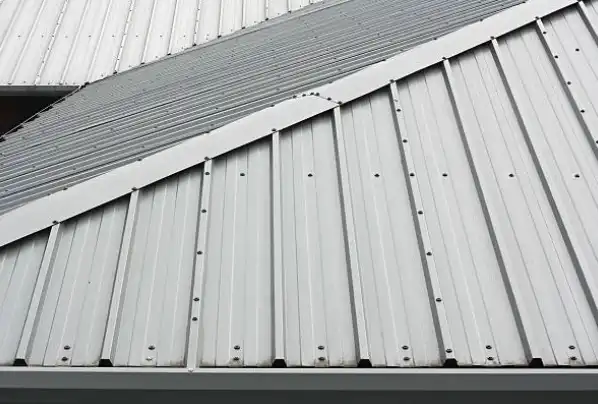
Exceptional Durability and Extended Service Life for Commercial Applications
When commercial building owners invest in roofing systems, longevity directly impacts total cost of ownership and operational continuity. Corrugated roofing metal panels deliver exceptional durability through their distinctive wavy surface structure, which fundamentally enhances structural performance compared to flat roofing materials. The corrugated design creates a series of ridges and valleys that increase the panel's moment of inertia, dramatically improving its ability to resist bending forces and distribute loads across the entire surface area. The engineering behind corrugated metal sheets transforms relatively thin materials into remarkably strong structural components. Through the roll-forming manufacturing process, metals that might otherwise lack sufficient rigidity gain impressive load-bearing capacity. This corrugated structure enables the panels to withstand substantial weight from snow accumulation, equipment installations, and maintenance personnel traffic without deformation or failure. Commercial facilities in regions experiencing heavy snowfall particularly benefit from this enhanced structural integrity, as the panels maintain their shape and functionality under conditions that would compromise alternative roofing materials.
Material selection further extends the service life of corrugated roofing metal panels. Xi'an Huafeng Construction Engineering Co., Ltd. manufactures panels from galvanized steel, aluminum-magnesium-manganese alloys, and stainless steel, each offering distinct performance characteristics. Galvanized steel panels feature hot-dip zinc coating that provides sacrificial protection against corrosion, typically delivering fifteen to thirty years of reliable service. Aluminum-magnesium-manganese panels naturally resist oxidation and can exceed thirty years of performance in demanding environments. The thickness range from 0.4mm to 1.2mm allows customization based on specific structural requirements and budget considerations, ensuring each commercial project receives appropriately engineered solutions. Surface treatment technologies multiply the protective capabilities of corrugated metal sheets. PE (polyester), HDP (high-durability polyester), and PVDF (polyvinylidene fluoride) coatings create additional barriers against ultraviolet radiation, acid rain, industrial pollutants, and temperature extremes. PVDF coatings particularly excel in harsh commercial environments, maintaining color stability and surface integrity for decades while resisting chalking, fading, and chemical degradation. This comprehensive protection system ensures that corrugated roofing metal panels maintain both structural performance and aesthetic appeal throughout their extended service life, eliminating the frequent replacement cycles that burden property owners using conventional roofing materials.
Weather Resistance and Environmental Performance
Commercial facilities require roofing systems capable of withstanding diverse weather challenges while maintaining protective integrity. Corrugated roofing metal panels excel in this demanding role through multiple performance mechanisms. The wavy profile naturally channels water away from the roof surface, preventing ponding that accelerates material degradation and increases leak potential. This self-draining geometry proves particularly valuable for low-slope commercial applications where water accumulation poses persistent challenges for traditional roofing systems. The corrugated groove design facilitates rapid water evacuation during rain events, reducing stress on roofing membranes and minimizing opportunities for water infiltration through fasteners or panel joints. When properly installed with appropriate butyl sealants at panel laps and proper flashing around penetrations, corrugated metal sheets create weather-tight assemblies that protect valuable building contents and mechanical systems from moisture damage. Xi'an Huafeng's manufacturing process ensures precise panel dimensions and consistent corrugation profiles, enabling tight overlaps that enhance weather resistance without requiring excessive sealant application. Wind resistance represents another critical performance factor for commercial roofing systems. The corrugated structure inherently resists wind uplift forces more effectively than flat panels, as the ridges and valleys create mechanical interlocking when panels overlap. The exposed fastener installation method, when executed according to manufacturer specifications, provides secure attachment to structural substrates. Fasteners placed in the crests of corrugations avoid creating water collection points while ensuring adequate withdrawal resistance against wind suction forces. Commercial buildings in hurricane-prone regions or areas experiencing frequent severe storms benefit substantially from this enhanced wind performance.
Cost-Effectiveness and Superior Return on Investment
Budget considerations drive many commercial roofing decisions, making cost-effectiveness a paramount concern for facility managers and property owners. Corrugated roofing metal panels deliver exceptional value through multiple economic mechanisms that extend far beyond initial material costs. The lightweight nature of corrugated metal sheets significantly reduces transportation expenses compared to heavier roofing materials, allowing efficient shipping from manufacturing facilities to project sites. Xi'an Huafeng operates three factories with seven production lines and more than forty specialized machines, enabling economies of scale that translate into competitive pricing for bulk orders while maintaining stringent quality standards. Installation efficiency provides substantial cost advantages. The corrugated panels' prefabricated nature eliminates time-consuming on-site fabrication, while their modular design enables rapid coverage of large roof areas. Professional installation crews can complete commercial roofing projects significantly faster with corrugated metal sheets compared to built-up roofing systems or complex membrane applications. This accelerated installation timeline reduces labor costs, minimizes building downtime, and allows earlier occupancy or reopening of commercial facilities. The exposed fastener system, though requiring proper technique, remains straightforward for experienced contractors, avoiding the specialized equipment requirements and training needed for more complex roofing profiles.
Long-term maintenance costs represent a frequently overlooked component of total ownership expenses. Corrugated roofing metal panels require minimal maintenance compared to alternative commercial roofing systems. The panels naturally resist common roofing problems including organic growth, insect damage, and material deterioration from ultraviolet exposure. Periodic inspections to verify fastener tightness and sealant integrity constitute the primary maintenance requirement, representing minimal expense compared to the frequent repairs, coating reapplications, and partial replacements demanded by many conventional roofing systems. This reduced maintenance burden directly improves operational budgets and frees facility management resources for other priorities. The thirty-year warranty provided by Xi'an Huafeng demonstrates confidence in product longevity and provides property owners with valuable financial protection. This extended warranty coverage reduces risk exposure and supports accurate long-term financial planning for commercial real estate portfolios. When amortized over the full service life, the cost per year of corrugated roofing metal panels frequently undercuts alternatives that appear less expensive initially but require replacement multiple times over the same period.
Energy Efficiency and Operational Cost Reduction
Rising energy costs make building efficiency increasingly important for commercial property economics. Corrugated roofing metal panels contribute to reduced energy consumption through multiple thermal management mechanisms. Metal roofing naturally reflects solar radiation rather than absorbing it like dark asphalt or conventional built-up roofing systems. This inherent reflectivity reduces heat transfer into building interiors, lessening the burden on air conditioning systems during warm months. The temperature reduction can be substantial in hot climates, directly translating into lower electricity consumption and reduced utility expenses. Specialized cool-roof coatings further enhance the thermal performance of corrugated metal sheets. These highly reflective finishes maximize solar reflectance while increasing thermal emissivity, allowing the roof surface to reject absorbed heat more effectively. Commercial buildings utilizing cool-roof technology on corrugated roofing metal panels can experience roof surface temperature reductions of twenty to thirty degrees Celsius compared to uncoated alternatives, dramatically decreasing cooling loads. Many jurisdictions now provide incentives, tax credits, or expedited permitting for energy-efficient roofing systems, potentially offsetting material and installation costs.
The thermal mass characteristics of metal roofing also influence building performance. Unlike heavy masonry roofing materials that absorb and slowly release heat, corrugated metal sheets respond quickly to temperature changes. This rapid thermal response prevents prolonged heat retention after sunset, allowing buildings to cool more efficiently during evening hours. The effect proves particularly valuable for commercial facilities operating primarily during daytime hours, as the building envelope dissipates accumulated heat before the next business day. Proper insulation integration maximizes the energy performance of corrugated roofing metal panels. The air space created by the corrugated profile itself provides modest insulation value, while rigid insulation boards or spray foam applications between the panels and the roof deck create comprehensive thermal barriers. Xi'an Huafeng's design engineering services help optimize insulation strategies for specific climate zones and building uses, ensuring that corrugated metal roofing systems deliver maximum energy savings while meeting local building code requirements.
Versatile Customization and Aesthetic Flexibility
Commercial architecture demands roofing solutions that satisfy functional requirements without compromising design intent. Corrugated roofing metal panels provide remarkable versatility for diverse architectural visions while maintaining superior performance characteristics. The ability to customize dimensions represents a fundamental advantage—panels can be manufactured in lengths from one to thirteen meters according to project specifications, minimizing waste and reducing the number of transverse seams that require weatherproofing. This customization capability proves invaluable for complex roof geometries or buildings with unique dimensional requirements that standardized materials cannot accommodate efficiently. Color and finish options enable precise coordination with overall building aesthetics. Xi'an Huafeng offers comprehensive color customization through advanced coating technologies, allowing commercial property owners to select hues that complement corporate branding, blend with surrounding environments, or create distinctive architectural statements. The coating systems utilize pigments that maintain color stability throughout the service life, preventing the fading and chalking that compromise the appearance of lesser-quality coated metals. Pattern customization extends beyond simple color selection, encompassing embossed textures and specialty finishes that add visual depth and architectural interest to what might otherwise appear as utilitarian roofing surfaces.
Material selection provides additional customization opportunities. Different base metals offer distinct aesthetic characteristics alongside their performance attributes. Aluminum-magnesium-manganese panels present a contemporary appearance while delivering exceptional corrosion resistance for coastal commercial properties. Stainless steel options provide premium aesthetics with mirror-like finishes suitable for high-profile commercial developments where appearance significantly influences property value. Galvanized steel remains popular for industrial applications where durability and cost-effectiveness outweigh aesthetic refinement. This material diversity ensures appropriate solutions exist for virtually any commercial roofing application.
Applications Across Commercial Building Types
The versatility of corrugated metal sheets extends to their suitability for diverse commercial building types and applications. Industrial warehouses benefit from the panels' ability to span substantial distances between structural supports, reducing required substrate density and overall structural costs. Manufacturing facilities appreciate the fire resistance classification of metal roofing, which supports risk management objectives and may reduce insurance premiums. Distribution centers capitalize on the rapid installation timeline to minimize construction-related operational disruptions. Retail developments increasingly specify corrugated roofing metal panels for their contemporary aesthetic appeal and long-term value proposition. Shopping centers, big-box retailers, and strip mall developments benefit from minimal maintenance requirements that reduce lifecycle costs while maintaining attractive appearances that support customer engagement. The material's resistance to impact damage from hail or debris proves particularly valuable for retail properties in severe weather regions, protecting inventory and avoiding costly business interruptions from roof failures. Office complexes and commercial mixed-use developments utilize corrugated roofing metal panels to achieve LEED certification goals and demonstrate environmental responsibility. The high recycled content of steel and aluminum panels contributes toward materials credits, while their energy performance supports building efficiency objectives. At end-of-life, the panels remain fully recyclable, supporting circular economy principles increasingly important to corporate sustainability programs and tenant attraction strategies.
Sustainable Construction and Environmental Responsibility
Environmental considerations increasingly influence commercial construction decisions as organizations pursue sustainability goals and respond to stakeholder expectations. Corrugated roofing metal panels align exceptionally well with green building objectives through multiple mechanisms. The recyclability of metal roofing materials represents perhaps the most significant environmental advantage—steel and aluminum panels maintain material value throughout their service life and can be recycled indefinitely without quality degradation. This closed-loop material flow dramatically reduces environmental impact