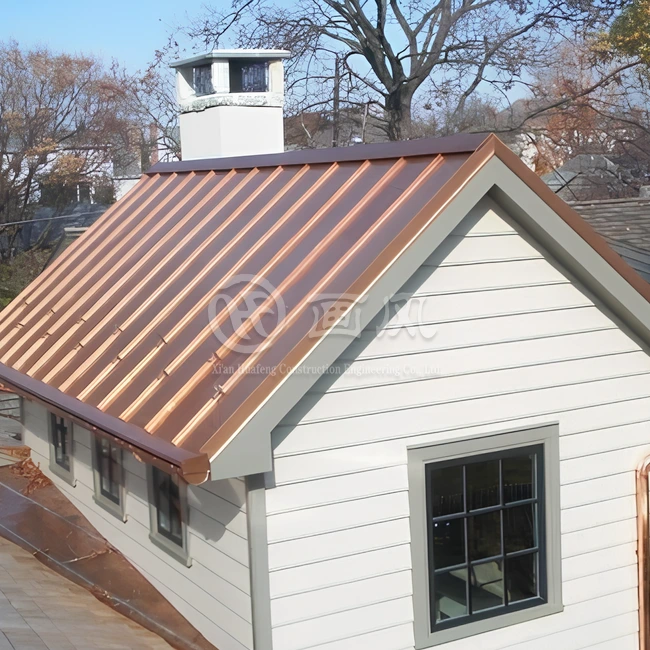
Why Vertical Standing Seam Metal Cladding is Perfect for Commercial Properties
2026-05-25 21:03:06
Whenever we talk to procurement officers and builders in charge of big commercial projects, vertical standing seam metal cladding always comes up as the best material for building envelopes. This building method has been used successfully in the past to make business buildings last longer, look better, and save money over their entire lifetime. Vertical standing seam metal cladding uses automatically interlocked seams that run vertically from the base to the parapet, fully hiding fasteners while allowing controlled heat movement. This is in contrast to conventional horizontal lap systems or exposed-fastener panels. This design gets rid of common failure points caused by gaskets wearing down around holes and fixes problems with water getting into traditional covering systems. This technology is useful for business developers who want to protect their assets for a long time because it comes with a 30-year guarantee and meets ISO9001, ISO14000:14001, and SGS standards.
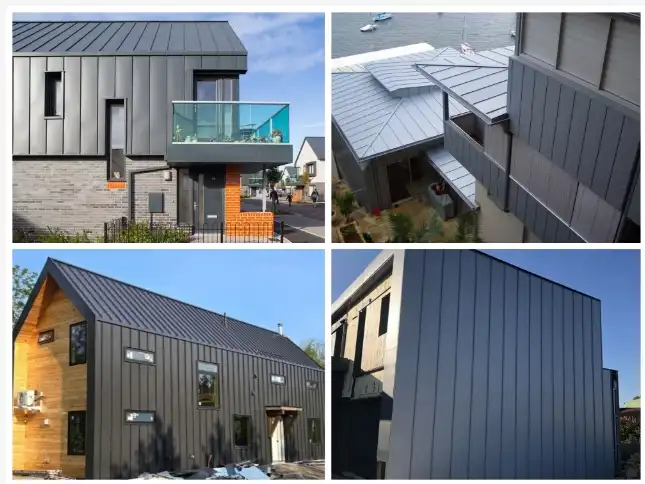
Understanding Vertical Standing Seam Metal Cladding
What Defines This System
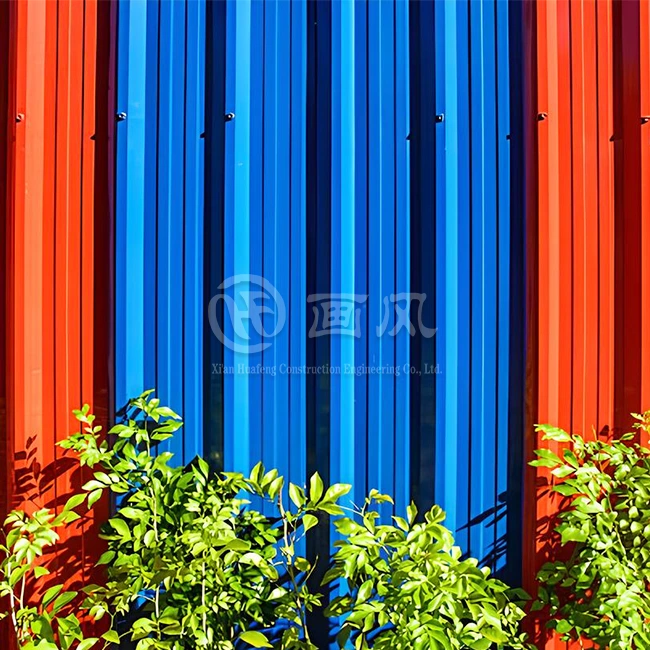
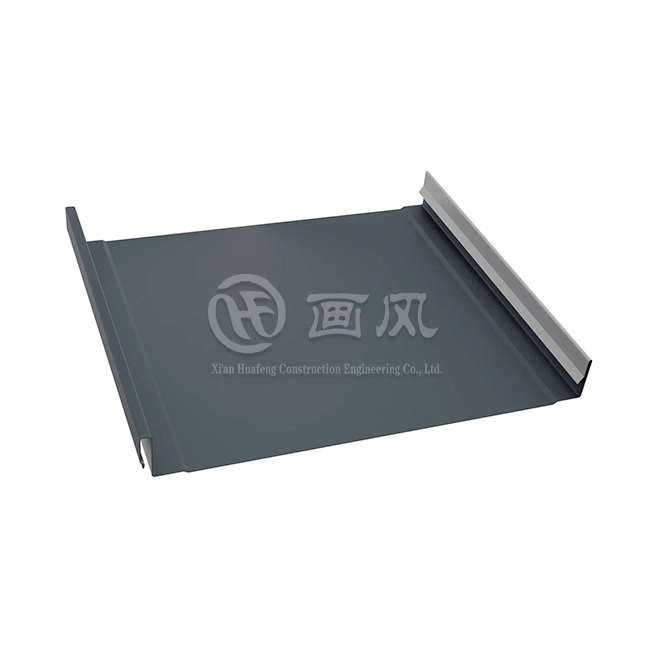
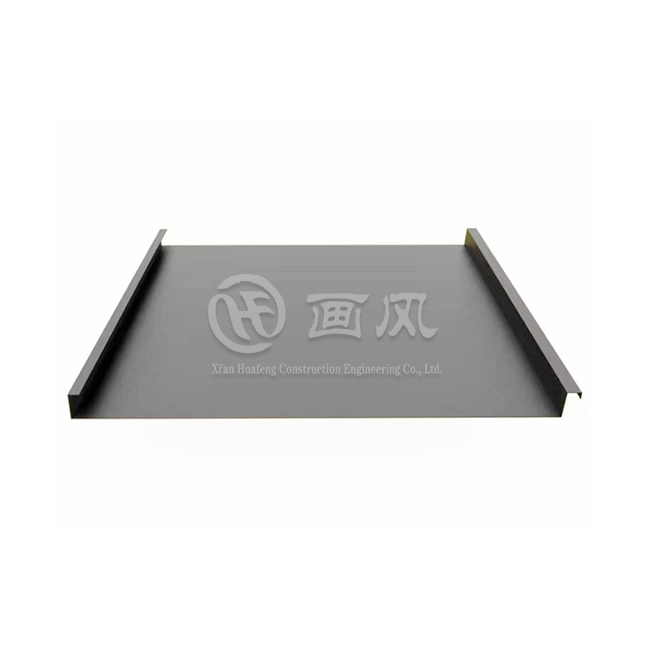
Vertical standing seam metal cladding uses panel sides that are turned over and automatically lock together to make a continuous shield against the weather that doesn't have any obvious fasteners. The system works with panels held in place by hidden clips that are connected to the building's base. The panels can be fastened with sliding or fixed fasteners that can handle thermal expansion. Rib heights between 25 mm and 65 mm add depth to the structure, making it more resistant to wind lifting and giving it the clean, vertical lines that are typical of modern business architecture. When panels are made in the mill, they can be longer than 12 meters, which greatly reduces the number of seams and possible leak places that need to be made on-site.
Materials and Coating Technologies
Aluminum-zinc-coated steel (AZ150), aluminum alloys (AA3003/AA5052), stainless steel, and specialty metals like copper or zinc are all commercial-grade surfaces. Panels are usually between 0.7mm and 1.5mm thick, but this can change based on the span needed and the wind load estimates. Choosing between PE, HDP, and PVDF finishes has a big effect on how long they last and how well they work. PVDF (polyvinylidene fluoride) coatings that meet AAMA 2605 standards are better at resisting chalking and keeping their color for a long time, even in tough UV conditions. These polyester finishes are very resistant to weather and chemicals that are common in industrial areas or coastal temperatures. They join molecularly with the metal substrate.
Distinction from Alternative Cladding
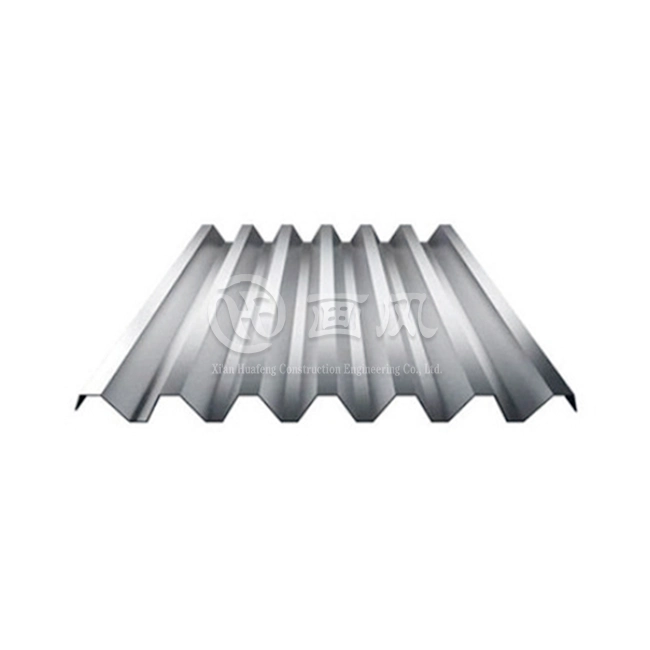
When it comes to drainage, vertical panel arrangement is better than horizontal lap siding. Instead of pooling behind horizontal gaps, where capillary action can pull water in, water flows downward along seams. Even though corrugated panels are cheap, they don't have the sleek look or hidden fastener benefits that business clients want for corporate offices or mixed-use projects. The vertical standing seam shape gets rid of the "agricultural" look that comes with wavy corrugations and replaces it with straight lines that highlight the height of the building and modern design ideas.
Key Benefits of Vertical Standing Seam Metal Cladding for Commercial Properties
Unmatched Durability and Safety Compliance
The climate is tough on commercial buildings all year long. Class A fire ratings are given by metal coating systems according to EN13501-1 standards. This means they meet the strict safety requirements for high-rise buildings and public gathering halls. The mechanical seaming makes double-lock connections that can withstand wind pressures above 3.0kPa, making them suitable for areas that are prone to typhoons or building peaks that are open to the weather. Corrosion protection is very important in coastal or industrial areas where chemicals and salt spray make materials break down faster. Aluminum bases naturally protect themselves from chloride attack, and coated steel choices with protective zinc layers last for decades before they need any upkeep.
The strong performance profile we've seen in hundreds of business setups can be seen in the following traits:
- Weather Resistance: The 360-degree automatic lock seam makes a shield against water that keeps it out, even when it's pouring rain. Any water that gets into the pressure-equalized rainscreen assembly is handled by drainage planes that are hidden behind panels.
- Structural Integrity: The ability to span up to 10 meters without a middle support means that less structural steel is needed. The upright lock-edge design makes longitudinal load bearing better, spreading wind and snow loads across the building frame more effectively.
- Thermal Movement Accommodation: Panels can easily expand and shrink during thermal cycling thanks to sliding clip systems. This stops panel buckling, fastener wear, and stress-induced oil canning, all of which lower the quality of the view in controlled systems.
These improvements in performance directly lead to lower insurance rates and less risk for property owners who manage business real estate investments. The people who run buildings like systems that don't need many fixes during bad weather.
Energy Efficiency and Green Building Credentials
Commercial property managers are putting more and more emphasis on lowering running costs by making the building envelope work better. When combined with continuous insulation and air barrier assemblies, metal covering systems make a big difference in how much energy they use. Light-colored PVDF coats reflect light, which lowers the amount of heat that comes in from the sun during the summer. These systems have great heat resistance values that meet LEED certification standards when they are put together with insulation layers in composite wall assemblies.
Studies using energy models show that properly detailed vertical standing seam metal cladding installations cut HVAC runtime by 15 to 20 percent compared to older brick facades that have problems with thermal bridging. The airtightness achieved by manually seamed panels cuts down on leakage losses, which are a big reason why a lot of heat and cool air is wasted in regular buildings. Commercial builders who want to get green building certifications look for materials that can be recovered completely and have a high rate of recyclable content. Aluminum and steel cladding goods have these qualities built in.
Design Versatility and Brand Expression
Corporate design requires a distinct, professional style. Vertical standing seam systems allow colour, panel width, and rib shape changes. Designers can create unique façade beats that build brand recognition with 25–330, 65–300, and custom widths (400, 430, and 500mm). Custom colour matching can suit business colour schemes or historic area design.Colour and rough finishes like smooth or embossed patterns make architectural surfaces more attractive to touch. In congested cities, mid-rise structures stand out because straight vertical lines make buildings seem taller. With minimal bending radiuses of 15 metres, they may be employed in stadiums, cultural centres, and unusual office structures to produce organic architectural forms. This flexibility supports creative design aims without compromising business project technical performance.
Lifecycle Cost Advantages
Purchasing officials must consider the total cost of ownership, not just the material price, when choosing a covering. Metal standing seam systems are valuable over 30–50 years. It just has to be washed occasionally, so it doesn't need painting, caulking, or water damage repairs like other siding.Individual panel replacement makes damage repair cheaper. After a localised impact, broken panels may be removed and replaced without damaging surrounding areas or rebuilding the facade. They have cheaper long-term maintenance costs and maintain asset value over ownership cycles since they are versatile. Financial modelling consistently reveals that institutional owners of commercial property portfolios benefit from the absence of significant mid-life modifications and extended warranty coverage, even if beginning prices are greater than economy solutions.
Installation and Procurement Process for Commercial Projects
Site Assessment and System Design
A full analysis of the substrate conditions, structural ability, and external exposure factors is the first step to a successful application. We work closely with structural engineers to make sure that the specs for the frames meet the L/600 planarity standards that keep panels from deforming due to stress. The direction of the building, the typical wind patterns, and the amount of snow in the area all affect the choice of panel thickness and the estimate of clip spacing. To deal with salt spray exposure, coastal projects need specific base requirements and better coating methods.
Fabrication and Quality Control
Precision that can't be achieved with site-based construction is only possible with factory-controlled manufacturing. Panels are rolled out to exact sizes, and the seam shapes are set up so that they fit together perfectly. Our quality control procedures check the thickness of the coating by measuring the dry film and using T-bend adhesion tests to make sure architectural finishes can handle the harsh 180-degree folding at standing seam connections without breaking or delaminating. Pre-finished walls come to the job site ready to be put up, so there is no need for painting in the field and the quality variations that come with it.
Installation Methodology and Timeline
Hidden clip connection methods make installation easier and get rid of the risk of leaks caused by penetration. Before mechanical seamers crimp links to a certain level of pressure, crews place panels upright and engage the male and female seam edges. While skilled work is needed, the process goes quickly compared to options like brick or precast concrete. For special orders, we usually deliver within 15 to 20 days, and we can make up to 1,000 tons of product every month to handle big business projects. The minimum order size of 500 square meters fits well with the normal stages of starting a business.
Procurement Considerations
When choosing providers, people who are in charge of specifications should think about a number of things. Manufacturing standards like ISO9001 for quality management and ISO14000:14001 for environmental compliance show that the process is being controlled in a planned way. Ask for proof of testing for wind lifting according to ASTM E1592, water penetration resistance according to ASTM E1646, and air entry rates according to ASTM E1680. Warranty terms are very important. Our 30-year coverage shows that we trust the longevity of the material and the performance of the finish. When vertical standing seam metal cladding construction is on the key path for fast-track projects, delivery reliability is very important. Beyond just providing basic materials, suppliers who give full expert help, shop drawing review, and field troubleshooting services add a lot of value.
Choosing the Right Vertical Standing Seam Metal Cladding Solution
Material Selection Criteria
Depending on the climate, the right substrates must be chosen. Aluminum alloys or types of stainless steel that don't rust when exposed to salt are best for coastal areas. For Alpine installs, the materials need to be able to bend easily in cold temperatures and shed snow well. Chemicals that are carried through the air in industrial areas require high-end covering systems. The choice of panel width strikes a balance between how well the structure works, how much it weighs, and how much it costs. While thicker sizes reduce the visual confusion of oil canning, they also raise the cost of materials and the load on the structure.
Evaluating Manufacturer Capabilities
Leading providers set themselves apart by managing the whole process, from making the raw materials to applying the end coating. This makes sure that the whole supply line is consistent and can be tracked. Look for companies that offer full testing records, such as rapid aging studies and data from real-world exposure sites. Technical knowledge shows up in the ability to help engineers with complicated shapes, heat movement estimates, and acoustical performance modeling when it comes to reducing noise in occupied areas behind vertical standing seam metal cladding sections.
Supplier Partnership Elements
When providers work with businesses as partners instead of just as sellers, the businesses profit. We have project management teams whose sole job is to coordinate shop drawing submissions, material staging, and just-in-time supply plans that keep on-site storage needs to a minimum. During the most important parts of the fitting process, our expert staff checks to see if the clip engagement and seam crimping meet the requirements. After-sales help includes advice on how to keep the product in good shape, handling of warranties, and the ability to get new panels for future repairs or upgrades.
Conclusion
Vertical standing seam metal cladding meets the basic needs that commercial property developers look for: it has been proven to last for decades, it is energy efficient, which lowers operational costs, it can be designed in a variety of ways to allow for unique architectural expression, and it has a high lifecycle value because it requires little maintenance. The development of the technology has led to better ways of installing it, more material choices, and better finishing technologies that can meet the strictest requirements. This cladding option gives business projects the dependability and good looks they need, whether they're choosing envelope systems for company offices, logistics centers, or mixed-use developments. Because they are strong, don't let water in, and are made from long-lasting materials, vertical standing seam systems are the best choice for procurement workers who are in charge of business building projects.
FAQ
1. What is oil canning and should we be concerned?
When flat panels get wavy because of stress during production, transport, or fitting, this is called "oil canning." As far as I can tell, it's just an aesthetic feature and not a structure flaw or speed issue. This is less of a problem because we use stronger gauge materials, smaller panel lengths, and stiffening ribs (striations) in flat areas. Stress-induced distortion can be avoided by properly preparing the base and keeping its flatness within the L/600 limit. If you're worried about oil canning for high-visibility uses, choosing rough or stamped finishes will hide any small waves while keeping the system's weatherproofing properties.
2. How does the system accommodate thermal expansion?
When temperatures change with the seasons, metal panels' sizes change by a lot. There are both fixed and sliding connection places on our concealed clip systems. The fixed clips hold the panel in place, while the moving clips allow the panel to move freely up and down as the temperature rises or falls. This designed movement accommodation stops panel buckling, seam distortion, and worn-out fasteners that would happen in tightly controlled systems, ensuring long-term performance integrity.
3. What fire rating does this cladding achieve?
When properly stated, vertical standing seam metal cladding systems get Class A fire ratings, which means they are made of non-flammable metal and can be used in high-rise buildings and other places that need to follow strict fire safety rules. The overall rating of the assembly relies on the types of substrate, insulation, and air barrier components used. If fire performance is a key factor in your business project, we suggest that you get full testing paperwork.
Partner with HF for Your Commercial Cladding Needs
HF provides engineered solutions for business buildings all over North America. They are a vertical standing seam metal cladding maker with modern production tools and ISO-certified quality systems. Our factory in Anhui is 200,000 square meters and has seven finishing lines and special roll-forming tools that make panels that are exactly what you need. We offer full customization, including matching colors, making new patterns, and designing profiles that fit the needs of your project.
Our expert team helps with everything, from coming up with the initial specifications to overseeing the installation and planning for long-term upkeep. We work with builders and developers who have to meet tight business deadlines because we can deliver in 15 to 20 days, make 1,000 tons of products every month, and back up every installation with a 30-year guarantee. Email our team at huafeng@hfmetalroof.com to talk about how our vertical standing seam metal cladding for sale can meet the needs of your next project. We'll give you thorough product information, case studies from similar projects, and custom samples that show you the different quality and finish choices for your business property investment.
References
1. American Architectural Manufacturers Association. "AAMA 2605: Voluntary Specification, Performance Requirements and Test Procedures for Superior Performing Organic Coatings on Aluminum Extrusions and Panels." 2020.
2. Smith, Robert D. "Metal Wall Systems Design Manual." Building Envelope Technology and Applications Conference Proceedings, 2019.
3. National Roofing Contractors Association. "Metal Panel Association Technical Bulletin: Standing Seam Metal Roof Systems." 2021.
4. Chen, David and Martinez, Elena. "Life Cycle Cost Analysis of Commercial Building Cladding Systems." Journal of Architectural Engineering, Volume 28, 2022.
5. Green Building Council. "LEED v4.1 Building Design and Construction: Material Selection Credits for Metal Building Envelopes." 2023.
6. Peterson, James K. "Performance Testing Standards for Metal Wall Panel Systems: Water Penetration, Air Infiltration, and Structural Loading." Construction Specifier Magazine, 2021.





YOU MAY LIKE
_1768552571575.jpg "Aluminium Fascias")
_1757558889992.webp "Metal Roofing Snowguards")