Why Angle Lock Standing Seam Roof Panels Resist Water
2026-11-23 18:02:33
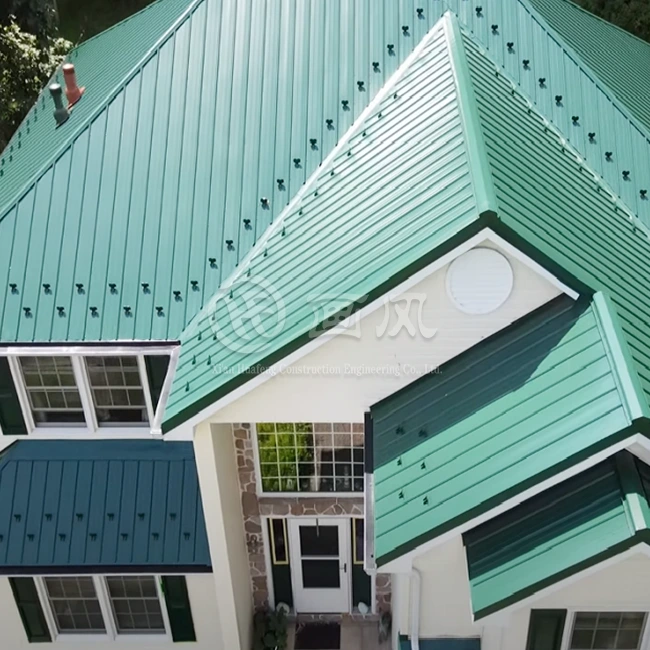
Angle lock standing seam roof panels resist water because their raised seams sit above the surface where rain flows, and their angled, interlocking folds force moisture along a long, indirect path. Concealed clips remove most exposed fasteners, and long continuous panels reduce the horizontal end laps where leaks often start. At HF, we see these features perform best when slope, flashing, underlayment, and seaming match the tested system. In this article, we explain how the seam works, what goes into the panel, and how contractors and distributors can specify a roof that stays dry.

How Angle Lock Standing Seam Roof Panel Seams Resist Water
Raised Seams Keep Joints Above the Drainage Plane
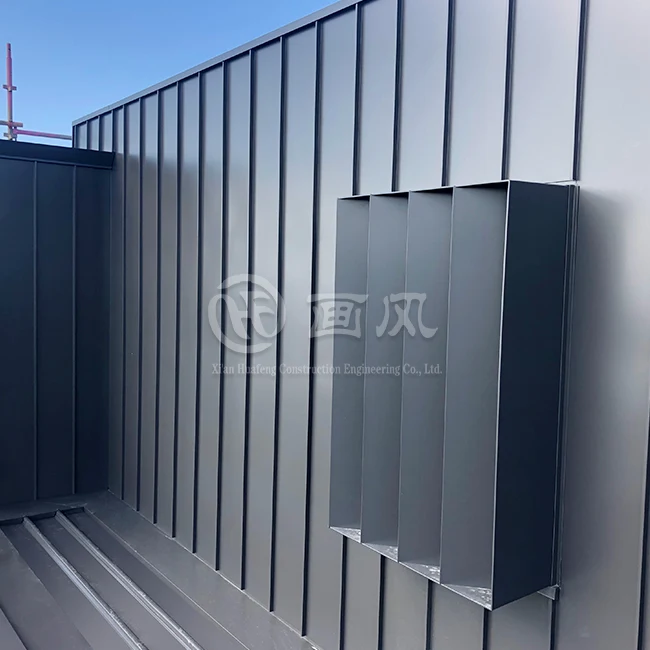
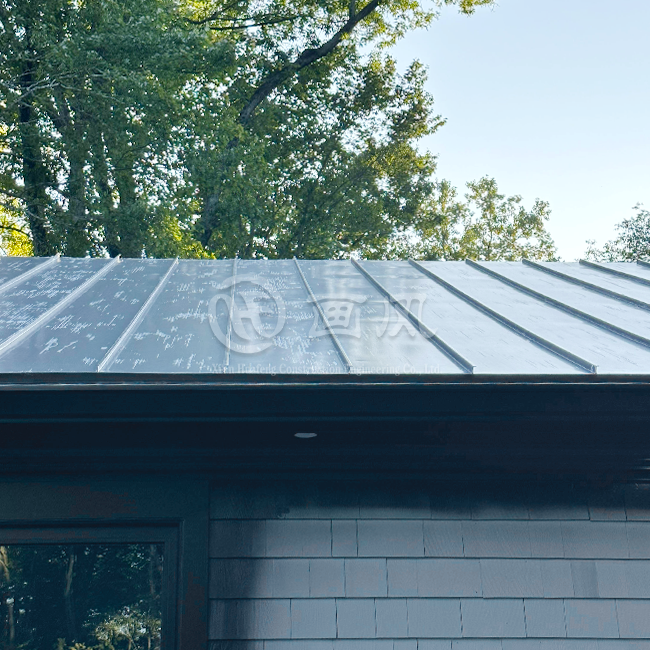
The seam will rise up from the flat pan on a roof panel if it gets wet. Between 50 mm and 115 mm, or 2 inches to 4.5 inches, high, the HF line's ribs are found. Rain or snow can't get to the joint because it's too high up. Before the water can get there, it has to rise. It's being pushed down by weight. The pan moves the water to the gutter when it rains hard, but the joint stays dry. The panel is stronger when the ribs are higher, which helps the seam stay straight when it's full.
Angled, Interlocking Folds Lengthen the Water Path
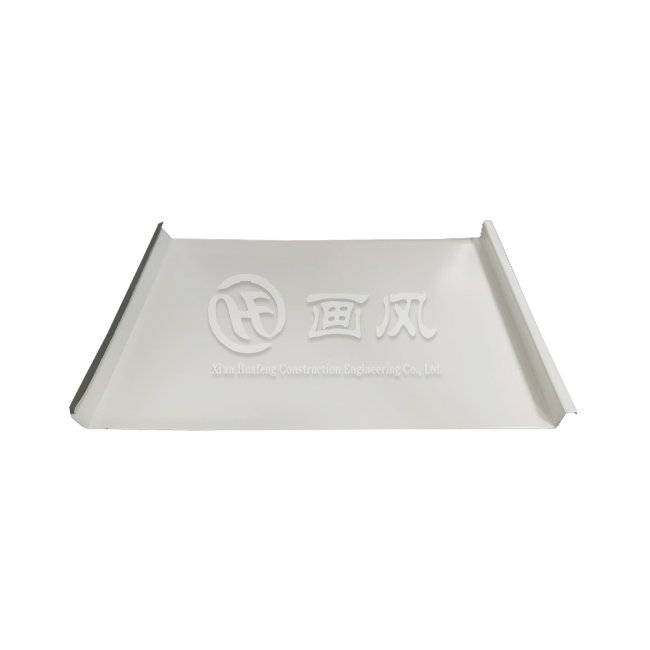
There is a woman in the first panel, and the man leg of the next panel goes around her. Each leg is bent because the fold isn't straight and the joint isn't in a line. Instead, it has several turns. To get to the joint, the water has to go up, down, and around those turns. The ground has very small holes that let water flow through. The path should be short and smooth for this process to work best. When the fold is closed with a machine, the legs are very close to each other. In some styles, the female leg comes with a factory sealer that lets you work on a low slope. This should be shown on the plans.
Concealed Clips and Continuous Lengths Remove Weak Points
In a roof that is held together through screws, each screw needs a washer to work. The sun and weather can damage these washers over time. Angle lock standing seam roof panels don't show screw heads in the roof field because the clips are hidden under the seam. The clips let the panel move when the weather changes, which keeps the seam from getting too tight. Also, length is important. HF can give you panels that are straight and up to 13 meters (42 feet) long. This means that many roof runs don't need end laps. There is less seam to check when there is less room between gaps. Still, seam geometry doesn't mean the roof will always stay dry. The slope, flashing, and floor all had to be done with this system.
The Construction of Angle Lock Standing Seam Roof Panels
Core Materials and Substrates
HF has three different types of angle lock standing seam roof panels. People who live near the coast can use alloys from the 3004 and 5052 types because they are light and won't rust. For business use, aluminum-zinc steel (AZ150) is cheap and lasts a long time. Stainless steel can be used in tough places where other metals would probably rust. Panels can be as thin as 0.7 mm or as thick as 1.2 mm, depending on what they need to do. Since the gage number for steel and aluminum is not the same, buyers in the US should compare the thickness instead. We call this the substrate. Make sure that your engineer and the people in charge of the local codes will accept it before you place your order.
Profile Dimensions That Affect Fit and Labor
The form of the outline tells you how the panel will work in real life. It works best with a range of 300 mm to 600 mm, or 12 inches to 24 inches. The ribs are 50 mm to 115 mm tall. Wavy panels that aren't very wide stand out less, while bigger panels cover a roof more quickly. Before they place an order, builders should make sure that the seam goes with the shape of their tools for sewing seams. If they don't fit, it could cost more. Take a picture of yourself and give yourself a small cut so that your boss can check the lock on the job site. When you match the character to the habits of your crew, you spend less time cutting and redoing in the field.
Coatings, Colors, and Accessories
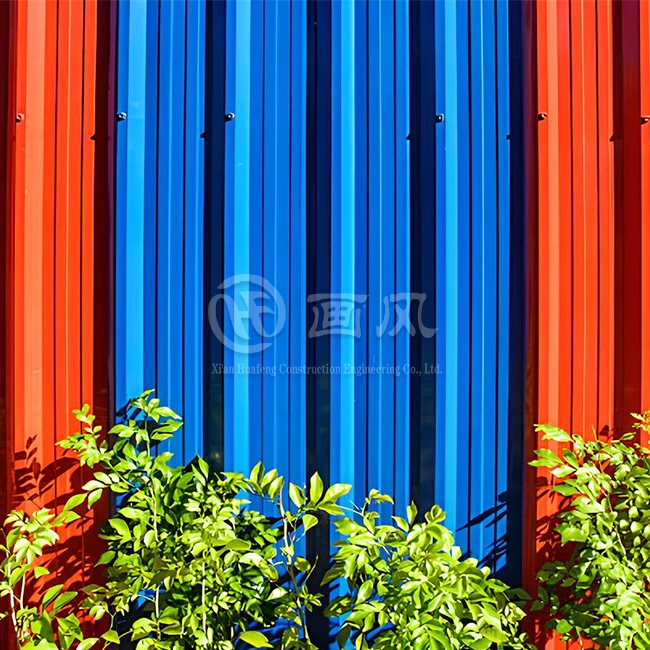
HF uses coatings that are made of PE, HDP, and PVDF. They can be any color you want, not just RAL. PVDF is often used outside since it doesn't fade. PE and HDP work better for projects that don't have a lot of money or time to complete. The company has 7 color finishing lines, so we do the finishing ourselves. Make sure that every order has the same finishing instructions. This way, you can keep an eye on the color of each batch. Caps, valleys, pipe boots, curb flashing, and ridge and eave edges are all things that full roofs need. Plus, HF has all of these items in one place, so you don't have to worry about getting pieces that don't fit together.
Why Installation Quality Determines Water Resistance
Prepare the Deck, Underlayment, and Clip Layout
A roof that doesn't leak starts to take shape before the first panel is put up. See if the deck is level, strong, slopes, and fits with the floor. A wavy base can be seen through thin metal. To choose the right clip spacing and binding type, you should think about the base, building height, roof zones, wind load, and snow load. It needs to have less space between the sides and edges where the wind is stronger. Don't use a rough rule of thumb from a different job. Instead, follow the plan made by the engineer and the drawings made by the manufacturer. The first piece should be square. It starts out as a small mistake but grows to cover the whole roof and put stress on the seams.
Seaming Procedure and Full Engagement
Each seam has to lock all the way along its length. Things are easier to move when there is a hole that is only half closed. Make sure the closed seam meets the manufacturer's requirements, and use the seamer that was suggested for the shape. Also, clean the wheels on the machine so they don't damage the finish. Every morning, try out a short cut. Any seam that looks like it's open should be marked and checked again. When seam check crews take pictures, the owner can use those pictures as proof if there is ever a claim.
Flashing and Penetration Details
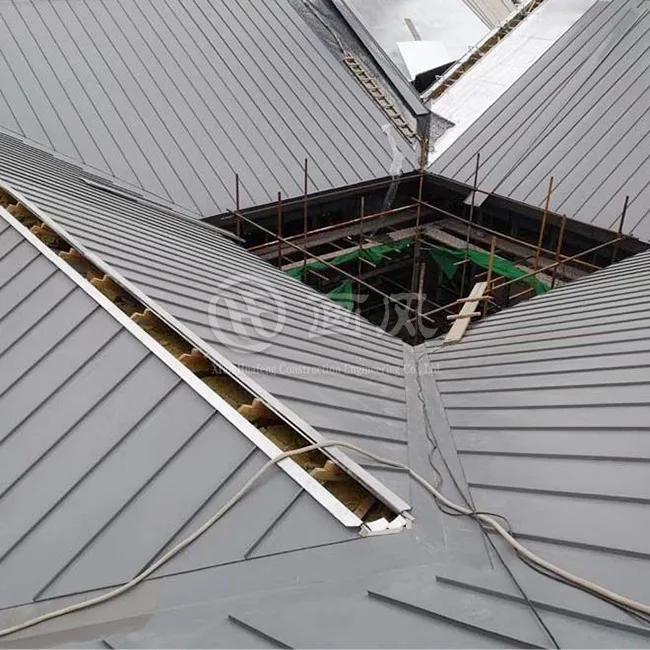
What makes a roof leak in real life is the flashing and how well the work was done. There are breaks in the smooth seam pattern, such as slopes, hills, valleys, wall changes, windows, HVAC curbs, chimneys, and pipe holes. There must be a clear picture for each form, and the sealant must be put where the picture says to. Metal pieces must also be used to let the heat move. Steels that don't work well together shouldn't be mixed in flashings because galvanic corrosion can wear them down over time. Take a picture of every part of it before you cover it up. They are easy to put together if you buy them from the same company.
Performance Factors That Influence Water and Weather Resistance
Wind and Snow Loads
If the roof pieces fall off in a storm, it doesn't matter if you don't get wet. The panel's width, how the seams are locked, the clip type, the space between the fasteners, and the base's strength are what make it strong against wind. In the US, people often ask for the ASTM E1592 test. When the air pressure stays the same, it checks how well sheet metal roofs hold up. ASTM E2140 checks how well the material can handle a steady water head, which is important in places with gentle hills. Different parts of the slope, the frame, the panel spans, the amount of drift, and the parts that hold it up must all work together when it snows. Anyone, even HF, can give you test data that works with the part you want to make.
Thermal Movement, Climate, and Coating Choice
Every day, a metal like steel or aluminum gets bigger or smaller. Silver and steel both change size by the same amount when the temperature does. The seam can be moved without damaging it if you use floating clips, slotted connections, and well-thought-out flashings. It also matters what the weather is like. There are various things that can harm coats and edges in various ways. Some of these are UV light, humidity, pollution from factories and fields, salt from the coast, and the cycles of freeze-thaw. PVDF is often used in places that get a lot of sun, while aluminum is better for places that are close to water. Before you compare prices on HF, read the terms for finishing, perforation, and fitting. This will help you save money.
Comparison With Other Metal Roofing Systems
At first, angle lock standing seam roof panels cost more than exposed-fastener panels, but they hide the fasteners and keep the washers from wearing out. You would need a seaming machine and someone who knows how to use it to sew a lock by hand. This might work better than snap-lock panels. Metal roofing has more holes and doesn't look as good as standing seam systems, but they last longer and cost more. When you need something light and close to the coast, aluminum is a good choice. Steel costs more and is stronger. For some types of locks, like angle lock, snap-lock, and mechanical lock, it's easier to see the pictures than the names.
How to Specify and Purchase Angle Lock Standing Seam Roof Panels
Write a Precise Procurement Brief
You can compare quotes once you have a clear brief. Include the project's location, the roof's size and slope, the base, the panels' lengths, the material, their thickness, their finish, their color, the wind and snow loads, the test results that are needed, and the address where the panels will be sent. Explain what kind of seamer your crew has. Tell them what kind of packaging you need and how long you need it to be. Long pieces can bend while being shipped if the box isn't heavy-duty. So there are no surprises at the end, the prices for the panels, clips, bolts, flashings, underlayment, closures, and seals should all be set as a single unit. If the brief is clear, there is less going back and forth and changes that cost a lot of money that need to be made after work starts.
Check Supplier Capacity, Lead Time, and Order Terms
With the checks, they'll make sure your plan is safe. Xi'an Huafeng Construction Engineering Co., Ltd. is a company that was started in 2018 and says it can deliver 1,000 tons of goods every month with an order size of at least 500 square meters, or 5,380 square feet. In 15 to 20 days, we can finish this. The plant that makes fuel is 200,000 square meters and is in Anhui. It also has food-making plants in Xi'an and Hangzhou. They follow SGS rules and have more than 20 roofing system trademarks that are all good. ISO9001 and ISO14001 are just two of the certifications they have. What about tracking, export packaging, and how freight and duty costs are shown? This will help you get a clear picture of the landed price.
Maintain the Roof After Installation
It's important to take care of the water proof you bought. The owner should check the roof at least once a year and after bad weather. The owner should check the roof's cracks, flashings, drainage paths, sealants, latches, holes, rust, and parts that keep the snow in. Getting rid of leaves and other trash shouldn't be done with rough tools or cleaners that could damage the covering. Do not use finishes that have not been approved, harsh chemicals, or areas that are not supported. To fix a leak, you should first find out where it's coming from and why. This is because water often moves along the subfloor before it shows up on the floor. Follow the manufacturer's instructions to fix any seams, clips, or flashings.
Conclusion
Angle lock standing seam roof panels keep water out in a number of ways, including raised seams that sit above the drainage surface, angled folds that make the water path longer, hidden clips that hide screws, and long panels that don't have many end laps. How it turns out depends on the slope, the floor, the brightness, the distance between the clips, and how carefully the lines are sewn. The material, feature size, and finish should all be based on the weather. The testing for wind, snow, and water shows that the whole thing works well. You can see that this roof costs more up front than snap-lock and exposed-fastener roofs, but it has fewer holes in it. There is a clear buying brief, suppliers are checked, and the roof is looked at once a year to make sure it stays dry.
FAQ
1. Are angle lock standing seam roof panels waterproof on their own?
Not at all. The seam design keeps water out, but how well it works also depends on the slope, the flashing, the floor, the distance between the clips, and the quality of the work. Follow the maker's instructions and ask for information about how well the assembly has been tested.
2. How does an angle lock differ from a snap-lock profile?
You press the sides of a snap-lock together to close it. For a better fit, you should use a seaming machine to close an angle lock. You can tell who made something by its name, but the drawings are what really matter.
3. What affects selection besides price?
The weather, the height of the seams, the length and thickness of the custom panels, and the accessories all play a part. HF has ribs that are 50 mm to 115 mm high and up to 13 meters long.
4. Can I order custom colors?
Yes, HF can make coats for PE, HDP, and PVDF in RAL colors and other custom colors. It takes at least 500 square meters to place an order.
Request Angle Lock Standing Seam Roof Panels from HF
Want a business that makes angle lock standing seam roof panels and knows how to work with distributors and contractors? To get your roof built, please email huafeng@hfmetalroof.com with the roof's number, finish, color, and where you want it to go. We reply with profile drawings, pricing details, material options, and a warranty that lasts for 30 years. We can also send things in 15–20 days and can handle 1,000 tons of stuff every month. Go to hfmetalroof.com to find out more about the thing. Make sure that the systems work well with each other before you compare prices per square foot.
References
1. NRCA, The NRCA Roofing Manual: Metal Panel and SPF Roof Systems, 2019
2. SMACNA, Architectural Sheet Metal Manual, 7th Edition, 2012
3. ASTM International, ASTM E1592: Standard Test Method for Structural Performance of Sheet Metal Roof and Siding Systems by Uniform Static Air Pressure Difference, 2017
4. ASTM International, ASTM E2140: Standard Test Method for Water Penetration of Metal Roof Panel Systems by Static Water Pressure Head, 2016
5. International Code Council, International Building Code, 2021
6. AAMA, AAMA 2605-22: Voluntary Specification, Performance Requirements and Test Procedures for Superior Performing Organic Coatings on Aluminum Extrusions and Panels, 2022





YOU MAY LIKE
_1757558889992.webp "Metal Roofing Snowguards")