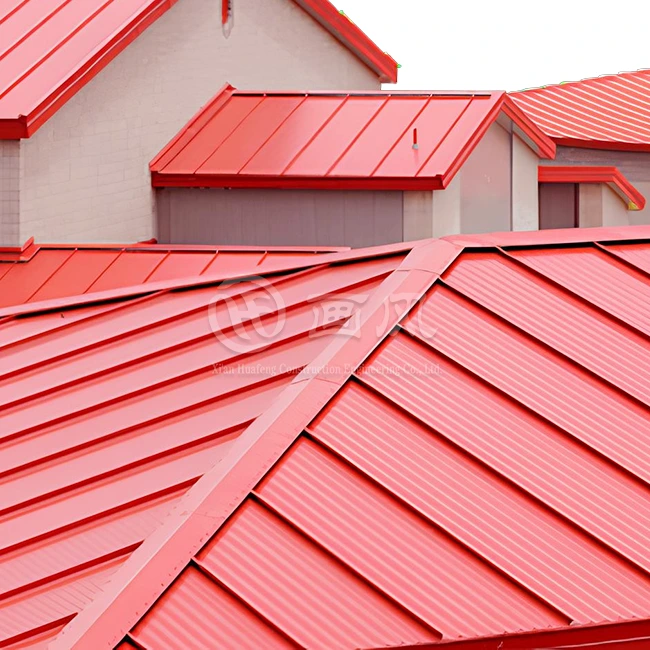
How Angle Lock Standing Seam Roof Panels Handle Thermal Movement
2026-11-23 18:02:34
Angle lock standing seam roof panels handle thermal movement through concealed sliding clips that let each panel expand and contract along its length. The interlocked seam keeps the roof weathertight while this happens. Fixed points anchor each panel at a chosen location, so movement travels in a planned direction toward trims that stay flexible. Panel length, metal type, coating color, and flashing details all change how far a panel moves. In this guide, I explain how the system works, how to estimate movement, how crews should install it, and what buyers should confirm before ordering.

Why Thermal Movement Matters in Standing Seam Metal Roofing
How Metal Panels Expand and Contract
If the sun heats up metal, it gets bigger. If the air cools it down at night, it gets smaller. The length of the panel changes, so a short panel for a house doesn't move much, but a long panel for a building can move a lot. It's also important what color your roof is. Dark coatings soak up more heat from the sun, making your home hotter. Moving that much puts stress on the bolts, seams, and trims if the roof can't handle it. Long-term stress that isn't let out can show up as broken seams, oil cans, and cracks or leaks in sealant. I tell builders that movement should be seen as something that was planned for, like roof slope or snow load, rather than something that is found out after the fact.
What Are Angle Lock Standing Seam Roof Panels?
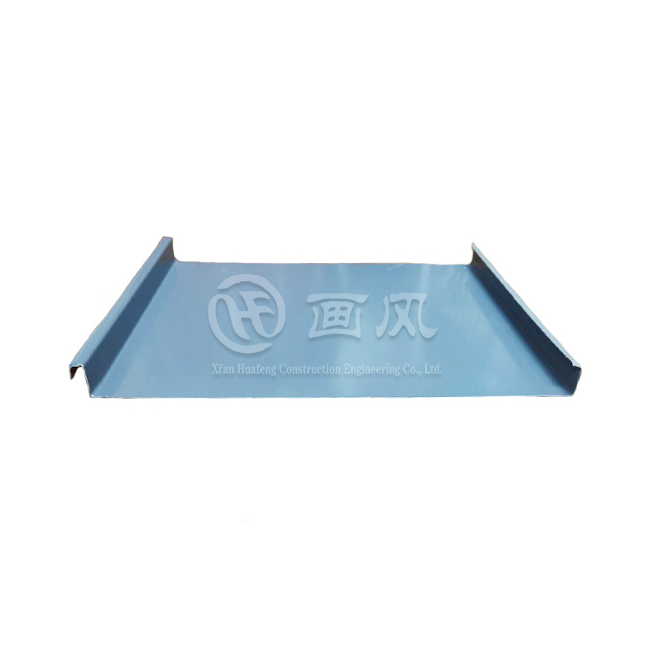
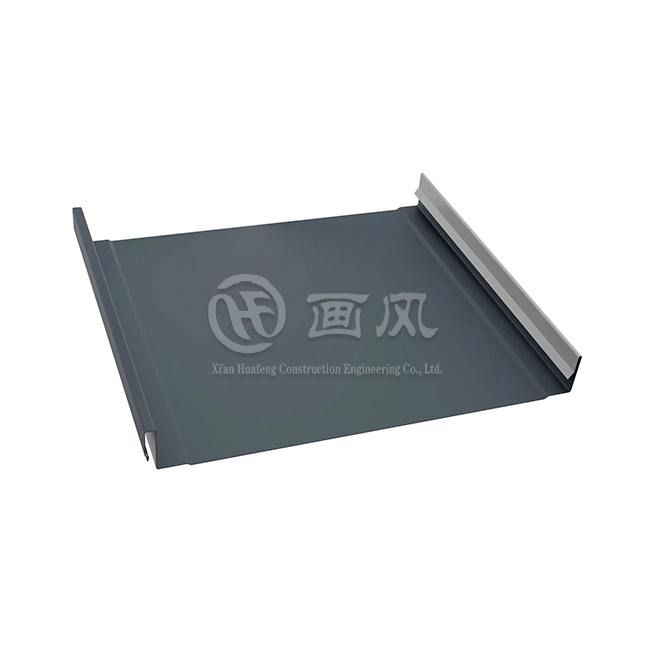
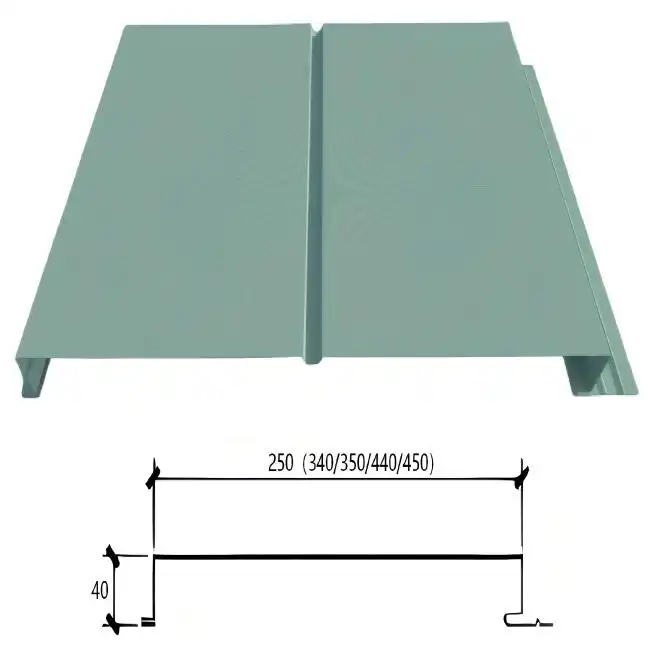
Angle lock standing seam roof panels are made of metal sheets with legs that are connected at the ends and fit together along the edges that are next to each other. You can use a seaming tool to join the legs together, and hidden clips hold the panel to the base. So, the screws won't go through the weather cover. That's how much the seam bends with just one lock. A double lock rolls it up another 90 degrees to make it fit better on low slopes. Before a buyer places an order, I always tell them to ask for profile models and make sure that their seaming tools fit the profile. This is because different manufacturers use different locking shapes.
HF Profile and Material Options
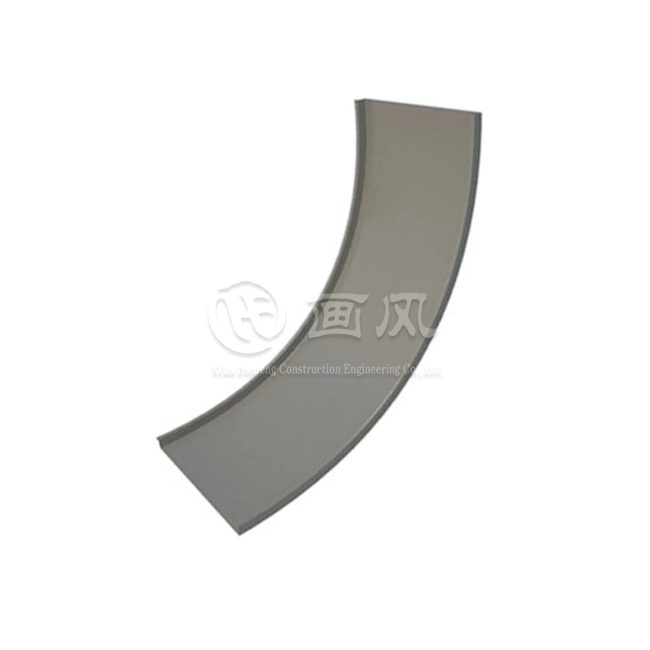
At HF, we make angle lock standing seam roof panels out of stainless steel, aluminum alloy (3004 and 5052 series), and alu-zinc steel (AZ150). The panels can be 300 mm to 600 mm wide, 0.7 mm to 1.2 mm thick, and have ribs that are 50 mm to 115 mm high. Since the panels can be cut to any length up to 42.7 feet, many roofs don't need seams that run across them. For 30 years, materials like PE, HDP, and PVDF come with a guarantee. You can also choose your own colors. For our certifications, we follow the rules set by ISO 9001, ISO 14001, and SGS. To plan for growth, you need to think about color, length, and metal. These things are important.
How Angle Lock Standing Seam Roof Panels Accommodate Thermal Movement
Sliding Clips and Fixed Points
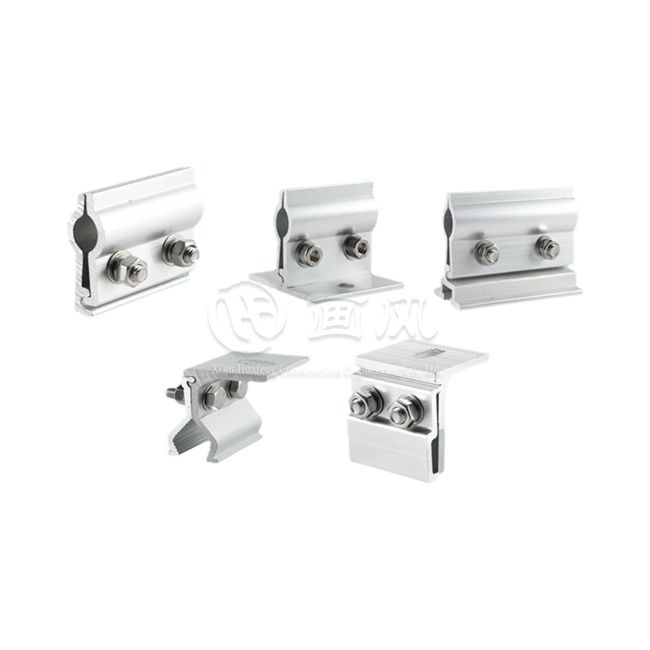
Most of the work is done by the hidden file. It can move along the slope of the roof, but a moving clip keeps it in place when the wind blows. There is a fixed clip in a certain place that holds the panel in place. From that point, things move away. Designers often use the ridge, eave, and trim to help them decide where to put something. The person who made it tried different clip spacing, screw sizes, and substrates based on how much wind the project would get. Something is wrong if a screw is driven too deep or the wrong clip is used to hold a panel in place.
The Role of the Interlocked Seam
The seam stays put while the panel slides on its clips. This keeps the roof dry even when the weather changes. Since seams should stay in place, a part that is made correctly moves with the panel as a whole. If the seam isn't really formed, it can come apart after moving around for a while. On the other hand, if the seam is too compressed, it can bend the leg. Along each run, I think workers should use a measure to check the seam sizes at regular times. The seam isn't a place to put something together, though. The trim must leave enough room at the ends for the panel to move. Clips hold the panel in place.
Estimating Movement With a Simple Formula
To get a rough idea, multiply the movement by the expansion coefficient times the length of the panel times the temperature change. Steel shrinks about 0.0000065 inches per inch per °F, while aluminum shrinks about 0.0000129 inches per °F. There is a 40-foot panel, which is 480 inches, and the temperature on the panel changes by 100°F. Steel moves about 0.31 inches and aluminum moves about 0.62 inches. This metal is nice because it is light and doesn't rust, but it needs about twice as much space to move. You should think of this math as the first step. It is up to the project engineer and the tried system data to make the final call on clip travel and trim.
Installation Details That Control Thermal Movement
Substrate, Clips, and Fasteners
Under the panel is where good movement control starts. The panels stay straight thanks to a flat, lined deck and a flooring that goes with it. This means that the clips can slide without getting stuck. Their clips, screws, spacing, and orientation should all be correct, and they shouldn't be over-driven. Before you put down the first panel, make sure that the profile, clips, and seamer all come from the same group. If you don't do this, it could slow things down in the field. It's also important to have straight starting plates. Pin clips can be used to make a saw-tooth edge at the eave if a panel moves out of square.
Ridge, Eave, Valley, and Penetration Details
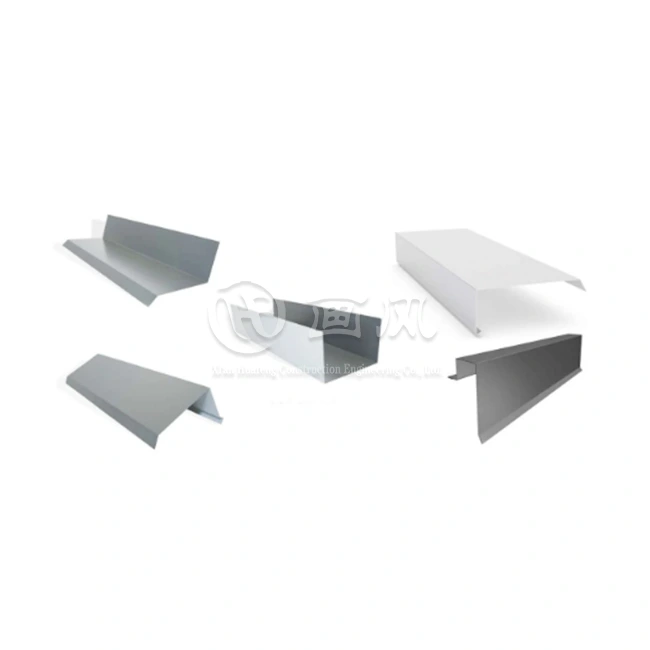
For the most part, trims make it hard to move. Trims for the eaves, valleys, walls, curbs, and ridge caps must have space between them and the panel so that it can slide under them. Moving ribs and sealants that are put in the right place help with long runs. The crew screws a trim into a panel so tightly that the panel can't move. Over time, the fastener or sealant tears. Open holes like vents and snow guards need the same level of care. The panel can move freely because the clamps don't go through the gap. They also don't make any extra holes. Do everything that the maker says to do, and as soon as possible, get drawings of any strange joints.
Mistakes to Avoid and Final Inspection
Thoughts like "panels are rigid," mixing clips and bolts from different systems, fitting edges too tightly, and not taking panel length into account when choosing a metal can all cost a lot of money. Each one can make the fabric buckle, the oil can, the seams stress, or the water leak. If you only look at the price of a panel and decide to buy it, you might miss out on accessories that are missing or profiles that don't work right. Before turning over, teams should make sure that the seams are pressed together, that the clips are laid out correctly, that the fasteners are in place, that the flashing is clear, and that any coating fixes have been made. After that, they should record and take pictures of each of these things. That record can help the owner, the inspector, and the warranty file if there are questions next time.
Comparing Systems, Strengths, and Best-Fit Projects
Angle Lock vs. Snap-Lock, Exposed-Fastener, and Shingles
On slopes that work for them, you can put together snap-lock panels faster by hand. Since angle lock standing seam roof panels need to be sewn together in the field, automatic seaming makes the joint stronger. Most of the time, exposed-fastener panels cost less up front, but the seals wear down. Metal roof shingles last longer, are lighter, and can be recycled than asphalt shingles. Instead of comparing system names, I think you should compare fully tested parts. The slope, the weather, the skill level of the workers, the code, the cost over the lifecycle, and the help from suppliers can all change the answer. The manufacturer's data tells us what the lowest slope is, so make sure you check it for your lock type and profile.
Advantages and Limitations
Angle lock standing seam roof panels make clean shadow lines, hide screws, and come in a lot of different colors. On big roofs, end laps are often where leaks start, and long panels cut down on those. We also know what the limits are. This system isn't as affected by panels that aren't lined up right, rigid flashing, or clips that aren't put in the right place as exposed-fastener panels are. It also needs seaming tools and people who know how to use them. At first, it costs more for work and materials. The owners usually agree to this trade-off because the roof doesn't need much maintenance over its lifetime. A fair review checks out how it looks, how long it lasts, how skilled the crew is, what extras are needed, and how much it will be worth in the long run.
Where These Panels Fit Best
This method is used to fix up metal-over-metal buildings, schools, factories, offices, shopping malls, public buildings, farm buildings, private homes, and metal walls. For long industrial roofs, no end laps are better. For architectural projects, clean seam lines are better. Protecting the roof from the weather is easy with seam clamps that don't need to be drilled. Plan ahead for clip travel and snow retention in places where it snows a lot or where temperatures change a lot from day to day, like many states in the Northern and Mountain West. This will save you time and calls. You might want to try a different assembly if your crew doesn't know how to sew seams well or if the slope doesn't work with the profile.
How to Test, Specify, and Procure Angle Lock Standing Seam Roof Panels
Testing, Coatings, and Weather Resistance
What makes the whole structure weatherproof is the shape of the seams, the width, the distance between the clips, the slope, the flashing, and the fasteners that come free. Any service, not just us, can tell you which reports, such as ASTM E1592 for uplift, ASTM E1646 for water entry, and ASTM E1592 for structural performance, are right for the design. We have a finishes test report from SGS from November 19, 2024. It shows that an aluminum sheet covered with PVDF passed all 13 tests in AAMA 2605-22, with an EH score of 0.3 for color stability. Choose the foundation based on how much water or other chemicals will touch it. This will help you avoid galvanic rusting.
Specification and Supplier Checklist
It's easier to quote when you have a clear specification. Include the warehouse's name, address, metal type, thickness, color code, loads, substrate, extras, and the panel's length and width, as well as the roof's slope and size. Then check the supplier's profile consistency, traceability, capacity, packaging, and technical support. To find out if your coil is from the same lot, you should compare it to a real sample and its RAL code. This will help keep batch color differences to a minimum. For fit, make sure the panel length tolerance and seamer compatibility are clear. The wait time, minimum order, warranty, and Incoterms should all be part of a full price. Since freight and tax rates change, you should check them out before you decide to buy.
What HF Offers Buyers
The Xi'an Huafeng Construction Engineering Co., Ltd. was founded in 2018 and has more than 20 patents that have been registered. HF sells up to 1,000 tons of material every month, and our 500 m² MOQ is small enough for single projects without pushing customers to buy too much. It usually takes 15–20 days for delivery. We have seven color finishing lines, a 200,000 m² plant in Anhui for raw materials, and processing plants in Hangzhou and Xi'an as part of our business network. We also sell roofing parts, like clips and trims, which can be sent with the panels in the same order. We safely pack packages to keep panels safe while they're in transit, and before production starts, our team goes over the movement allowances with you.
Conclusion
Temperature changes can be planned for, and angle lock standing seam roof panels can handle them with a unified system instead of a single part. Panels can move with the help of sliding clips and fixed points. The interlocked seams keep the roof dry. A simple math shows that aluminum can move twice as far as steel. The maximum relies on the type of metal, the length of the panel, and the color of the coil. Installation is just as important as planning. Buckling, oil canning, and leaks can be avoided by using matched clips and seamers, correct fastening, floating trims, and a written inspection. When workers know how to seam, the method works better for long, architectural, and low-slope jobs than snap-lock, exposed-fastener, and shingle roofs. There is less danger before buying when there are confirmed test results, clear specs, and a full quote.
FAQ
1. Do angle lock panels need sliding clips?
Yes. A fixed clip holds each panel in place at one point, while sliding clips let angle lock standing seam roof panels move along their length. The tried-and-true system data and the project's wind loads should guide the type of clip and its spacing.
2. Is aluminum or steel better for long panels?
In every case, neither side wins. Aluminum doesn't rust and is lighter than steel, but it grows about twice as much, so edges need more space around them. Aluminum-zinc steel (AZ150) is lighter and cheaper, but aluminum is often better for coastal places.
3. What information do you need for a quote?
Email huafeng@hfmetalroof.com with the roof measurements, panel lengths, metal, thickness, finish, RAL color, number, accessories, shipping location, and any test results that are needed. Our team will look over the moving limits and get back to you with a full quote.
Request a Quote for HF Angle Lock Standing Seam Roof Panels
Are you planning a long-term roof where movement allowance matters? Feel free to email HF at huafeng@hfmetalroof.com with your drawings, panel lengths, and RAL codes. As an angle lock standing seam roof panels manufacturer, we offer finishes in PVDF, HDP, and PE. Our minimum order amount is 500 m², and we can send your order in 15–20 days. There is also a 30-year promise from us. Just go to hfmetalroof.com to find out more.
References
1. ASTM International, ASTM E1592: Standard Test Method for Structural Performance of Sheet Metal Roof and Siding Systems by Uniform Static Air Pressure Difference, 2005
2. ASTM International, ASTM E1646: Standard Test Method for Water Penetration of Exterior Metal Roof Panel Systems by Uniform Static Air Pressure Difference, 2011
3. Whole Building Design Guide, Metal Roofing Systems, 2016
4. American Architectural Manufacturers Association, AAMA 2605-22: Performance Requirements and Test Procedures for Superior Performing Organic Coatings on Aluminum Extrusions and Panels, 2022
5. ASM International, ASM Handbook, Volume 2: Properties and Selection: Nonferrous Alloys and Special-Purpose Materials, 1990
6. Underwriters Laboratories, UL 580: Tests for Uplift Resistance of Roof Assemblies, 2006





YOU MAY LIKE
_1757558889992.webp "Metal Roofing Snowguards")