Why Aluminum Standing Seam Roofing Panels Suit Coastal Areas
2026-11-13 19:20:27
Aluminum standing seam roofing panels suit coastal areas because aluminum does not form red rust, and the raised seams hide the fasteners that salt air attacks first. A thin oxide film protects the metal from moisture and chloride, while a PVDF coating guards against UV damage and fading. The panels also weigh about one-third as much as steel, which eases the load on older structures. No roof is maintenance-free, and alloy, coating, and detailing still matter. I wrote this guide to help contractors and project managers compare options, read specifications, and plan orders before hurricane season.

Why Coastal Roofs Need a Specialized Solution
Salt, Wind, Sun, and Rain: What Coastal Roofs Face
Right now, a roof on the shore is under a lot of stress. Plaques stick to salt spray, and chloride makes rust happen faster in places where water stays for a long time. The metal moves back and forth every day. It stays wet when it rains. Weak clothes fall apart in the sun's heat. From June 1 to November 30, every year, storms happen in the Atlantic Ocean. This is when the wind and heavy rain test every seam and fastener. It's not often that these forces work on their own. Fasteners may not be as strong after being in salt water, wind, or rain. This is another way that the wind can lift a weak edge. Rain can then get through the gap and into the deck. All of these things must be in a coastal specification at the same time.
Where Painted Steel and Exposed Fasteners Fall Short
Along the coast, paint- and galvanizing steel doesn't last as long as it does in the middle of the country. Putting salty water on metal that has been scratched, cut, or drilled can cause rust to form. Lots of these holes are made by roofs with fasteners that can be seen. Screws break down over time because of UV light and changes in temperature. After big rains, you might need to check your asphalt shingles more often. At first, steel may be less expensive, but it may be stiffer, and corrugated panels can be put up more quickly. Even though it costs more to fix rust spots and leaks, I still think aluminum standing seam roofing panels are better.
What a Coastal Roof Must Deliver
An important thing for a marine roof is that it doesn't rust, has strong connections, good air flow, hidden fasteners, little thermal movement, meets building codes, and has clear warranty terms. It also needs a source that can give information quickly when asked. Each part stops a different type of failure, such as rust on the edges or screw leaks. Putting these seven things into the plan will make things easier in the long run. Still, there's nothing that needs to be kept up. I'm not going to believe claims that they don't need any care. I still need to fix things like trash, salt buildup, and flashings that aren't attached properly. Next, we'll check out how it all works.
How Aluminum Standing Seam Roofing Panels Work
Panel and System Components
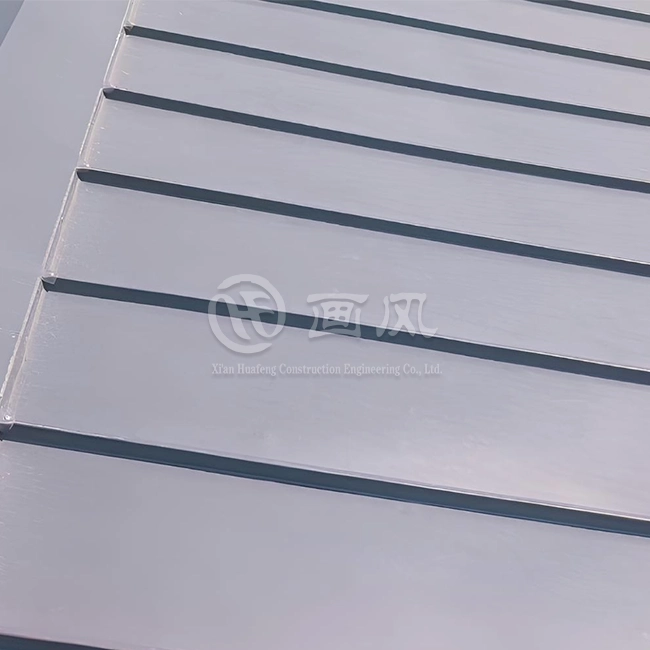
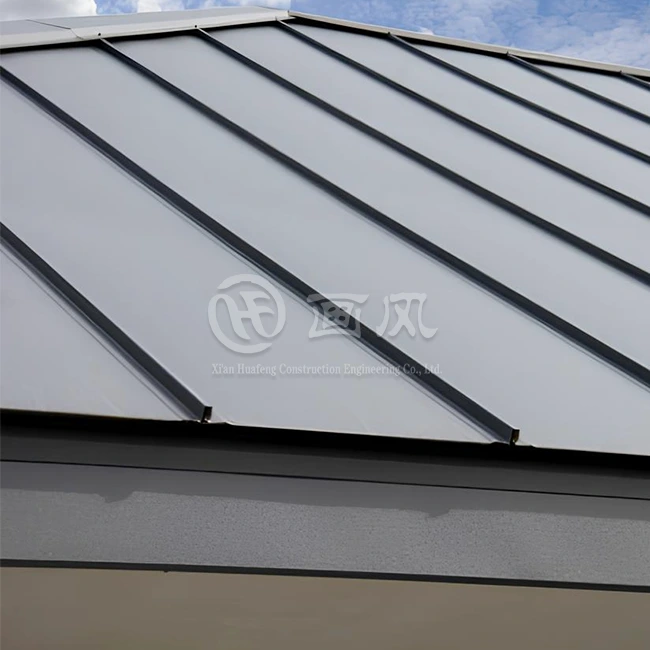
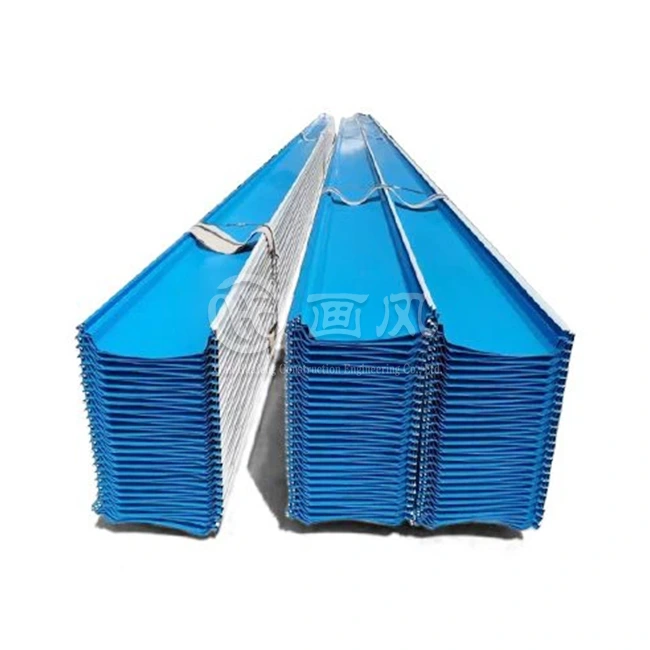
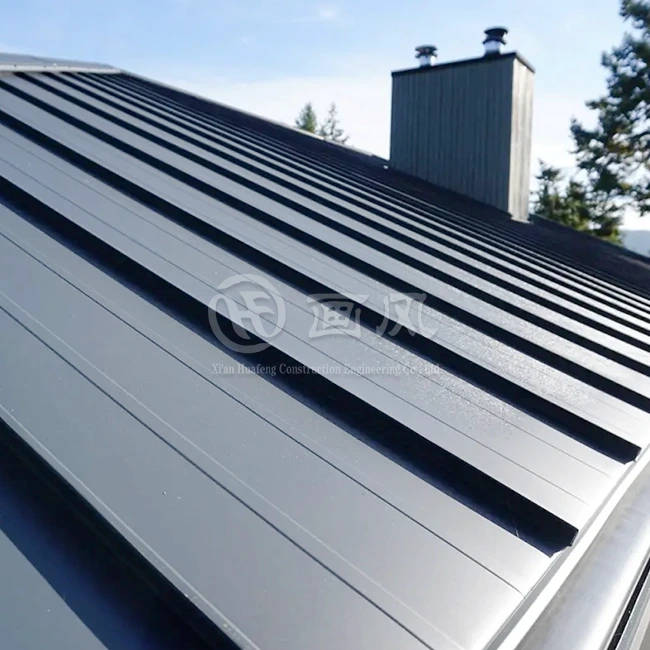
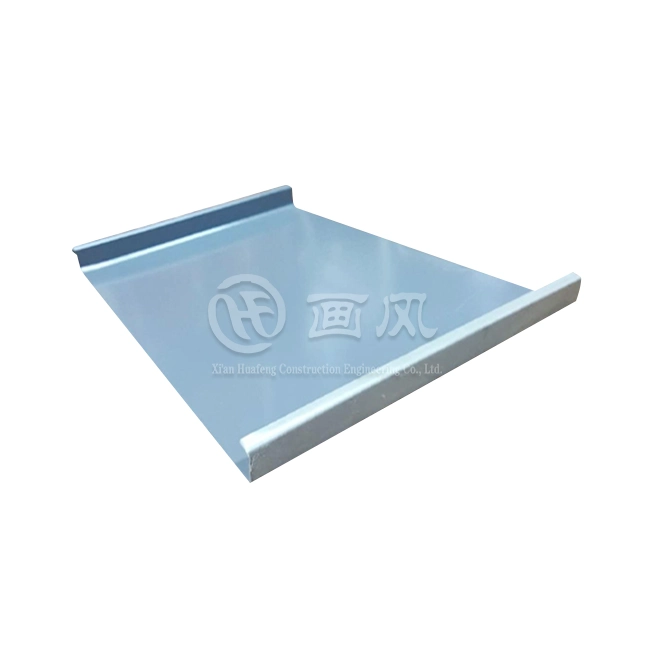
To join aluminum standing seam roofing panels together, raised vertical seams are used. They are held in place by hidden clips on the deck, so the roof doesn't show any screws. Underlayment, ridge caps, eave and valley details, flashings, and penetration parts are also part of a full system. HF panels can cover a space 300 mm to 600 mm wide, and their seams are 0.7 mm to 1.2 mm thick. Also, they range in height from 25 mm to 65 mm, which is 1 to 2.55 inches. I make sure that the bid includes all the parts and not just the panels. That way, the crew on-site doesn't miss anything.
Double Standing Seam and Single Snap-Lock
HF can connect in two different ways. A certain kind of machine folds two lines together. This keeps the waterproofing stronger and hides any screws. It's simple to set them up because there is only one snap-lock between each panel. I want to be sure that my choice was the right one, so I ask the engineer to look over the test results for each roof. Each profile has its own max slope and max uplift. Mechanical seaming is often the best choice when you need a lot of lift. But snap-lock might work better for simple lids that need to be put on quickly. Just because you're used to one, don't pick it over the other. Instead, make sure the outline fits the roof's shape and the area where the wind will blow.
Floating Clips and Thermal Movement
Steel changes temperature four times more often than aluminum. In stand-alone systems, the panel can move around because the seam is held in place by moving clips. That way, the panels won't bend, the roof won't make noise, and the screws won't have to work too hard. The installers need to check that the panel lengths and clip spacing are correct based on the directions from the maker. They might get wavy if they can't move. It's called "oil canning," and it can make the seams weak. Being thicker and having a ribbed shape makes the wave less noticeable. I need to first look at the shop plans and figure out how to put the parts together.
Why Aluminum Performs Well Near the Coast
Oxide Layer and Alloy Choice
If you mix aluminum with air, you get a thin oxide film that is very tightly linked. The film is put back together when a scratch shows new metal. This keeps iron from getting red rust. Alloys AA3003, AA3004, and AA5052 can be bought from HF. Because it has manganese in it, the 3000 series doesn't rust and is easy to shape. On the other hand, magnesium is added to AA5052 to make it harder, and it is often used in naval settings. That isn't the whole answer. What makes the effects last longer? How well the wood drains, how the edges are treated, and the tools that are used. Also, metal can rust when it touches copper. This includes some wood treatments that are made with copper. I think there should be a wall between them.
PVDF Coating and Salt Spray Testing
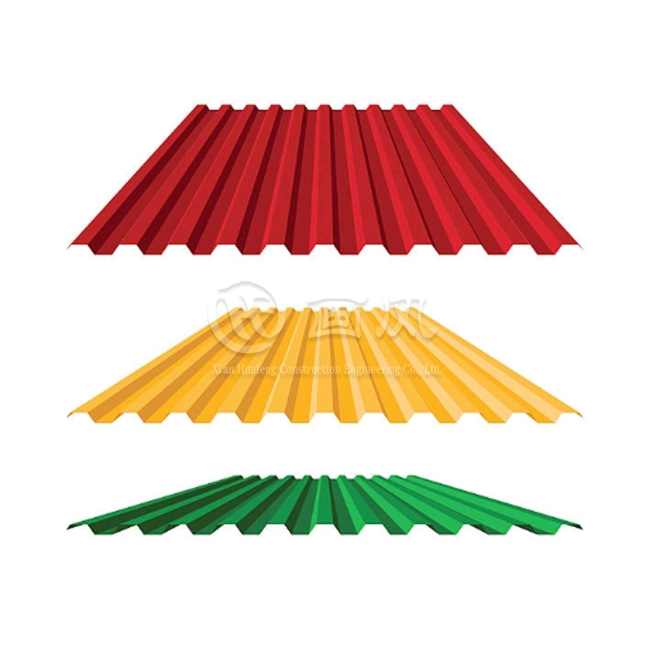
PVDF is the finish that HF uses. It comes in RAL colors as well as unique shades. Because it doesn't fade or chalk in UV light, it's often used on metal that is near the coast. I look for AAMA 2605 results and ASTM B117 salt spray hours when I look at coating datas. The PVDF coating on 3003H24 aluminum sheet passed 13 of the 13 AAMA 2605-22 coating tests that SGS checked. Some of these were 0T flexibility and 5B adhesion. The six samples did not catch fire in a different AS/NZS 1530.3 fire test. The samples were 3.0 mm and 1.3 mm thick, but the panels should be between 0.7 and 1.2 mm thick. Check the reports to make sure they match your order.
Wind, Rain, and Hurricane Zone Performance
Roofs with raised seams keep water off of the flat surface, and roofs with hidden fasteners don't have the screw holes that let water in first. The deck, the holes between the clips, the seams, and how well the whole thing was put together determine how well it blocks wind. If the home is going to be in an area that gets hurricanes, the buyer needs to get uplift data under ASTM E1592 or UL 580, water penetration data under ASTM E1646, and the local approvals needed by the Florida Building Code. They follow the rules set by BS, ASTM, DIN, GB/T, and JIS. I think you should send us the information we need early so that we can talk about which forms will work best for your project.
Installation, Maintenance, and Lifecycle Value
Design and Installation Requirements
You should start a good coast project on the deck. The team starts by checking the base. Then they put down the flooring, lined up the clips, hung the panels, filled in the gaps, and looked it over one last time. You need to make sure that the fastener, clip type, seam profile, and width you choose will work with the roof's shape, the wind load, and the building codes in your area. Most mistakes happen when surfaces are scratched, panels won't move, clip spacing is off, or cutting tools aren't set up correctly. People who work as contractors and know how to do standing seam and coastal work should follow the maker's instructions and keep good project records.
Maintenance and Service Life
Aluminum doesn't need as much care at the shore as treated steel, but there should still be a plan. Check for rust, scratches, open flashings, old sealants, salt buildup, dirt, and drains that aren't working right, as well as clogged drains. Do not use rough things to clean, and only use clean water. Spraying rough chemicals and water on top of coatings can damage them. The new parts should be made of the same alloy as the old ones and have the same thickness, shape, finish, and clip system. You can get HF screens for 30 years. Everybody who wants to buy something should read the rules very carefully. The service life can be shortened or extended depending on how it is installed, how well it drains, whether it is damaged by storms, and how often it is maintained.
Energy Efficiency and Lifecycle Cost
The roof panel doesn't choose how much power a building uses on its own. The form of the roof, how well it seals and insulates, and the flow of air are also very important. Colors that reflect light can help keep the heat inside when it gets hot along the coast. You can give HF a color scheme from RAL or make your own. Aluminum is light and can be recycled, so it's easy to ship and work with. I don't just look at how much the screens cost; I also look at how much it costs to have them all. This includes the cost of the parts, the work, the shipping, the repairs, the care, and the trouble of having to get new ones later. Aluminum prices can change quickly, so make sure you know how long a quote is good for before you buy.
How to Choose and Buy Aluminum Standing Seam Roofing Panels
HF Specifications at a Glance
Here are the main points I make if you are a buyer and want to know quickly what aluminum standing seam roofing panels are made of.
- Material and finish: We use metals AA3003, AA3004, and AA5052 that are between 0.7 mm and 1.2 mm wide for the finish and other stuff. You can choose a RAL color or a different color for their PVDF finish. Seams can be 25 mm to 65 mm high and cover 300 mm to 600 mm of space.
- Standards, warranty, and connection: When we make our products, we follow the rules set by ASTM, DIN, JIS, BS, and GB/T, and we guaranty them for 30 years. They are called double standing seam and single snap-lock when you join two things together. Your team can change the system to fit the schedule, roof slope, and wind exposure of each job. Read the promise over again before you sign it.
- Supply: Bring at least 500 square meters, which is equal to 1 ton. In 15 to 20 days, it will be sent to you. HF has three plants with more than 40 machines and seven production lines. For each job, this lets them deal with various orders and colors. Find out when the freight runs at your port. Tell us as soon as possible when you'd like the system to be set up.
Now your team knows what to do to quickly decide if it works. They can ask for test data for their own wind zone if it does.
A Simple Decision Process for Coastal Projects
There are four things to do. First, write down how open the land is, how far it is from the water, where the wind blows, how steep the roof is, and what the building is used for. After that, you should set rules for the alloy, thickness, seam, coating, wind data, warranty, lead time, and lead time. Third, do not just look at the prices of panels; look at the prices of full systems that include flooring, drainage parts, flashings, sealants, clips, and screws. Fourth, find out how much the installer can make and what kind of names they have on the coast. Price might not be enough to help you choose the best item. When you buy something for less money, the materials, tools, and records that come with it are often not as strong, and normal features might not work in storm zones.
Timing Your Order Before Hurricane Season
The storm season started on June 1. Getting licenses, sending them, and setting them up all take time. The Xi'an Huafeng Construction Engineering Co., Ltd. (HF) has been designing, making, selling, and putting up metal roofs since 2018. To find out how long it takes to get to you, add 15 to 20 days for ocean freight and customs. Please let us know as soon as possible the installation port and date you want. From there, we'll make a plan. Look at shop models, get samples, and check the quality before sending to find problems early on, when they are still cheap to fix. Before you send your order, you can add any details that the cop in your area might need.
Conclusion
Along the coast, roofs are hit at the same time by wind, rain, salt, and UV rays. Most of the time, they break along the edges and screw holes in painted steel and bolts that are left out in the open. These patterns can be fixed with PVDF-coated aluminum standing seam roofing panels that have a self-renewing oxide film, hidden clips, and floating movement control. But the outcome depends on the alloy, how thick it is, the seam profile, the parts that are used, and how well they are put together. Do not let this metal come into contact with other metals either. Test data that is specific to the project and records from the local code must be used to make sure the wind and water work well. Still, they need to be checked and cleaned regularly, and the cost over their whole life is a better measure than just the price of the panel. If you have a clear way to choose workers, clear specs, guarantee terms, and a set date for delivery, your coastal project is more likely to last a long time.
FAQ
1. Is aluminum better than steel for coastal roofs?
Yes, because salt doesn't turn cut edges or screw holes in metal red when sprayed on them. Steel might be stronger at first, but it might cost more in the long run. Add up how much it cost to buy and how much it cost to put together.
2. What panel thickness should I choose?
The HF plates are between 0.7 mm and 1.2 mm thick. Get someone else to look it over if you want to be sure you made the right choice. Stronger gages don't move and can hold more weight.
3. How much maintenance do these roofs need?
Check the flashing every so often, rinse off any salt that has built up, and make sure the drains are clear. You should still take care of your roof, even though aluminum doesn't get red rust.
4. Can I order custom or wholesale quantities?
HF will take more than 500 square meters or one ton if you buy it. They can use your colors or RAL colors. And we'll send you a price. Just tell us where the job is, how big the roof is, how steep it is, and where it's going.
Request HF Aluminum Standing Seam Roofing Panels for Your Coastal Project
Are you going to work on the shore or an island? Where are you? What kind of roof do you have? How big is it? How steep is it? How thick is it? What color is it? And where is the delivery port? HF gives prices on whole systems and goes over shop plans because they make aluminum standing seam roofing panels. They have three plants and seven production lines. We can help you find PVDF-coated panels that fit your needs and are safe from wind. Send an email to huafeng@hfmetalroof.com or visit hfmetalroof.com to do this.
References
1. ASTM International, ASTM B117-19 Standard Practice for Operating Salt Spray (Fog) Apparatus, 2019.
2. American Architectural Manufacturers Association, AAMA 2605-22 Voluntary Specification for Superior Performing Organic Coatings on Aluminum Extrusions and Panels, 2022.
3. ASTM International, ASTM E1592 Standard Test Method for Structural Performance of Sheet Metal Roof and Siding Systems by Uniform Static Air Pressure Difference, 2017.
4. International Code Council, Florida Building Code, Building, 8th Edition, 2023.
5. ASM International, Corrosion of Aluminum and Aluminum Alloys, 1999.
6. The Aluminum Association, Aluminum Design Manual, 2020.





YOU MAY LIKE