Why 032 Aluminum Standing Seam Roofing Outperforms Other Materials?
2026-04-30 11:00:00
When looking at different roofing materials for business and factory buildings, 032 aluminum standing seam roofing has clear benefits that affect how well the project works and how much it's worth in the long run. This 0.032-inch gauge aluminum alloy system is better than steel, copper, and other common materials at resisting rust, being structurally efficient, and handling heat. Its thin profile lowers structural loads while still providing excellent wind uplift protection. The material is naturally recyclable, which meets green building standards without sacrificing longevity or visual flexibility.
Introduction
As a result of its strong structure and adaptability to different styles, standing seam roofing has become a standard option in both business and industrial building. Using 032 aluminum standing seam roofing as the core material changes the way it works in ways that should be carefully thought through. At 0.8 mm thick, this gauge strikes the perfect balance between strength and weight, which is very important for procurement managers, structural engineers, and roofing builders who have to deal with project specs that are getting more complicated.
From dealing with construction businesses and commercial property developers throughout the US, we've encountered the same issues: projects require roofing systems that can withstand harsh weather, satisfy energy regulations, and have predictable lifespan costs. The 032 aluminum standing seam system meets these objectives with material properties beyond appearance. This guide examines the technical and economical benefits of this material standard for large construction projects. The information helps procurement personnel pick products that fulfill actual sustainability and performance standards.
Understanding 032 Aluminum Standing Seam Roofing
The number "032" refers to the standard thickness of 0.032 inches (about 0.8 mm), a measurement that shows how much material engineering has improved over the years. This gauge thickness puts the 032 aluminum standing seam roofing in the best performance range, where it is both flexible enough to move with temperature changes and structurally stiff enough to resist loads.
Material Composition and Alloy Selection
032 aluminum standing seam roofing commonly uses 3003-H14 or 3105-H14 aluminum alloys, combining magnesium and manganese for strength and corrosion resistance. With tensile strength of 20–25 ksi, these alloys remain formable for roll-forming. The H14 temper ensures shape stability without brittleness, enabling panels to adapt to complex roof geometries found in modern architectural designs.
Standing Seam Profile Engineering
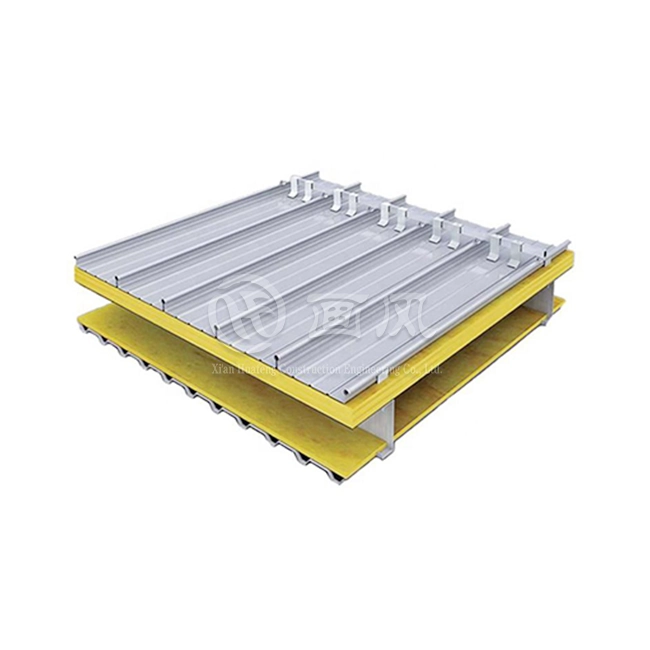
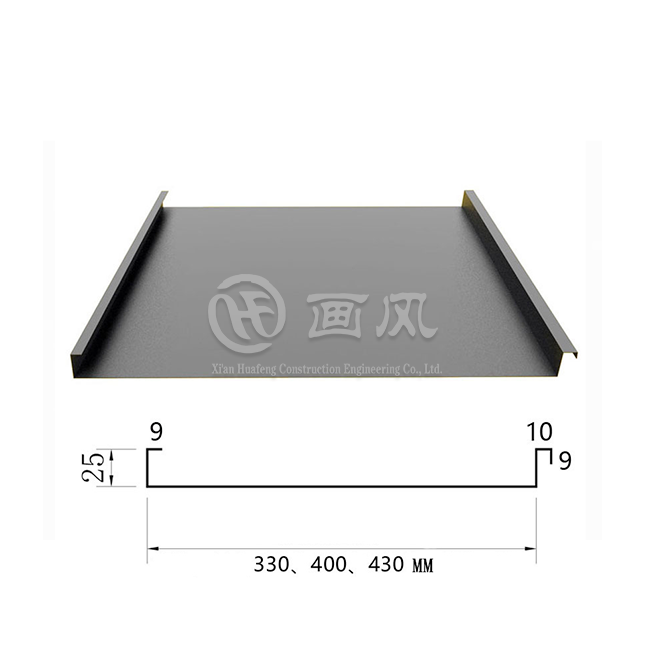
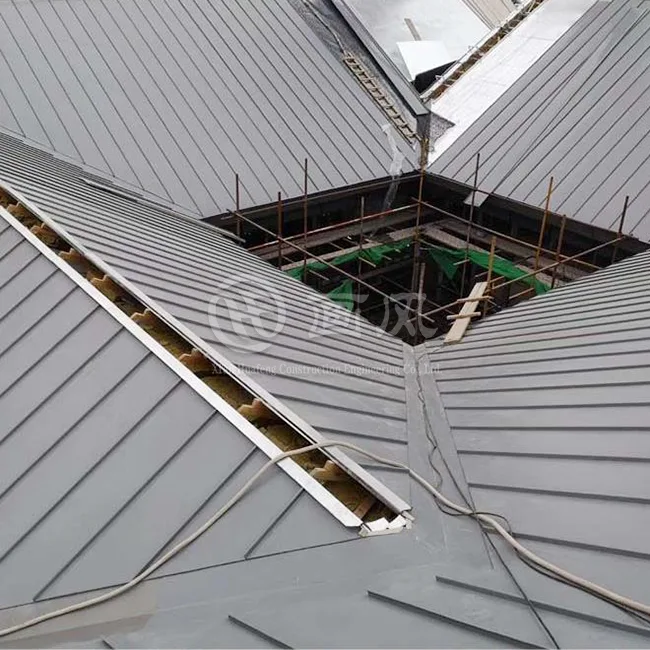
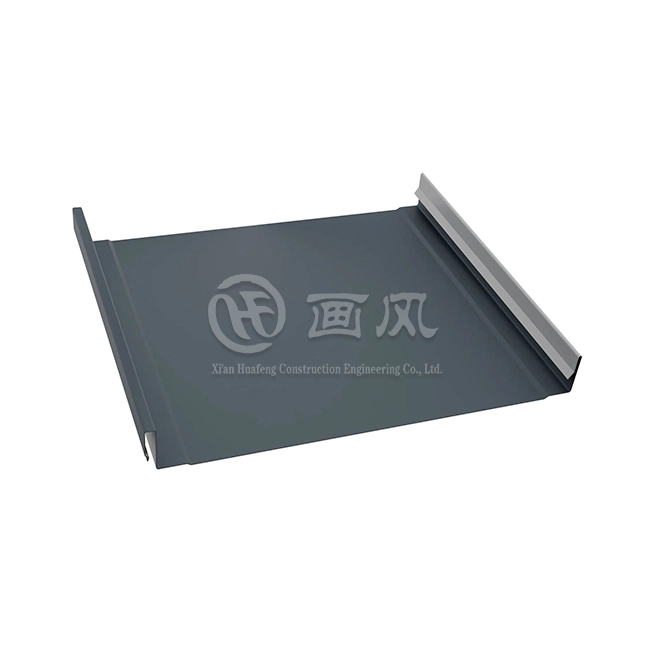
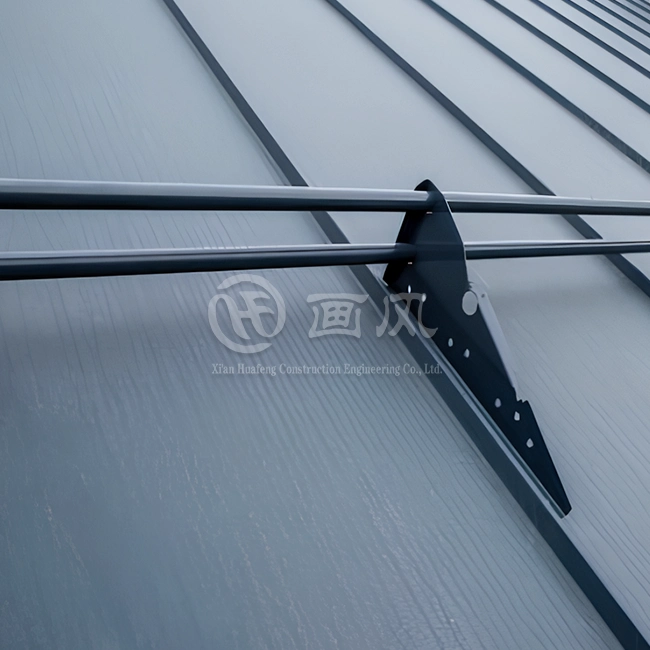
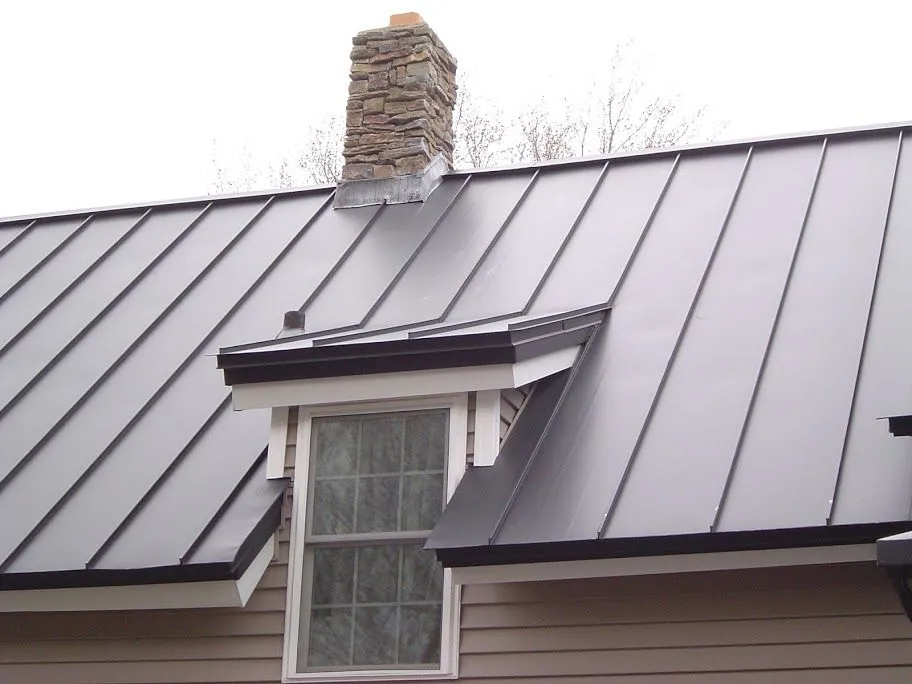
The defining feature of 032 aluminum standing seam roofing is its mechanically interlocked raised seams, typically 25–65 mm high. Specialized equipment crimps seams to create watertight joints without exposed fasteners, eliminating common leak points. Vertical seams guide water drainage and accommodate aluminum’s higher thermal expansion through floating clip systems, ensuring structural stability and long-term performance.
Surface Treatment Technologies
Premium 032 aluminum standing seam roofing uses PVDF coatings such as Kynar 500 or Hylar 5000 with 70% resin content. These finishes provide superior UV resistance, maintaining color and appearance for over 20 years. Meeting AAMA 2605 standards, they resist fading, chalking, and chemical damage, while self-cleaning properties reduce maintenance by allowing rainwater to remove dirt and contaminants.
Advantages of 032 Aluminum Standing Seam Roofing Over Other Materials
By comparing 032 aluminum standing seam roofing to steel, copper, zinc, and other common roofing materials, you can find specific performance differences that lead to real project benefits.
Corrosion Resistance in Aggressive Environments
The natural oxide layer of 032 aluminum standing seam roofing forms instantly, protecting against corrosion and self-healing minor damage. This makes it ideal for coastal, industrial, and polluted environments where steel coatings fail over time. Aluminum maintains structural integrity for decades, reducing replacement frequency and ensuring reliable performance in harsh conditions like salt exposure or chemical environments.
Weight-to-Strength Performance
Weighing about 0.45 pounds per square foot, 032 aluminum standing seam roofing significantly reduces structural load. This makes it ideal for retrofits without costly reinforcement. Despite its light weight, it maintains sufficient strength to resist wind uplift, meeting high-performance standards. Its lightweight nature also allows installation over occupied buildings, minimizing disruptions and reducing project costs.
Energy Efficiency and Thermal Management
With PVDF coatings, 032 aluminum standing seam roofing achieves Solar Reflectance Index values above 80, reflecting most solar radiation. This reduces cooling demand by 10–20%, depending on climate. It supports LEED certification and lowers operational costs. While metal dissipates heat quickly at night, proper insulation design remains essential for balanced thermal performance throughout the year.
Lifecycle Cost Analysis
Although initial costs of 032 aluminum standing seam roofing are 15–25% higher than steel, lifecycle analysis shows better ROI. Systems often reach cost parity within 12–15 years due to reduced maintenance and longer lifespan. With service life extending 15–20 years beyond steel, minimal upkeep requirements—mainly inspections and drainage cleaning—eliminate recurring repainting and repair costs.
Comparing 032 Aluminum Standing Seam Roofing With Competing Technologies
When buying workers objectively compare 032 aluminum standing seam roofing to other options, it helps them make decisions that are right for the project.
032 Aluminum Versus 24-Gauge Steel
Steel roofing offers higher tensile strength, better dent resistance, and lower initial cost, making it suitable for hail-prone areas. Its lower thermal expansion simplifies long panel runs. However, aluminum is lightweight and corrosion-resistant due to its self-healing oxide layer. Despite slightly higher costs, aluminum is preferred for coastal, chemical, and structurally sensitive projects where long-term durability is critical.
Aluminum Standing Seam Versus Copper Systems
Copper roofing provides exceptional longevity and develops a distinctive patina, but costs 300–500% more than aluminum. It resists mechanical damage and requires minimal maintenance. 032 aluminum offers about 80% of copper’s lifespan at significantly lower cost, making it practical for commercial projects. Both materials resist corrosion and are recyclable, though copper retains higher scrap value.
Standing Seam Versus Snap-Lock Panel Systems
Snap-lock panels reduce installation costs by 20–30% because they require no specialized seaming tools. However, they rely on pressure to stay closed and may fail under high winds. Mechanically seamed 032 aluminum panels form permanent interlocks, resisting wind speeds up to 60 m/s. Despite higher installation costs, they provide superior durability for high-wind or storm-prone projects.
Energy Performance and Environmental Certifications
Aluminum’s full recyclability makes it highly sustainable, retaining performance through repeated reuse while consuming only 5% of original production energy. This supports LEED certification and corporate sustainability goals. Manufacturing aligned with ISO 14001 ensures environmental responsibility, while cool roof coatings meeting ENERGY STAR and CRRC standards improve energy efficiency and may qualify buildings for incentives.
Procurement Considerations for 032 Aluminum Standing Seam Roofing
When you strategically source 032 aluminum standing seam roofing, you need to pay attention to what the suppliers can do, what the products are supposed to do, and how the logistics of the project will affect the budget and timeline.
Supplier Evaluation and Certification Requirements
International quality standards, such as ASTM B209 for aluminum sheet specifications, ASTM E1592 for structural performance tests, and AAMA 2605 for coating durability, must be met by reliable makers. HF keeps its certifications up to date for ASTM, DIN, JIS, BS, and GB/T standards. This makes sure that our goods meet the rules in all places around the world. Our three production sites have more than 40 precision fabrication machines and seven specialized coating lines. This gives us the industrial power for big business projects. Teams in charge of buying things should make sure that sellers have quality management systems that are certified to ISO 9001 standards. This is because ISO 9001 certification means that the system is controlled consistently and quality assurance methods are written down.
Minimum Order Quantities and Lead Times
The HF minimum order number of 500 square meters, or one metric ton, is big enough for most commercial roofing jobs and keeps prices low by making production more efficient. This level is reasonable for medium-sized building projects and works well for phased developments where roofs are installed on several buildings at the same time. Standard lead times of 15 to 20 days from order confirmation help project managers who are in charge of organizing multiple trades make plans that are easy to stick to. For jobs that need to be done quickly, expedited production can be set up, but there are extra fees when normal production sequences need to be changed. International shipping operations should take into account how efficiently containers can be loaded. Our panel profiles maximize shipping density while avoiding damage during transit through proper packing practices.
Customization and Color Selection
Color consistency over big roof areas is a very important quality issue, especially for jobs that want colors that aren't available from RAL. HF uses computer-controlled coil painting methods that make sure the color is applied evenly and there is little batch difference. Our ability to match custom formulations made to match private company colors or colors defined by architects gives designers more options while keeping the performance of PVDF coating systems. Panel heights ranging from 25 mm to 65 mm allow for customization based on personal taste and structural needs. Higher rib shapes add visible depth and make the structure stiffer so that gaps between purlins can be longer, but they need a little more material and take up more space when they're shipped.
Installation Best Practices and Technical Support
For quality products to work as well as they can, they still need to be installed correctly. The moving clip systems needed for aluminum's thermal expansion must be correctly chosen based on the length of the panels, the slope of the roof, and the temperature ranges that are expected. HF helps roofing workers make waterproof installations that meet wind uplift standards by giving them technical drawings and installation instructions that are specific to each job. Our expert team helps with figuring out the right clip spacing, how to account for thermal movement, and the details of flashing at roof penetrations and changes. This application engineering help is especially useful for roofs with complex shapes like curved surfaces or angular parts, or for combining roofs with curtain wall systems where trades need to work together closely.
Why Leading B2B Clients Choose 032 Aluminum Standing Seam Roofing
032 aluminum standing seam roofing systems are always chosen by commercial property owners, roofing workers, and procurement managers for projects that need to last for a long time.
Documented Project Performance
Warehouse and distribution center projects are a big use case where aluminum specs are best because of the need for structural efficiency and large roof areas. The weather resistance of the material was shown in a logistics facility project we completed on the coast of Florida. The roof system stayed completely waterproof during two major hurricanes, while nearby buildings with regular roofing had water get in and damage panels. The building owner said that the roof didn't need any upkeep during the first ten years of operation. This confirmed the lifetime cost estimates that were used to choose the material in the first place. Similar results have been seen in retail developments, factories, and government buildings where replacing the roof interrupts activities and creates big indirect costs on top of the direct costs of materials and labor.
Supplier Reliability and Warranty Assurance
A 30-year warranty is only worth what the maker stands for in terms of life and financial security. HF is known as a high-tech company in Shaanxi Province, and our licenses for making curtain walls and steel structures show that we have the technical know-how and the ability to keep doing business. Our guarantee covers more than just material defects; it also covers the performance of the coating. This gives building owners real financial security against failure before its time. This type of guarantee covers everything, while limited warranties don't cover installations near the coast or need proof of regular inspections to keep their coverage. Professionals in procurement know that the quality of a guarantee shows how confident a company is in its products. Our three-decade coverage time shows that we are committed to making products that last.
Technical Innovation and Industry Evolution
The metal roofing business keeps getting better by using better coatings, alloys, and ways to connect them to building systems like solar panels. Because HF spends money on research and development, as shown by our collection of over 20 filed patents for new roofing system ideas, we are at the forefront of these technological advances. Our BIPV-compatible roof profiles allow solar panels to be installed while keeping the watertight envelope's integrity. This means that building owners can add green energy production without voiding their roof warranties. New cool coating technologies using infrared-reflective pigments promise to be even more energy efficient. Our production tools make it possible for these innovations to be quickly adopted as they become commercially viable.
Conclusion
The performance benefits of 032 aluminum standing seam roofing go beyond the qualities of the material itself and include the value over its entire lifecycle. Corrosion resistance, structural efficiency, energy efficiency, and low upkeep needs are all things that come together to make roofing systems that meet the strict needs of modern business construction. When purchasing managers look at material specs, they should think about more than just the original cost. They should also think about the building's overall economic impact over many years of use. HF's production skills, quality certifications, and technical support infrastructure give complicated projects the supply chain reliability they need, making sure that the quality of the materials used in the project matches the quality of the work that is done on it.
Frequently Asked Questions About 032 Aluminum Standing Seam Roofing
1. How does service life compare between aluminum and steel roofing in coastal environments?
In coastal installs, 032 aluminum standing seam roofing stays structurally sound for 40 to 50 years, while galvanized steel systems usually need to be replaced every 20 to 25 years because salt exposure speeds up rusting. The cost-per-year-of-service formula always supports aluminum in harsh marine settings, even though it costs more at first.
2. Can aluminum roofing panels accommodate complex architectural geometries?
The thickness of 032 gauge makes it easy to shape into bent surfaces, conical roof sections, and barrel vault forms. The material can be bent manually without micro-fracturing the PVDF coating system. This lets architects make designs that would be hard to make with stronger steel panels. Based on the radius and panel width you want, our expert team gives you curving specs.
3. What installation expertise is required for aluminum standing seam systems?
Standard seaming tools can be used by qualified metal roofing workers to install aluminum systems. The most important mechanical issue is choosing the right clips and leaving enough space between them to allow for heat expansion. HF gives workers installation training and technical support to make sure they know the exact needs for aluminum panel systems, like how important it is to use moving clips for panels longer than 15 feet.
Partner With HF for Your Next Metal Roofing Project
Choosing the right 032 aluminum standing seam roofing provider is important for making sure that your project meets its performance and cost goals. HF has three specialized plants with more than 40 precision assembly machines and seven coating production lines. They blend large-scale production with technical know-how. Our 0.8mm aluminum alloy panels feature PVDF finishes that maintain color integrity across decades of service, backed by our 30-year comprehensive warranty. We serve construction companies, roofing contractors, and property developers throughout the United States with minimum orders of just 500 square meters and delivery within 15-20 days from order confirmation. As an established 032 aluminum standing seam roofing manufacturer, we know that buying choices need clear specifications, reasonable prices, and quick expert support. Our team provides customized quotes reflecting your specific panel height requirements (25-65mm options), color selections (standard RAL or custom formulations), and project timeline constraints. Contact our specialists at huafeng@hfmetalroof.com to discuss how our certified aluminum roofing systems can enhance your next commercial or industrial construction project with proven durability and energy efficiency.
References
1. Metal Construction Association. "Architectural Metal Roofing Design Manual." Third Edition, 2018.
2. American Architectural Manufacturers Association. "AAMA 2605-13: Voluntary Specification, Performance Requirements and Test Procedures for Superior Performing Organic Coatings on Aluminum Extrusions and Panels." 2013.
3. Cool Roof Rating Council. "CRRC-1 Standard: Product Rating Program Manual." Revised 2021.
4. ASTM International. "ASTM B209-14: Standard Specification for Aluminum and Aluminum-Alloy Sheet and Plate." 2014.
5. U.S. Green Building Council. "LEED v4.1 Building Design and Construction Guide." Updated 2022.
6. National Roofing Contractors Association. "The NRCA Metal Panel and Standing Seam Roof Systems Manual." Second Edition, 2019.





YOU MAY LIKE