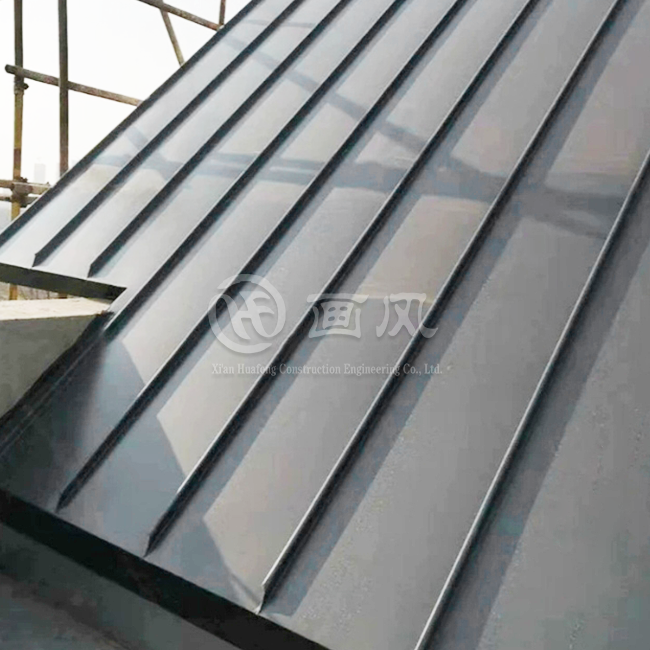
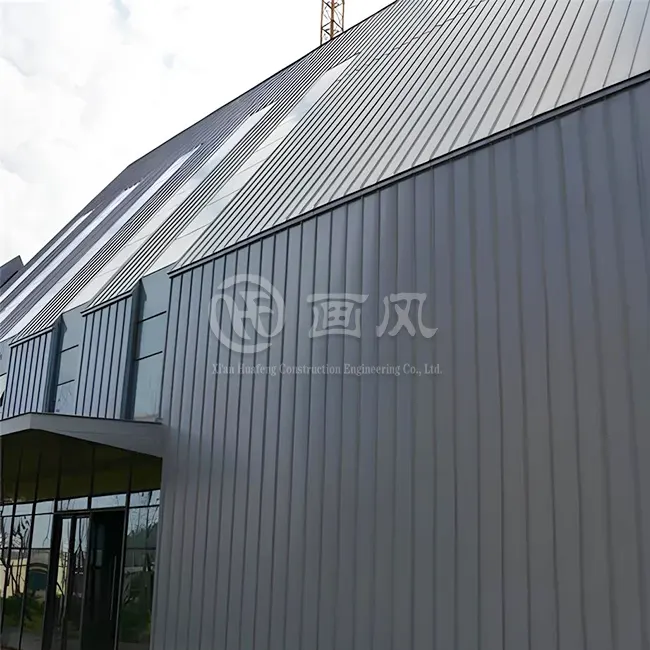
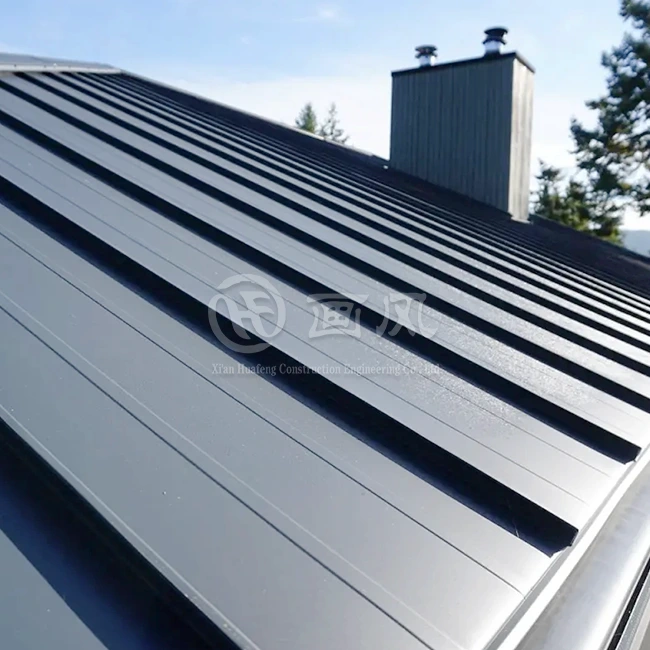
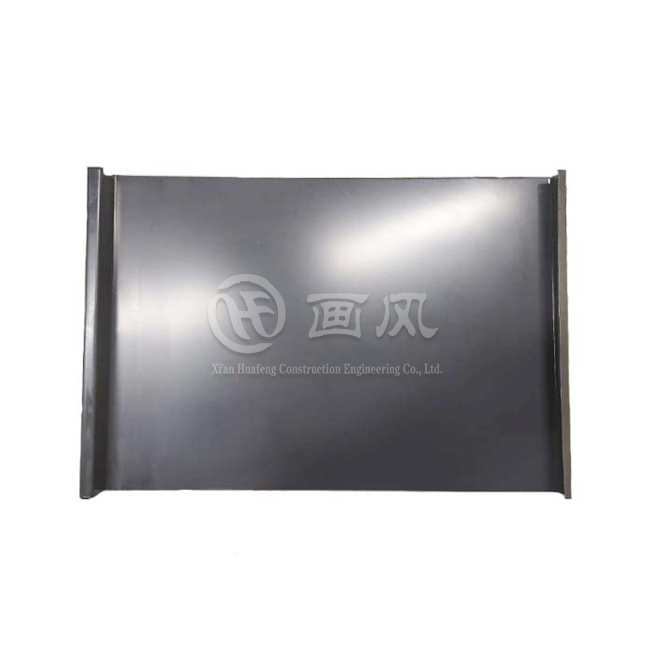
HF, a professional vertical standing seam metal cladding supplier, provides durable vertical standing seam metal cladding solutions for industrial and educational projects. Manufactured using seven color coating lines and advanced fabrication tools, our panels meet strict design specifications. Backed by ISO 9001, ISO 14001, and SGS certifications, we ensure consistent quality across all project scales. Our customizable product line offers PE, HDP, and PVDF coating options, all covered by a 30-year warranty. We support mid-sized to large developments with orders from 500 sqm and reliable 15–20 day deliveries. Beyond products, our technical team assists with design, installation, and ongoing support to ensure project success. Contact huafeng@hfmetalroof.com or visit hfmetalroof.com to discuss your requirements.

What Is Vertical Standing Seam Metal Cladding & Why It's Ideal for Modern Architecture
2026-05-19 19:50:47
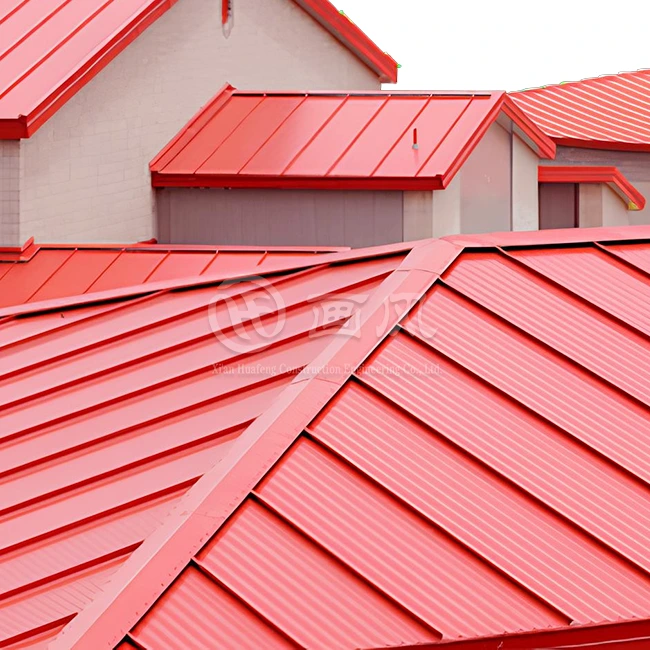
Modern building envelopes must look and function well. Vertical standing seam metal cladding is complicated and uses raised seams from base to parapet. Edges are automatically secured to hide fixes. This design overcomes industrial issues by preventing water from entering through damaged fastener gaskets, allowing thermal expansion using hidden slide clips, and creating continuous vertical lines that improve building appearance. Architects, procurement managers, and roofing contractors are increasingly choosing this system because it is waterproof, flexible, and long-lasting for corporate and residential buildings in many climates.
Understanding Vertical Standing Seam Metal Cladding
Core System Components
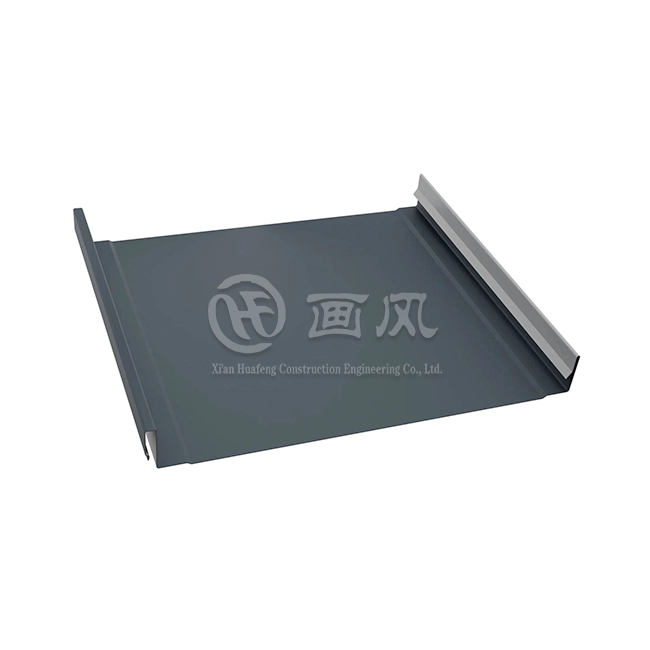
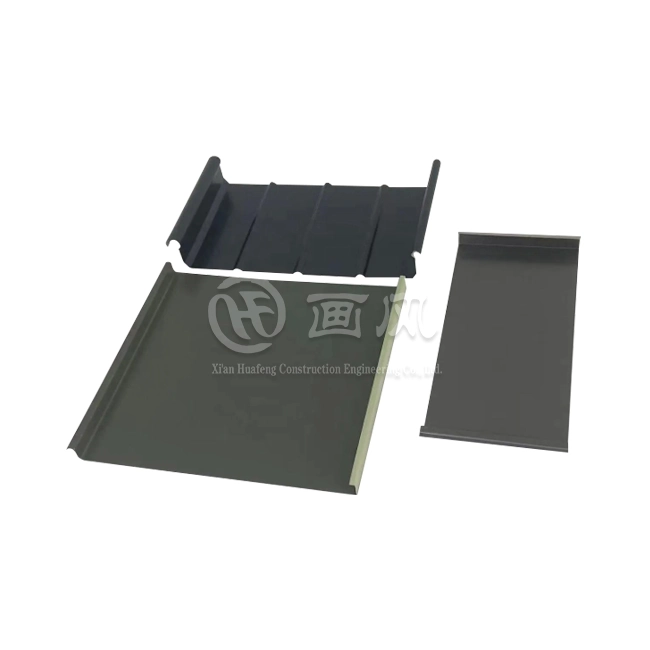
This building envelope system uses vertically aligned aluminium alloy, galvanised steel, or zinc plates. Raised seams, usually 25–65 mm high, mechanically join panels instead of touching, distinguishing it. Water flows over horizontal siding seams. However, vertical standing seam metal cladding drains water naturally, and hidden clip mechanisms secure panels to the foundation without going through the weather shield.
Precision roll-forming ensures seam forms are consistent over panel lengths of 12 meters. Reduces on-site joins that impair protection. Structure needs and support distances determine the substrate's thickness, which can be 0.7 to 1.5 mm. Different wind load predictions and aesthetic needs can be met with the 25-330, 25-400, 25-430, 65-300, 65-400, 65-430, and 65-500 combinations.
Material Selection and Coating Technologies
Structure performance and rust resistance depend on substrate. Complex shapes can be made from aluminium, which has high strength-to-weight ratios. However, aluminum-zinc coated steel is cheaper for large projects. The protective coating layer protects the base metal from UV and external contaminants and enables you change colour.
Three covering methods dominate business. Polyester (PE) coatings protect moderate surfaces and are affordable for most individuals. Durable polyester (HDP) chemicals reduce chalking and fading, extending their lifespan. Polyvinylidene fluoride (PVDF) coats that meet AAMA 2605 requirements are excellent since they endure longer than 30 years in harsh weather and retain their colour. PVDF-coated panels with full warranties reduce risk for coastal or industrial settings with air pollution.
Benefits of Vertical Standing Seam Metal Cladding
Structural Durability and Weather Protection
The mechanical seam link shields against wind-blown rain and air moisture. Double-lock seaming makes waterproof systems without temperature-sensitive sealing. This is crucial in areas where the weather swiftly varies from freezing to melting, allowing water to break down the soil. Systems must manage pressures above 3.0 kPa and pass wind uplift resistance testing. This matters for high-rises and open spaces.
Vertical standing seam metal cladding resists biological development, pest invasion, and impact damage that weaken other envelope materials. Because they don't catch fire, steel and metal substrates earn Class A fire ratings. They meet tighter wildfire-prone and busy urban building codes this way. LEED-certified projects benefit from using recycled materials and metal parts that can be returned in their entirety.
Energy Efficiency and Thermal Management
The air gap created by the ventilated space behind panels that are placed vertically cuts down on solar heat gain through convective cooling. When continuous insulation layers and reflective coats are added to the system, it makes cooling loads much lower in warm places. This thermal performance directly leads to lower running costs, which is a very good deal for business owners who are looking at lifetime costs.
Panels can move in a controlled way as temperatures change throughout the day and throughout the year thanks to concealed clip systems. The sliding clip system keeps the panel's shape even when the temperature changes by more than 80 degrees Celsius, while hard connection methods cause stress concentrations that can break fasteners or warp the panel. This temperature expansion allowance makes the system last longer and keeps its good looks without any noticeable panel bending.
Sustainable Construction Practices
vertical standing seam metal cladding fits in with green building efforts in a number of ways. The making process doesn't make a lot of trash, and the leftover pieces can still be recycled in full. Because metal panels are lighter than options made of stone or concrete, they have less of an effect on transportation. Panels come pre-cut to project specs, so there isn't much waste on the job site during installation.
Our production follows the rules set by ISO 14001 for environmental management. This makes sure that we use resources responsibly and keep emissions under control. Our systems come with a 30-year guarantee that covers their real service life, which could last decades. This means that you won't have to replace your systems as often as you would with less durable envelope materials. Facility managers like how easy it is to maintain—routine checks and cleanings are all that's needed to keep things working well, so there are no costs for repainting or fixing the base.
How Vertical Standing Seam Metal Cladding Supports Modern Architectural Needs
Design Flexibility and Aesthetic Versatility
Modern building likes clean shapes and smooth surfaces, which are naturally what vertical metal panels provide. The system can handle both straight walls and curved surfaces with minimum bending angles of about 15 meters. This means that stadiums, transit hubs, and corporate campuses can have organic shapes. Designers can change the visual rhythms by changing the panel sizes, which can range from 300mm to 800mm. Narrow panels create fine vertical articulation, while bigger modules stress strong simplicity.
There are more color and finish choices than just basic themes. As part of our customization services, we can match colors exactly to building needs and make surfaces that look like wood grain, stone, or unique patterns. Metallic finishes, such as brushed metal and copper-toned coats, let you respond to the needs of the spot or your brand's personality. This design flexibility lets you make unique architectural statements while keeping the technical performance traits that are important for maintaining the purity of the envelope.
Performance Across Diverse Environmental Conditions
Coastal sites need to be able to withstand high humidity and salt spray without rusting. When panels are arranged vertically, they drain quickly and don't collect water, which speeds up the breakdown of horizontal systems. Aluminum surfaces with PVDF coatings naturally prevent chloride attack, which means they last longer in marine settings without needing special upkeep.
The system's ability to shed snow loads quickly makes it useful in alpine and cold climates. The smooth vertical surface and strong seam strength stop ice dams from forming and allow heavy snow to accumulate without compromising the structure. Industrial sites that are subject to chemical fumes or particulate contamination use metal surfaces that are non-porous, don't stain, and are easy to clean to get them back to looking good.
Maintenance Efficiency and Long-Term Value
Building managers give priority to air systems that don't need much ongoing care. Vertical standing seam metal cladding installations don't leave uncovered bolts open to damage where gasket compression sets happen. This gets rid of leak points that need to be checked for damage and replaced on a regular basis. The constant metal surface doesn't let living things grow on it, so you don't have to pay to get rid of algae or mildew.
Inspection methods include looking at the state of the coating and seams to make sure they are strong. These jobs can be done visually and don't require any special tools or a lot of work. If a panel needs to be replaced because of an accident or localized damage, the modular design lets surgeons make changes without affecting other parts. This serviceability increases the useful life of the machine while keeping upkeep costs low over decades of ownership.
Comparison of Vertical Standing Seam Metal Cladding With Other Cladding Systems
Vertical Standing Seam vs. Corrugated Metal Panels
For practical buildings, corrugated profiles are cheaper, but they don't have the refined look that is good for architecture projects. The sinusoidal shape makes several horizontal lines that break up the visual uniformity, and the exposed screws go through the weather barrier at regular intervals. vertical standing seam metal cladding systems don't let fasteners go through the seams because they use hidden clips to connect the seams. This makes the system waterproofer and less maintenance-intensive.
vertical standing seam metal cladding designs are better for structural function. The vertical ribs increase the span, which lowers the need for base frame and the costs that come with it. Tests of wind uplift resistance show that standing seam sections perform much better than through-fastened corrugated options. This means that they can be used in high-wind areas and tall buildings where corrugated panels don't work well.
Metal Cladding vs. Composite and Vinyl Systems
Composite metal plates offer a range of looks, but they depend on layers of adhesive that can come apart when exposed to UV light for a long time or when water gets inside. Recent fire safety events have made people pay more attention to the core materials in composite systems that can catch fire. Solid metal standing seam siding gets rid of these problems because it is made of a single piece that can't catch fire and meets the strictest fire codes without needing any extra safety measures.
Vinyl flooring is popular in household areas because it's cheap, but it has problems with thermal expansion, color fading, and breaking in cold weather. The expected working life is usually less than 20 years before it needs to be replaced. vertical standing seam metal cladding with PVDF coatings keeps its color and structural stability for many decades, so even though it costs more at first, it ends up saving money in the long run.
Procurement Guide: How to Choose and Source Vertical Standing Seam Metal Cladding
Evaluating Technical Specifications
Before making a purchase choice, structural engineers should do math to figure out the panel gauge, seam height, and connection spacing that are needed based on wind loads and the shape of the building. Work with providers who can provide engineered models and load estimates that can be used to support permit applications. Make sure that the goods being sold meet the ASTM standards for protection to water and air infiltration and structure performance.
When choosing a coating, you have to think about both how it looks and how it will be exposed to the surroundings. HDP coatings may be enough for projects on a budget that are in temperate interior areas, but PVDF formulations are needed for seaside or industrial sites, even though they cost more. Ask for rapid weathering test results that show how well the coating works under controlled exposure that is the same as decades of service. To meet the needs of each project, our normal specs include coating choices in PE, HDP, and PVDF for all panel configurations.
Supplier Reliability and Manufacturing Capacity
Check out possible partners' production skills in relation to the size and time frame of the project. Our monthly supply capacity of 1,000 tons serves big business projects without affecting delivery times. Lead times of 15 to 20 days from order confirmation to shipment make it possible for aggressive building plans to be met as long as the site is ready.
Quality assurance badges provide objective proof of consistent production. ISO 9001 quality management systems make sure that process controls keep errors to a minimum, and ISO 14001 environmental approval shows that production methods are environmentally friendly. Third-party verification through SGS testing methods gives customers even more trust that the product meets their needs. Minimum order quantities—ours start at 500 square meters—should match the scale of the job to avoid waste or high stocking costs.
Customization Capabilities and Technical Support
Complex construction requires more manufacturing possibilities than usual. Check how successfully a provider handles unique colours, panel widths, seam profiles, and speciality products for glazing systems or other exterior materials. Our design team works with architects and builders to generate shop layouts that account for specific conditions and ensure building trades collaboration.
Technical support beyond delivery is helpful during construction. Supplies should assist with installation, repair, and field service if questions arise throughout panel rollout. Working with skilled application engineers speeds up problem-solving, protecting project plans and quality.
Installation and Maintenance Best Practices
Professional Installation Requirements
To achieve design performance, pay strict attention to base preparation and panel attachment. As shown, the supporting structure must be flat within L/600 to prevent oil canning. This unattractive effect is produced by stress clusters, not material faults, thus aligning the frames is the best approach to prevent it.
Forming seams requires particular instruments and educated workers. Mechanical seamers precisely crimp panel edges without harming protective coatings or stressing base metal. Field adjustments can be made with hand-seaming equipment, but production seaming should use electric or pneumatic seamers to maintain uniformity over hundreds of square meters. Engineered spacing plans balance thermal movement and wind uplift resistance while putting concealed clips.
Preventive Maintenance Protocols
How risky the situation is determines routine inspection intervals. To maintain seam strength and coating, coastal systems must be tested annually. Safe inland areas can extend rounds to 24 or 36 months. Inspecting focuses on seams, clips, and coating adhesion to loose areas such panel terminations and entry flashings.
Low-pressure water washing removes dust and live debris. Cleaning using harsh cleansers or high-pressure might destroy protective layers. Covering scratches and edge rust can be repaired immediately with matching touch-up paint. The modular panel design enables you replace only broken panels if they're too poor to fix. This prevents costly envelope rebuilding. These basic care methods will keep the item looking and working for at least 30 years, longer if the maker promises it.
Conclusion
Vertical standing seam metal cladding meets the complex needs of modern building design with technical efficiency and artistic expression. The system's hidden fastening, heat movement, and weather protection solve envelope issues and support a variety of artistic aims. Its extended life and cheap maintenance make it more valued than other cladding solutions over time. Strong quality standards, lots of customisation choices, and stable supply chains that keep projects on schedule reassure procurement specialists. This cladding technique has been tested and proven to work for decades in real-world circumstances worldwide, including envelope solutions for coastal corporate developments, mountain educational facilities, and city mixed-use projects.
FAQ
1. What distinguishes vertical standing seam metal cladding from traditional metal roofing panels?
Vertical positioning and mechanical seam locking get rid of screws that are left out in the open, which can cause leaks in through-fastened systems. Hidden clips let heat movement happen, which keeps the panel from bowing and keeps it weathertight. This design works well for both walls and roofs where better protection and artistic look are important.
2. How does the system accommodate thermal expansion in large facades?
When temperatures change, sliding clip mechanisms let the panels move up and down, separating heat stress from the fastener connections. This controlled movement stops the fasteners from wearing out and the panels from warping, which happens in rigidly connected systems. It also keeps the structure's stability and the way it looks over a wide range of temperatures.
3. Can vertical standing seam cladding achieve curved architectural forms?
Through panel tapering or custom roll-forming, the system can handle curved and concave curves with minimum radii of about 15 meters. For complex shapes to work, design teams and fabricators need to work together to make sure the structure works and the building effects are what were meant. These specific uses are taken care of by our engineering help.
Partner With HF for Your Next Metal Cladding Project
References
1. American Architectural Manufacturers Association. "AAMA 2605: Voluntary Specification, Performance Requirements and Test Procedures for Superior Performing Organic Coatings on Aluminum Extrusions and Panels." 2021.
2. ASTM International. "ASTM E1592: Standard Test Method for Structural Performance of Sheet Metal Roof and Siding Systems by Uniform Static Air Pressure Difference." 2020.
3. Metal Construction Association. "Technical Bulletin: Design Considerations for Standing Seam Metal Roof Systems." 2019.
4. National Roofing Contractors Association. "The NRCA Roofing Manual: Membrane Roof Systems and Metal Panel and SPF Roof Systems." 2021 Edition.
5. U.S. Green Building Council. "LEED v4.1 Building Design and Construction: Material and Resources Credit Requirements for Metal Building Envelopes." 2022.
6. Whole Building Design Guide. "Metal Wall and Roof Systems: Performance Attributes and Selection Criteria for Commercial Buildings." National Institute of Building Sciences, 2020.





YOU MAY LIKE