What are the benefits of flatlock metal panels?
2025-10-15 16:29:35
Flatlock metal panels have gained significant popularity in modern architecture and construction due to their unique blend of aesthetics and functionality. These innovative building materials offer a sleek, contemporary look while providing exceptional durability and weather resistance. As we delve into the world of Flatlock metal panels, we'll explore their diverse applications, from residential roofing to commercial facades, and uncover the myriad benefits that make them a preferred choice for architects, contractors, and property owners alike.
Aesthetic Appeal and Design Versatility
Sleek and Modern Appearance
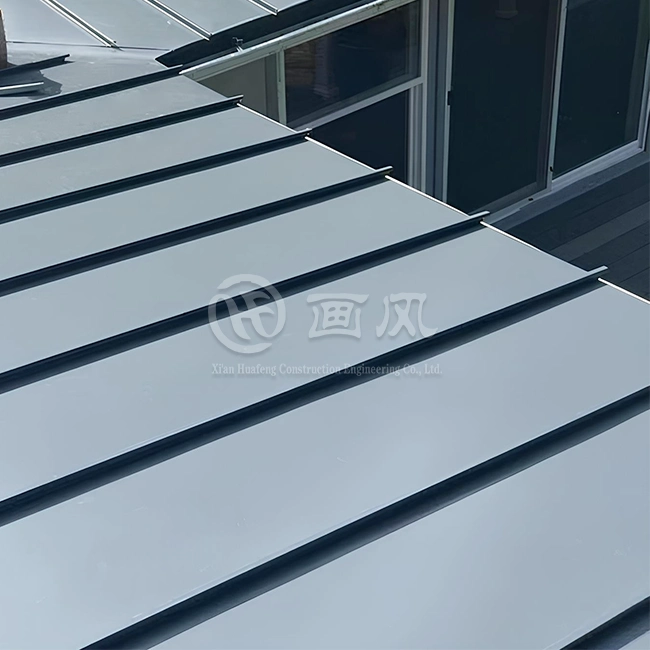
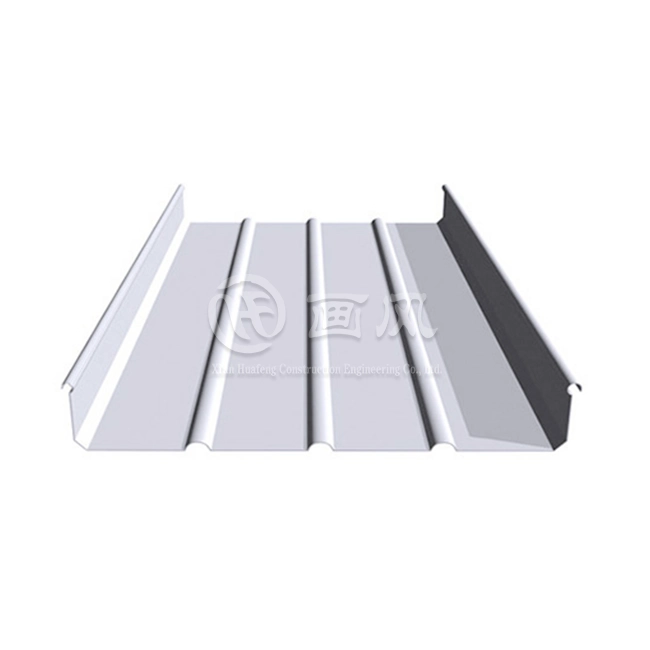
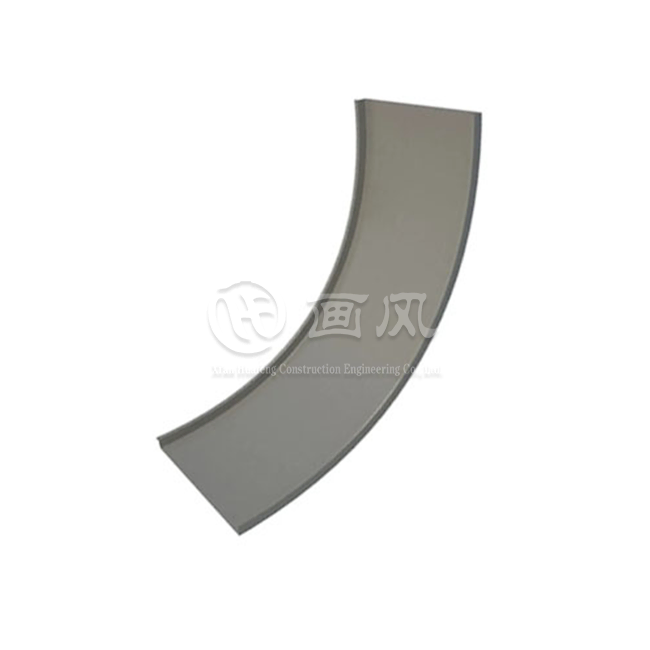
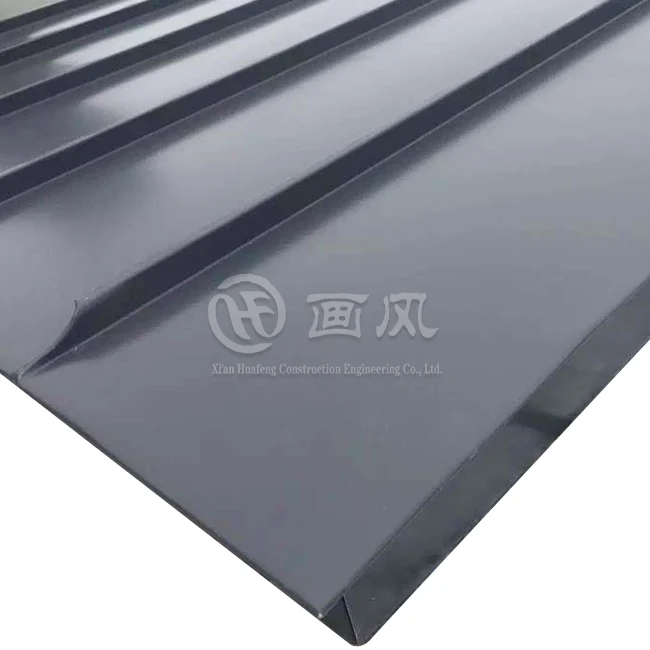
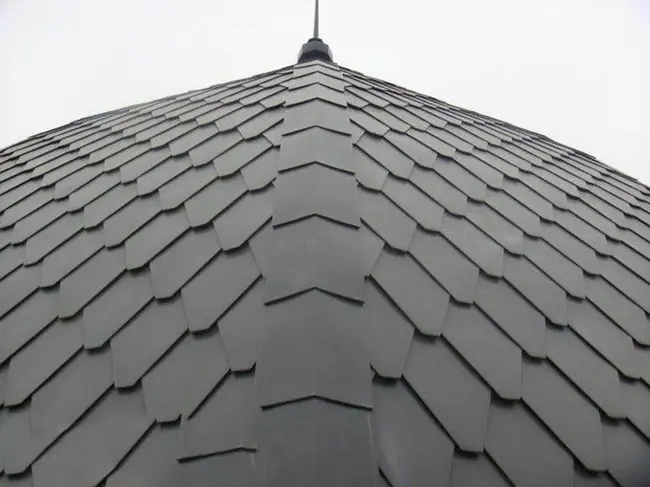
Flatlock metal panels boast a clean, contemporary aesthetic that seamlessly integrates with various architectural styles. Their smooth, flat surface creates a sophisticated look that enhances the visual appeal of any building. The panels' uniform appearance and precise lines contribute to a polished, high-end finish that elevates the overall design of a structure. This sleek profile is particularly advantageous for modern and minimalist architectural designs, where clean lines and uncluttered surfaces are paramount.
Customizable Color Options
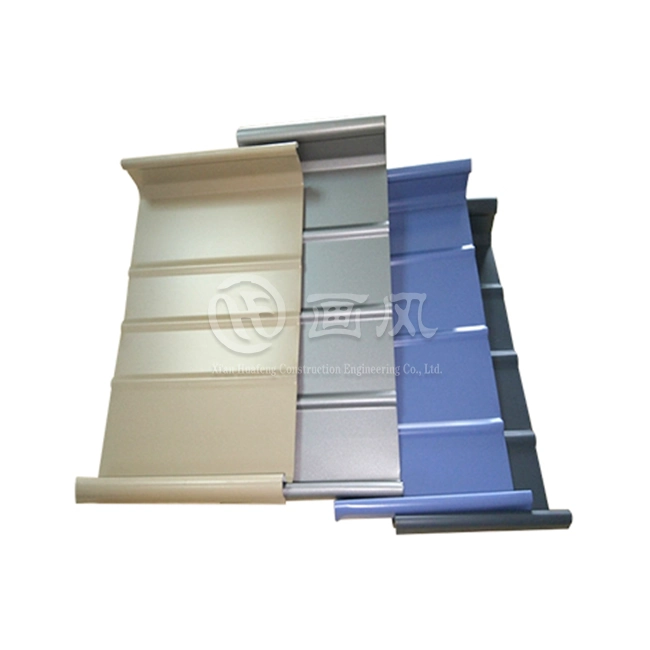
One of the most compelling aspects of flatlock metal panels is their extensive range of color options. Manufacturers offer these panels in a diverse palette, allowing architects and designers to select hues that complement or contrast with other building elements. From classic neutrals to bold, vibrant shades, the color possibilities are virtually limitless. This versatility enables creative expression and facilitates the realization of unique design visions. Additionally, many flatlock metal panels feature high-performance coatings that resist fading, ensuring the chosen color remains vibrant for years to come.
Flexible Installation Patterns
Flatlock metal panels offer remarkable flexibility in terms of installation patterns, empowering designers to create visually striking and distinctive facades. These panels can be arranged in various orientations, such as horizontal, vertical, or diagonal layouts, each imparting a different character to the building's exterior. The ability to mix and match panel sizes and orientations allows for the creation of intricate patterns and textures, adding depth and interest to the facade. This versatility in installation patterns enables architects to craft truly bespoke designs that set their projects apart from conventional structures.
Durability and Longevity
Weather Resistance
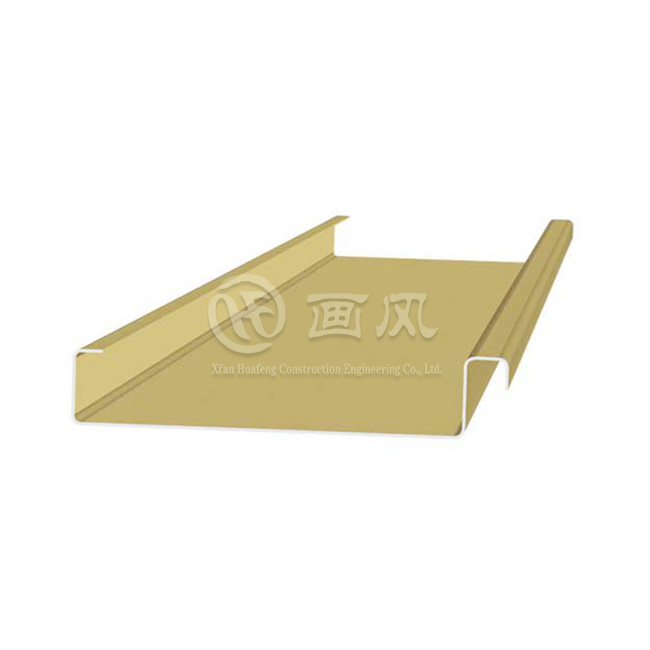
Flatlock metal panels exhibit exceptional weather resistance, making them an ideal choice for exterior applications in diverse climates. These panels are engineered to withstand exposure to harsh environmental conditions, including intense sunlight, heavy rainfall, and extreme temperature fluctuations. The metal composition of the panels, often aluminum or steel, provides inherent resistance to corrosion and rust. Moreover, the interlocking design of flatlock panels creates a watertight seal, effectively preventing moisture infiltration and protecting the building envelope from water damage. This robust weather resistance contributes to the longevity of the building's exterior and reduces the need for frequent maintenance or repairs.
Impact and Scratch Resistance
The durability of flatlock metal panels extends beyond weather resistance to include impressive impact and scratch resistance. The panels are manufactured using high-quality metals and often feature protective coatings that enhance their resilience against physical damage. This durability is particularly beneficial in areas prone to hail storms or in locations where the building exterior may be subjected to minor impacts. The scratch-resistant properties of flatlock panels help maintain their aesthetic appeal over time, resisting the wear and tear that can detract from a building's appearance. This resilience translates to reduced maintenance costs and a longer-lasting, attractive facade.
Fire Resistance
Safety is a paramount concern in building design and construction, and flatlock metal panels contribute significantly to fire safety measures. Many flatlock panel systems are designed with fire-resistant properties, adhering to stringent building codes and safety standards. The metal composition of these panels inherently resists combustion, helping to slow the spread of fire in the event of an emergency. Some flatlock panel systems even incorporate additional fire-retardant materials or coatings, further enhancing their fire-resistant capabilities. This crucial safety feature not only protects the building and its occupants but may also lead to potential insurance benefits for property owners.
Energy Efficiency and Sustainability
Thermal Performance
Flatlock metal panels play a crucial role in enhancing a building's thermal performance, contributing to improved energy efficiency. The panels can be designed with integrated insulation systems, creating an effective thermal barrier that minimizes heat transfer between the interior and exterior of the building. This insulation helps maintain comfortable indoor temperatures, reducing the reliance on heating and cooling systems and subsequently lowering energy consumption. Additionally, the reflective properties of many metal panel finishes can help deflect solar radiation, further mitigating heat gain in warmer climates. The combination of these thermal management features results in more stable indoor temperatures and reduced energy costs for building owners and occupants.
Recyclability and Eco-Friendliness
In an era of increasing environmental awareness, the sustainability of building materials is a critical consideration. Flatlock metal panels excel in this regard, offering significant eco-friendly benefits. The metal used in these panels, typically aluminum or steel, is highly recyclable. At the end of their service life, flatlock panels can be recycled and repurposed, reducing waste and conserving natural resources. Many manufacturers also incorporate recycled content into their panel production, further reducing the environmental impact. The longevity of flatlock panels also contributes to their sustainability, as their durability reduces the need for frequent replacements and the associated resource consumption. These eco-friendly attributes make flatlock metal panels an attractive option for green building projects and environmentally conscious designers.
Solar Panel Integration
The flat, stable surface provided by flatlock metal panels makes them an excellent substrate for solar panel integration. This compatibility with renewable energy systems enhances the overall sustainability of buildings equipped with flatlock panels. The panels can be designed to accommodate solar photovoltaic systems, allowing for seamless integration of solar technology into the building envelope. This integration not only improves the aesthetic appeal of solar installations but also maximizes the available surface area for energy generation. The combination of flatlock metal panels and solar technology creates a synergistic approach to sustainable building design, enabling structures to generate clean energy while maintaining architectural integrity.
Conclusion
Flatlock metal panels offer a compelling array of benefits that make them an excellent choice for modern construction projects. From their aesthetic versatility and durability to their contributions to energy efficiency and sustainability, these panels provide solutions to many challenges faced in contemporary architecture and building design. As the construction industry continues to evolve, flatlock metal panels stand out as a versatile, reliable, and forward-thinking material option. If you want to get more information about this product, you can contact us at huafeng@hfmetalroof.com
References
1. "Architectural Metal Panels: Design, Installation, and Performance" by Joseph Lstiburek
2. "Metal Architecture: Design and Construction" by Robert Kronenburg
3. "Sustainable Building Design: Principles and Practice" by Miles Keeping
4. "Building Envelope Design Guide" by National Institute of Building Sciences
5. "Energy-Efficient Building Systems: Green Strategies for Operation and Maintenance" by Lal Jayamaha
6. "Fire Safety in Buildings" by Jess Ledger





YOU MAY LIKE