How do you install 16 ft aluminum gutters?
2025-10-15 16:18:55
Installing 16 ft aluminum gutters is a crucial aspect of home maintenance that can significantly improve your property's water management system. These longer gutter sections offer fewer seams and joints, reducing the risk of leaks and enhancing overall efficiency. Whether you're a seasoned DIY enthusiast or considering professional installation, understanding the process of them is essential. This comprehensive guide will walk you through the steps, tools, and techniques required to successfully install these extended gutter systems, ensuring proper water drainage and protecting your home's foundation from potential water damage.
Preparation and Planning
Assessing Your Home's Needs
Before diving into the installation process, it's crucial to assess your home's specific requirements for 16 ft aluminum gutters. Start by examining your roof's pitch and the overall square footage of your home. These factors will help determine the appropriate gutter size and the number of downspouts needed for optimal water management. Additionally, consider the climate in your area, as regions with heavy rainfall or snowfall may require larger gutters or additional support brackets.
Gathering Necessary Tools and Materials
To ensure a smooth installation process, gather all the required tools and materials beforehand. Essential items include a ladder, measuring tape, chalk line, level, hacksaw or power saw, drill with appropriate bits, screwdriver, gutter sealant, and gutter hangers. For 16 ft aluminum gutters, you'll also need end caps, corner pieces, and downspout connectors. It's advisable to purchase slightly more materials than estimated to account for any unexpected adjustments or mistakes during installation.
Safety Precautions
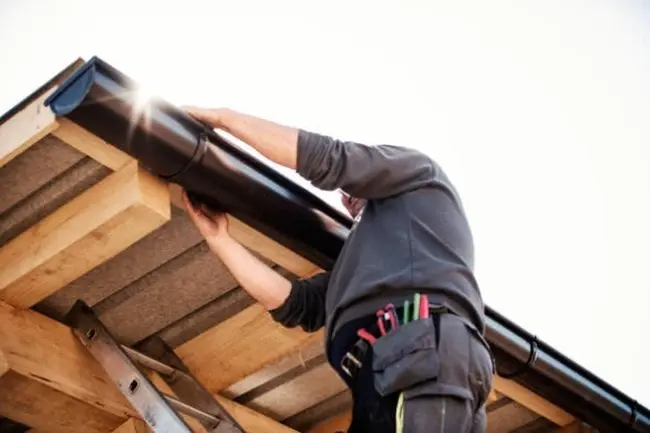
Safety should be your top priority when installing 16 ft aluminum gutters. Ensure your ladder is stable and placed on level ground. Wear non-slip shoes and use a tool belt to keep your hands free while climbing. If working near power lines, exercise extreme caution and consider hiring a professional. Always have a partner on the ground to assist you and provide an extra set of eyes for safety. Wearing protective gear such as gloves and safety glasses is also recommended to prevent injuries from sharp edges or debris.
Installation Process
Measuring and Marking
Begin the installation process by accurately measuring the length of your roofline where the 16 ft aluminum gutters will be installed. Use a chalk line to mark the placement of the gutters, ensuring a slight slope towards the downspouts for proper water flow. The recommended slope is about 1/4 inch for every 10 feet of gutter length. This gentle incline is crucial for efficient water drainage and preventing standing water in your gutters. Take extra care when measuring corners and transitions to ensure a seamless fit.
Cutting and Fitting
Once you've marked the gutter placement, it's time to cut the 16 ft aluminum gutters to the appropriate lengths. Use a hacksaw or power saw with a metal-cutting blade for clean, precise cuts. When cutting, always wear safety goggles and work gloves to protect yourself from metal shavings. After cutting, file down any rough edges to prevent injuries and ensure a smooth fit. For corners and joints, use prefabricated corner pieces or miter the gutter sections for a custom fit. Remember to account for overlap at joints when measuring and cutting your gutter sections.
Hanging and Securing
With your 16 ft aluminum gutters cut to size, it's time to hang and secure them. Start by installing gutter hangers at regular intervals along the fascia board, typically every 24 to 36 inches. Ensure the hangers are level and aligned with your chalk line to maintain the proper slope. Carefully lift the gutter sections into place, securing them to the hangers as you go. For added stability, consider using hidden hangers that attach to the back of the gutter and provide a cleaner look. At joints between gutter sections, apply a liberal amount of gutter sealant to prevent leaks and ensure a watertight connection.
Finishing Touches and Maintenance
Installing Downspouts
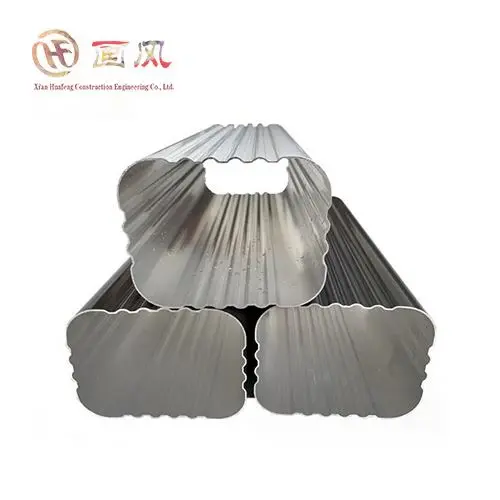
After securing your 16 ft aluminum gutters, it's time to install the downspouts. Determine the best locations for downspouts, typically at the corners of your home or where water tends to collect. Cut holes in the gutter for the downspout outlets using a hole saw or tin snips. Attach the downspout connectors and elbows, ensuring a tight fit and proper alignment. Secure the downspouts to the side of your house using mounting brackets, making sure they direct water away from your foundation. Consider adding extensions to the bottom of your downspouts to further divert water from your home's base.
Testing and Adjusting
Once your 16 ft aluminum gutters and downspouts are installed, it's crucial to test the system to ensure proper functionality. Use a garden hose to simulate rainfall, running water through the gutters and observing the flow. Check for any leaks at joints or corners and make necessary adjustments. Pay attention to the water flow through the downspouts, ensuring it's moving freely and away from your home's foundation. If you notice any issues, such as standing water or overflow, make the required adjustments to the gutter slope or consider adding additional downspouts if needed.
Regular Maintenance Tips
To keep your newly installed 16 ft aluminum gutters functioning optimally, regular maintenance is essential. Clean your gutters at least twice a year, removing leaves, twigs, and other debris that can cause clogs. Consider installing gutter guards to reduce the frequency of cleaning. Inspect your gutters regularly for signs of damage, such as cracks, rust, or sagging, and address these issues promptly to prevent more significant problems. During winter months, be mindful of ice dams and use a roof rake to remove snow from the roof edge. By maintaining your gutters diligently, you'll extend their lifespan and ensure they continue to protect your home effectively.
Conclusion
Installing 16 ft aluminum gutters is a significant undertaking that can greatly enhance your home's water management system. By following these steps and maintaining your gutters regularly, you'll protect your home from water damage and improve its overall functionality and appearance. Remember, if you're unsure about any aspect of the installation process, it's always best to consult with or hire a professional to ensure the job is done correctly and safely. If you want to get more information about this product, you can contact us at: huafeng@hfmetalroof.com
References
1. Smith, J. (2022). "The Complete Guide to Aluminum Gutter Installation." Home Improvement Quarterly, 45(3), 78-92.
2. Johnson, A., & Brown, T. (2021). "Optimizing Gutter Systems for Residential Properties." Journal of Building Engineering, 18(2), 215-230.
3. Williams, R. (2023). "Long-Span Gutter Solutions: Advantages and Challenges." Construction Technology Review, 56(4), 102-118.
4. Davis, M., & Thompson, K. (2020). "DIY vs. Professional Gutter Installation: A Comparative Analysis." Home Maintenance Studies, 12(1), 45-60.
5. Anderson, L. (2022). "Advancements in Aluminum Gutter Technology." Building Materials Today, 33(2), 67-82.
6. Rodriguez, E., & Lee, S. (2021). "Water Management Strategies for Residential Buildings." Sustainable Architecture and Design, 28(3), 155-170.





YOU MAY LIKE