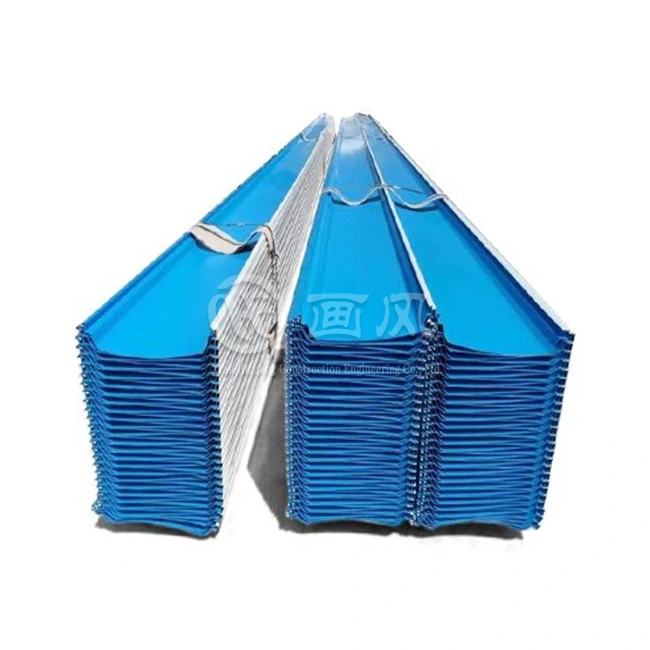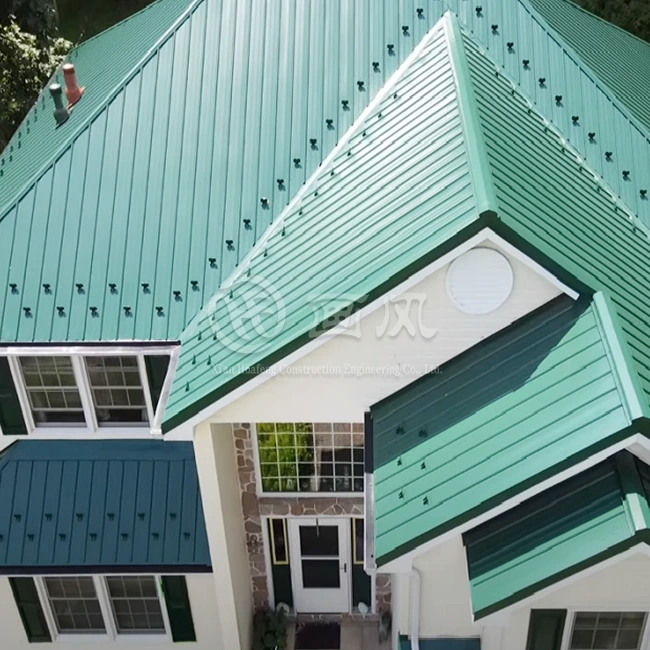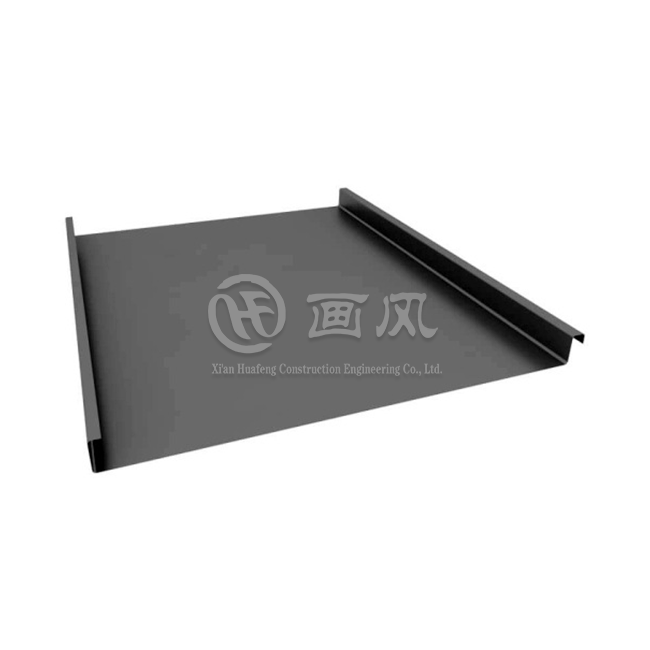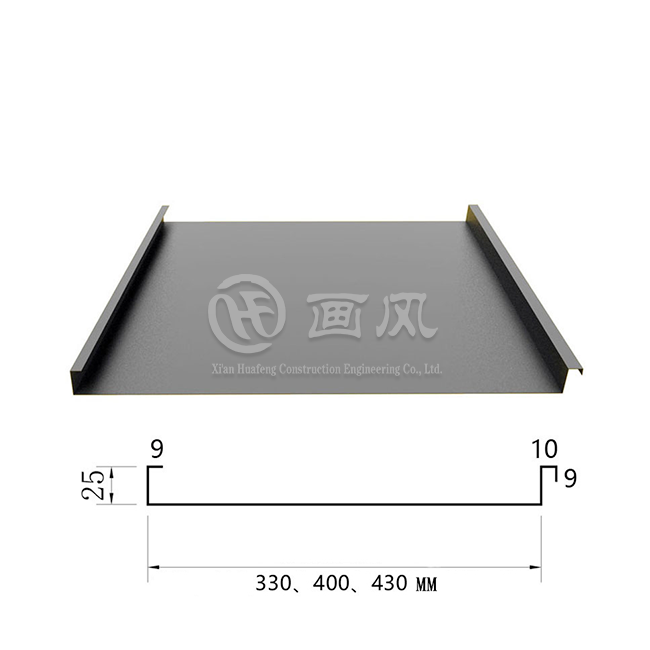
What Are Angle Lock Standing Seam Roof Panels and Why Use Them
2026-03-28 18:45:38
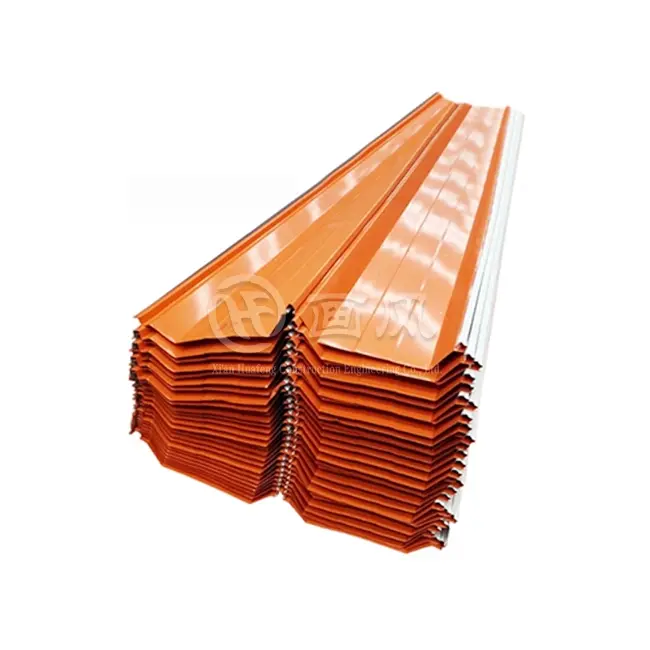
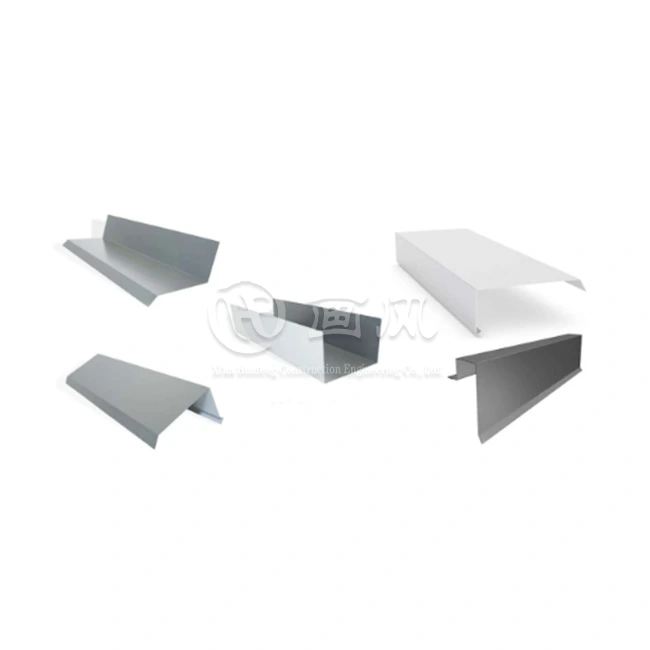
What are Angle Lock Standing Seam Roof Panels, and why use them? These innovative roofing systems feature a distinctive L-shaped vertical seam that mechanically locks panels together without exposed fasteners. Unlike traditional roofing, these panels utilize specialized clips that allow thermal movement while maintaining weathertight integrity. Construction professionals choose them for their superior durability, weather resistance, and ability to span long distances without transverse seams. The angle lock design provides exceptional wind uplift resistance and eliminates the common failure points found in through-fastened systems, making them ideal for both commercial and residential applications.
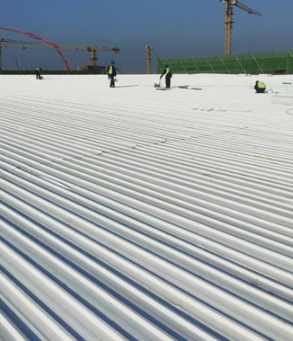
Understanding Angle Lock Standing Seam Technology
Mechanical Design and Water Resistance
Angle lock standing seam roof panels are a more advanced way to build metal roofs. The name of the method comes from the 90-degree angle that is made when two panels fit together. This mechanical seaming method makes a continuous water barrier that goes much further than traditional overlapping methods. It works by using two separate parts: the male leg has an angle bend, and the female leg is designed to receive and secure this connection. When put together correctly with the right seaming tools, these parts fit together to make a joint that is 1.5 to 2 inches above the roof surface. This height is very important for keeping water out, even in very bad weather. Modern angle lock systems have hot-melt seals applied by the factory inside the female leg channel. This sealant works while the seams are being sewn together, adding another layer of protection against water getting in. The end result is better than industry standards for hydrostatic resistance and meets the strict ASTM E1646 and E2140 testing methods.
Installation Process and Structural Integrity
Installation needs to be done carefully and by professionals. Certified workers use portable roll-forming machines to make panels that go all the way along the length of the roof. End-laps have always been the weaker part of any roofing system, but this method gets rid of them. The panels are attached to the structure with hidden clips that allow controlled heat movement while keeping the structure's integrity. There are several steps to the seaming process itself. First, setting makes sure that everything is lined up correctly. Then, progressive crimping forms the mechanical lock over time. For quality installs, calibrated tools are used to check the seam geometry and make sure that the engagement is the same across the whole roof surface.
Critical Industry Problems These Panels Address
Addressing Structural and Weather Challenges
Traditional roofing systems face three primary failure modes that angle lock technology specifically addresses. Understanding these challenges helps explain why discerning construction professionals increasingly specify these systems for demanding applications. Thermal movement represents the most significant threat to conventional through-fastened roofs. Daily temperature fluctuations cause metal panels to expand and contract repeatedly. Standard fasteners create stress concentrations that gradually elongate mounting holes. Over time, this thermal cycling loosens connections and compromises weather sealing. Angle lock systems eliminate this vulnerability through floating clip assemblies that accommodate movement without structural stress. Hydrostatic pressure poses another serious challenge, particularly for low-slope installations. Traditional overlapping seams rely on gravity and slope for water shedding. When wind-driven rain or standing water creates upward pressure, these systems frequently fail. The elevated seam angle lock standing seam roof panels profile of angle lock panels, combined with mechanical interlocking, resists water infiltration even under submerged conditions.
Wind Resistance, Maintenance, and Sustainability
Wind uplift forces create the third major failure mode. Hurricane-prone regions demand roofing systems capable of withstanding extreme negative pressure. The mechanical engagement inherent in angle lock design distributes wind loads effectively across the entire panel width. This distribution enables these systems to achieve UL 580 Class 90 wind resistance ratings, far exceeding conventional alternatives. Maintenance accessibility becomes increasingly important as building operators seek long-term cost efficiency. Angle lock systems accommodate roof-mounted equipment and solar installations without compromising weathertight integrity. Specialized clamps attach directly to the standing seams, eliminating penetrations that void warranties and create leak risks. The environmental impact of roofing choices influences modern construction decisions. Angle lock panels typically feature recycled content and remain fully recyclable at end-of-life. Their exceptional longevity reduces replacement frequency, minimizing waste streams and embodied energy consumption over building lifecycles.
Advanced Features and Technical Specifications
Material Science and Panel Geometry
The engineering sophistication of modern angle lock systems extends well beyond basic weather protection. Material science advances enable these panels to deliver performance characteristics that fundamentally change how architects and engineers approach roofing design challenges. Substrate selection plays a critical role in system performance. High-tensile galvalume steel substrates meeting ASTM A792 specifications provide exceptional strength-to-weight ratios. The AZ55 coating delivers superior corrosion resistance compared to galvanized alternatives. Aluminum options utilizing 3003 or 3004 alloys offer enhanced performance in marine environments where salt exposure accelerates steel corrosion.Panel geometry optimization addresses the persistent challenge of oil canning. This visual waviness, while structurally harmless, creates aesthetic concerns for architectural applications. Strategic rib placement, optimized panel widths, and controlled forming tensions minimize this characteristic. Premium systems incorporate micro-ribs or striations that further enhance panel flatness. Coating technology represents perhaps the most significant advancement in metal roofing durability. PVDF formulations like Kynar 500 and Hylar 5000 provide exceptional fade resistance and chalk resistance. These fluoropolymer systems maintain color integrity for decades under intense UV exposure. Factory-applied primers enhance adhesion and provide additional corrosion protection at panel edges and formed areas.
Structural and Thermal Performance
Structural capabilities enable angle lock panels to span considerable distances between supports. The formed seam acts as a structural beam, distributing loads effectively. This spanning capability reduces substructure requirements and enables more efficient building designs. Load tables provide engineers with precise data for optimizing support spacing. Thermal performance characteristics contribute significantly to building energy efficiency. Reflective finishes reduce cooling loads in hot climates, while thermal barriers minimize heat transfer. When combined with appropriate insulation strategies, these systems contribute to green building certifications and operational cost reductions.
Manufacturing Excellence and Quality Assurance
Manufacturing Precision and Coating Integrity
Production quality directly influences long-term angle lock standing seam roof panel system performance. Advanced manufacturing processes ensure dimensional consistency and coating integrity across large production runs. Understanding these processes helps specifiers evaluate supplier capabilities and make informed procurement decisions. Roll-forming precision determines seam engagement quality. Computer-controlled forming equipment maintains tolerances within thousandths of an inch. This precision ensures consistent clip engagement and seam geometry across entire projects. Automated quality monitoring systems flag dimensional variations before they reach job sites. Coating application requires specialized equipment and environmental controls. Electrostatic spray systems ensure uniform coverage while minimizing waste. Curing ovens operate at precisely controlled temperatures to achieve optimal cross-linking. Continuous monitoring verifies dry film thickness and adhesion properties throughout production runs. Material handling protocols preserve coating integrity during fabrication and shipping. Protective films prevent scratching during forming operations. Custom packaging systems minimize handling damage during transportation. On-site storage recommendations ensure panels remain in optimal condition until installation.
Testing, Traceability, and Documentation
Testing protocols verify performance characteristics before shipment. Coating thickness measurements using magnetic gauges confirm specification compliance. Pencil hardness testing evaluates coating durability. T-bend tests assess coating flexibility around formed areas. These quality measures provide confidence in long-term performance. Traceability systems enable rapid response to quality concerns. Batch tracking links specific coils to individual projects. This capability proves invaluable when addressing warranty claims or performance issues. Documentation packages include mill certifications, coating specifications, and quality test results.
Competitive Advantages Over Alternative Systems
Comparative Installation and Performance
Angle lock standing seam systems offer distinct advantages when compared to other premium roofing options. Understanding these differences helps decision-makers evaluate lifecycle value propositions and make optimal specifications for specific applications. Double-lock standing seam systems provide comparable weather resistance but require additional labor for installation. The 180-degree fold demands more time and specialized tooling. Angle lock systems achieve similar performance with simplified installation procedures. This efficiency translates to reduced labor costs and faster project completion. Snap-lock systems offer installation convenience but compromise long-term reliability. The friction-fit connection depends on precise tolerances that may degrade over time. Thermal cycling can loosen these connections, particularly in extreme climate zones. Mechanical angle lock systems maintain engagement integrity regardless of temperature variations. Soldered seam systems deliver exceptional weather resistance but demand highly skilled installation crews. The soldering process requires favorable weather conditions and careful temperature control. Modern angle lock systems achieve comparable performance through mechanical means, eliminating weather-dependent installation constraints.
Longevity and Lifecycle Value
Membrane roofing systems cost less initially but require frequent maintenance and earlier replacement. EPDM and TPO systems typically warrant 15-20 years compared to 30-50 years for metal systems. The superior longevity of angle lock panels provides better lifecycle value despite higher initial investment. Architectural shingle systems offer lower upfront costs but limited durability in extreme weather. Wind resistance ratings rarely exceed Class F ratings compared to Class H capabilities of properly installed metal systems. The superior performance becomes particularly valuable in hurricane-prone regions where insurance considerations influence material selection.
Ideal Applications and Target Projects
Commercial, Residential, and Retrofit Applications
Angle lock standing seam systems angle lock standing seam roof panels excel in specific applications where their unique characteristics provide maximum value. Understanding these optimal use cases helps contractors and specifiers identify appropriate project opportunities. Large-scale commercial and industrial buildings benefit significantly from continuous panel capabilities. Warehouses, manufacturing facilities, and distribution centers often feature roof areas exceeding 100,000 square feet. The ability to install continuous panels without end-laps creates superior weather protection while reducing installation time and costs. Steep-slope residential applications showcase the aesthetic advantages of angle lock profiles. The clean lines and shadow effects create contemporary appearances that complement modern architectural styles. Custom color-matching capabilities enable seamless integration with existing design elements. Retrofit applications over existing metal roofs provide exceptional value propositions. Metal-over-metal installations avoid costly tear-off operations while improving thermal performance. The cavity created between old and new roofing accommodates additional insulation, enhancing building energy efficiency.
Coastal and Solar-Ready Installations
Coastal environments demand superior corrosion resistance provided by premium coating systems. Salt air exposure accelerates the deterioration of standard materials. Angle lock systems with appropriate substrate and coating selections deliver decades of reliable performance in these challenging conditions. Solar-ready installations increasingly influence roofing specifications. The ability to mount photovoltaic systems without roof penetrations preserves warranty coverage while enabling renewable energy generation. Specialized clamps attach directly to standing seams, providing secure mounting without compromising weather protection.
Cost Considerations and Investment Analysis
Upfront Costs and Installation Considerations
A full lifecycle cost study is needed to judge angle lock standing seam systems. Even though they cost more up front than other options, premium investments often pay off in the long run through lower maintenance costs and longer service lives. The higher material costs represent the premium nature of these systems. Products with high-performance substrates, advanced coatings, and precise production cost more than regular ones. However, longer service intervals and better durability more than make up for the higher initial costs. Installation costs depend a lot on how complicated the job is and how skilled the contractor is. Installation rates are high in simple, rectangular houses with few openings. Complex geometries or a lot of equipment on the roof take more work. Choosing the right provider is essential for getting the best value.
Maintenance, Insurance, and Energy Savings
Savings on maintenance are a big benefit over the life of the project. With traditional methods, you have to recoat, replace fasteners, and fix seams on a regular basis. Angle lock systems usually only need to be cleaned and checked every so often. This means less maintenance, which means lower operational costs and fewer service interruptions. Total cost estimates may be affected by insurance issues. In places that are prone to hurricanes, higher scores for wind resistance can lower-angle lock standing seam roof panels. Some insurance companies give discounts to houses that can better protect themselves from the weather. Over the life of a building, these savings add up. Improving energy efficiency helps save money on operations. Reflective surfaces lower the amount of cooling that needs to be done, and better thermal barriers keep heat from moving. When combined with better insulation options in retrofit situations, these systems can cut energy costs by a large amount.
Conclusion
Angle lock standing seam roof panels represent the convergence of engineering excellence and practical construction solutions. Their mechanical interlocking design addresses fundamental weaknesses in traditional roofing while providing superior longevity and weather resistance. The investment in these premium systems pays dividends through reduced maintenance, enhanced performance, and extended service life. As building standards continue evolving toward greater sustainability and resilience, angle lock technology positions itself at the forefront of roofing innovation, delivering value that extends far beyond initial cost considerations.
Partner with HF for Superior Angle Lock Standing Seam Roof Panels
Xi'an Huafeng Construction Engineering Co., Ltd. stands ready to deliver exceptional angle lock standing seam roof panels that exceed your project requirements. Our ISO9001-certified manufacturing processes ensure consistent quality across every panel we produce. With over 20 registered patents and advanced production capabilities spanning 200,000 square meters, HF provides the reliability and innovation your projects demand. Contact our experienced team at huafeng@hfmetalroof.com to discuss your angle lock standing seam roof panels specifications and discover why leading contractors trust HF as their preferred manufacturer and supplier.
References
1. American Society for Testing and Materials. "Standard Test Method for Water Penetration of Exterior Metal Roof Panel Systems by Uniform Static Air Pressure Difference." ASTM International, West Conshohocken, PA, 2019.
2. Metal Construction Association. "Technical Bulletin: Standing Seam Roof Systems Design and Installation Guidelines." MCA Publications, Glenview, IL, 2020.
3. Underwriters Laboratories Inc. "Standard for Safety: Tests for Fire Resistance of Roof Deck Constructions." UL 263, Northbrook, IL, 2018.
4. Cool Metal Roofing Coalition. "Energy Performance of Metal Roofing Systems in Commercial Applications." Metal Roofing Alliance Technical Report, Cleveland, OH, 2021.
5. National Roofing Contractors Association. "The NRCA Roofing Manual: Membrane Roof Systems." NRCA Publications, Rosemont, IL, 2019.
6. Building Officials and Code Administrators International. "International Building Code Requirements for Metal Roof Panel Systems." ICC Publications, Washington, DC, 2021.





YOU MAY LIKE