Why Builders Choose Classic Rib Corrugated Panel Roofing
2026-03-28 18:45:39
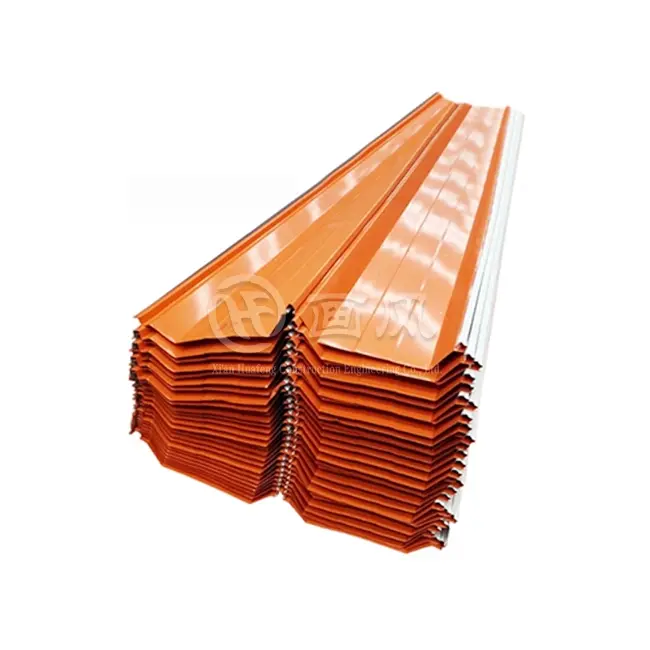
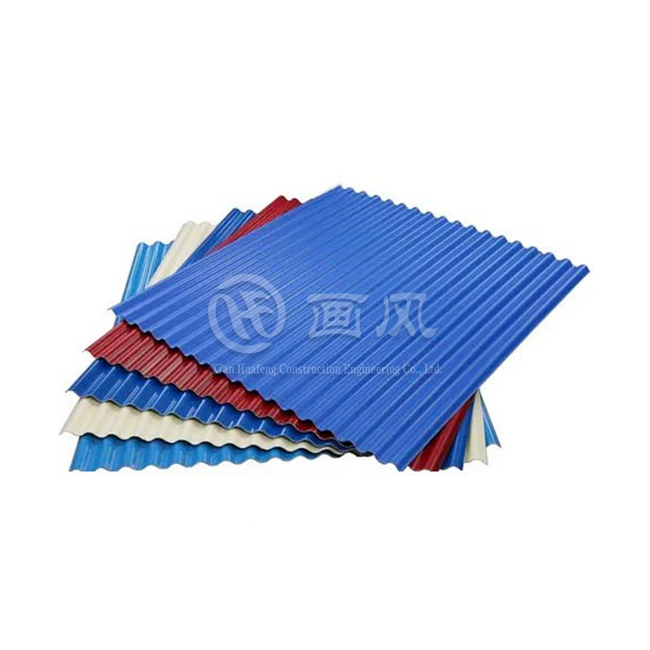
Traditional Classic Rib Corrugated Panel roofing is always chosen by builders because it is the most durable, cost-effective, and flexible option for both residential and business uses. These ribbed panels are made to be lightweight and resistant to the weather, so they can be put up faster while still providing excellent structural integrity that lasts for decades in harsh circumstances. When construction workers look at roofing materials, they are under more and more pressure to complete projects that meet both short-term budget needs and long-term performance goals. There have been big changes in the building industry toward more environmentally friendly methods, but workers can't cut corners on dependability or installation speed. The needs of modern buildings go beyond just keeping out the weather. Today's builders have to keep competitive project timelines and budgets while thinking about things like energy efficiency, environmental impact, upkeep needs, and how the building looks.
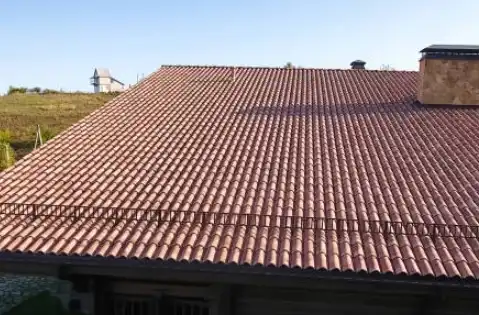
The Engineering Excellence Behind Corrugated Steel Roofing
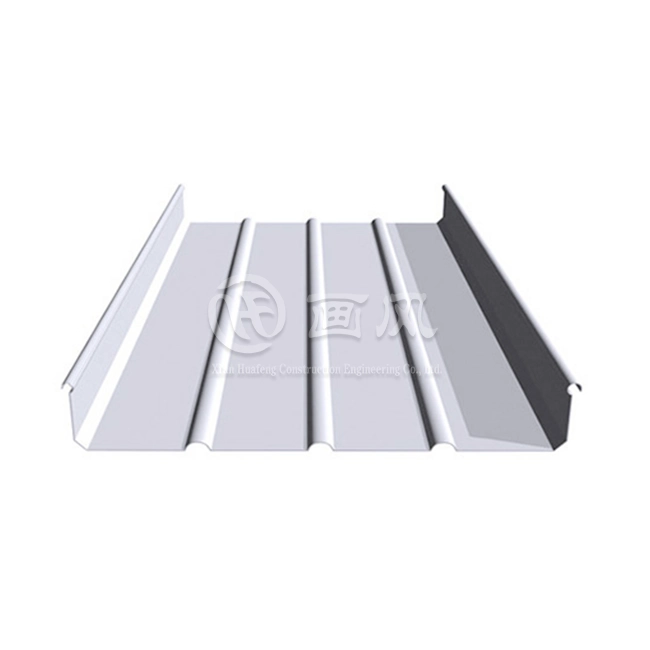
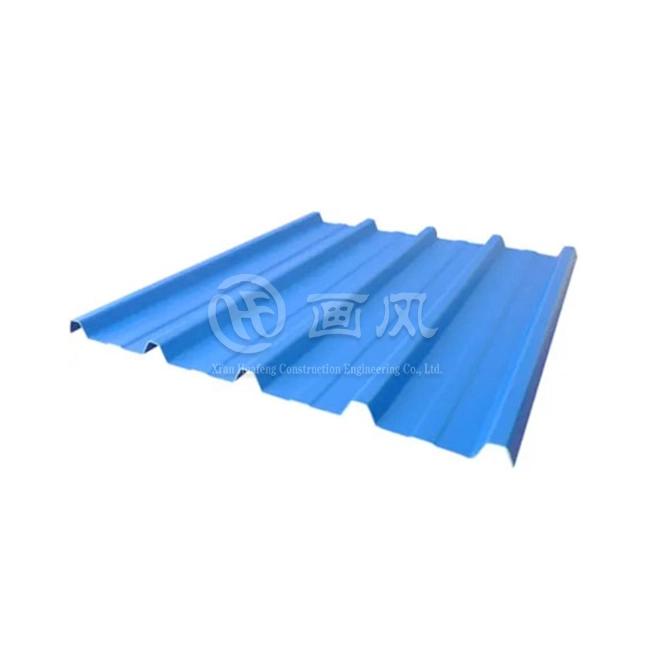
The unique rib design in corrugated roofing sheets makes them very strong because of the way they are shaped, like waves. This shape spreads the weight evenly across the panel's surface, so it doesn't bend when snow or wind blows on it. High-tensile galvanised steel substrates with protective coating methods are used to make these structural panels. The panel's moment of inertia is much higher than that of flat pieces of the same thickness because of its corrugated profile. Advanced roll-forming methods make sure that the ribs are always the same height and distance apart. This lets water drain properly and gets rid of any weak spots that could cause the material to fail early. The ribbed design also creates natural expansion points that let heat move without putting too much stress on certain areas. Quality galvanised steel goes through constant processes where the zinc coating bonds to the steel's metal structure. This makes a barrier that keeps rust out even if the surface gets a few small scratches or abrasions while it's being installed.
Installation Advantages That Save Time and Money
A lot more metal roofs can be installed quickly and easily, Classic Rib Corrugated Panel with corrugated designs, because they cover a lot of ground and are light. Most panels are 36 inches wide, which means that fewer pieces are needed for each roof area. The exposed fastener method on these roof panels lets contractors use standard grommeted screws to attach materials directly to purlins or solid sheathing. With this method, you don't need the complicated clips and seaming tools that are needed for other metal roofing systems. Installing crews can easily move these light panels, which keeps them from getting tired and boosts their productivity throughout the day. The material weighs about 85% less than concrete alternatives and about 65% less than standard tile roofing. For proper fitting, fasteners should be placed on the flat areas next to the ribs instead of the raised parts. This placement seals better against the weather and stops the effects of pressure that can make fasteners loosen over time. When you use metal for building materials, weather delays are much less likely to happen because installation can go on safely even when other roofing work would have to stop. If the right safety steps are taken, light rain or snow usually doesn't stop progress.
Weather Resistance That Protects Your Investment
Severe weather conditions test every building component, yet ribbed panel systems consistently outperform traditional roofing materials in extreme environments. The interlocking lap design creates multiple barriers against water infiltration. Anti-siphon channels integrated into the panel edges prevent capillary action that could draw moisture through seemingly sealed joints. These engineered features maintain weathertight integrity even during wind-driven rain events. Thermal expansion accommodation happens naturally through the panel geometry and fastening system. Unlike rigid roofing materials that can crack under temperature stress, metal panels flex and return to their original position. Impact resistance testing demonstrates superior performance against hail damage compared to asphalt shingles or tile roofing. UL 2218 Class 4 ratings indicate these panels withstand steel ball impacts simulating severe hail without film rupture or substrate damage.UV radiation protection comes from advanced paint systems that maintain color stability and surface integrity for decades. PVDF coating formulations provide exceptional chalk and fade resistance in high-exposure environments.
Cost Analysis: Initial Investment vs. Lifecycle Value
Building materials procurement decisions often focus heavily on initial costs, yet experienced contractors recognize the importance of lifecycle value analysis. Durable roofing systems reduce replacement frequency and maintenance expenses significantly. Energy efficiency benefits emerge from the high reflectivity and emissivity characteristics of modern metal roofing. Cool roof technology qualifications under Energy Star requirements can provide tax incentives and utility rebates. Labor cost comparisons favor metal construction due to faster installation rates and reduced crew requirements. Projects typically complete 40-60% faster than comparable tile or composition shingle installations. Maintenance requirements remain minimal throughout the service life of quality metal roofing systems. Annual inspections and occasional fastener tightening represent the primary ongoing costs. Insurance premium reductions often apply to buildings with Class A fire-rated metal roofing. Many carriers also offer discounts for impact-resistant roofing in hail-prone regions.
Versatility Across Construction Applications
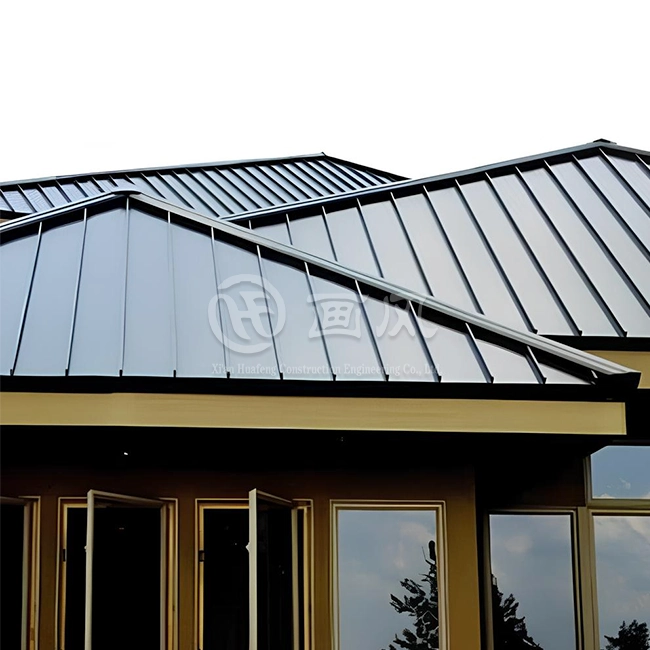
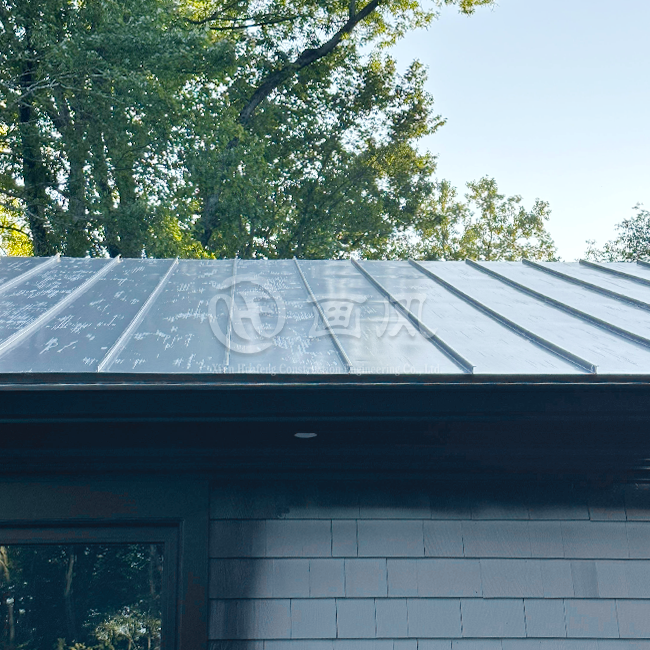
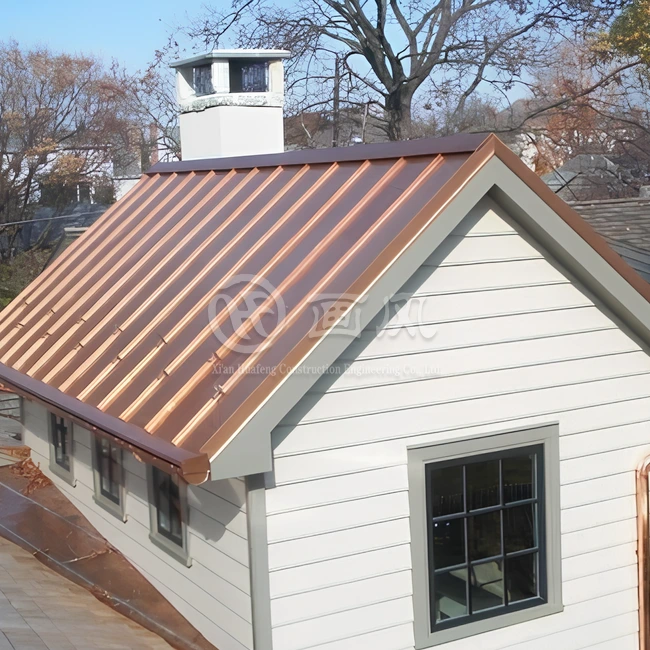
Agricultural buildings represent a primary market for Classic Rib Corrugated Panel corrugated roofing applications due to the demanding environment and cost sensitivity of farming operations. Post-frame construction utilizes wide purlin spacing so that these panels span effectively without sagging. Industrial facilities benefit from the chemical resistance and low maintenance characteristics of properly coated steel panels. Warehouse and manufacturing environments often contain corrosive elements that challenge other roofing materials. Residential re-roofing projects increasingly specify metal roofing for its longevity and energy efficiency advantages. Installation over existing shingles becomes possible with proper preparation and ventilation considerations. Commercial applications ranging from retail centers to office buildings utilize wall panels and exterior cladding systems based on the same ribbed profile technology. Vertical installation hides oil-canning effects while providing excellent wind load resistance. Self-storage facilities and similar commercial structures rely heavily on these economical yet durable building materials to provide decades of maintenance-free service in competitive markets.
Environmental Benefits and Sustainability
Recycled content in modern steel production often exceeds 80%, making metal roofing one of the most environmentally responsible building materials available. End-of-life recyclability approaches 100% with proper material separation. Energy production potential through solar panel integration becomes enhanced with metal roofing substrates. The structural strength and fastening options accommodate photovoltaic systems more easily than other roofing types. Stormwater management benefits emerge from the smooth surface characteristics and controlled drainage patterns of ribbed panel systems. Rainwater harvesting becomes more effective with minimal contamination concerns. Manufacturing processes have evolved to minimize environmental impact, Classic Rib Corrugated Panel,through reduced energy consumption and waste elimination. Modern coating lines achieve near-zero volatile organic compound emissions.LEED certification points become available through material selection, energy efficiency, and recyclability characteristics. Green building requirements increasingly favor metal roofing solutions.
Quality Standards and Performance Specifications
Material specifications for structural panels must comply with ASTM, DIN, JIS, BS, and GB/T standards to ensure consistent performance across global markets. These standards govern everything from substrate chemistry to coating thickness and adhesion properties. Thickness options ranging from 0.3mm to 1.2mm accommodate varying load requirements and budget considerations. Heavier gauges provide increased spanning capability and impact resistance for demanding applications. Width customization between 600mm and 1200mm allows optimization for specific project requirements and transportation considerations. Standard lengths typically range from 2 meters to 12 meters, with custom lengths available. Coating systems, including PE, HDP, and PVDF formulations, offer varying levels of corrosion protection and aesthetic durability. Color matching and custom finishes support architectural requirements across diverse applications. Testing protocols verify impact resistance, salt spray corrosion resistance, and paint adhesion characteristics. Quality control measures ensure consistent performance batch after batch.
Conclusion
Classic Rib Corrugated Panel roofing continues gaining market share because it addresses the core challenges facing modern construction: durability, efficiency, and value. The combination of proven engineering principles, advanced materials technology, and streamlined installation processes creates compelling advantages for builders across all market segments. Weather resistance, cost-effectiveness, and environmental responsibility make these systems particularly attractive as building codes evolve toward higher performance standards. The versatility to serve agricultural, commercial, industrial, and residential applications with a single product platform simplifies inventory management while ensuring consistent quality outcomes. Smart builders recognize that roofing material selection impacts project profitability both immediately and throughout the building's service life. Classic Rib Corrugated Panel systems deliver the reliability and performance that protect investments while supporting sustainable construction practices.
Partner with HF for Premium Classic Rib Corrugated Panel Solutions
Xi'an Huafeng Construction Engineering stands ready to support your next project with industry-leading Classic Rib Corrugated Panel systems manufactured to exacting standards. Our three factories and seven production lines ensure consistent quality and reliable delivery schedules that keep your construction timeline on track. Contact our technical specialists at huafeng@hfmetalroof.com to discuss your specific requirements and discover why leading contractors choose HF as their trusted metal roofing supplier.
References
1. American Society for Testing and Materials. "Standard Specification for Steel Sheet, Aluminum-Zinc Alloy-Coated by the Hot-Dip Process." ASTM A792/A792M-18.
2. Metal Construction Association. "Guidelines for Design and Installation of Structural Metal Roof and Wall Panel Systems." Technical Bulletin MCA-101.
3. Building Research Institute. "Comparative Analysis of Roofing Material Performance in Severe Weather Conditions." Journal of Construction Engineering, Vol. 45, No. 3.
4. International Code Council. "Metal Roof System Installation Standards and Best Practices." ICC Building Safety Guidelines 2023.
5. National Roofing Contractors Association. "Professional Guide to Metal Roofing Systems Design and Installation." NRCA Technical Manual, 8th Edition.
6. Steel Construction Institute. "Structural Performance of Cold-Formed Steel Roofing and Cladding Systems." Technical Report SCI-142.





YOU MAY LIKE