Xi'an Huafeng Construction Engineering Co., Ltd., a professional vertical standing seam metal cladding supplier, has extensive experience providing vertical standing seam metal cladding for North American commercial and industrial projects. Over 200,000 square meters of factories with seven colour finishing production lines and high-tech construction tools provide consistent order quality. We maintain ISO 9001 and ISO 14001 certifications and follow SGS recommendations to provide products that meet the highest standards. From the earliest plan meeting to final construction, our technical team provides fast service at huafeng@hfmetalroof.com. We help procurement teams execute projects on schedule and on budget while improving building performance with a 1,000-ton monthly production capacity, low bulk costs, and 15–20-day delivery periods.

Top Benefits of Vertical Standing Seam Metal Cladding for Buildings
2026-05-28 11:00:00
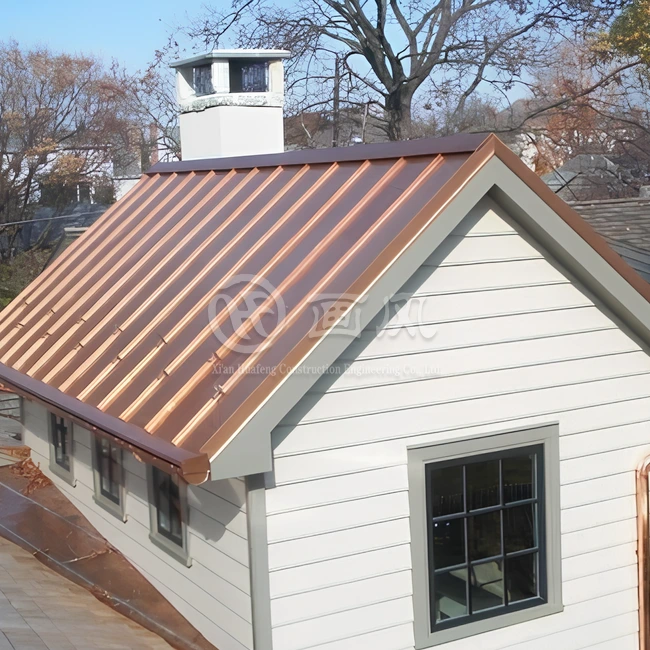
For corporate or industrial outside cladding, vertical standing seam metal cladding is always optimal. This construction solution uses automatically joined metal panels with vertically elevated seams around the front. Water is blocked by this continuous barrier. The solution solves major building issues. It prevents water from entering through hidden fasteners, allows thermal expansion with sliding clips, and gives structures clean, straight lines that appear nicer. This cladding is cheaper, stronger, and lasts longer for buying workers in control of major projects.
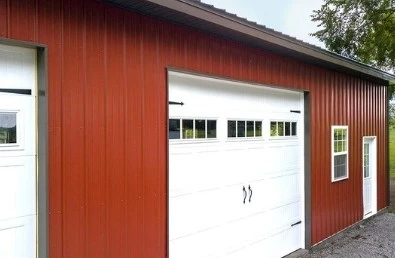
What is Vertical Standing Seam Metal Cladding?
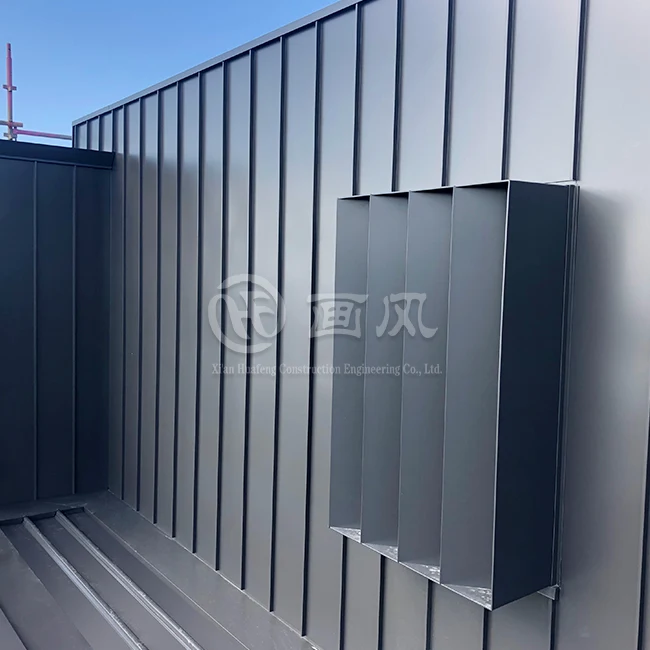
Vertical standing seam metal cladding is a high-performance enclosure. Its metal panels are joined by automatically locked ends. Vertical siding hides connection points better than horizontal lap siding or obvious fasteners. This prevents gasket failure and moisture, which plague typical setups.
Core System Components
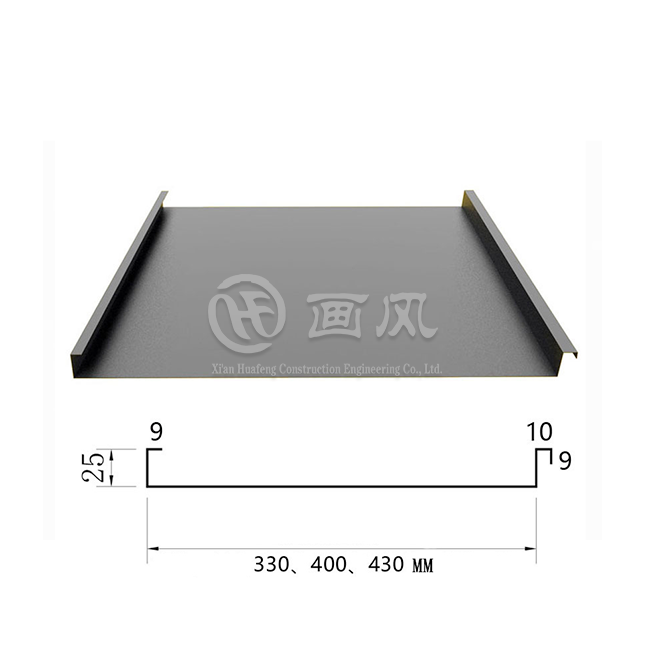
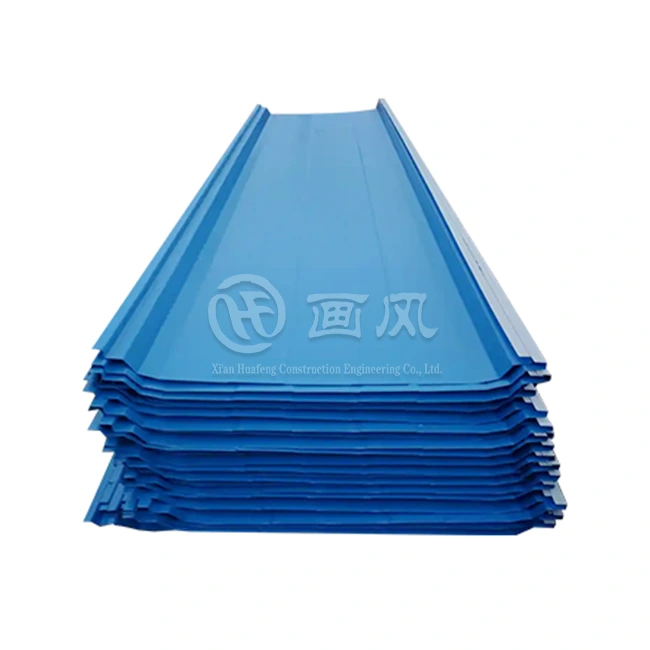
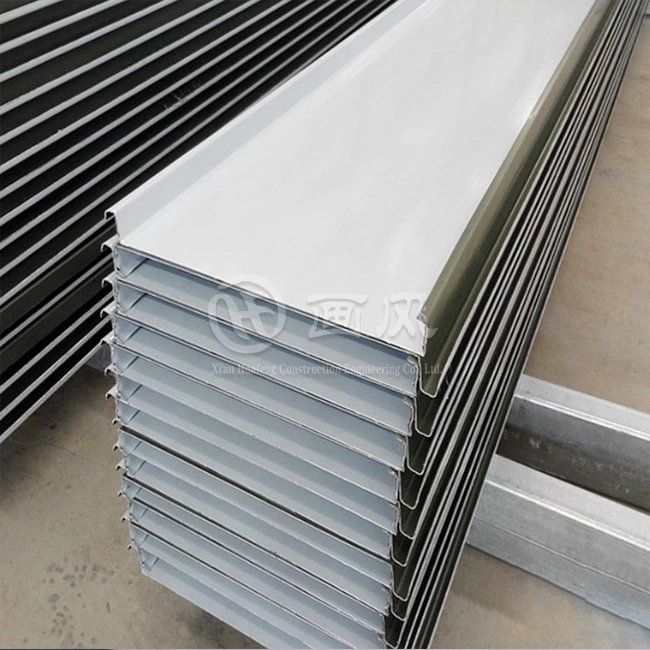
The system is usually built on aluminium alloy (AA3003, AA3004, AA5052), aluminum-zinc-coated steel (AZ150), stainless steel, or copper. Aluminium plates are 0.7mm to 1.5mm wide and steel plates are 0.4mm to 1.2mm wide. Panel sizes range from 25-330/400/430 to 65-300/400/430/500. Rib heights range from 25 to 65 mm and meet wind pressure resistance norms of over 3.0 kPa in typhoon-prone zones.
Distinctive Design Features
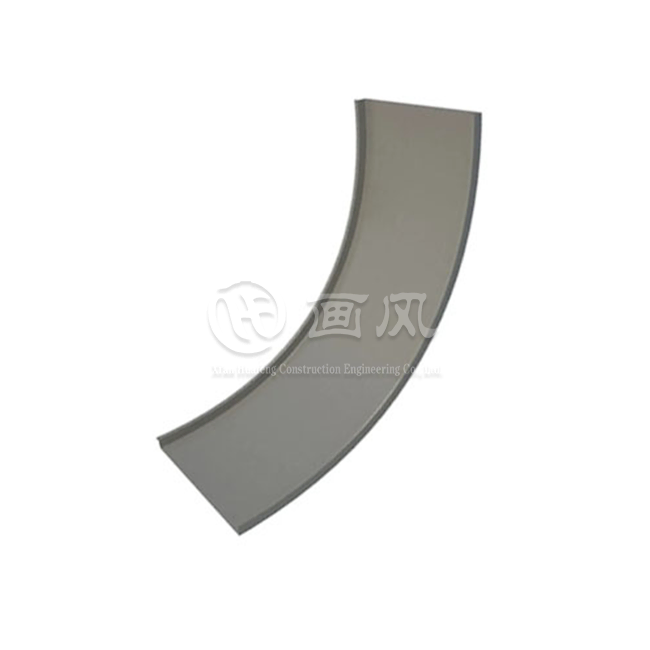
This technology can adjust to temperature variations, unlike corrugated walls or composite panels. Sliding connections allow metal panels to expand and contract with temperature without stress-induced buckling. Double-bite mechanical seams, constructed with 360° lock edges or mechanical crimping, keep water out without coatings that degrade. This concealed drainage system prevents capillary water seepage, a common cladding failure. Arcs and hyperbolic curves with twisting radiuses of at least 15 meters can be handled by the system. Single panels constructed in the mill might be longer than 12 meters, reducing the amount of seams and leak sites on-site. The modular strategy works for hybrid systems that integrate sound-absorbing materials, moisture barriers, and insulating layers.
Key Benefits of Vertical Standing Seam Metal Cladding for Buildings
To understand the strategy benefits of this vertical standing seam metal cladding, you need to look at both its short-term and long-term performance traits. We've seen how these benefits have a direct effect on the success of projects in a wide range of settings, from coastal sites to mountain architecture.
Exceptional Durability and Extended Lifespan
Compared to plastic, wood, or carbon, vertical standing seam metal cladding is sturdy. When coated with AAMA 2605-compliant PVDF, corrosion-resistant surfaces provide greater UV stability and chalk protection. T-Bend testing ensures that architectural coatings can withstand 180-degree bending at standing seams without cracking or delaminating. Aluminium or zinc substrates safeguard goods in beachside marine settings where high salt levels accelerate material deterioration. Vertical panels allow salt spray and rainwater to drain swiftly, preventing rusting. These systems last 30–50 years, depending on the substrate, according to testing. The quality of our products is guaranteed for 30 years.
Superior Weather Protection and Energy Performance
Mechanical seam locking creates a hydrostatically impermeable envelope that outperforms other approaches in certain testing standards. Performance gains are shown by wind lifting, air entry, and water penetration tests (ASTM E1592, E1680, E1646). Several factors increase thermal efficiency. insulating layers—metal panels, insulating cotton, and a waterproof, breathable membrane—can be simply added to the approach. Creating a continuous thermal shield. Smooth vertical surfaces reduce airflow roughness, increasing heat transfer. Sun-reflecting metal coatings reduce heat gain by 25% compared to darker materials. Mountaineering at high altitudes benefits from these traits. Vertical surfaces and strong seams prevent ice dams and make heavy snow fall off. The continuous weather shield keeps water out even when temperatures fluctuate.
Minimal Maintenance Requirements
Site managers who manage business portfolios benefit from lower operational costs. Since there are no visible fasteners, gaskets do not need to be changed regularly, which is expensive in horizontal systems. Remove and reinstall panels without impacting neighbouring sections. When coating touch-ups are needed, this allows customised corrections. Regular eye exams, light washing with non-abrasive treatments, and rapid coating repairs keep routine care simple. Modern surfaces are naturally rust-resistant, thus most facilities only need annual inspections instead of quarterly ones. This saves 40–60% on lifetime expenditures compared to systems that need regular resealing or part replacement.
Architectural Flexibility and Brand Expression
More and more, modern business building needs facade systems that balance how well they work with how they look. Vertical standing seam metal cladding has clean, unbroken vertical lines that give it a modern look that goes well with glass curtain walls and other building elements. Standard color schemes aren't the only things that can be customized. Different coatings, such as PE (polyester), HDP (high weather-resistant polyester), and PVDF, give different end qualities that are best for different exposure circumstances and design goals. Roll-formed panels with custom profiles can be used in stadiums, airports, and show centers where organic shapes define the architecture's identity, or panels can be manually tapered to fit curved forms. When business complexes and office buildings can choose brand-specific colors or styles, they can strengthen their visual personality through the building envelope. This kind of design freedom is especially helpful in mixed-use projects, where differentiating the facades helps create separate areas within a single complex.
Comparison: Vertical Standing Seam Metal Cladding vs Other Cladding Options
Clear performance comparisons across material groups help with purchasing choices. We compared vertical standing seam metal cladding to popular options to help people make decisions about which ones are better.
Metal Cladding vs Traditional Materials
The original costs of vinyl siding and wood paneling are lower, but they don't last as long. When exposed to UV light, vinyl becomes weak and needs to be replaced every 15 to 20 years. Wood, on the other hand, needs to be kept dry all the time to avoid rot and bug damage. These weaknesses are gone with vertical standing seam metal cladding, which also meets Class A fire standards (EN13501-1), which is important for business settings where building rules require materials that can't catch fire. Brick veneer looks nice and lasts a long time, but it adds a lot of weight to structures and needs skilled brick work, which makes the building process take longer. Installing metal panels goes three to four times faster when modular parts allow rolling on-site or prefabrication in the factory, which cuts down on trash and cutting in the field.
Standing Seam vs Corrugated Metal Profiles
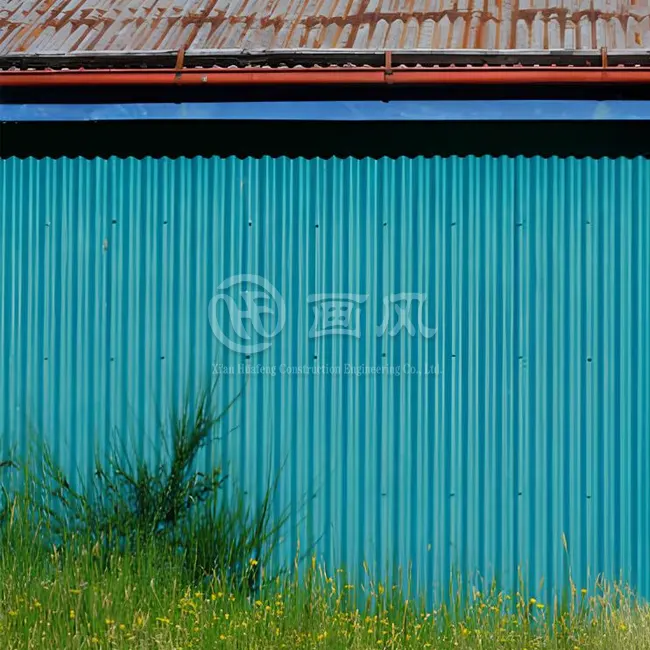
Their function is very different, even though both use metal surfaces. When you use corrugated panels, the visible screws go through the weathering surface, making thousands of possible leak places that need gasket upkeep. The wave shape also limits its use in architecture because it makes the design look more industrial than elegant. Vertical standing seam metal cladding makes structures more stiff by designing ribs at different heights instead of corrugations. This lets flat panel faces look like smooth, solid surfaces. The secret clips that hold the system together remove the risk of penetration while still allowing for thermal movement that would stress through-fastened systems.
Material Selection Within Metal Options
Aluminum is very resistant to rust and very light (about one-third the mass of steel), which makes it easier to load structures and cheaper to ship. Even if coats are scratched, its natural metal layer protects it on its own. Steel panels have better ratios of strength to width, which means they can hold bigger spans with thinner gauges. Galvalume coatings, which are made of an aluminum-zinc alloy, combine the hardness of steel with better corrosion protection, getting close to the performance of aluminum. Zinc and copper are high-quality choices that can fix themselves after being scratched. Scratches turn into patina over time, keeping the material weatherproof without the need for coating repairs. These materials work well for history projects or designs that focus on how natural materials change over time. For each substrate option, there are trade-offs between starting cost, performance over time, and aesthetics that buying teams must weigh against the needs of the project.
Installation and Maintenance Guide for Vertical Standing Seam Metal Cladding
To complete a job successfully, you need to know the installation guidelines and upkeep procedures that will get the most out of the vertical standing seam metal cladding over its lifetime.
Installation Process and Best Practices
Verification of the base is the first step in a proper fitting. To keep panels from getting oil canning, which is caused by stress, the structural frame must be level and true within L/600. It has a direct effect on how the end product looks and how well it keeps out the weather. The process of installing panels moves in a planned way. The plant applies sealer to the female leg of each panel, and then the male legs of panels next to it fit into place. Controlled binding pressure, usually between 1200 and 1500 PSI, is used by mechanical seamers to make sure that the seams are fully engaged without damaging the protective coats. This method of connecting by mechanical means makes the 360° joint that keeps water out. Hidden clips connect panels to structural purlins at regular intervals, usually 18 to 24 inches apart, based on wind load estimates. These clips have long holes that let 0.5 to 1 inch of heat movement per 40-foot panel length. When clips are installed correctly, walls can bend and stretch without breaking or putting stress points in certain places. The flexible system design makes it easy to plan building schedules that work well. Panels that are prefabricated in the factory can be sent out already cut to the right length, so there are no mistakes or waste when measuring them in the field. Once a routine is set, installation teams can finish 2000 to 3000 square feet every day, compared to 800 to 1200 square feet per day for brick veneer or plaster.
Routine Maintenance and Troubleshooting
Maintenance plans focus on keeping the coating's structure and making sure that draining paths stay clear. Once a year, inspections should be done to make sure there is no damage to the panels, that the seams are still fully engaged, and that the flashing details keep the penetrations and terminations weathertight. How often you need to clean depends on how dirty the surroundings is. Most systems only need to be cleaned every other year with soft brushes and light detergents. Industrial settings with particulate matter in the air may benefit from cleaning every three months to keep the buildup of dirt and grime that sticks to coats from happening. When coatings get scratched, they need to be cleaned up, manufacturer-approved fix coatings need to be applied, and the area needs to cure for the right amount of time. Fixing small problems right away stops moisture from getting in, which could cause the base to corrode. Having the ability to change panels is a big plus for upkeep. Individual panels can be taken off without upsetting the areas around them by unzipping them from their seam links. By slipping replacement panels into place and re-sealing them, fixes can be done in hours instead of days like it takes to patch and refinish traditional siding.
Procurement Considerations for Vertical Standing Seam Metal Cladding
When making strategic buying choices, you have to look at more than just unit price. We've found important factors that affect the success of vertical standing seam metal cladding and its total cost of ownership.
Cost Analysis and Value Assessment
Foundation, coating, and panel requirements determine material costs. Galvalume steel costs $2.50–$4.50 per square foot, while aluminium costs $3.50–$6.00. While PVDF coats cost $0.75 to $1.25 more per square foot than PE finishes, they last longer and resist weathering better, making them worth it outside. Number of orders greatly impacts price. For mid-sized developments, our 500-square-meter minimum order number provides competitive bulk costs and low entry hurdles. Based on specs and delivery deadlines, 8–12% reductions are commonly negotiated for projects above 5000 square meters. Depending on complexity and accessibility, panel installation costs $4–$7 per square foot. This is cheaper than fibre cement panels, which cost $6–10 per square foot, or brick veneer, which costs $12–18 per square foot. Faster installation reduces general conditions expenses and speeds up project completion, improving economics.
Supplier Selection Criteria
Trustworthy makers have several distinguishing features. ISO 9001 quality management and ISO 14001 environmental management certifications ensure factories meet production requirements and employ environmentally friendly methods. SGS compliance testing verifies product standards and performance. Making stuff is vital while planning a building. We can ensure a constant supply for large projects with staged orders with a 1000-ton monthly production capability. We keep 15–20-day delivery plans after order confirmation. This provides sourcing teams time to coordinate material delivery and installation staff. Carefully review warranty coverage. A 30-year warranty covers base perforation and coating decrease, which is crucial for security. Colour fading restrictions and exclusions vary by term. Check for assurances while buying a home. This matters for speculative initiatives and corporate portfolios.
Customization and Technical Support
Full customisation suppliers are suitable for specialised jobs. Design possibilities beyond catalogues include custom panel forms for bent purposes, colour matching to company requirements, and vented facade perforation patterns. Technical support distinguishes great merchants. Technical assistance with wind load calculations, thermal performance modelling, and installation details helps project teams meet tight guidelines. To aid planning and construction, we provide CAD drawings, installation guidelines, and maintenance instructions. Sellers who promise after-sales service trust the goods' quality. Quick professional help for installation issues or field user questions reduces costly delays.
Conclusion
Vertical standing seam metal cladding adds durability, weather protection, maintenance, and design flexibility. These advantages are ideal for commercial and industrial buildings. The system's mechanical interlocking construction prevents dampness and allows thermal movement. This meets basic performance benchmarks typical materials struggle with. Cladding with a 30–50-year service life, low maintenance, and inexpensive installation costs makes a good long-term investment for procurement pros. As building laws emphasise eco-friendly and energy-efficient materials, projects that use vertical standing seam metal cladding that meets ISO requirements and offers recycling options will meet current and future restrictions.
FAQ
1. How long does vertical standing seam metal cladding typically last?
Building and maintaining these systems can extend their lifespan beyond 40–50 years. Its longevity depends on the substrate and climate. PVDF-coated metal lasts longest in tough coastal conditions. Our 30-year guarantee covers substrate damage and coating loss, proving its durability over thousands of installations.
2. Can this cladding system work for both new construction and retrofit applications?
The approach works in both cases. Structure systems and insulation layers can be perfectly integrated from the start of new construction. With furring and moisture barriers, the lightweight panels can be put over existing wall systems for retrofit application. The vertical orientation is best for replacing falling horizontal flooring.
3. Are custom colors available to match corporate branding requirements?
Full customisation includes colour matching to company standards or construction palettes. The minimum order size is 500 square meters for PE, HDP, and PVDF coatings with custom colour formulae. We send you actual models for approval before production. We can be confident the produced panels fit the design specs this way. Custom finishes delay shipping by two to three weeks.
Partner with HF for Your Vertical Standing Seam Metal Cladding Needs
References
1. Metal Construction Association. "Architectural Guide to Standing Seam Metal Roof and Wall Systems." Technical Bulletin Series, 2021.
2. American Architectural Manufacturers Association. "AAMA 2605-13: Voluntary Specification, Performance Requirements and Test Procedures for Superior Performing Organic Coatings on Aluminum Extrusions and Panels." 2013.
3. ASTM International. "ASTM E1592-20: Standard Test Method for Structural Performance of Sheet Metal Roof and Siding Systems by Uniform Static Air Pressure Difference." 2020.
4. Building Enclosure Council. "Metal Wall Panel Systems: Design, Installation, and Performance Considerations for Commercial Construction." Industry White Paper, 2022.
5. National Institute of Building Sciences. "Whole Building Design Guide: Metal Wall Panel Systems." Updated 2023.
6. Green Building Council. "Metal Roofing and Cladding: Contributions to LEED Certification and Sustainable Building Performance." Sustainability Report, 2022.





YOU MAY LIKE