How Metal Standing Seam Roofs Improve Energy Efficiency in Homes
2026-05-28 11:00:00
By reflecting solar rays, lowering heat absorption, and keeping their best thermal performance throughout their lives, Metal Standing Seam Roofing systems significantly reduce energy consumption. Traditional asphalt shingles soak up heat and send it into the building. These new roofing options, on the other hand, have high-rib patterns and interlocking seams that make natural airflow pathways and better insulation integration. Their reflective coatings and natural qualities make them less demanding on HVAC systems, which means that monthly energy costs go down in a measured way. Because these systems are thermally efficient, long-lasting, and environmentally friendly, they are a smart investment for both business and home use.
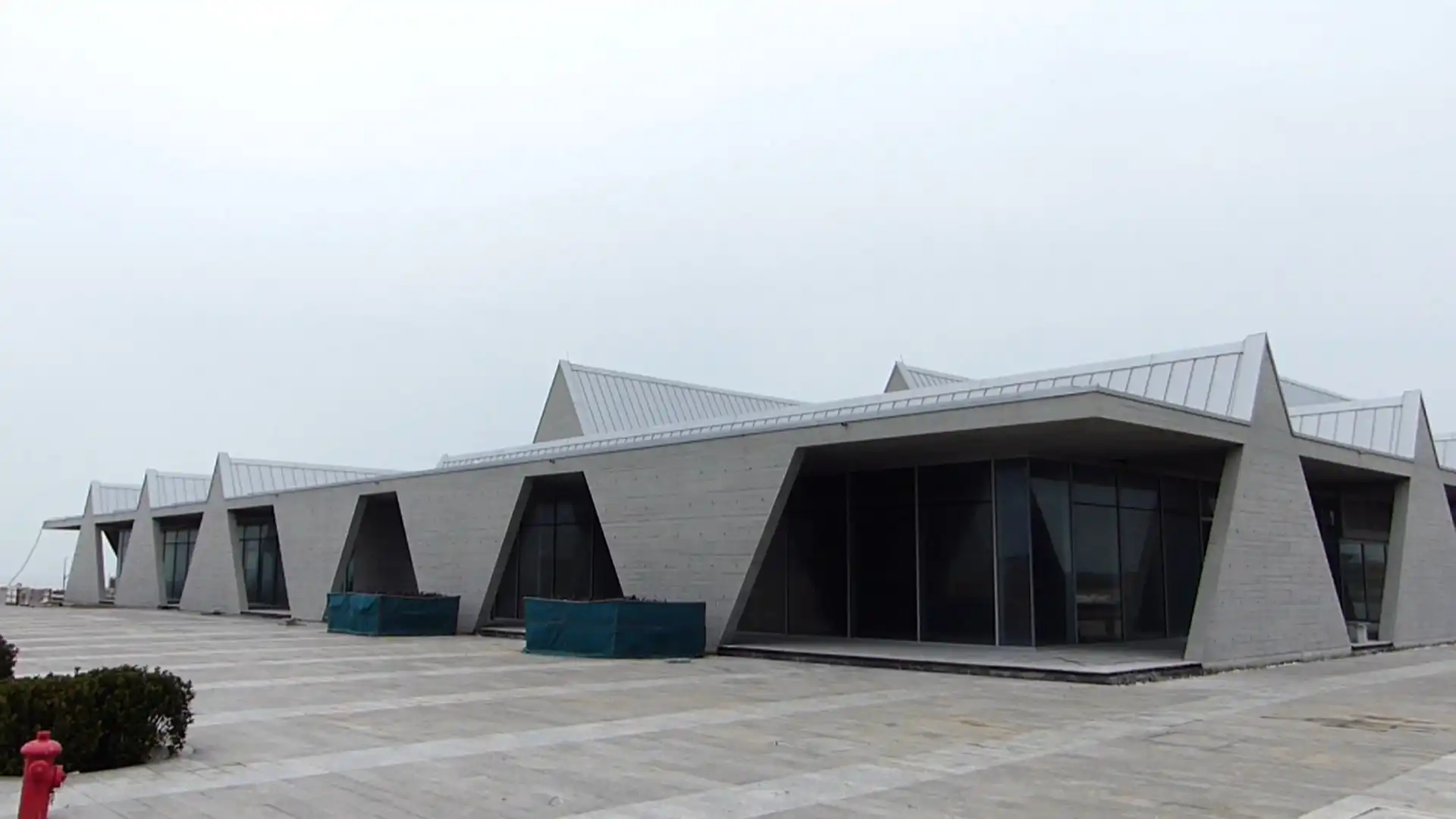
Understanding Metal Standing Seam Roofing and Its Energy Efficiency
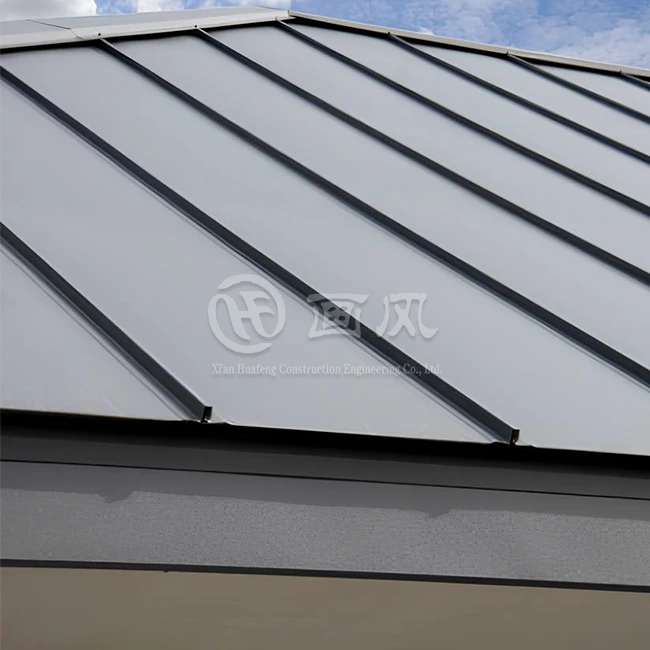
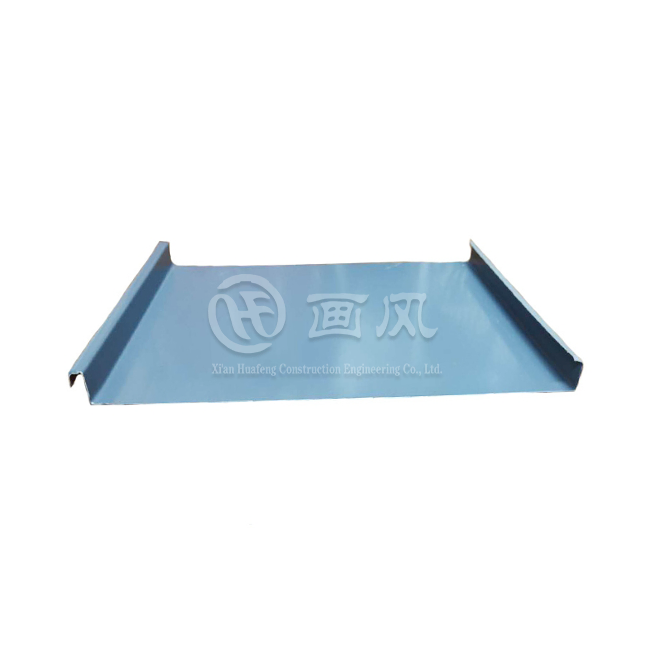
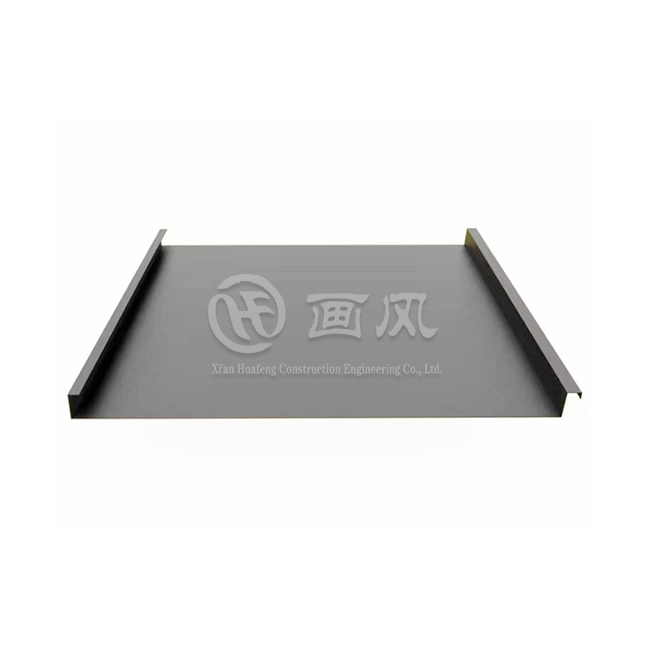
Metal Standing Seam Roofing systems represent a clever change from the way most roofs are made. The system uses raised seams (usually 65 mm high) that connect automatically without any visible fasteners. This makes a waterproof shield that gets rid of the common thermal bridging points that come with screw-down systems. This way of thinking about design goes beyond weatherproofing and includes material science and building engineering that look at heat performance.
How Reflectivity Reduces Heat Gain
Solar reflection is the first thing that makes the energy economy better. Good standing seam panels with PVDF coats have reflection values above 0.65, which means they block almost two-thirds of the sun's rays. When compared to dark asphalt shingles, which can get as hot as 180°F in the summer, this feature makes the roof surface much cooler. The roofing system keeps the surface cooler, which stops heat from moving through the building shell. This makes air conditioning systems less busy during the hottest months of the year.
Emissivity and Thermal Re-Radiation
In addition to reflecting light, metal roofs are very good at emissivity, which means they can send heat back into the air after absorbing it. With special coats, aluminum and steel panels have emissivity values between 0.75 and 0.85, which lets them cool down quickly after dark. This thermal behaviour is very different from standard materials, which keep heat in well into the evening, making HVAC systems run for longer periods of time. Because they are both highly reflective and emissive, Metal Standing Seam Roofing systems are really cool roof options that are recognised by energy saving programs across the country.
Minimizing Heat Transfer Through Design
The raised seam design makes natural air channels under the roofing panels. This lets heat escape before it gets to the insulation layers through passive ventilation. When placed correctly over the right underlayment and insulation materials, these systems get R-values that meet or go beyond what the building code says is needed in all temperature zones. The hidden clip connection method gets rid of 80% of the thermal bridging points that can happen with visible fastener systems. This makes sure that the insulation works the same way throughout the whole roof assembly.
Key Features of Metal Standing Seam Roofs That Enhance Energy Efficiency
Energy performance changes a lot depending on the material used and how the system is set up. When sourcing professionals know about these factors, they can exactly match roofing solutions to project needs and weather conditions.
Material Options and Thermal Properties
Metals benefit differently depending on the scenario. Galvalume steel with an AZ150 coating is corrosion-resistant and cheap at most temperatures. Structures are stable over extended distances with thicknesses from 0.6 to 1.0 mm. For coastal constructions, aluminium panels, which weigh a third of steel panels, are lighter and better at repelling salt spray. The 3003 or 3004 metal series' 0.9–1.2 mm thickness range offers the optimum performance-to-weight. Copper and zinc are more costly, but they endure 100 years or more and create patinas without maintenance. Its thermal efficiency lasts throughout its service life.
Advanced Coating Technologies
Surface treatments affect energy efficiency and durability. PVDF coatings with 70% fluororesin repel UV rays and retain colour and brightness for 20 years. When applied at 25–30 microns, these coatings prevent chalking and fading, which reduce heat performance. Polyester coatings are cheaper than fluoropolymer systems for mild climate application but last less. When deciding between PE, HDP, and PVDF finishes, consider the project's lifespan and environmental exposure.
Integrated Insulation Strategies
Maximum energy efficiency requires coordinated insulating design. Different insulation may be utilised with Metal Standing Seam Roofing. Continuous hard board insulation over roof decks, spray foam air leak prevention, and fibreglass batts between building supports are examples. Thermal gaps, where air may pass between insulating layers, must be eliminated. Air leakage are fewer than 0.1 cubic metres per square metre per hour with properly installed systems. Keeping conditioned air from leaving consumes energy. By creating weathertight coverings that keep water out, mechanical seaming improves performance. These design elements operate together. A galvalume panel with PVDF coating over continuous rigid insulation saves more energy than single-feature systems when installed with the correct clip spacing and ventilation design. Instead of buying pieces, consider the full system for the greatest ROI.
Installation Best Practices to Maximize Energy Efficiency
When put wrong, even the best products don't work as well as they should. To get the most energy-saving benefits from Metal Standing Seam Roofing systems, you need to pay close attention to important fitting details that affect how well it keeps heat in over time.
Substrate Preparation and Deck Alignment
The first step in installation is to check the conditions of the base. To keep panels from warping and oil canning, which can hurt thermal performance, the alignment of the roof deck must stay within a range of ± inch change over twenty-foot lengths. Uneven surfaces create stress points where thermal expansion can't happen evenly, which could cause fasteners to pull out or seams to come apart over time. Architectural metal roofing systems need solid decking that provides constant support, while structural metal roofing systems need purlins that are spread correctly and can support the design loads.
Clip Placement and Thermal Movement Accommodation
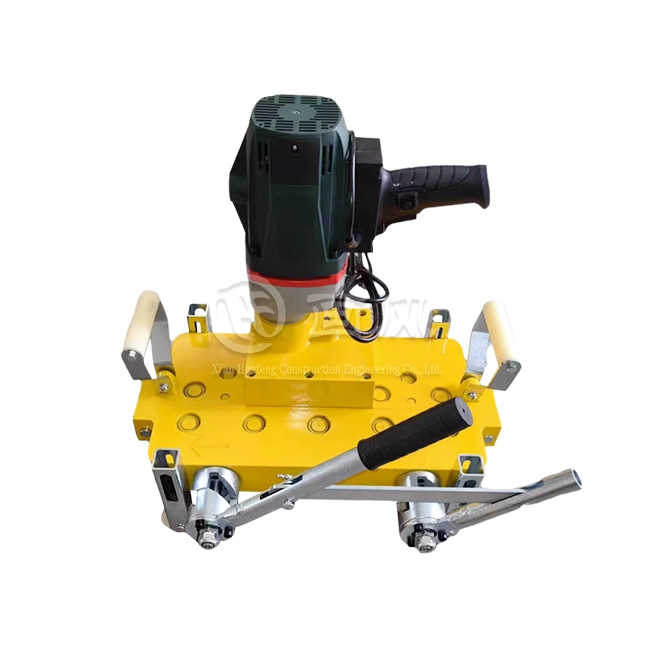
A key energy-saving feature is the two-piece sliding clip mechanism. Installing clips requires centring them in their sliding range, which allows two to three inches of horizontal movement for temperature variations. Seasonally, large commercial building panels might spread a few inches. Overtightened clip rivets collapse, creating air holes and thermal bridges. Experienced installers know that clips should be tight but not torqued beyond manufacturer recommendations. The system may move while remaining weathertight.
Mechanical Seaming Precision
Seaming requires certain equipment and abilities. To construct double-lock seams, use preset tools to fold male and female panel legs twice into 180-degree crimps. Air may sneak in and around insulation when gaps aren't formed properly, affecting waterproofing and thermal efficiency. Quality control checks crimp angles using stage-specific instruments and ensures factory-applied glue remains in place during folding during seaming.
Ventilation Integration
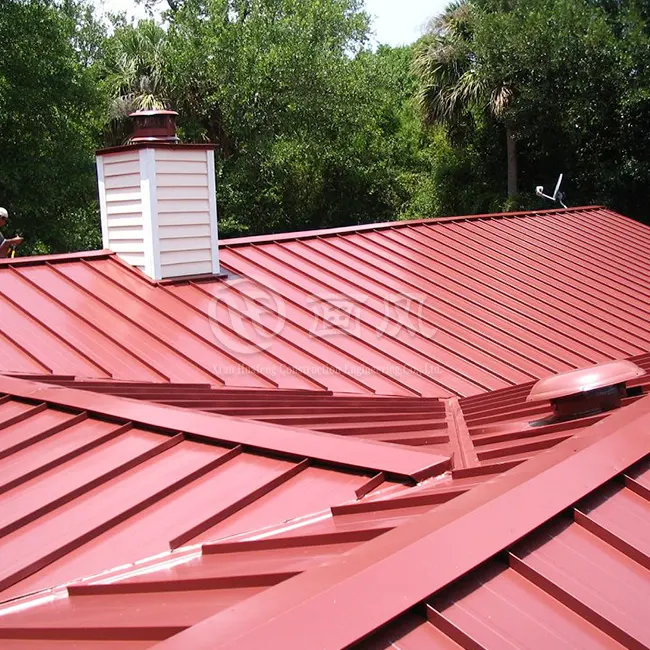
The appropriate ventilation prevents attic and roof heat buildup. Ridge vents, soffit apertures, and elevated seams provide natural air routes that remove heat before air goes downhill. This ventilation approach is ideal for cooling regions since lower roof temperatures reduce air conditioning expenditures. The ventilation design should be based on the building's form, temperature, and insulation needs to ensure adequate air moves without creating negative pressure that might make the structure less weathertight. These installations need metal roofing system experts. Procurement specifications should require contractors to hold maker training licenses and demonstrate equivalent project experience. Good or exceptional installation affects the roof's energy efficiency during its 30-year lifespan.
Maintenance and Longevity: Sustaining Energy Efficiency Over Time
Maintaining the roof system's basic performance traits over its working lifetime is important for long-term energy efficiency. Metal Standing Seam Roofing systems are known for being low upkeep, but they do need to be checked on every so often to make sure they keep working at their best.
Inspection Protocols and Coating Preservation
Once a year, the covering should be checked for damage like cuts, abrasions, or degradation that could make it less reflective. Although PVDF coatings are very durable, damage can happen in certain places when they are hit by debris or when people walk on them during upkeep. Finding problems early lets you fix them on the spot before they get worse. Inspections also make sure that seams are still intact by checking that mechanical crimps are still fully engaged and that heat movement hasn't put too much stress on fixing points.
Cleaning for Reflectivity Maintenance
Dirt, plant growth, and industry waste all slow down sun reflectance over time, which undoes progress made in saving energy. Cleaning it every so often with low-pressure water and light cleansers brings back reflectivity levels that are close to what they were originally. This care is especially helpful in places with a lot of pollen or machinery, where surface pollution happens more quickly. Studies show that cleaning surfaces and restoring their reflection can make them 15 to 20 percent better at keeping heat in than heavily dirty surfaces. This directly leads to measurable energy saves.
Longevity and Total Cost of Ownership
Most Metal Standing Seam Roofing systems last longer than 40 years, and the best materials, like copper and zinc, can last a hundred years or more. When you compare this to asphalt shingles, which need to be replaced every 15 to 20 years, the total cost of ownership figures are completely changed. In terms of making purchasing choices, the longer lifespan and consistent energy saves make a strong financial case. The roof's thermal efficiency stays the same over its lifetime, unlike biological materials that break down over time. This means that energy saves add up over many years. This durability also helps reach environmental goals by reducing the need for multiple replacement rounds and the trash that comes with them.
Procurement Insights: Costs, Suppliers, and Brand Considerations
Making strategic purchases means weighing the initial cost against the long-term benefit, all while making sure the quality of the products and the dependability of the suppliers. When it comes to Metal Standing Seam Roofing systems, all of these factors need to be carefully thought through.
Understanding Cost Structures
Metal Standing Seam Roofing systems usually cost three to four times more to install at first than regular asphalt shingles. This extra charge is because of the higher cost of materials and the fact that installation takes five to ten days for jobs that shingle roofs could do in one day. The work part comes from tasks like precise seaming, clip installation, and panel handling that need specific skills. The price of materials varies a lot depending on the metal chosen. Galvalume steel is the cheapest option, aluminum has modest rates, and copper or zinc are the most expensive options.
Evaluating Long-Term Value
When the cost is spread out over the life of the roof, the math changes. Every month, the less the HVAC system works, the more energy it saves, and the less it needs to be replaced, the less it costs in future capital purchases. A $30,000 standing seam roof that replaces a $10,000 shingle roof pays for itself in 15 years just through energy savings, and it keeps giving value for at least 25 years after that. Maintenance costs are still low compared to other types of roofs, and good makers offer 30-year guarantees that protect against performance loss.
Supplier Selection Criteria
Procurement professionals should prioritise vendors who can create, deliver, and have quality standards. This vendor demonstrates Xi'an Huafeng Construction Engineering Co., Ltd.'s project-winning skills. Huafeng can produce 1,000 tonnes per month to keep large projects on time with a 200,000-square-meter raw material manufacturing facility and processing facilities with seven colour finishing lines and 10 horizontal shearing lines. Their quality control systems meet international standards since they follow SGS rules and have ISO9001 and ISO14000:14001 certifications.
Customization and Lead Times
Changing panel specifications, colours, and patterns enables architects to make their buildings stand out while saving energy. When suppliers provide design customisation, purchasing teams may fulfil aesthetic criteria without losing energy efficiency. Having firm 15- to 20-day delivery windows from order to shipping helps organise a construction project precisely. The 500-square-meter minimum order quantity gives you alternatives without unrealistic volume demands for corporate and large residential usage. Features include 65-300/400/430/500 panel forms for various design applications. PE, HDP, and PVDF coatings enable you identify the greatest performance-to-price ratio for any project.
Conclusion
By using shiny coats, better insulation integration, and design features that reduce thermal bridging, Metal Standing Seam Roofing systems make a real difference in how much energy they use. When you combine material science, precise engineering, and installation know-how, you can make roofing systems that lower HVAC loads, lower running costs, and make a real difference in meeting sustainability goals. Lifecycle value analysis shows that even though the initial costs are higher than other options, the long-term saves on energy costs, low upkeep needs, and high durability make the investment well worth it. When purchasing roofing solutions for businesses, factories, or housing developments, those in charge of buying things should think about these long-term benefits along with the initial costs. They should keep in mind that energy-efficient roofing is an investment in infrastructure rather than a simple overhead cost.
FAQ
1. Can standing seam metal roofing be installed on low-slope applications?
Metal Standing Seam Roofing systems can handle slopes as little as 1/4 inch per foot (1:48 ratio), but structural panels work better at low pitches than artistic variations. The mechanical seaming and secret fastener design keep water out, which would happen in systems that only used gravity draining. As the slope goes down, it becomes more important to choose the right flooring and apply the seam sealant correctly. This will keep the floor dry even when it rains hard or there is ice damming.
2. How do metal roofs perform in extreme temperature climates?
Metal Standing Seam Roofing systems work great in all kinds of weather, from very cold to very hot. The materials don't lose their quality when heated and cooled many times. Aluminum stays useful up to 150°C and steel up to 260°C. Adjusting for thermal expansion with moving clips keeps stress damage from happening when temperatures change. In hot climates, shiny coats lower surface temperatures by 50°F or more compared to dark shingles. In cold climates, snow-shedding properties help keep structures from getting loaded with ice dams.
3. What maintenance does a metal standing seam roof require?
Throughout the lifetime of Metal Standing Seam Roofing systems, they will only need minor repairs. Regular cleaning and checks once a year make sure that the coating is still in good shape and that the seams are properly engaged. Asphalt roofs need to be treated for moss, valleys need to be fixed, and eventually they need to be replaced. Metal systems, on the other hand, stay structurally sound and weatherproof with only rare maintenance. The 30-year guarantees that come with good installations are based on real reliability, not marketing hype.
Partner With HF for Energy-Efficient Metal Standing Seam Roofing Systems
Xi'an Huafeng Construction Engineering Co., Ltd. is a well-known company that makes Metal Standing Seam Roofing systems for business developers, roofing builders, and construction companies all over North America. With a monthly production capacity of 1,000 tons and shipping times of 15 to 20 days, we can make sure that your projects stay on plan without any problems. We offer full customisation services that include colour, pattern, and design requirements. This lets architects realize their idea while still providing excellent thermal performance. Our standing seam metal roofing comes with 30-year warranties and is backed by ISO9001, ISO14000:14001, and SGS standards that show the quality of our production. Our research team can help you find the best energy-saving materials for your temperature zone and purpose, whether you choose galvalume, aluminum, or premium metals with PVDF coatings. Get in touch with our experts at huafeng@hfmetalroof.com to talk about your next project and find out how our high-performance roofing solutions can save you money on energy costs and last longer than any other roof.
References
1. Metal Construction Association, "Guidelines for Proper Installation of Metal Roofing Systems: Technical Manual for Standing Seam Applications," 2021.
2. Department of Energy, "Cool Roof Rating Council Standards: Solar Reflectance and Thermal Emittance Values for Metal Roofing Materials," 2020.
3. American Society for Testing and Materials, "ASTM E1592-18: Standard Test Method for Structural Performance of Sheet Metal Roof and Siding Systems by Uniform Static Air Pressure Difference," 2018.
4. National Roofing Contractors Association, "Metal Panel Roofing Systems Design Manual: Energy Efficiency and Thermal Performance," 2022.
5. Building Science Corporation, "Thermal Bridging in Metal Roof Assemblies: Impact on Energy Performance and Moisture Control," 2019.
6. Green Building Council, "LEED Credit Optimization: Cool Roof Technologies and Energy Modeling for Metal Standing Seam Systems," 2021.





YOU MAY LIKE
(1)_1763110678300.webp "standing seam metal roof panels")