The Future of Roofing: Mechanical Lock Metal Roofing Explained
2026-05-27 17:27:41
The roofing business is at a turning point where new ideas meet real-world needs. Mechanical lock metal roofing is a huge step forward in standing seam systems. Its physically bent vertical panels make seals that are watertight against water pressure. Traditional roofing materials don't hold up well in bad weather, but this technology combines advanced interlocking mechanisms with hidden fastening systems to give business and industrial buildings the best sturdiness possible. When building workers are thinking about long-term investments in roofs, they need to know about mechanical lock systems in order to choose options that can withstand harsh climates and keep lifecycle costs as low as possible.
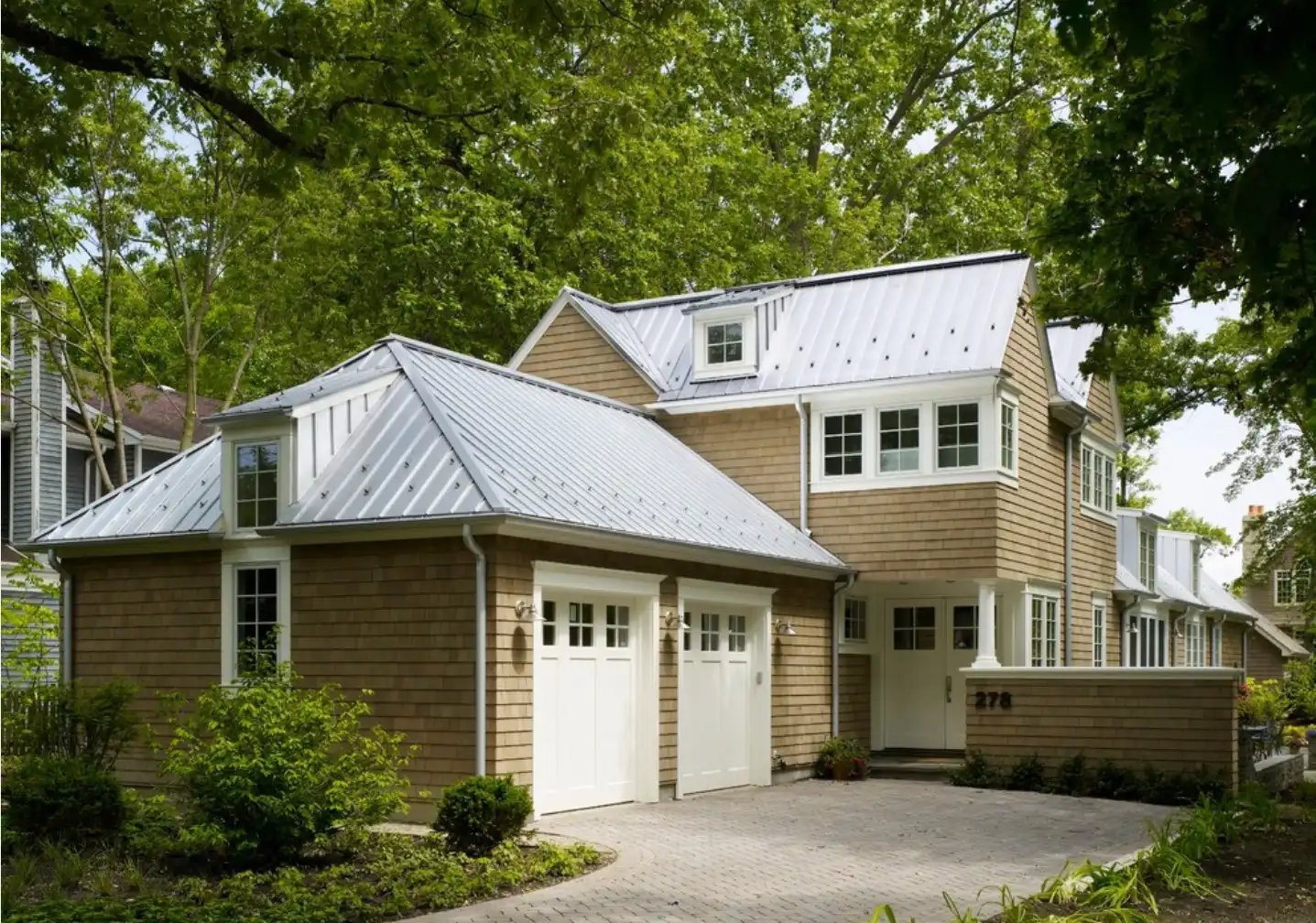
Understanding Mechanical Lock Metal Roofing
What Defines This Roofing System
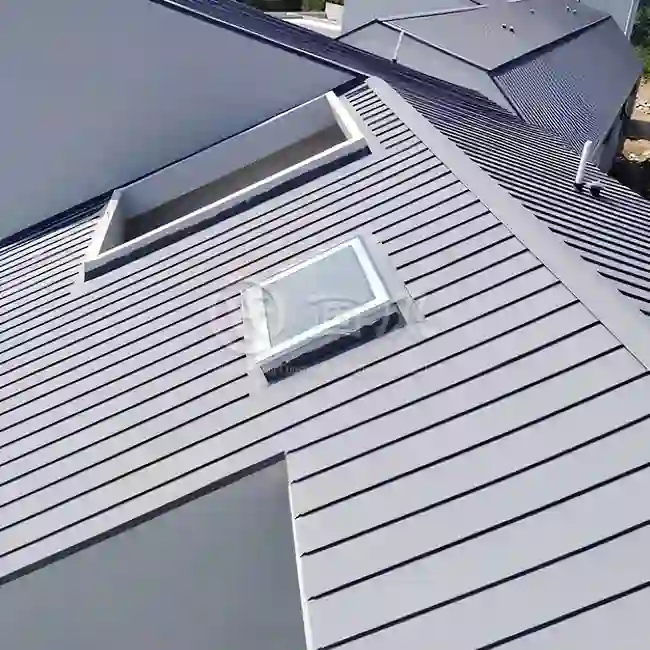
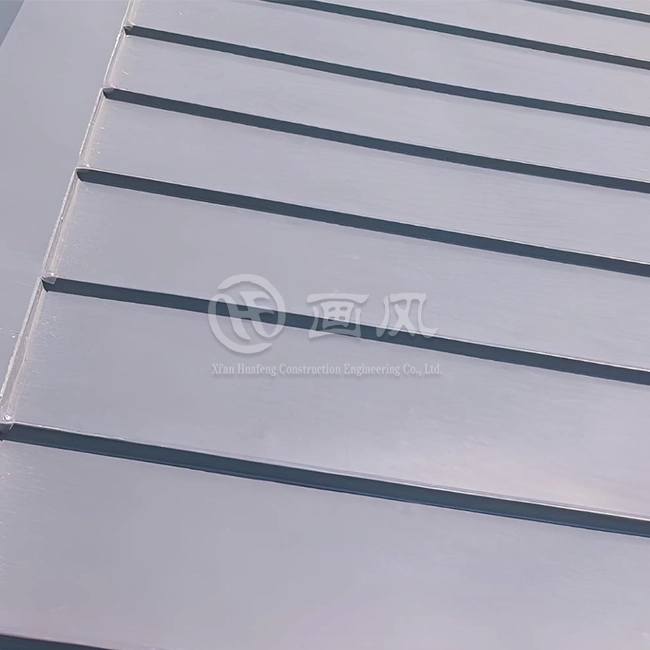
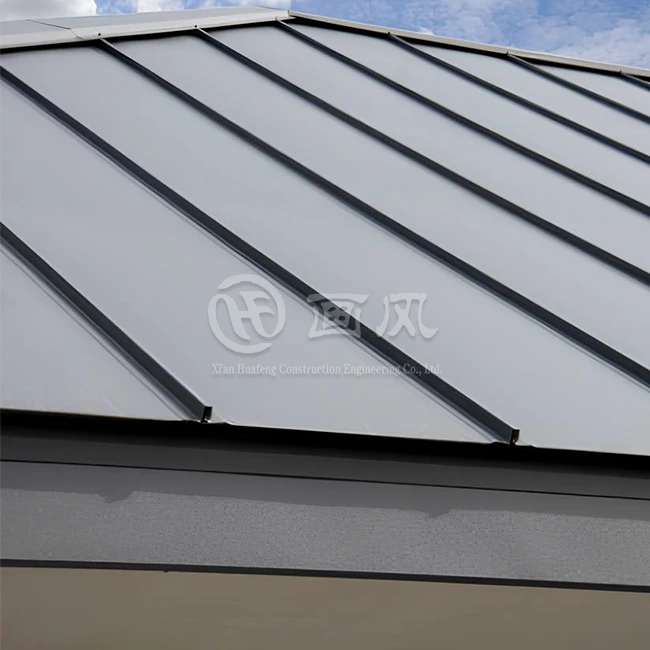
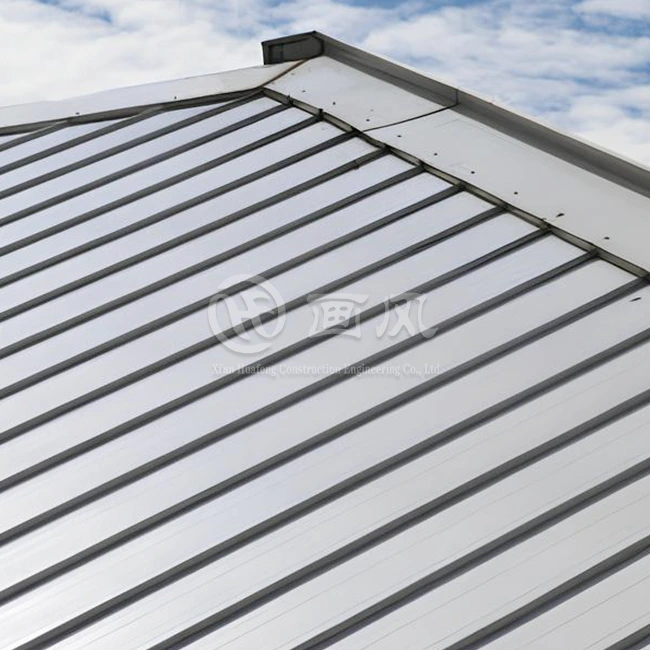
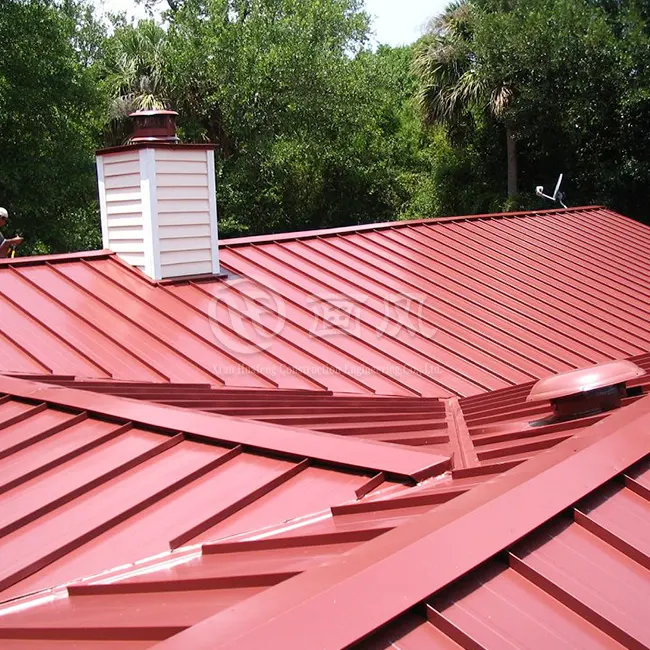
Mechanical lock metal roofing systems use specialized tools to fold and crimp adjacent panel legs together, creating either single-lock or double-lock seams. Double-lock seams contain a complete 180-degree fold with factory-applied sealant for improved weather protection. Unlike friction-based systems, the mechanical connection forms strong seams that resist separation under severe stress. Raised vertical ribs improve water drainage and support thermal expansion through floating clip systems. Hidden clips secure panels to the structure while allowing movement during temperature changes, preventing fastener fatigue and panel buckling problems.
Core Performance Characteristics
Material composition significantly influences the performance of mechanical lock metal roofing systems. Galvalume steel with a 50 ksi yield strength provides excellent structural durability, while thickness options between 0.5 mm and 1.0 mm balance weight and load requirements. PVDF coatings offer superior ultraviolet resistance and long-term color retention compared with standard polyester finishes. Panel widths from 300 mm to 500 mm accommodate different architectural styles, while custom lengths up to 13 meters reduce seam numbers. Wind uplift resistance exceeding 90 mph supports applications in hurricane-prone coastal environments.
Standards and Compliance Framework
Commercial construction projects require strict compliance with industry standards and testing procedures. ASTM E1592 testing verifies structural performance under constant air pressure conditions similar to wind uplift forces. ASTM E1646 testing confirms resistance to water penetration during severe rain exposure, while ASTM E108 Class A certifications satisfy fire resistance requirements. Manufacturers using ISO 9001 quality management systems demonstrate consistent production standards and process control. Compliance with DIN, JIS, and GB/T standards further reflects global manufacturing capability and reduces risks related to inconsistent materials or dimensional inaccuracies.
Mechanical Lock Metal Roofing vs. Other Roofing Solutions
Comparison With Snap-Lock Systems
The main difference between mechanical lock and snap-lock standing seam systems is the method of seam connection and weather performance. Snap-lock panels use friction-fit joints that simplify installation on roofs with slopes above 3:12, but they provide lower wind uplift resistance and limited suitability for low-slope structures. Mechanical lock metal roofing requires specialized seaming tools and trained installers, increasing installation time. However, mechanically seamed connections resist separation during hurricanes and severe storms, preventing leaks that commonly occur in friction-dependent roofing systems under extreme environmental stress conditions.
Performance Against Traditional Materials
Mechanical lock metal roofing systems provide major performance advantages compared with traditional roofing materials such as asphalt shingles and tile roofs. Asphalt roofing generally requires replacement every fifteen to twenty years, while standing seam metal systems can last over thirty years with minimal maintenance. Tile roofs offer attractive appearances but require stronger structural support because of their heavy weight. Lightweight metal panels can often be installed over existing roofing systems without additional reinforcement, reducing project costs while improving waterproofing performance, energy efficiency, and long-term building reliability significantly.
Evaluating Lifecycle Economics
Long-term durability directly affects the economic value of mechanical lock metal roofing systems. These roofs can withstand thousands of thermal expansion and contraction cycles while maintaining waterproof integrity and structural stability. Maintenance requirements remain low, usually involving annual inspections for debris accumulation and fastener conditions. Reflective surfaces improve energy efficiency by reducing cooling demands in warm climates, supporting LEED certification goals and lowering operating expenses. Warehouses and distribution centers especially benefit because reduced temperature control costs significantly improve long-term financial performance and operational efficiency over decades.
Installation and Maintenance — What Procurement Managers Should Know
Professional Installation Requirements
Successful installation begins with accurate substrate preparation and careful layout planning. Hidden fastening systems require precise clip spacing to allow thermal movement while maintaining adequate uplift resistance. Installers must calibrate seaming equipment according to manufacturer instructions because insufficient crimping or excessive pressure can damage protective coatings. Factory-applied butyl sealants inside panel seams must remain properly positioned during installation. Quality control procedures should verify seam engagement through visual inspection and mechanical testing. Weather conditions between 0°C and 40°C provide optimal installation performance and sealant consistency.
Routine Maintenance Protocols
Routine maintenance programs help preserve the long-term performance of mechanical lock metal roofing systems. Annual seam inspections should document coating conditions, identify wear patterns, and confirm fastener stability. Removing debris from roof valleys and drainage areas prevents standing water that accelerates corrosion and coating deterioration. Coastal environments require additional maintenance because salt deposits increase corrosion risks. Regular washing removes harmful contaminants from panel surfaces, while inspections of hidden fasteners allow early repairs before structural weakening occurs. Maintenance records also support warranty claims and demonstrate responsible asset management practices.
Warranty Considerations
Comprehensive warranties reflect manufacturer confidence in the durability and performance of mechanical lock metal roofing systems. Standard warranties commonly cover material defects and coating consistency for periods up to thirty years. Procurement teams must carefully review warranty conditions because coverage often requires approved contractors, scheduled maintenance, and proper documentation. Manufacturers with multiple production facilities and large equipment inventories provide stronger long-term warranty security and operational reliability. Production capacities exceeding 1000 tons monthly also demonstrate financial stability and the ability to support warranty commitments over extended service periods.
Procuring Mechanical Lock Metal Roofing — Making the Right Choice
Supplier Evaluation Criteria
When looking for trusted providers, you need to look at more than just price quotes. Manufacturing infrastructure shows how consistent production is; factories with seven or more production lines and a wide range of equipment can handle complicated specs and large orders quickly. Lead times and shipping prices are affected by where factories are located, especially for projects that need to be delivered quickly. Certification files show how committed you are to quality and how skilled you are in technology. Green building projects are requiring more and more responsible manufacturing practices, which is what ISO 14001 environmental management certification means. Accreditations for testing labs make sure that claims about success are based on real data, not just marketing promises. The ability to provide technical help is what sets exceptional providers apart from average ones. Having access to engineering staff who can help with system design, spec writing, and installation problems solvers is very helpful throughout the lifecycle of a project. When questions come up during building, responsive customer service answers them quickly and keeps the project on schedule.
Customization and Specification Options
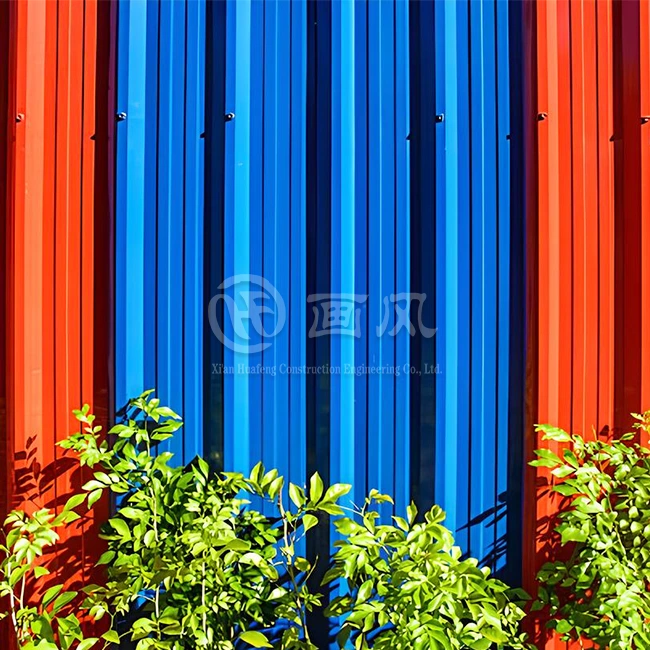
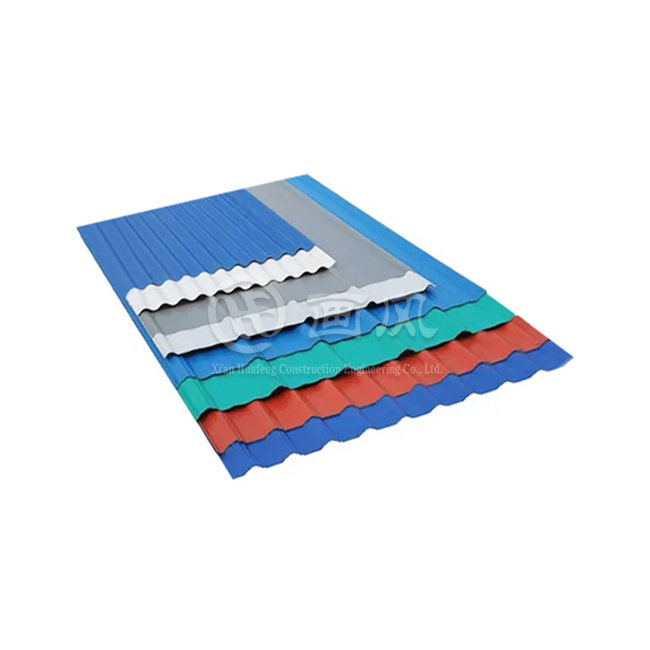
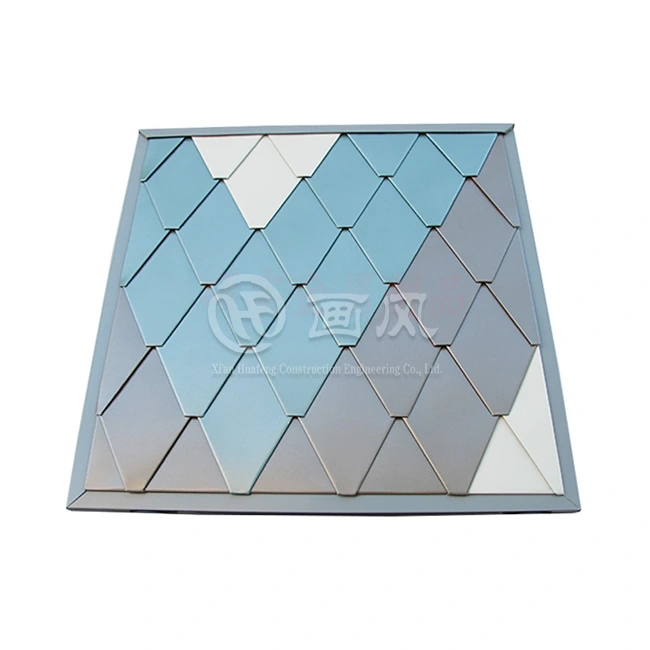
Standard products don't always perfectly match up with design goals. For unique projects that need specific rib heights, panel sizes, or color matching, the ability to customize becomes important. Suppliers who offer both RAL color systems and custom formulas give designers more options, which makes it easier to coordinate designs and keep the look of all building faces consistent. In addition to steel, you can choose from aluminum, stainless steel, copper, and titanium-zinc metals for certain uses. Each material has its own benefits. For example, aluminum is lightweight and good for retrofits that don't affect the structure, and copper develops beautiful patinas that are valued in heritage repairs. When you know about these choices, you can make specification decisions that are in line with the project's goals and funds. Specifications range from 25 to 330, 32 to 300, and 38 to 330 layouts to meet the needs of different structure loads and aesthetic tastes. Lower rib shapes work well for mild slopes because they balance drainage efficiency with a subtle visual character. Higher curves make structures stronger for wide-span uses and make shadow lines that draw attention to the shape of the building.
Budget Planning and Cost Management
Complete project budgets include the prices of materials, workers for installation, extra parts, and money set aside in case something goes wrong. The price of standing seam metal roofing material is usually based on how thick it is, what coating you choose, and how much you order. Minimum order sizes of about 500 square meters affect how procurement strategies are used. To get the best prices, multiple stages can be merged or contractors can work together. Delivery times of 15 to 20 days need to be planned ahead of time to work with building plans. Rush orders cost more, which changes the economics of the project and makes it important to make reasonable schedules. Transportation costs change a lot depending on where the project is located and how much material is needed. Including these costs when comparing total costs keeps budget shocks at bay. It depends on how complicated the roof is, how easy it is to get to, and how much work costs in your area. When compared to simple uses, complex shapes with many penetrations take more time to work on. Early on in the planning process, getting thorough installation quotes from experienced contractors helps you make an accurate budget and avoids problems with change orders during building.
Future Trends and Innovations in Mechanical Lock Metal Roofing
Emerging Material Technologies
New discoveries in material science keep making metal roofs work better. Researchers are working on new coatings that are better at repelling dirt and keeping their good looks while requiring less cleaning. Self-healing covering technologies are starting to be used in commercial products. They automatically fix small scratches, making finishes last longer than current standards. The main goal of substrate development is to improve alloys so that they have the best strength-to-weight ratios. Next-generation steel formulations offer better yield strengths at thinner layers, which will lower the cost of materials and shipping while keeping the performance of structures the same. These new ideas are especially useful for retrofitting, since every pound of weight loss makes the project scope bigger.
Integration With Energy Systems
As building rules require more and more green energy production, solar integration presents a huge growth opportunity. Standing seam shapes can hold solar mounting systems without making holes in the roof, which would make it less waterproof. Compared to retrofitted panels, manufacturers who are making combined solar-metal roofing products make installation easier and the finished product looks better. Cool roofing technologies are still improving and are now more than just shiny coverings. New materials have phase-change qualities that let them soak up heat during high temperatures and slowly let it go again, making HVAC systems less stressed. These high-tech options are appealing to building managers who want to prioritize both operational efficiency and environmental sustainability.
Market Growth Patterns
Metal roofing is becoming more popular in more and more market groups because of trends in commercial building. Cold storage sites like metal roofs because it works with high-insulation needs and doesn't have condensation problems like other systems do. More and more data centers choose metal roofs because it doesn't catch fire and lasts a long time, protecting important infrastructure investments. The way regional markets work is affected by weather trends and changes in building codes. Coastal places that are prone to hurricanes are seeing faster adoption rates as insurers realize better performance measures. People who live in snow-belt areas like how smooth metal surfaces clean themselves, which keeps dangerous ice dams from forming that put people in buildings at risk.
Strategic Recommendations
Distributors and procurement managers should keep an eye on changes to regulations that could affect the performance standards for the building shell. As energy rules get stricter, they support high-performance roofing options that help meet efficiency goals for the whole building. By building product lines around these needs, you can meet rising market demand and stand out from competitors who only sell basic goods. Building ties with makers that show they are committed to innovation gives you an edge over your competitors. When suppliers put money into research sites and keep their patent portfolios up to date, it shows that they are scientific leaders, which leads to better goods. Early access to advanced solutions helps projects stand out and opens up possibilities for higher prices in more sophisticated market groups.
Conclusion
Mechanical lock metal roofing systems have been shown to work better than other options, and their long-lasting, eco-friendly, and cost-effective nature make them great for modern building. Physically crimped seams are the result of complex engineering that protects against weather better than other methods while still allowing for heat movement that ensures long-term stability. As building rules get stricter on performance and owners look at the total cost of ownership more, these standing seam solutions not only become competitive, but they also become the best choices for industrial and business uses. When procurement pros know the technical differences, choose the right tools, and work with skilled suppliers, their projects are set up to run smoothly for decades to come.
FAQ
1. What distinguishes mechanical lock from snap-lock metal roofing?
The main change is how the panels are connected. For mechanical lock systems to work, special seaming tools are needed to physically crimp the legs of two panels together, making a link that will last. Snap-lock designs use friction-fit contact, which makes installation easier but less resistant to wind uplift. Snap-lock methods don't work well in low-slope areas or places with a lot of wind, but mechanical seaming does.
2. What lifespan can be expected from commercial installations?
When systems are put correctly and come with full warranties, they work for 30 years with regular upkeep. The choice of material affects how long something lasts. PVDF coatings keep their look and security longer than polyester options. Because of things in the environment, like salty ocean air or pollution from factories, repair procedures may need to be changed to make the product last as long as possible.
3. How do these systems contribute to energy efficiency?
In warm places, reflective covering technologies lower the amount of heat that is absorbed by the sun. The standing seam design lets thick layers of insulation fit without thermal bridges that hurt other systems' performance. These features help with LEED certification while lowering running costs by using less HVAC energy over the lifetime of the building.
Partner With HF for Your Mechanical Lock Metal Roofing Needs
Through our combined production infrastructure, Xi'an Huafeng Construction Engineering Co., Ltd. can help you with all of your business roofing needs. We make standing seam metal roofing systems that meet the strictest requirements. We do this by running three specialized sites with seven production lines and more than 40 precise tools. Our panels have PVDF coatings on the outside, can be color-matched to RAL colors, and meet foreign standards like ASTM, DIN, JIS, and GB/T. As an expert producer of mechanical lock metal roofing, we keep a 1000-ton supply capacity every month and deliver within 15 to 20 days to meet your project deadlines. Our ISO-certified quality systems and 30-year guarantee give procurement managers the peace of mind they need when choosing important building shell components. Email our technical team at huafeng@hfmetalroof.com to talk about your project needs and get exact specs made for your situation.
References
1. Metal Construction Association. Architectural Metal Roofing Design Manual. 2021 Edition.
2. National Roofing Contractors Association. The NRCA Roofing Manual: Metal Panel and SPF Roof Systems. 2023.
3. American Society for Testing and Materials. ASTM E1592 Standard Test Method for Structural Performance of Sheet Metal Roof and Siding Systems by Uniform Static Air Pressure Difference. 2022.
4. Cool Roof Rating Council. Product Performance Data and Rating Programs for Metal Roofing Systems. 2023.
5. U.S. Green Building Council. LEED v4.1 Building Design and Construction Guide: Metal Roofing Contributions to Energy Performance Credits. 2022.
6. International Code Council. International Building Code Chapter 15: Roof Assemblies and Rooftop Structures—Metal Roof System Requirements. 2021 Edition.





YOU MAY LIKE