Snap Lock Standing Seam Roof: What Does AAMA 2605 Mean?
2026-11-24 19:18:57
AAMA 2605 is a performance specification for high-performance organic coatings on metal, not a certification for an entire roof. For a snap lock standing seam roof, it tells you how well the paint finish should hold its color, resist chalking, and keep its adhesion after years of sun, rain, and cleaning. It does not rate wind uplift, water tightness, or panel strength. The standard is voluntary, and the current edition is AAMA 2605-22. In this guide, I explain what the standard covers, how it affects service life, and which documents a contractor or distributor should request before placing an order.

What Is a Snap Lock Standing Seam Roof System?
How the Snap Lock Seam Works
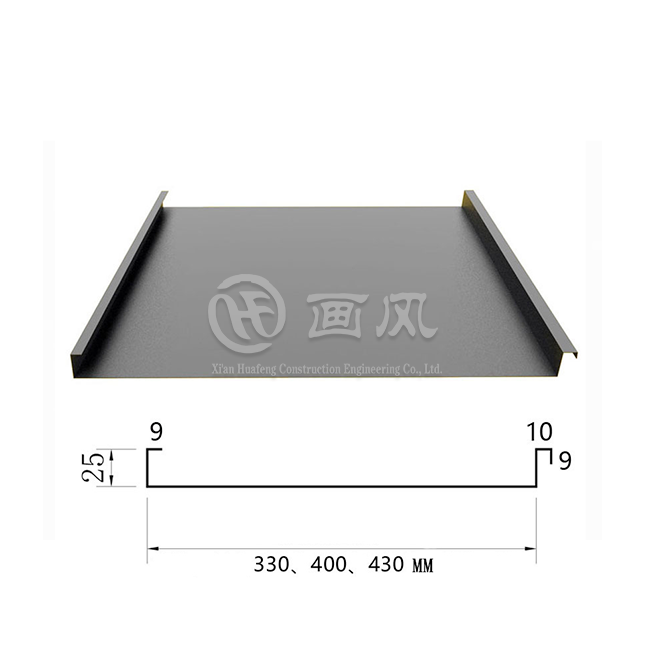
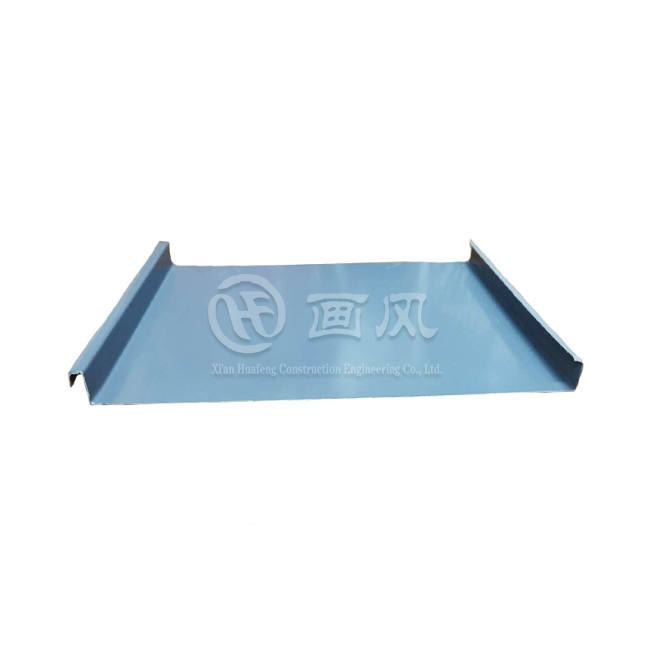
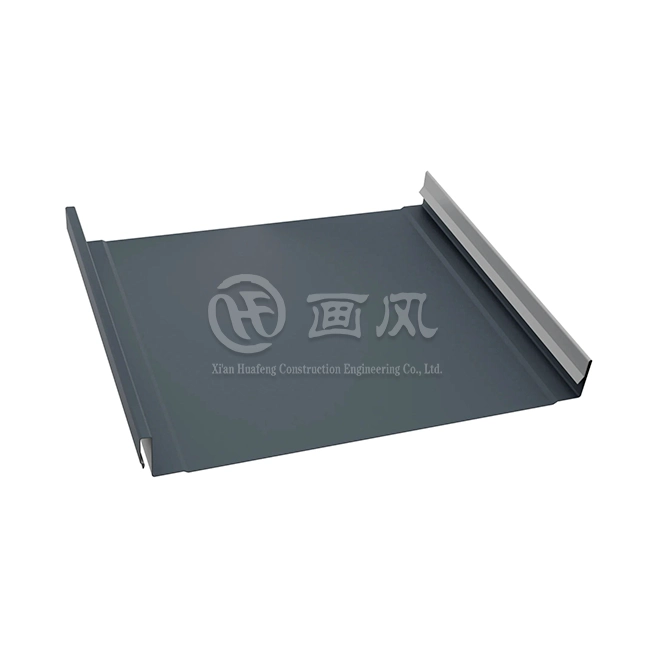
Snap lock standing seam roof panels use a male leg and a female leg. Installers press the male leg into the female leg of the next panel, and the seam snaps together over a hidden clip. It is possible for the clip to connect to the deck without any screws piercing the panel surface. The seam height for HF is 45 mm, which is 1.75 inches. A manually seamed panel does not work the same way; it requires a hand or electric seamer to fold the seam in the field. There are teams that finish snap lock panels faster because they skip that step.
Main Roof Components
The panel gets most of the attention, but a roof is made up of more than one piece. Besides panels, you will also need underlayment, ridge caps, valleys, eave and rake flashings, pipe penetrations, and closures. Every piece must match the panel profile and base metal. For example, putting the wrong fastener metal next to aluminum can lead to galvanic corrosion long before the paint fails. I advise buyers to request one accessory list with every panel quote so the roof ships complete. HF supplies standing seam panels in aluminum alloy, steel, stainless steel, copper, and titanium zinc, along with roofing system accessories.
Dimensions to Specify
Clear measurements keep costly repairs from having to be done again. Panels can be made to order in lengths of up to 13 m, which eliminates side laps. Most of HF's panels are 300 mm to 600 mm wide. Base metal for steel is between 0.5 mm and 1.0 mm thick, and base metal for aluminum is between 0.7 mm and 1.2 mm thick. It is best to write the thickness in millimeters or inches on every order since gauge numbers vary for each metal. Specify the profile drawing number, the clip spacing, the seam height, and the panel length tolerance. A short written list ensures everyone works from the same numbers.
What Does AAMA 2605 Mean for Snap Lock Standing Seam Roof Panels?
What the Standard Tests
AAMA 2605 is a performance specification for high-performance organic coatings on aluminum and other metal panels. The most recent version is AAMA 2605-22, published by the FGIA. It sets limits for color change, chalking, gloss retention, and film erosion after 10 years of South Florida exposure at 45 degrees facing south. The coating is also put through lab tests for adhesion, hardness, impact, and flexibility, as well as resistance to acid, mortar, detergent, and window cleaner. The goal is that the paint should stay attached and keep its color; the standard says nothing about seam strength or leaks.
AAMA 2605 Versus 2604 and 2603
The three AAMA coating specifications rise in performance and cost. AAMA 2603 covers a basic pigmented coating with one year of Florida exposure. AAMA 2604 requires five years of exposure. AAMA 2605 requires ten years, and it usually signifies a PVDF-based finish applied on a controlled coating line. While it costs more, AAMA 2605 is the best choice for dark colors, coastal sites, and visible commercial snap lock standing seam roof projects. For a budget residential project in a mild climate, a finish meeting AAMA 2603 or AAMA 2604 might suit the job. Match the specification to the project first, then compare prices.
PVDF Is Not the Same as AAMA 2605
PVDF refers to the resin type, whereas AAMA 2605 names the performance level a coating system must prove through testing. A PVDF label alone does not guarantee compliance, as film thickness, pretreatment, pigment, and cure also matter. HF holds SGS report GZMR241003197201_CN, dated November 19, 2024. It shows a PVDF coating on 3003H24 aluminum passing all 13 AAMA 2605-22 items, including ΔE 0.3 for color uniformity, 5B adhesion (dry, wet, and boiling water), and 0T flexibility. The tested specimen was 3.0 mm thick, so confirm which report matches your panel and color. HF also offers PE finishes for milder environments.
How AAMA 2605 Affects Roof Performance and Service Life
Fading Versus Chalking
Fading and chalking are different problems. Fading is a color shift caused by pigment breakdown. Chalking is a powdery surface film that forms when the resin degrades under ultraviolet light, which can dull the color even without a pigment change. ASTM D4214 rates chalking, and ASTM D2244 measures color difference. Dark and saturated colors tend to show both problems sooner because they absorb more heat and sunlight. South and west slopes get the most exposure. On a visible residential or commercial roof, a finish tested to AAMA 2605 provides stronger evidence of color stability than an unrated finish.
Climate and Exposure
Coating performance depends on the building site. Salt air, industrial pollution, agricultural chemicals, and high humidity all stress the finish and the metal beneath it. Cut edges, scratches, and fastener points often fail before the field of the panel does, so edge protection and compatible accessories are vital. HF's technical data points to aluminum alloy for coastal and humid regions and Galvalume steel for most other climates, especially dry inland areas. I suggest listing the exact exposure on the purchase order so the supplier can recommend the correct base metal and finish instead of guessing.
Finish Warranty Versus Service Life
A finish warranty, a weather-tightness warranty, and actual service life are three separate things. The finish warranty typically covers fading and chalking limits. A weather-tightness warranty depends on correct installation and approved details. Service life depends on the substrate, climate, and maintenance. HF lists a 30-year warranty for its standing seam roofing. Read the exact terms before you quote a customer, including exclusions, color change limits, and claim steps. Confirm which of these three areas the 30-year term covers and keep that answer in your project file.
AAMA 2605 Versus Complete Snap Lock Roof-System Requirements
Loads, Slope, and Thermal Movement
A strong finish cannot fix a weak design. The roof also needs wind uplift resistance, drainage, snow load capacity, and room for thermal movement. ASTM E1592 tests structural performance under uniform static air pressure. HF's data lists wind resistance of at least 3.0 kN/m² with clip spacing of 1.5 m or less. It also lists snow capacity of at least 1.5 kN/m² for 0.7 mm aluminum on 600 mm purlin spacing. Movement is also critical; a 13 m aluminum panel with a 50°C temperature swing grows about 15 mm using a coefficient of 23×10⁻⁶/°C. Floating clips must allow for this motion.
Snap Lock Compared with Other Roofing Options
Different systems fit different jobs. Mechanical lock seams offer stronger wind resistance and suit lower slopes, but they require a seaming machine and more labor. HF's data indicates that installing a snap lock standing seam roof is 30% to 50% more efficient than mechanical edge locking, and ordinary workers can learn it after one day of training. Exposed-fastener panels cost less up front but create potential leak points over time. Asphalt shingles suit tight budgets but lack the concealed-fastener look. While many U.S. profiles call for a 3:12 slope, HF's data lists 1:12 with waterproof underlayment; confirm the approved slope for your specific project.
Documentation Checklist
Before you approve a purchase order, collect these records:
- Coating records: the coating manufacturer, AAMA classification, film thickness, RAL or color code, and the SGS or equivalent test report that matches your finish. Ask for the batch number too, so you can trace any color issue back to a specific coil and run.
- Structural records: profile drawings, wind-load tables, clip specifications, and any ASTM E1592 report for the exact profile and clip spacing. Add the base-metal certificate and a thickness confirmation to let your engineer or inspector verify the assembly.
- Shipping records: packaging guidance, panel length tolerances, inspection records, and export references. Good packaging prevents panel bending, and dimension checks reduce field trimming. Keep these records with the order to support future claims or reorders.
Together, these records show whether the paint, the profile, and the shipment all match the specification.
How to Select, Install, and Buy an AAMA 2605 Snap Lock Standing Seam Roof
A Four-Step Selection Method
Start with the site. Record the building type, climate, coastal exposure, roof slope, design wind speed, snow load, and required service life. Next, choose the base metal and thickness; HF offers 0.5 mm to 1.2 mm material in various alloys. Then match panel width, seam profile, and clip spacing to the loads. Finally, pick the finish: PVDF for demanding exposure or PE for milder settings. Custom RAL colors and OEM runs make sense when a distributor stocks one profile for repeat jobs or a contractor needs matching replacement panels for an existing snap lock standing seam roof.
Installation and Maintenance
Correct installation protects the finish and the seams. The deck must be flat, dry, and at the approved slope with underlayment in place. Set clips at the spacing shown in the engineering report, align each panel, and confirm full seam engagement along its length. Use the manufacturer's details for eaves, ridges, and valleys rather than generic drawings. After installation, inspect the roof once a year and after major storms. Check for scratches, loose flashing, blocked drainage, failed sealant, and cut-edge corrosion. Clean with mild, compatible cleaners and keep all maintenance records.
Supplier Evaluation and Common Mistakes
A good supplier shows its capacity and its paperwork. HF operates three factories with seven production lines and more than 40 machines, supplying up to 1,000 tons per month. The MOQ is 500 m² or 1 ton, and delivery takes 15 to 20 days. Products follow international standards like ASTM, DIN, and JIS. Avoid five common mistakes: Do not treat AAMA 2605 as a whole-roof certification. Do not compare only the price per square foot. Do not ignore slope and thermal movement. Do not pick a finish without checking environmental exposure. Finally, do not skip batch records. Building a snap lock standing seam roof with AAMA 2605 is an investment in long-term aesthetics and performance.
Conclusion
AAMA 2605 describes the performance of a paint finish, not the structural strength or water tightness of an entire roof. For a snap lock standing seam roof, it matters most where color retention, chalking resistance, and adhesion affect appearance and upkeep, such as on dark-colored panels, coastal sites, and visible commercial buildings. PVDF alone does not prove compliance, so test reports must match the actual coating. The finish must also pair with the right base metal, thickness, and installation details. Warranty terms and documentation separate a simple finish claim from real service life. Buyers get the best result when they evaluate the coating and the complete system together.
FAQ
1. Is AAMA 2605 a certification for the whole roof?
No. It covers the paint finish only. Wind uplift, water penetration, and structural performance need separate testing, such as ASTM E1592.
2. Does every PVDF coating meet AAMA 2605?
No. PVDF describes the resin. Compliance needs test evidence for the specific coating system, so always ask for the report.
3. What slope does a snap lock panel need?
Many U.S. snap lock standing seam roof designs specify 3:12 or steeper. Lower slopes often require mechanical lock seams. Confirm the approved slope for your specific profile.
4. What information do you need for a quote?
Send drawings, roof dimensions, metal type and thickness, finish, RAL color, order volume, and destination. HF accepts custom, wholesale, and OEM orders.
Request a Snap Lock Standing Seam Roof Quote from HF
Need a snap lock standing seam roof supplier that documents its coating data? Send HF your drawings, metal thickness, RAL color, and order volume at huafeng@hfmetalroof.com. Our three factories supply 1,000 tons per month, with 15 to 20 day delivery and a 500 m² MOQ. We quote custom panels, samples, and OEM orders. Visit hfmetalroof.com to request a technical data sheet or coating report.
References
1. AAMA 2605-22: Voluntary Specification, Performance Requirements and Test Procedures for Superior Performing Organic Coatings on Aluminum Extrusions and Panels, FGIA, 2022
2. ASTM E1592: Standard Test Method for Structural Performance of Sheet Metal Roof and Siding Systems by Uniform Static Air Pressure Difference, ASTM International, 2017
3. ASTM D3359: Standard Test Methods for Rating Adhesion by Tape Test, ASTM International, 2023
4. ASTM D4214: Standard Test Methods for Evaluating the Degree of Chalking of Exterior Paint Films, ASTM International, 2007
5. ASTM D2244: Standard Practice for Calculation of Color Tolerances and Color Differences from Instrumentally Measured Color Coordinates, ASTM International, 2023
6. The NRCA Roofing Manual: Metal Panel and SPF Roof Systems, National Roofing Contractors Association, 2019





YOU MAY LIKE