How Durable Are Ibr Corrugated Roofing Sheets for Harsh Weather?
2026-02-12 11:00:00
When your roofing investment fails during a violent storm, watching water damage destroy your property interior becomes a costly nightmare that could have been prevented. Ibr Corrugated Roofing Sheets represent engineered solutions specifically designed to endure extreme weather conditions including torrential rainfall, hurricane-force winds, hailstorms, and prolonged UV exposure. These high-performance metal roofing systems combine structural strength with advanced corrosion protection, delivering reliable protection for industrial facilities, commercial buildings, and residential properties in climatically challenging environments worldwide.
Understanding IBR Corrugated Roofing Sheet Construction and Weather Resistance
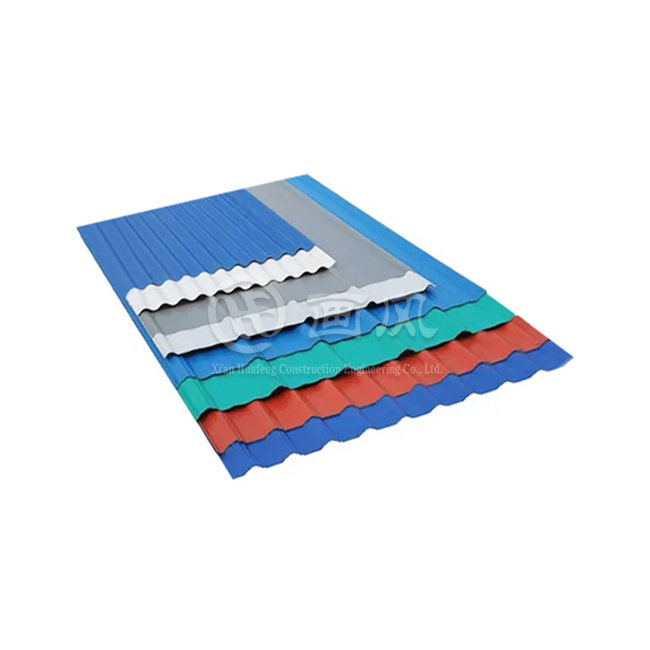
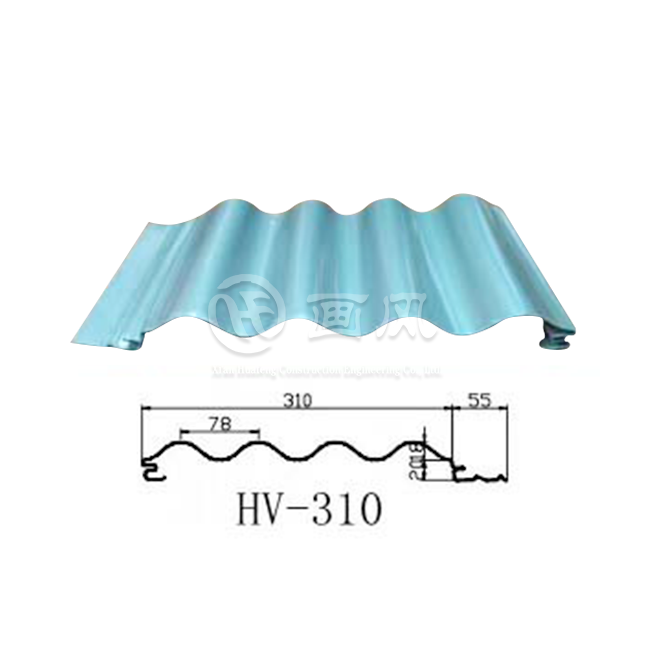
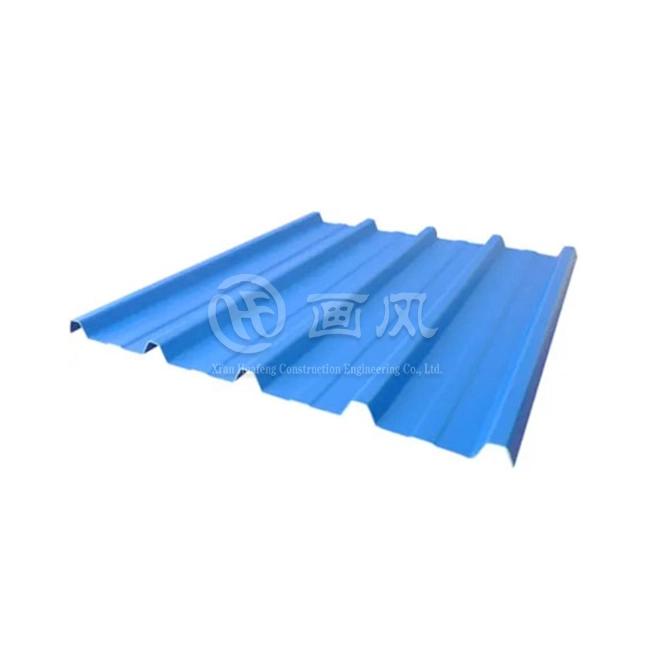
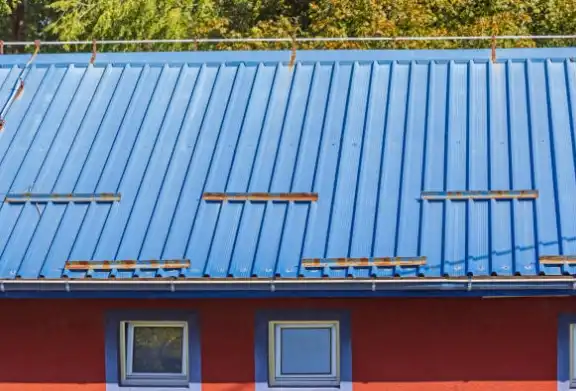
Ibr corrugated sheets feature an Inverted Box Rib profile design that fundamentally enhances their structural performance under harsh weather conditions. This distinctive square-fluted geometry creates superior rigidity compared to traditional wavy corrugated profiles, enabling the sheets to maintain dimensional stability during extreme environmental stress. The trapezoidal wave pattern distributes loads efficiently across the entire surface area, preventing localized stress concentrations that could compromise material integrity during severe weather events. The manufacturing process for Ibr Corrugated Roofing Sheets involves precision roll-forming of high-grade steel substrates with thicknesses typically ranging from 0.4mm to 1.2mm. These steel sheets undergo galvanization treatments where zinc or aluminum-zinc alloy coatings provide fundamental corrosion barriers. Advanced coating technologies including polyester, silicon-modified polyester, and PVDF finishes add additional protection layers that resist atmospheric degradation, chemical exposure, and moisture penetration. This multi-layer protection system ensures Ibr corrugated sheets maintain structural performance throughout decades of service life, even in coastal regions with salt-laden air or industrial zones with corrosive atmospheric contaminants.
Core Material Properties Affecting Durability
The exceptional durability of ibr corrugated sheets stems from carefully engineered material compositions that respond effectively to environmental challenges. Galvanized steel substrates incorporate zinc coatings applied through hot-dip processes, creating metallurgical bonds that prevent oxidation from reaching the base steel. When exposed to moisture, the zinc layer forms a protective patina that self-seals minor surface imperfections, continuously defending against rust formation. Aluminum-zinc alloy coatings provide even superior corrosion resistance, offering approximately four times the lifespan of conventional galvanized finishes in harsh environments. Premium color-coated Ibr Corrugated Roofing Sheets utilize PPGI (Pre-Painted Galvanized Iron) or PPGL (Pre-Painted Galvalume) technologies where factory-applied organic coatings bond permanently to treated steel surfaces. These coating systems incorporate UV-resistant pigments, weathering stabilizers, and flexible resins that accommodate thermal expansion while maintaining adhesion integrity. The result is roofing material that resists chalking, fading, cracking, and delamination throughout extended service periods, maintaining both protective functions and aesthetic appearance regardless of climatic severity.
Structural Design Features for Extreme Weather Performance
The geometric profile of Ibr corrugated sheets directly influences their capacity to withstand severe weather phenomena. The raised ribs running longitudinally across each sheet create substantial section modulus, significantly increasing bending resistance compared to flat metal panels. This structural efficiency allows ibr corrugated sheets to span greater distances between supporting purlins while maintaining adequate load-bearing capacity for snow accumulation, equipment installations, or maintenance access. Wave heights in IBR profiles typically range from 30mm to 75mm, with wave spacing between 150mm and 300mm depending on specific applications. These dimensional characteristics optimize water shedding performance, ensuring rapid drainage that prevents pooling and reduces hydrostatic pressure on fastening systems during heavy rainfall events. The broad flutes incorporate stiffening ribs that minimize oil-canning effects, maintaining flat appearance throughout temperature cycling and preventing the wavy distortions that compromise both aesthetics and weatherproofing in lesser roofing products.
Weather Resistance Performance of IBR Corrugated Roofing Sheets
Wind Resistance and Hurricane Performance
Ibr Corrugated Roofing Sheets demonstrate exceptional wind resistance capabilities that protect structures during hurricanes, typhoons, and severe thunderstorms. The mechanical fastening systems used with IBR profiles create positive connections between roofing sheets and structural purlins that resist uplift forces generated by negative wind pressures. When properly installed with appropriate screw densities and washer specifications, ibr corrugated sheets can withstand wind speeds exceeding 200 kilometers per hour, equivalent to Category 3 or Category 4 hurricane conditions. The broad contact area between IBR sheet crests and supporting structures distributes fastener loads efficiently, preventing localized tearing or pull-through failures that compromise roofing integrity. Self-drilling fasteners equipped with EPDM bonded washers create weathertight seals at each penetration point while providing mechanical strength that resists both shear and tension forces. The inverted box rib geometry also contributes aerodynamic characteristics that reduce turbulent airflow patterns along roof surfaces, minimizing uplift pressures compared to profiles with sharper edge details. Engineering analysis demonstrates that Ibr Corrugated Roofing Sheets maintain structural stability through wind-driven vibration cycles without developing fatigue failures. The inherent flexibility of steel substrates allows controlled deflection under dynamic wind loads, absorbing energy that might otherwise concentrate at connection points. This balanced combination of rigidity and flexibility enables IBR systems to survive repeated storm exposure without cumulative degradation, providing long-term reliability in wind-prone regions including coastal zones and elevated topographic locations.
Waterproofing and Drainage Performance
Superior water management capabilities distinguish Ibr corrugated sheets as optimal solutions for regions experiencing intense rainfall, including tropical climates, monsoon zones, and areas subject to persistent precipitation. The longitudinal rib configuration channels water flow directionally along roof slopes, utilizing gravity to rapidly evacuate rainfall from roof surfaces. Large wave spacing in IBR profiles accommodates substantial water volumes without overwhelming drainage capacity, preventing the overflow conditions that lead to leakage at seam locations. Properly executed installation practices enhance the inherent waterproofing characteristics of Ibr Corrugated Roofing Sheets through strategic overlap configurations and appropriate sealing applications. Manufacturers typically specify longitudinal overlaps of at least 200mm for standard roof pitches, with requirements for sealant application when slopes fall below 10 degrees. Horizontal overlaps spanning one to two corrugation peaks ensure continuous water barriers across panel boundaries, with stitching fasteners securing side laps at prescribed intervals to prevent wind-driven water infiltration. The durability of IBR waterproofing systems extends across decades of service due to the corrosion resistance of fastener components and the dimensional stability of roofing panels. Unlike organic roofing materials that deteriorate through UV degradation, moisture absorption, or biological attack, ibr corrugated sheets maintain consistent geometry and material properties throughout their service life. This stability ensures that initial waterproofing performance persists without the progressive degradation that necessitates premature replacement in alternative roofing technologies.
Hail Impact Resistance and Physical Durability
Ibr Corrugated Roofing Sheets provide exceptional resistance to hail damage that destroys less robust roofing materials during severe thunderstorms. The inherent toughness of steel substrates combined with the structural geometry of IBR profiles creates surfaces capable of withstanding significant impact energies without permanent deformation or penetration. Field performance and laboratory testing document that properly specified ibr corrugated sheets survive hailstone impacts from stones exceeding 50mm diameter without developing cracks, punctures, or coating damage that compromises long-term durability. The broad flat surfaces between corrugation peaks distribute impact loads across substantial areas, reducing localized stress concentrations that might otherwise exceed material yield strengths. Thicker substrate specifications ranging from 0.6mm to 1.2mm provide enhanced impact resistance for applications in regions with documented hail hazard frequency. The flexibility of steel materials allows elastic deformation during impact events, absorbing kinetic energy without the brittle fracture characteristics that cause catastrophic failures in concrete tiles or asbestos-cement sheets. Beyond hail resistance, Ibr Corrugated Roofing Sheets demonstrate superior durability against mechanical abuse from falling branches, maintenance traffic, and equipment installations. The raised rib configuration naturally protects coating surfaces in valley areas from abrasion and impact, concentrating wear on reinforced high points where material thickness and structural support are greatest. This thoughtful design integration ensures that IBR roofing systems maintain protective functions and aesthetic appearance throughout service lives that regularly exceed thirty years in demanding environmental conditions.
Long-Term Durability and Service Life Expectations
Corrosion Resistance in Coastal and Industrial Environments
The exceptional corrosion resistance of Ibr corrugated sheets makes them optimal choices for coastal buildings exposed to salt spray and industrial facilities subject to chemical atmospheres. Advanced coating systems applied to IBR profiles provide multiple defensive barriers against corrosive agents that rapidly destroy unprotected metals. Zinc and aluminum-zinc alloy coatings serve as sacrificial anodic layers that preferentially oxidize, protecting underlying steel substrates from direct corrosive attack. When combined with organic topcoats incorporating corrosion inhibitors, this layered protection system delivers service lives ranging from fifteen to thirty years depending on environmental severity and coating specifications. Coastal applications particularly benefit from aluminum-zinc coatings (often marketed as Galvalume or Zincalume) that demonstrate superior performance in chloride-rich atmospheres compared to conventional galvanized finishes. The aluminum component forms stable oxide films resistant to salt-induced degradation, while the zinc component provides galvanic protection at cut edges and fastener penetrations. Field studies in severe marine environments document that Ibr Corrugated Roofing Sheets with aluminum-zinc coatings maintain structural integrity and weatherproofing performance for decades with minimal maintenance requirements. Industrial environments presenting exposure to acidic gases, alkaline dusts, or chemical process emissions require careful specification of coating systems appropriate for specific atmospheric conditions. PVDF coatings offer exceptional chemical resistance alongside outstanding UV stability, making them preferred solutions for aggressive industrial applications. These fluoropolymer-based finishes maintain color stability and surface integrity throughout extended service periods, eliminating the repainting cycles required by lesser coating technologies and reducing lifecycle costs through extended maintenance intervals.
Temperature Performance and Thermal Cycling Resistance
Ibr corrugated sheets demonstrate reliable performance across extreme temperature ranges encountered in diverse global climates. Metal roofing materials naturally accommodate thermal expansion and contraction through coefficient of thermal expansion characteristics inherent to steel substrates. The longitudinal profile of IBR sheets allows controlled dimensional changes along panel lengths without developing buckling distortions or fastener failures. Proper installation practices incorporating appropriate fastener spacing and allowances for thermal movement ensure that roofing systems function without stress-related failures throughout decades of temperature cycling. In extremely cold climates experiencing temperatures below minus 40 degrees Celsius, steel substrates maintain ductility and impact resistance without the embrittlement that affects many building materials. Snow and ice loads accumulating on IBR roof surfaces distribute across the structural profile, with load-bearing capacities readily calculated through engineering analysis to ensure adequate safety margins. The smooth metal surface and steep roof slopes typically associated with Ibr Corrugated Roofing Sheets facilitate natural snow shedding, reducing accumulated loads and minimizing ice dam formation that can compromise roofing integrity. High-temperature environments including tropical regions and desert climates present different challenges that IBR systems address through reflective coating technologies and ventilation design strategies. Light-colored finishes incorporating infrared-reflective pigments significantly reduce solar heat gain, lowering roof surface temperatures and reducing thermal stress on coating systems. The corrugated profile naturally creates air circulation pathways beneath roofing panels when properly installed over ventilated roof assemblies, enhancing heat dissipation and contributing to building energy efficiency while extending coating service life through reduced thermal degradation.
Fire Resistance and Safety Performance
The non-combustible nature of Ibr Corrugated Roofing Sheets provides critical fire safety advantages for industrial facilities, commercial buildings, and residential structures in wildfire-prone regions. Steel roofing materials achieve Class A fire ratings, representing the highest level of fire resistance in building code classifications. Unlike organic roofing materials including asphalt shingles, wood shakes, or synthetic membranes that ignite and propagate flames, ibr corrugated sheets will not contribute fuel to developing fires or generate burning debris that spreads ignition to adjacent structures. During fire events, metal roofing systems maintain structural integrity significantly longer than combustible alternatives, providing critical time for building evacuation and firefighting response. The thermal conductivity of steel does result in heat transfer to underlying structures, necessitating appropriate insulation specifications and fire-rated assembly designs for applications requiring specific fire resistance ratings. However, the roof covering itself will not fail catastrophically through burn-through or collapse, maintaining weather protection and containing fire propagation compared to roofing systems that develop openings allowing fire and ember penetration. Wildfire protection represents an increasingly important consideration for building design in many regions experiencing changing climate patterns and vegetation management challenges. Ibr Corrugated Roofing Sheets provide documented protection against ember ignition and radiant heat exposure that destroys combustible roofing materials during wildfire events. Field observations following major wildfire disasters consistently demonstrate that structures with metal roofing systems survive fire exposure that consumes buildings with organic roof coverings, validating the superior fire resistance and durability of IBR technology in extreme fire weather conditions.
Factors Affecting IBR Corrugated Roofing Sheet Longevity
Installation Quality and System Integration
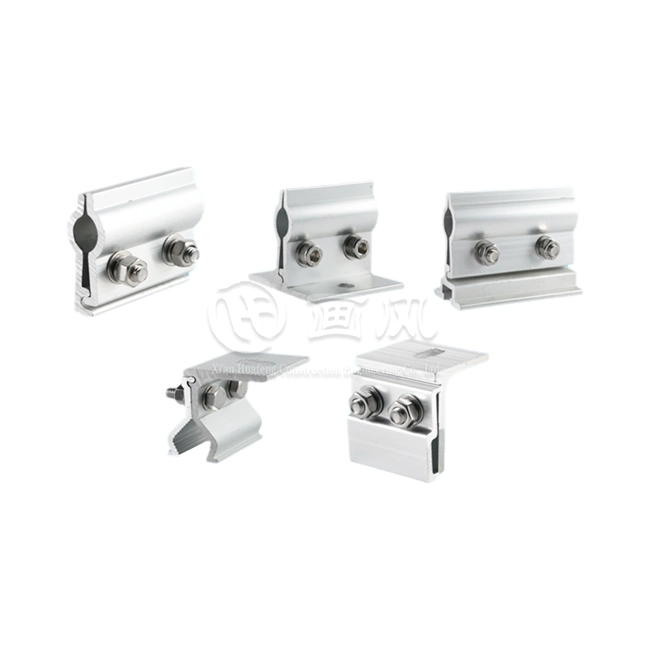
The realized durability of Ibr corrugated sheets depends critically on installation quality and proper system integration with supporting structures and accessory components. Experienced roofing contractors understand that fastener selection, spacing, and installation technique directly influence long-term weatherproofing performance and structural reliability. Self-drilling fasteners must penetrate supporting purlins with sufficient engagement depth to develop specified pull-out resistance while avoiding over-tightening that crushes bonded washers or dimples roofing panels. Proper roof slope design ensures adequate water drainage that prevents ponding conditions leading to accelerated corrosion and fastener seal degradation. Minimum slope recommendations typically specify 5-degree pitches for standard IBR installations, with requirements for lap sealants and increased fastener densities when lower slopes are unavoidable due to architectural constraints. Flashing details at roof penetrations, sidewall intersections, and termination conditions require careful design and execution to maintain continuous weather barriers that protect building interiors from water infiltration throughout decades of service. Thermal movement accommodation represents another critical installation consideration affecting Ibr Corrugated Roofing Sheets durability. Roofing panels can experience temperature changes exceeding 80 degrees Celsius between summer heat gain and winter cold exposure, generating substantial dimensional changes that must be accommodated without developing localized stress concentrations. Fasteners should allow controlled sliding movement while maintaining weathertight seals, typically achieved through proper washer compression and avoiding fastener over-torque during installation. End lap and side lap configurations must account for thermal expansion to prevent buckling or gap development as panels expand and contract through seasonal temperature cycles.
Maintenance Requirements and Protective Measures
While ibr corrugated sheets require minimal maintenance compared to many alternative roofing technologies, appropriate inspection and maintenance practices significantly extend service life and preserve appearance quality. Regular inspection programs should examine roof surfaces for accumulation of debris, leaves, or other materials that retain moisture against coating surfaces and create localized corrosion conditions. Simple washing with water removes accumulated dirt and atmospheric deposits that might otherwise degrade coating performance through chemical interaction or moisture retention. Fastener inspection represents a critical maintenance activity that identifies loose or damaged fasteners before weatherproofing failures develop. Bonded washers naturally degrade through UV exposure and thermal cycling, potentially developing leaks at fastener penetrations after extended service periods. Systematic fastener inspection and replacement programs address developing problems before water infiltration damages underlying structures or building contents. In corrosive environments including coastal zones or industrial areas, enhanced inspection frequencies identify coating degradation or localized corrosion requiring remedial treatment before substantial material loss occurs. Touch-up painting or coating renewal extends the service life of Ibr Corrugated Roofing Sheets in demanding environments where atmospheric conditions exceed the protective capacity of original coating systems. Field-applied coating systems compatible with substrate materials and existing finishes restore appearance and corrosion protection, often at fractions of replacement costs. These maintenance coatings find particular application in corrosive industrial environments or coastal locations where salt exposure accelerates coating degradation beyond typical service life expectations for standard coating specifications.
Environmental Factors and Geographic Considerations
Geographic location and local environmental conditions significantly influence the long-term durability expectations for ibr corrugated sheets. Coastal regions within several kilometers of saltwater exposure present particularly aggressive corrosive environments where careful material specification proves essential for achieving satisfactory service life. Aluminum-zinc coated substrates with premium organic coatings represent minimum specifications for direct coastal exposure, with regular maintenance washing to remove salt deposits extending coating service life substantially. Industrial zones subject to airborne chemical contaminants, acidic precipitation, or alkaline dust exposure require similar attention to coating specification and potential maintenance requirements. Facilities processing chemicals, refining petroleum products, or manufacturing products generating atmospheric emissions may necessitate specialized coating systems resistant to specific chemical exposures anticipated in local atmospheres. Consultation with coating manufacturers and review of local performance history guides appropriate material selection for achieving target service life objectives in chemically aggressive environments. Climate patterns including rainfall intensity, temperature extremes, UV radiation levels, and humidity conditions all influence coating degradation rates and long-term durability performance. Tropical regions with intense solar radiation, high temperatures, and persistent humidity accelerate coating weathering compared to temperate climates with moderate environmental conditions. Desert environments present extreme UV exposure and substantial diurnal temperature cycling that challenge coating adhesion and flexibility. Understanding these geographic and climatic influences enables appropriate Ibr Corrugated Roofing Sheets specifications that deliver reliable long-term performance matched to actual service conditions anticipated throughout building design life.
Conclusion
Ibr Corrugated Roofing Sheets deliver exceptional durability for harsh weather environments through engineered material compositions, structural geometry, and protective coating systems that withstand extreme wind, rainfall, hail, temperature cycling, and corrosive atmospheric exposure. Proper specification, quality installation, and appropriate maintenance ensure service lives exceeding thirty years while maintaining weatherproofing integrity and aesthetic appearance.
Cooperate with Xi'an Huafeng Construction Engineering Co., Ltd.
Xi'an Huafeng Construction Engineering Co., Ltd. stands as a leading China Ibr Corrugated Roofing Sheets manufacturer and China Ibr Corrugated Roofing Sheets supplier, delivering high-quality metal roofing solutions since 2018. As a China Ibr Corrugated Roofing Sheets factory recognized as a Shaanxi Province high-tech enterprise with first-level building curtain wall qualifications and third-level steel structure qualifications, we operate three factories with seven production lines and over forty advanced machines ensuring efficient production of premium Ibr Corrugated Roofing Sheets for sale. Our comprehensive facilities include a 200,000-square-meter raw material production plant in Anhui plus plate processing plants in Hangzhou and Xi'an, supported by rigorous quality control systems meeting ISO9001, ISO14000, and SGS certifications. We offer China Ibr Corrugated Roofing Sheets wholesale with competitive Ibr Corrugated Roofing Sheets price structures, delivering High Quality Ibr Corrugated Roofing Sheets with 30-year warranties, customizable specifications from 0.4-1.2mm thickness, PE/HDP/PVDF coating finishes, and complete one-stop services from engineering design through construction guidance. Our proven track record includes major projects like Xiongan Station Commercial Body and Xi'an International Convention Center, demonstrating our capability to deliver exceptional metal roofing solutions globally. Contact us at huafeng@hfmetalroof.com to discuss your project requirements and experience professional support from concept through installation for your demanding roofing applications.
References
1. "Performance Evaluation of Metal Roofing Systems Under Hurricane Conditions" - American Society of Civil Engineers, Structural Engineering Institute
2. "Corrosion Resistance of Metallic Coatings in Coastal Environments" - ASTM International Committee on Corrosion of Metals
3. "Durability Assessment of Pre-Painted Steel Roofing Products" - European Coil Coating Association Technical Committee
4. "Wind Load Effects on Metal Roof Panel Systems" - Metal Construction Association Engineering Committee
5. "Long-Term Performance of Galvanized and Galvalume Steel in Building Applications" - International Lead Zinc Research Organization





YOU MAY LIKE